Virginia’s Eighteen CWD Counties
Chronic Wasting Disease (CWD) is a tough reality for Virginia hunters, adding a layer of concern and complexity to an already challenging pursuit. Knowing which counties are affected, understanding the specific regulations, and adapting your hunting approach can feel like navigating a maze. This guide aims to clear up the confusion surrounding Virginia's eighteen CWD counties, offering practical advice and insight into protecting our deer herd and your hunting traditions.
Understanding Chronic Wasting Disease (CWD) in Virginia
CWD isn't just a buzzword; it's a serious, fatal neurological disease affecting deer, elk, and moose. When it shows up in a new area, it changes everything for hunters and wildlife managers alike. In Virginia, we’ve been dealing with this challenge for a while now, and it's crucial to grasp what it means for our cherished hunting opportunities.
What is CWD and How Does it Spread?
Imagine a disease that acts like mad cow disease, but for deer. That's essentially CWD. It's caused by abnormal proteins called prions, which slowly attack the brain and nervous system of infected animals. Unlike bacteria or viruses, prions are incredibly resilient. They can persist in the environment for years, even after an infected animal has died, lurking in the soil, plants, or water. This persistence is why CWD is so difficult to eradicate once it takes root.
The disease spreads through direct contact between animals, but also indirectly through contaminated environments. Think about a deer shedding prions through its saliva, urine, or feces at a popular mineral lick or a shared food source. Another deer comes along, ingests those prions, and the cycle continues. It's a slow, insidious creep that impacts the long-term health of our wild cervid populations. The Virginia Department of Wildlife Resources (DWR) has been at the forefront of monitoring and managing this spread, implementing measures to minimize its impact.
Virginia's CWD History: Initial Detection and Spread
Virginia’s CWD journey began in 2009 with the confirmation of the first positive case in a white-tailed deer harvested in Frederick County. This was a sobering moment for the hunting community and wildlife officials alike. From that initial detection, the disease has slowly but surely expanded its footprint. The Shenandoah Valley, in particular, has become a hotspot, with cases predominantly concentrated there. This region, known for its rich deer habitat and productive hunting, became the primary focus of early management efforts.
The spread isn't always linear or predictable. It can jump across landscapes, sometimes due to natural deer movement, and other times, unfortunately, facilitated by human activities like the improper disposal of infected carcasses or the movement of live animals. Understanding how CWD spread through the Shenandoah Valley is critical for appreciating the scale of the challenge and the reasoning behind DWR's proactive measures. Each new positive test leads to an expansion of surveillance zones and stricter regulations, constantly adapting to the evolving threat.
Why CWD Matters to Hunters
For us hunters, CWD isn't just an ecological problem; it's a personal one. First and foremost, it raises concerns about venison safety. While there's no conclusive scientific evidence of CWD transmitting to humans, health agencies like the CDC recommend against consuming meat from CWD-positive animals. This means mandatory testing in certain areas can delay meat processing, and a positive result means losing your harvest.
Beyond personal consumption, CWD impacts the deer populations we cherish. A healthy deer herd is the backbone of Virginia hunting, and CWD can, over time, lead to declines in deer numbers, especially in older age classes. This affects herd health, hunting opportunities, and the overall balance of our ecosystems. Furthermore, the disease introduces new regulations – carcass disposal rules, feeding bans, and mandatory testing – that require hunters to adapt their practices. It demands a heightened level of responsibility and cooperation to ensure the future of hunting in Virginia.
Identifying Virginia's Eighteen CWD Counties
Knowing which counties are affected is the first step in adapting your hunting plans. These aren't just arbitrary lines on a map; they represent areas where CWD has been detected and where specific rules are now in place to try and contain its spread.
Listing the CWD Counties in Virginia
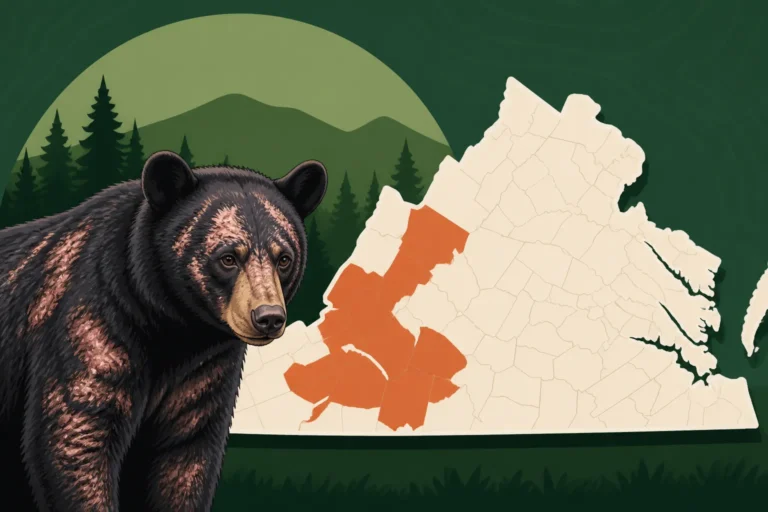
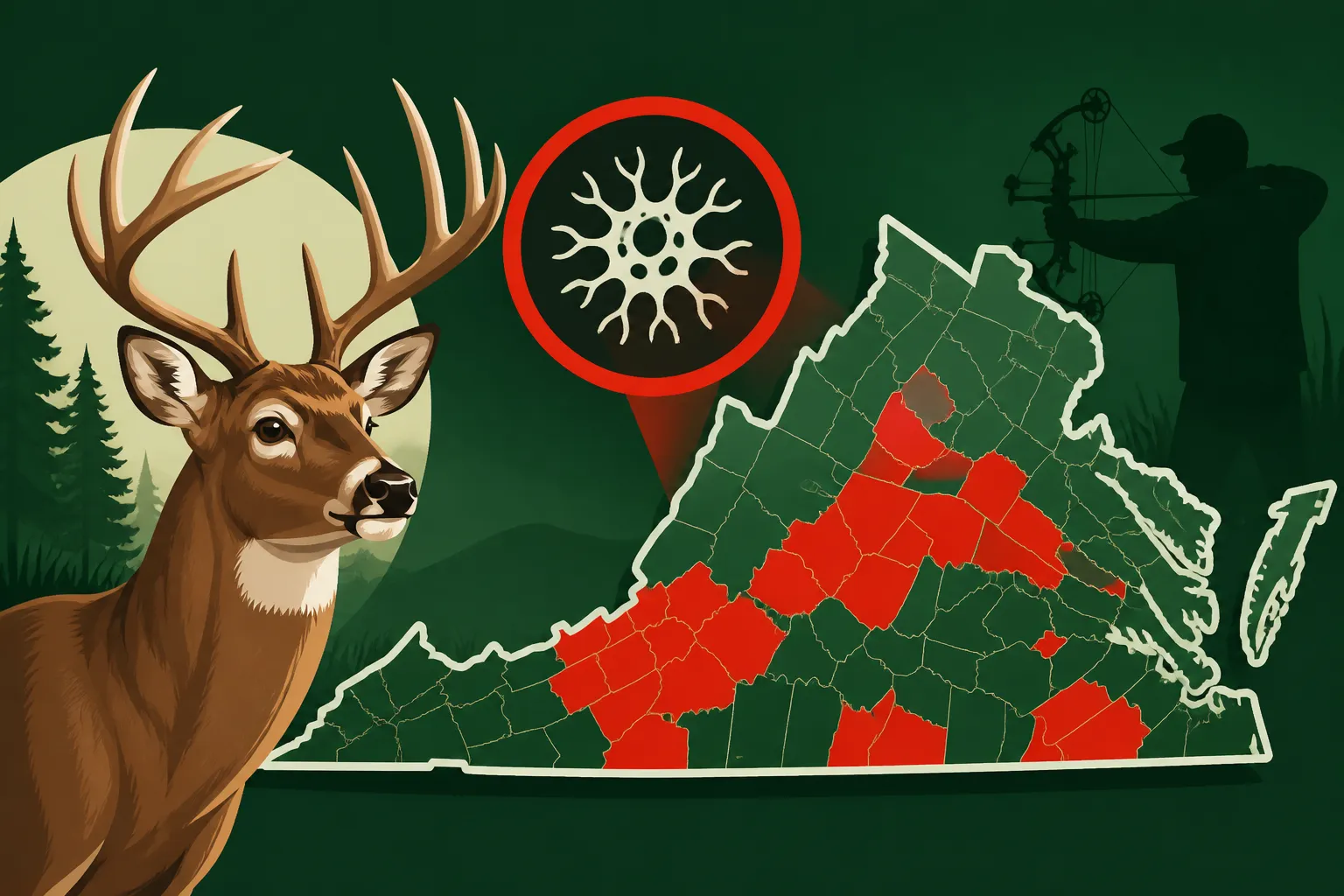
As of the latest updates, Virginia has eighteen counties identified as CWD-positive or within a CWD Management Area (DMA). These counties are primarily concentrated in the northern and western parts of the state, particularly within the Shenandoah Valley and expanding eastward into Northern Virginia. Here’s the current list:
- Frederick County (where the first case was found)
- Clarke County
- Shenandoah County
- Warren County
- Fauquier County
- Culpeper County
- Loudoun County
- Rappahannock County
- Madison County
- Greene County
- Page County
- Rockingham County
- Augusta County
- Albemarle County
- Orange County
- Highland County
- Bath County
- Alleghany County
It's crucial to remember that this list can evolve. The DWR continually monitors for new cases, and if CWD is detected in a new county, it will be added to this list and brought under the relevant management protocols. Staying informed through the DWR website or services like GoHunt, which often integrate regulation updates, is essential for any hunter.
Geographic Distribution and DMA Overlap
You'll notice a clear geographic pattern among these counties. Many are clustered in the Shenandoah Valley, forming the core of what the DWR designates as Disease Management Area 1 (DMA1). Counties like Frederick, Clarke, Shenandoah, Warren, Page, and Rockingham are central to this zone. Further east, counties like Fauquier, Loudoun, and Rappahannock are part of DMA2, which extends the CWD footprint towards the more populated regions of Northern Virginia.
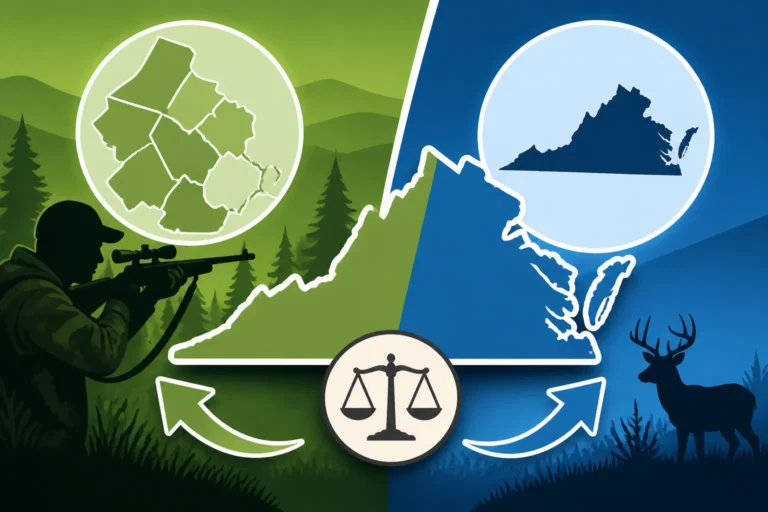
The establishment of Virginia's Four Chronic Wasting Disease Areas is a direct response to this geographic spread. DMA1, for instance, encompasses the counties where CWD prevalence is highest, and where intensive management strategies are most critical. DMA2 was expanded to include counties that share borders with known CWD-positive areas or have had detections themselves, anticipating and reacting to the disease's movement. Meanwhile, DMA3 and DMA4 are smaller, more recent additions in Southwest Virginia, indicating CWD's unfortunate tendency to pop up in new, isolated areas, requiring localized management efforts. Understanding these DMAs helps hunters visualize the affected zones and anticipate the regulations specific to those regions.
Historical Perspective: The First Case to the Current Footprint
Recalling the specific origin helps contextualize the current situation. The discovery of Which County Found Virginia's First CWD Case in Frederick County was a wake-up call. From that single instance, through continuous surveillance and dedicated efforts by the DWR, the disease’s presence has been meticulously tracked. What started as one county is now eighteen, representing a significant portion of the Commonwealth.
The expansion into additional counties, and the designation of multiple DMAs, highlights the challenge of containing prions that are so environmentally persistent. The DWR uses surveillance data, including samples submitted by hunters, to map the disease's progression. This information is critical for understanding where Why DMA1 Holds the Most Confirmed Cases and why those areas demand the most stringent rules. It’s a testament to the DWR’s commitment and the cooperation of hunters that we have such a detailed understanding of CWD's footprint in Virginia.
| CWD County | Primary DMA (if applicable) | Key Restriction Notes |
|---|---|---|
| Frederick | DMA1 | Mandatory testing, carcass restrictions, feeding ban |
| Clarke | DMA1 | Mandatory testing, carcass restrictions, feeding ban |
| Shenandoah | DMA1 | Mandatory testing, carcass restrictions, feeding ban |
| Warren | DMA1 | Mandatory testing, carcass restrictions, feeding ban |
| Fauquier | DMA2 | Mandatory testing, carcass restrictions, feeding ban |
| Culpeper | DMA2 | Mandatory testing, carcass restrictions, feeding ban |
| Loudoun | DMA2 | Mandatory testing, carcass restrictions, feeding ban |
| Rappahannock | DMA2 | Mandatory testing, carcass restrictions, feeding ban |
| Madison | DMA2 | Mandatory testing, carcass restrictions, feeding ban |
| Greene | DMA2 | Mandatory testing, carcass restrictions, feeding ban |
| Page | DMA1 | Mandatory testing, carcass restrictions, feeding ban |
| Rockingham | DMA1 | Mandatory testing, carcass restrictions, feeding ban |
| Augusta | DMA1 | Mandatory testing, carcass restrictions, feeding ban |
| Albemarle | DMA2 | Mandatory testing, carcass restrictions, feeding ban |
| Orange | DMA2 | Mandatory testing, carcass restrictions, feeding ban |
| Highland | DMA1 | Mandatory testing, carcass restrictions, feeding ban |
| Bath | DMA1 | Mandatory testing, carcass restrictions, feeding ban |
| Alleghany | DMA1 | Mandatory testing, carcass restrictions, feeding ban |
Note: Always consult the official Virginia DWR regulations for the most current and specific information for each county and DMA.
Specific Rules and Regulations in CWD-Affected Areas
Hunting in a CWD-affected county means you'll encounter a different set of rules than in unaffected areas. These regulations, while sometimes inconvenient, are vital for managing the disease and protecting the wider deer population. It's a testament to our collective responsibility as stewards of wildlife.
Mandatory CWD Testing Requirements
Perhaps the most significant change for hunters in CWD counties is the requirement for mandatory CWD testing. In specific Disease Management Areas (DMAs), particularly during the opening weekends of the general firearms season, DWR often sets up mandatory CWD testing for all deer harvested. For instance, in DMA1 counties like Frederick, Shenandoah, and Rockingham, you can usually expect these requirements. This means if you harvest a deer during these periods, you must take it to a designated DWR sampling station. These stations are typically well-marked and staffed by friendly DWR personnel who can answer your questions and help with the sampling process.
This mandatory testing is a cornerstone of DWR's surveillance efforts. It provides critical data on the prevalence and geographic spread of the disease, allowing wildlife managers to make informed decisions about herd management. The DWR website and various hunting apps, like those provided by GoHunt, are excellent resources for finding current sampling station locations and operating hours. Failure to comply with these requirements can result in penalties, so always double-check the latest regulations for the specific county and dates you plan to hunt. You can learn more about Virginia CWD Testing for Hunters to be fully prepared.
Carcass Movement Restrictions
Another crucial set of regulations involves carcass movement. Because CWD prions can be present in various tissues, especially brain and spinal cord, there are strict rules about moving harvested deer out of CWD-affected counties. Generally, you cannot transport an entire deer carcass out of a DMA, unless you're taking it directly to a DWR sampling station within that DMA or to a licensed processor within the DMA. The goal is to prevent the accidental spread of prions to unaffected areas.
What can you move? Typically, boned-out meat, quarters with no spinal column or skull attached, cleaned skulls (with brain matter removed), capes, and antlers are permissible. This means that if you plan to hunt in a CWD county and live elsewhere, you need to be prepared to process your deer on-site or use a local, DWR-approved processor within the DMA. This might mean bringing extra processing supplies or planning for a trip to a local butcher. Familiarize yourself with Virginia Carcass Movement Restrictions well before your hunt to avoid any issues.
Feeding and Baiting Bans
In an effort to reduce the potential for CWD transmission, many CWD-affected counties in Virginia also implement bans on feeding and baiting deer. The logic here is simple: concentrated deer populations at bait sites or feeders increase direct nose-to-nose contact, which is a primary mode of CWD transmission. When deer share a food source, they also leave behind saliva, urine, and feces, potentially contaminating the site with prions that other deer can then ingest.
Virginia's Twenty-Five-Mile Feeding Ban is a broad stroke regulation designed to prevent such congregation. These bans often prohibit the placement of food, minerals, or other attractants that could draw deer together. This means no corn piles, no mineral blocks, and no food plots specifically designed for baiting within these zones. It requires hunters to shift their tactics, focusing more on natural food sources, bedding areas, and travel corridors. While this might be a change for some, it encourages a more traditional, woodsmanship-based approach to hunting.
Hunting Strategies and Best Practices in CWD Zones
Adapting your hunting strategy in CWD zones isn't just about following rules; it's about being a responsible, informed hunter. These best practices help protect the herd and ensure your safety and enjoyment.
Scouting and Observing Deer for CWD Signs
Being observant in the field takes on a new level of importance in CWD areas. While visual signs of CWD in live deer are typically only apparent in the very late stages of the disease, it’s still valuable to know what to look for. Deer with CWD might exhibit symptoms such as extreme weight loss (hence "wasting" disease), stumbling or incoordination, listlessness, drooping ears, excessive salivation, and difficulty swallowing. They may appear unusually tame, showing little fear of humans.
If you encounter a deer displaying any of these symptoms, it’s best to avoid harvesting it. Instead, contact the Virginia DWR immediately to report the sighting. Provide as much detail as possible about the deer's location and behavior. This information is crucial for DWR biologists to monitor the disease and potentially remove affected animals from the population. Even when scouting Virginia public land before season, keeping an eye out for any unusually acting deer is a good habit. Use tools like GoHunt's mapping features to mark potential observation points or areas where you've seen something unusual.
Meat Handling and Processing for Safety
After harvesting a deer in a CWD-affected county, proper meat handling is paramount, regardless of whether testing is mandatory for that specific animal. If mandatory testing is in effect, your first step is taking the deer to a DWR check station. Once sampled, you'll often receive instructions on how to proceed while awaiting results. It's recommended to bone out the meat, separating it from bone, brain, spinal cord, lymph nodes, and spleen – these are the tissues most likely to contain prions. This practice also helps with carcass movement restrictions.
Gloves should be worn during field dressing and butchering. Avoid sawing through bone, especially the spinal column, as this can aerosolize prions. Clean all knives, equipment, and surfaces thoroughly with a bleach solution (e.g., 50/50 bleach and water) after processing. If your deer tests positive for CWD, DWR will contact you, and you should follow their recommendations for disposal, which typically involves not consuming the meat. While it's a tough pill to swallow, it's the responsible choice for public health and herd welfare. For more information, the DWR website also has guidelines for Handling Venison From a Disease Management Area.
Cooperating with the Virginia DWR
The fight against CWD is a team effort, and hunters are the DWR's most valuable partners. Your cooperation, from submitting samples to adhering to regulations, is what truly makes a difference. When you Reporting a Deer Through Virginia's App or online, you're contributing to critical data collection that helps the DWR understand harvest trends and population health. In CWD areas, this data also feeds into disease surveillance.
Participating in mandatory testing, reporting sick deer, and abiding by carcass movement and feeding bans directly aids wildlife managers in their efforts to contain and manage CWD. It might mean a little extra effort or a change in your routine, but the long-term benefits for Virginia's deer herd and our hunting heritage are immense. The DWR staff are dedicated professionals; engaging with them and asking questions helps build a stronger, more informed hunting community, better equipped to face these challenges together.
Impact on Deer Management and the Future of Hunting
CWD isn't just a short-term problem; it’s a long-term challenge that reshapes how we think about deer management and the future of hunting in Virginia. The disease forces agencies like the DWR to continually adapt their strategies, and hunters need to understand these shifts.
Population Management Goals in CWD Areas
In areas affected by CWD, the DWR's deer management goals often shift to prioritize disease mitigation. This can mean encouraging increased antlerless deer harvest in DMAs to reduce overall deer density. A lower deer density can help slow the spread of CWD by reducing nose-to-nose contact and environmental contamination. This might influence Virginia Deer Season Structure Explained, potentially leading to extended antlerless seasons or more liberal bag limits in specific CWD counties.
The DWR's strategy is multi-faceted, balancing the desire to maintain healthy deer populations with the necessity of controlling disease transmission. This might lead to localized changes in hunting pressure or specific regulations aimed at reducing the number of deer, especially adult deer that have had more time to be exposed to and potentially spread CWD. As hunters, embracing these management goals by utilizing all available antlerless tags, particularly in CWD-affected regions, is a direct way to contribute to herd health and disease control.
Long-Term Outlook for Virginia Deer Hunting
The long-term outlook for deer hunting in Virginia, while challenging in CWD areas, is far from bleak. The DWR, along with research institutions, is actively engaged in studies to better understand CWD and develop effective management strategies. We've seen other states grappling with CWD for decades, and while it presents ongoing challenges, hunting continues. What it does require, however, is an adaptive mindset from hunters.
Future hunting experiences might involve continued mandatory testing, ongoing carcass movement restrictions, and perhaps a greater emphasis on ethical harvesting and meat processing practices. Hunters may need to become even more skilled at Hunting the Rut East of the Blue Ridge or elsewhere without the aid of bait, focusing on natural deer movements and habitat preferences. The disease underscores the importance of public lands, like those available for Hunting the Shenandoah Valley, and how their management is critical for monitoring and controlling the disease in broader landscapes. While CWD will remain a management concern, by working together, we can ensure that Virginia's rich hunting heritage endures.
Research and Mitigation Efforts
Virginia isn't sitting idly by in the face of CWD. The DWR is actively involved in and supports ongoing research to combat the disease. This includes studying prion characteristics, transmission pathways, genetic resistance in deer, and developing more effective detection methods. Research also explores environmental decontamination strategies, although this remains a significant challenge due to the prions' resilience.
Mitigation efforts extend beyond regulations; they involve educating hunters, landowners, and the general public about CWD. The DWR continually updates its information based on the latest scientific findings, refining its management strategies to be as effective and efficient as possible. Collaboration with federal agencies, other state wildlife departments, and university researchers is key to pooling knowledge and resources. Our collective commitment to understanding and addressing CWD will be crucial in minimizing its impact on Virginia's deer and the future of our hunting traditions.
Disclaimer
This information is intended for general guidance only and is based on publicly available information at the time of writing. Hunting regulations, CWD-affected counties, and specific management areas are subject to change by the Virginia Department of Wildlife Resources (DWR). Always consult the official Virginia DWR website or contact them directly for the most current and accurate regulations, season dates, and CWD management protocols before planning your hunt. Your safety and compliance with all laws are your responsibility.