Virginia’s Twenty-Five-Mile Feeding Ban
Oh, the ever-shifting landscape of hunting regulations! It can be incredibly frustrating to keep up with all the rules, especially when they change to address emerging threats. One of the trickiest ones for many Virginia hunters and landowners right now is the "25-mile feeding ban" – a regulation designed to protect our cherished deer herd but one that can seriously complicate your hunting plans and property management. This comprehensive guide is here to unravel the complexities of Virginia's 25-mile feeding ban, helping you understand why it's in place, what it means for you, and how to adapt your strategies.
Understanding the "Why" Behind the Ban
Let's be real, nobody enjoys more rules, especially when they impact how we interact with wildlife. But the truth is, the 25-mile feeding ban isn't some arbitrary restriction designed to make life harder. It's a direct response to a very serious, very real threat to Virginia's deer population: Chronic Wasting Disease, or CWD. The Virginia Department of Wildlife Resources (DWR) isn't taking this lightly, and neither should we.
The Threat of Chronic Wasting Disease (CWD)
CWD is a neurological disease that affects cervids – deer, elk, and moose. It's always fatal, and there's currently no vaccine or cure. What makes it particularly insidious is that it's caused by abnormal proteins called prions, which can persist in the environment for years, even after an infected animal is gone. Imagine a disease that can literally linger in the soil, ready to infect the next unsuspecting deer that browses there. That's the challenge we're up against. The discovery of CWD in Virginia was a game-changer, forcing the DWR to implement strict measures to try and contain its spread. Knowing how CWD works is key to understanding why certain rules, like feeding bans, are so crucial. If you're curious about the bigger picture, delve into our guide on Virginia's Four Chronic Wasting Disease Areas to get a full overview.
How Feeding Accelerates Disease Spread
Think about it: when you put out food for deer, you're essentially creating a deer hotspot. Animals gather in close proximity, repeatedly visiting the same feeder or pile of corn. This is a perfect recipe for disease transmission. Saliva, urine, and feces from an infected deer can easily contaminate the feed or the ground around it. Then, healthy deer come along, ingest those prions, and the cycle continues. It's like a crowded bus stop during flu season – the more people gathered in a small space, the faster the germs spread. While it might feel like you're helping the deer through tough times, unintended feeding actually increases their risk of contracting and spreading CWD within the herd. This is especially problematic in areas where the disease has already been detected or is likely to appear.
Protecting Virginia's Deer Herd
Ultimately, the feeding ban is about long-term herd health. Virginia's white-tailed deer are a vital part of our ecosystem and a treasured resource for hunters. Losing them to CWD would be devastating, not just for hunting but for the natural balance of our state. The DWR is taking a proactive stance, trying to slow the spread of CWD and give researchers time to better understand and combat the disease. This means tough choices, and sometimes those choices feel inconvenient. But when you consider the alternative – a widespread, incurable disease decimating our deer – these measures start to make a lot more sense. Our collective effort to follow these regulations is a critical part of ensuring the future of deer hunting in Virginia.
Defining the "Where": What is the 25-Mile Radius?
This is where it gets a little tricky, because the feeding ban isn't static. It's not a statewide rule, nor is it confined to neat county lines. It's dynamic, moving and expanding based on actual CWD detections. This can definitely catch you off guard if you're not staying vigilant.
The CWD Detection Trigger
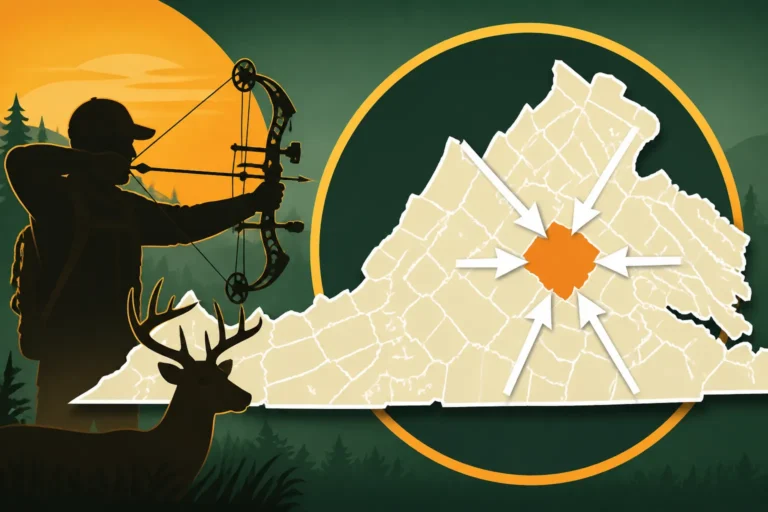
The 25-mile feeding ban is automatically triggered when a CWD-positive deer is detected within a specific area. It's not about a county merely being near a CWD zone; it's about a confirmed case acting as the epicenter. Once a deer tests positive for CWD, the Virginia DWR designates that location as ground zero for a "CWD Management Area" or DMA. From that point, a 25-mile radius is drawn around the exact location where that positive deer was found. This radius becomes the boundary for the feeding ban. It's a scientific, risk-based approach designed to contain the immediate spread from a known infection point.
Identifying Affected Areas and Boundaries
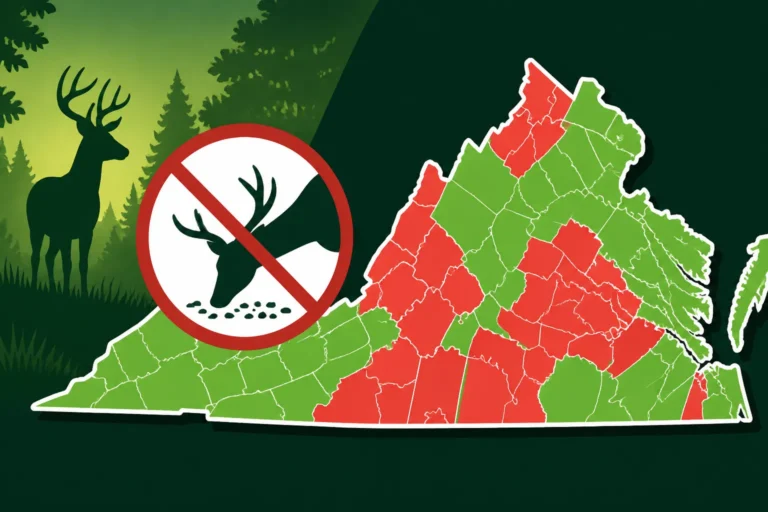
This 25-mile radius often crosses county lines, sometimes even cutting through properties. This makes it really challenging for hunters and landowners to know if they're in a ban zone. The DWR publishes maps and detailed descriptions, but it requires diligent checking on your part. You can't just assume your county is clear because you haven't heard direct news about it. Imagine owning a piece of land in Fauquier County, only to find out part of your property falls within a 25-mile radius triggered by a positive case found miles away in Rappahannock. It's a real scenario, and it demands constant awareness. Tools like the Virginia DWR's online map portal or hunting apps like GoHunt can be invaluable for pinpointing these zones. Checking the Using the Go Outdoors Virginia Map Tool article can help you navigate these resources.
Dynamic Nature of the Ban Zones
The critical thing to remember is that these zones are not permanent. As new CWD detections occur, the DWR will update and expand the 25-mile ban areas. This means a location that was outside a ban zone last year could suddenly be inside one this year. It's a constantly evolving situation based on scientific monitoring and surveillance. For instance, if a new positive deer is found 10 miles outside an existing 25-mile zone, that entire zone will shift and potentially expand to encompass a new 25-mile radius around the newest detection. This dynamic nature means that before every hunting season, and even during, you should be checking for updates. It's not a "set it and forget it" rule, and relying on old information could inadvertently lead to a violation.
What Constitutes "Feeding" in Virginia?
This is often where the most confusion and frustration arise. What exactly does the DWR consider "feeding"? Most hunters understand that dumping a pile of corn is out, but what about food plots, mineral licks, or even just leaving out bird seed? The specifics matter immensely.
Prohibited Attractants and Intent
Virginia's regulations are pretty clear: any substance placed for the purpose of attracting or feeding deer is generally prohibited within a 25-mile feeding ban zone. This includes, but isn't limited to, corn, apples, salt blocks, mineral blocks, protein pellets, and even commercially produced deer "attractants." The key word here is "intent." If your primary purpose for placing the substance is to draw deer in, it's likely illegal. It’s not just about the quantity, but the intention behind it. So, that seemingly innocent handful of corn you toss out near your stand? If you're in a ban zone, that's a no-go. The DWR focuses on preventing the artificial congregation of deer, regardless of how much feed is present. This is a crucial distinction and something that hunters need to internalize if they want to stay on the right side of the law.
Exceptions to the Rule
Thankfully, the DWR isn't trying to halt all human activity in these zones. There are specific, common-sense exceptions to the feeding ban. These generally revolve around normal agricultural practices and incidental feeding. For example, planting a food plot specifically for wildlife, as long as it's a growing crop and not a dumped pile of harvested grain, is typically allowed. This is because food plots don't create the same concentrated feeding behavior as a bait pile. Farmers are also permitted to conduct normal agricultural activities, such as planting crops or leaving harvested fields. Similarly, bird feeders for songbirds, as long as they are reasonably inaccessible to deer, are usually fine. The important thing is that these activities are not primarily for the purpose of feeding or attracting deer, and they don't create an easy-access point for deer to congregate around deposited feed. If you're a landowner thinking about habitat improvements, understanding these nuances is critical. Our guide on Food Plots on Virginia Private Land has more information on this.
The "Baiting" Distinction in Relation to Feeding
It’s important to clarify that "feeding" and "baiting" are related but distinct concepts in Virginia hunting regulations. The 25-mile feeding ban specifically addresses the act of providing supplemental feed to deer to prevent CWD spread, whether or not you intend to hunt over it. Baiting, on the other hand, is the act of placing any natural or manufactured substance to attract game for the purpose of hunting. While the 25-mile rule makes many forms of feeding illegal, it's also true that baiting for deer is already largely prohibited in Virginia, regardless of CWD zones, with specific exceptions like hunting feral hogs on private land. So, even outside a feeding ban zone, you generally cannot hunt over bait. The feeding ban simply adds another layer of prohibition, making the act of feeding itself illegal, which naturally impacts any potential for baiting activities. Essentially, in a ban zone, you can't feed deer, period, which makes hunting over any form of "feed" inherently unlawful.
Practical Implications for Hunters and Landowners
The feeding ban, while necessary, definitely throws a wrench into established routines. For many, it means a complete overhaul of how they manage their land and approach their hunts. It challenges us to be more adaptable and knowledgeable.
Adjusting Hunting Strategies in a Ban Zone
If your hunting grounds fall within a 25-mile feeding ban, your traditional methods might need a serious update. Gone are the days of setting out corn piles to draw deer in. This forces hunters to become much better at scouting, understanding natural food sources, and reading deer sign. You'll need to focus on identifying travel corridors, bedding areas, and natural food sources like acorns, persimmons, and browse. This shift can be tough, but it can also make you a more skilled hunter. It encourages tactics like still-hunting, glassing open areas, or carefully selecting treestand locations along natural funnels. You'll want to pay close attention to articles like Scouting Virginia Public Land Before Season to sharpen these skills. Relying on apps like GoHunt becomes even more important here, as it can help you identify property lines, topography, and even potential natural food sources that you might overlook on the ground.
Land Management and Habitat Enhancement Alternatives
For landowners, the feeding ban means rethinking how to support deer on your property. Instead of putting out feed, the focus shifts to creating and enhancing natural habitat. This can include planting native soft mast and hard mast trees (like oaks and fruit trees), managing timber for diverse forage, or creating browse lines. You might consider prescribed burns to stimulate new growth or planting diverse food plots that provide year-round nutrition without creating single-point congregation areas. These methods often require more long-term planning and effort than simply buying a bag of feed, but they create a healthier, more resilient ecosystem for deer and other wildlife. For more guidance on this, consider exploring resources on Habitat Work on Virginia WMAs – many of the principles apply to private land too.
Consequences of Non-Compliance
Breaking the feeding ban isn't just a minor infraction; it's a legal violation that carries penalties. The DWR takes CWD seriously, and they will enforce these regulations. Consequences can include fines, loss of hunting privileges, and even confiscation of equipment. It's a stark reminder that these aren't suggestions, they're laws designed to protect a valuable public resource. Beyond the legal ramifications, there's the ethical consideration: intentionally feeding deer in a ban zone contributes to the very problem we're trying to solve, potentially accelerating the spread of a deadly disease. It’s crucial for every hunter and landowner to understand and adhere to these rules, not just to avoid penalties, but to be a responsible steward of Virginia's wildlife.
Navigating the Ban: Tools and Resources
With regulations that can shift and expand, staying informed is half the battle. Thankfully, the Virginia DWR and other resources provide excellent tools to help hunters and landowners stay compliant.
Virginia DWR Resources and Updates
The Virginia Department of Wildlife Resources is the primary authority for all hunting regulations, including the 25-mile feeding ban. Their website is the first place you should check for the most up-to-date information. They publish maps, press releases, and detailed explanations of CWD zones and feeding ban boundaries. It's crucial to check these resources regularly, especially before and during hunting seasons, as boundaries can be updated if new CWD cases are confirmed. Don't rely on word-of-mouth or last year's regulations; always go directly to the source. You'll also find information on Virginia CWD Testing for Hunters and Virginia Carcass Movement Restrictions there, which are equally important for responsible hunting in affected areas.
Utilizing Mapping Tools for Zone Awareness
Modern technology makes navigating these complex zones much easier than it used to be. The DWR's online mapping portal is excellent, allowing you to zoom in on specific areas and see current CWD management and feeding ban zones. Beyond state-specific tools, many third-party hunting apps like GoHunt offer overlay layers that show CWD zones, public land boundaries, and private property lines. These apps can be a lifesaver, especially when you're in the field and need to quickly verify your location relative to a ban zone. Imagine being able to pull up your phone and instantly see if that tempting woodlot you're thinking of hunting falls within a restricted area. It takes the guesswork out of it and helps you avoid unintentional violations. For those venturing into new territory, an app like GoHunt can save you a lot of headache. Make sure to consult our guide on Where to Get a Virginia Public Land Map for more mapping options.
Staying Informed as a Responsible Hunter
Being a responsible hunter in Virginia means taking an active role in staying informed. This isn't a one-time check; it's an ongoing commitment. Subscribe to DWR newsletters, follow their social media channels, and make it a habit to check their CWD updates page before heading out. Engage with local hunting clubs or conservation groups, as they often disseminate important information and can help clarify nuances. The health of Virginia's deer herd, and the future of hunting, depends on every individual hunter doing their part. By understanding and adhering to regulations like the 25-mile feeding ban, we contribute to a collective effort to manage CWD and protect our precious wildlife resources for generations to come.
Virginia's Feeding Ban Regulations at a Glance
To help consolidate some of this information, here's a quick reference table. Remember, details can change, so always verify with the Virginia DWR's official resources!
| Regulation Aspect | Description |
|---|---|
| Trigger | CWD-positive deer detection. |
| Zone Definition | A 25-mile radius around the exact location of a confirmed CWD-positive deer. These zones are dynamic and can expand. |
| Prohibited Actions | Placing or depositing any substance (e.g., corn, apples, salt/mineral blocks, protein pellets, commercial attractants) with the intent to attract or feed deer. This applies to all properties (public and private) within the designated zone. |
| Allowed Activities | Normal agricultural practices (e.g., planting crops, leaving harvested fields), food plots (growing crops, not deposited feed), incidental feeding (e.g., bird feeders, if reasonably inaccessible to deer). |
| Enforcement | Virginia Department of Wildlife Resources (DWR). Penalties include fines, loss of hunting privileges, and equipment confiscation. |
| Key Resource | Virginia DWR website (dwr.virginia.gov) for official maps and updates. Third-party mapping apps like GoHunt can provide convenient in-field access to zone boundaries. |
| Purpose | To prevent the artificial congregation of deer, which dramatically increases the risk of CWD transmission between animals and the contamination of the environment with infectious prions. |
| Hunter Impact | Requires adjustment of hunting strategies away from baiting/feeding to focus on natural food sources, scouting, and habitat knowledge. Affects Late-Season Food Sources for Virginia Whitetails choices. |
| Landowner Impact | Shifts focus from supplemental feeding to habitat enhancement, such as planting native forage, timber management, and diverse food plots. |
| Staying Informed | Regular checks of DWR website, signing up for DWR alerts, using mapping apps, and understanding How Many Deer Have Tested CWD-Positive in Virginia impacts local regulations. |
Disclaimer
Please remember that hunting regulations, especially those related to disease management, can change. While I strive to provide accurate and up-to-date information, it is your responsibility as a hunter to consult the official Virginia Department of Wildlife Resources (DWR) regulations annually and regularly check for updates before engaging in any hunting or land management activities. This guide is for informational purposes only and should not be considered legal advice.