Virginia Statewide Archery Opening Day
That crisp morning air, the way the light filters through the still-thick leaves, the sheer anticipation that builds as summer fades into fall – there’s nothing quite like the start of Virginia’s statewide archery season. After months of practice and planning, it's finally here, but for new and seasoned hunters alike, navigating the exact dates, understanding the rules, and preparing effectively can sometimes feel like a puzzle. This comprehensive guide will break down everything you need to know to hit the woods confidently on opening day, ensuring you're ready for whatever the season throws your way.
Unpacking Virginia's Statewide Archery Opener
The excitement leading up to the statewide archery opener in Virginia is palpable. It’s a time when bowhunters across the Commonwealth dust off their gear, practice their shots, and pore over maps, dreaming of that first encounter with a whitetail. But beyond the thrill, understanding the precise timing and any regional variations is absolutely crucial for a successful and legal hunt.
When the Season Typically Begins
Virginia’s statewide archery season for deer generally kicks off in late September. While the exact date can shift slightly year to year based on how the calendar falls, it consistently marks the unofficial start of deer hunting for many. This early opening is a gift, offering hunters a chance to pursue deer before they've faced heavy pressure from muzzleloader and firearms seasons. It also coincides with a period when deer are still largely on summer patterns, often focused on abundant food sources like acorns, soft mast, and agricultural fields.
The Virginia Department of Wildlife Resources (DWR) is the definitive source for these dates. You can always check their official regulations online, or through their Go Outdoors Virginia platform, which is also where you'll handle your licensing. It's a smart habit to consult the DWR website annually, as things can sometimes be adjusted. Remember, there's nothing worse than showing up ready to hunt only to realize you're a day early or that a specific regulation has changed. For more detailed insights into the overall deer season structure, you might want to read our full guide on Virginia Deer Season Structure Explained.
Regional Nuances and Exceptions
While it's called "statewide," Virginia hunting always has its regional quirks, and archery season is no exception. Some counties or specific areas might have unique rules, especially concerning Sunday hunting or in certain urban archery zones. For instance, the general statewide archery season often allows Sunday hunting on private land, but this can vary by county, and public lands typically remain closed on Sundays. Always double-check county-specific regulations, particularly if you're hunting near a town or on a smaller, potentially managed parcel.
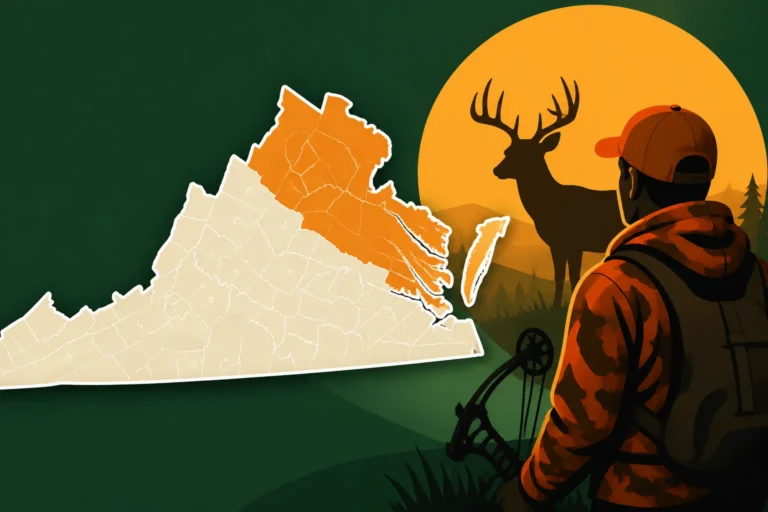
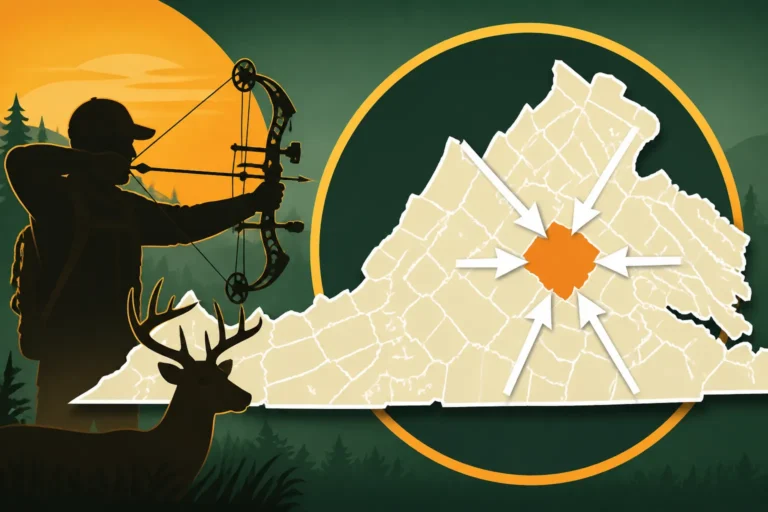
Furthermore, hunters need to be hyper-aware of Virginia’s Chronic Wasting Disease (CWD) Management Areas. These zones, like DMA1 in the Shenandoah Valley, have additional regulations that impact hunting practices, including carcass movement and mandatory testing requirements. If you're hunting in or near counties such as Frederick, Clarke, Shenandoah, Warren, or Augusta, which are often central to these CWD areas, you'll need to understand how these rules affect your hunt. We delve deeper into this critical topic in Virginia's Four Chronic Wasting Disease Areas. Knowing these distinctions upfront ensures you're not only compliant but also contributing to the health of Virginia’s deer herd.
Preparing Your Gear and Mindset for Success
Opening day isn't just about the date; it's about being truly ready when that date arrives. Many a season has been hampered by overlooked details or a lack of preparation. This early season period demands specific attention to your equipment, your scouting, and even your personal approach to the hunt.
Bow and Arrow Tune-Up
Your bow is your primary tool, and it needs to be in perfect working order. Before opening day, ensure your bow is properly tuned, your arrows are flying true, and your broadheads are razor sharp. This isn’t a task to rush the night before. Spend time on the practice range, shooting from various distances and angles you might encounter in the woods. Pay close attention to your broadhead flight – fixed-blade broadheads, especially, can fly differently than field points, and you need to ensure they group accurately with your hunting arrows.
Also, check all your accessories: peep sight alignment, D-loop condition, string wax, and limb bolts. A loose screw or a frayed string can lead to a missed opportunity or, worse, a safety hazard. Consider giving your bow a thorough once-over at a local pro shop if you're not confident doing it yourself. For a comprehensive look at optimizing your setup, check out our guide on Bow and Crossbow Setups for Virginia. Having confidence in your equipment is paramount for ethical and effective bowhunting.
Scouting and Stand Strategy
Early season deer patterns are often dictated by food availability and cooler morning temperatures. Deer are still frequently nocturnal or crepuscular, meaning they move most at dawn and dusk. Your scouting should focus on identifying primary food sources, such as white oak acorns dropping in timber, soft mast like persimmons or muscadines, or standing crops like soybeans and corn. Deer will hit these areas consistently, especially in the first few weeks of the season. Use tools like the GoHunt app or other mapping software to pinpoint these areas on public and private land.
Once you’ve identified key food sources, the next step is locating bedding areas and the travel corridors in between. This is where your stand placement becomes critical. You need to identify a spot that offers a clear shot, good cover for concealment, and, most importantly, a discreet entry and exit route that won't spook deer. Consider factors like prevailing winds and thermals, especially in hilly or mountainous terrain. For instance, knowing how Wind and Thermals on a Blue Ridge Slope affect deer movement can make or break your hunt. Detailed pre-season scouting, as discussed in Scouting Virginia Public Land Before Season, is key to placing your stand where you anticipate deer movement during shooting hours.
Scent Control and Early Season Clothing
Virginia’s September and early October weather can be fickle. Mornings might be cool and damp, giving way to warm, even hot, afternoons. Layering is your best friend. Start with a moisture-wicking base layer to manage sweat, add an insulating mid-layer if temperatures warrant, and top it off with lightweight, breathable outer shell. Don't forget a pack to shed layers as the day warms up. Quiet fabrics are essential for stealthy movement in the woods.
Scent control cannot be overstated, especially when deer aren't yet pressured. A deer's nose is its primary defense. Shower with scent-free soap, wash your hunting clothes in scent-eliminating detergent, and store them in airtight containers. Use scent-eliminating sprays on your boots and gear before heading in. While it’s impossible to be 100% scent-free, minimizing your human odor significantly increases your chances. This is particularly vital in close-quarters bowhunting. For a deeper dive into managing your scent signature, take a look at our article on Scent Control Gear for Urban Archery Hunts.
Navigating Regulations and Ethical Hunting
Virginia's hunting regulations are designed to ensure sustainable wildlife populations and safe hunting practices. Before you ever draw your bow, it's your responsibility to be intimately familiar with these rules, especially those pertaining to licenses, reporting, and specific zone requirements.
Licenses and Big Game Tags
To hunt deer during Virginia’s statewide archery season, you must possess a valid Virginia hunting license, along with a big game license. These licenses are typically purchased for the current license year, which runs from July 1st to June 30th. You can conveniently buy them online through the DWR’s Go Outdoors Virginia portal, or at authorized license agents across the state. Always carry proof of your licenses with you while hunting, whether it’s a physical copy or stored digitally on your phone via the DWR app.
Don't forget the antlerless deer tags! Virginia's deer management strategy often requires hunters to take antlerless deer before they can harvest a second or third antlered buck in some regions. Understanding these requirements, especially if you're hunting in the Eastern or Western regions of the state, is crucial for staying within the bag limits. Our guide on Virginia Hunting Licenses and What They Cost provides a complete overview of the various options and requirements you’ll need to consider before heading afield.
CWD Protocols and Reporting Requirements
As mentioned earlier, Chronic Wasting Disease is a serious concern, and Virginia has specific rules for hunters operating within CWD Management Areas. If you harvest a deer in one of these designated counties, you might be subject to mandatory CWD testing. This usually involves taking the deer’s head to a designated sampling station. Additionally, there are strict rules about moving deer carcasses out of a CWD area to prevent the spread of the disease.
Beyond CWD, all harvested deer in Virginia must be reported to the DWR. This is a non-negotiable step that provides crucial data for wildlife management. You can report your harvest quickly and easily using the Go Outdoors Virginia mobile app, online, or by phone. The deadline for reporting is typically within 24 hours of the kill. Failing to report a harvest is a violation and can result in penalties. To avoid any issues, review Virginia Deer Reporting Requirements and ensure you understand the process. For specific CWD zone requirements, our article on Mandatory Testing Inside a Virginia DMA offers further detail.
Sunday Hunting and Public Land Rules
Sunday hunting is a common point of confusion for many. In Virginia, Sunday hunting for deer (and other game) is generally permitted on private land, but with some specific restrictions. For instance, firearms cannot be discharged within 200 yards of a place of worship, and there are often time limitations. However, on most public lands, including National Forests and Wildlife Management Areas (WMAs), Sunday hunting remains prohibited. Always verify the rules for the specific property you plan to hunt.
When hunting public land, be mindful of additional regulations. This can include rules regarding treestand setup (e.g., no permanent stands, specific dates for stand placement), use of ground blinds, and trail camera policies. For example, knowing the proper Treestand Setups in George Washington National Forest can save you from a fine. Respecting these rules, along with leaving no trace, ensures these valuable public resources remain open and accessible for all hunters.
Here's a quick checklist to help you stay organized for the Virginia Statewide Archery Opening Day:
| Category | Action Items | Key Considerations |
|---|---|---|
| Licenses & Tags | Purchase valid Virginia hunting and big game licenses. | Confirm current license year (July 1 – June 30). Carry proof. |
| Understand antlerless deer tag requirements. | Know regional (East/West) differences and bag limits. | |
| Gear Prep | Tune your bow, ensure accurate broadhead flight. | Check strings, peep, D-loop, and limb bolts. Sharpen broadheads. |
| Assemble appropriate layered clothing for variable weather. | Prioritize moisture-wicking and quiet fabrics. Pack extra layers. | |
| Implement a strict scent control regimen. | Shower, wash clothes, store properly, use sprays. | |
| Scouting | Locate current food sources (acorns, soft mast, crops). | Use GoHunt or DWR maps. Look for fresh sign. |
| Identify bedding areas and travel corridors. | Focus on transition zones. | |
| Plan discreet entry and exit routes to your stand. | Avoid spooking deer. Account for wind and thermals. | |
| Regulations | Verify exact statewide archery opening day dates. | Consult DWR official regulations annually. |
| Check for county-specific rules and CWD Management Area (DMA) requirements. | Be aware of mandatory testing and carcass movement rules in DMAs. | |
| Understand Sunday hunting rules for your specific property (private vs. public). | Most public lands are closed on Sundays. | |
| Post-Harvest | Know the deer reporting procedure. | Use Go Outdoors Virginia app/website/phone within 24 hours. |
Opening day of Virginia’s statewide archery season is more than just a date on the calendar; it's the culmination of preparation, anticipation, and a deep connection to the outdoors. By understanding the regulations, meticulously preparing your gear, and approaching the hunt ethically and strategically, you set yourself up for a truly rewarding experience. Good luck this season, and may your arrows fly straight!
Disclaimer
The information provided in this guide is for general informational purposes only and is not a substitute for the official regulations published by the Virginia Department of Wildlife Resources (DWR). Hunting laws and regulations can change frequently. Hunters are solely responsible for knowing and abiding by all current federal, state, and local hunting laws and regulations. Always consult the most recent DWR regulations prior to engaging in any hunting activities.