Why Rockingham County Joined DMA2 in 2025
It’s always a little unsettling when the rules you’ve grown accustomed to suddenly shift, especially when it comes to something as important as deer hunting regulations. Many of us who hunt Virginia's beautiful Shenandoah Valley have watched with a mix of concern and confusion as Chronic Wasting Disease (CWD) continues to spread, leading to changes like Rockingham County joining DMA2 in 2025. This guide is here to walk you through exactly what CWD is, why these changes are happening, and most importantly, what it means for your hunting plans in Rockingham and surrounding areas.
Understanding Virginia's Chronic Wasting Disease Management Areas
The news about Rockingham County joining DMA2 in 2025 might feel sudden, but it's part of a much larger, ongoing effort by the Virginia Department of Wildlife Resources (DWR) to manage and slow the spread of Chronic Wasting Disease. This isn't just about drawing lines on a map; it's about protecting our deer herd and ensuring the future of hunting in Virginia. For us hunters, understanding the 'why' behind these designations is crucial for navigating the evolving regulations.
What is CWD and How Does it Spread?
Let's start with the basics, because CWD can sound a bit scary, and frankly, it is a serious concern for wildlife managers. Chronic Wasting Disease is a fatal neurological disease affecting cervids, which includes deer, elk, and moose. It's caused by abnormal proteins called prions, which slowly damage the brain and nervous system of infected animals. The frustrating part is that these prions are incredibly hardy; they can persist in the environment for years, making them very difficult to eliminate once established in an area.
When an infected deer drops saliva, urine, or feces, or when it dies, these prions are shed into the soil, plants, and water. Other deer can then pick them up by grazing, drinking, or simply coming into contact with contaminated areas. There’s no cure, no vaccine, and once a deer contracts CWD, it's a slow, inevitable decline. Symptoms include drastic weight loss, stumbling, listlessness, and behavioral changes, often leading to animals that look sickly and emaciated – hence the "wasting" in the name. As hunters, it’s vital to recognize these signs and report any suspect animals to the DWR immediately, because early detection is a key component of management.
The Original DMA System and Its Purpose
To combat CWD, Virginia established what are called Disease Management Areas, or DMAs. These are designated zones where CWD has been detected or is considered a high risk for spread. The idea is to concentrate surveillance, testing, and specific regulations within these areas to monitor the disease and prevent it from jumping to new regions unchecked. You can learn more about the overall structure in our comprehensive guide, "Virginia's Four Chronic Wasting Disease Areas". Initially, Virginia’s CWD issues were primarily focused in the Shenandoah Valley, leading to the establishment of DMA1, which has been in place for a while and covers several counties in that region.
The rules within a DMA are stricter than general statewide hunting regulations, and for good reason. These rules typically involve mandatory CWD testing for harvested deer, restrictions on moving deer carcasses out of the area, and sometimes limitations on feeding deer. The DWR uses these measures to gather critical data on prevalence rates, track the disease’s spread, and minimize human-assisted transport of infected material to uninfected areas. It's a challenging task, and as hunters, our cooperation is the most powerful tool the DWR has to work with.
Rockingham County's History with CWD and the Shift to DMA2
For many years, hunters in Rockingham County have been keenly aware of CWD, given its proximity to the heart of Virginia's initial CWD detections. The deer herd here is robust, and the hunting opportunities are fantastic, but the shadow of CWD has always loomed. The decision to move Rockingham into DMA2 for the 2025 season wasn’t made lightly and reflects the DWR’s evolving understanding of the disease's movement.
Early CWD Detections and Rockingham's Initial Status
Virginia's first CWD positive deer was detected in Frederick County in 2009. From there, the disease slowly but surely expanded its footprint, primarily within the northern Shenandoah Valley. Counties like Frederick, Clarke, and Shenandoah were among the first to see significant CWD activity, leading to their inclusion in DMA1. Rockingham County, while not initially a core part of DMA1, has always been on the DWR's radar due to its geographical location. It sits right on the edge of the expanding CWD front, making it a critical buffer zone.
For years, hunters in Rockingham might have participated in voluntary testing efforts, keenly aware of the situation unfolding just north of them. The DWR has consistently conducted surveillance in surrounding counties, including Rockingham, to monitor for any new cases. These early detections and the continued spread within adjacent areas have provided the data necessary for the DWR to re-evaluate the risk level for counties like Rockingham. It’s a bit like watching a wildfire; even if your property isn’t burning yet, if it’s close enough, you prepare for the possibility of embers jumping the line.
The Rationale Behind the 2025 Reclassification
The decision to include Rockingham County in DMA2 starting in 2025 is a direct response to the documented spread of CWD within the region. While specific numbers for 2025-26 are still being finalized, the DWR doesn't make these changes arbitrarily. They rely on years of surveillance data, including mandatory and voluntary testing results, to identify where the disease is actively present and where the risk of transmission is highest. If you're wondering "Why DMA1 Accounts for Most of Virginia's Cases", it's because it's been the epicenter for the longest.
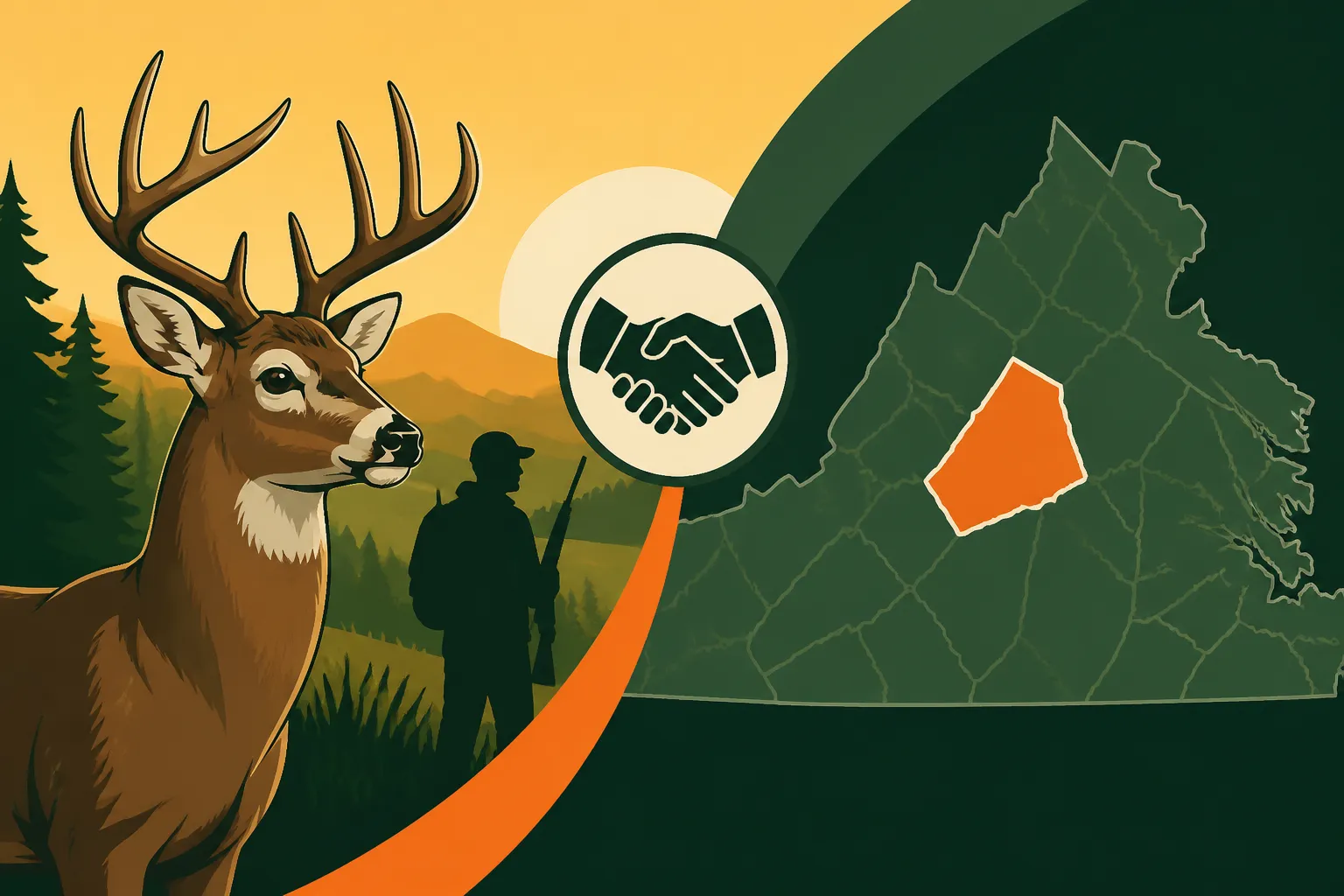
The reclassification of Rockingham County into DMA2 signifies that the DWR has identified CWD positive deer or a significant increase in detections within or immediately adjacent to Rockingham that warrant a more aggressive management approach. It’s not just about a single positive animal; it’s about understanding the localized prevalence and the probability of wider spread. By moving Rockingham into DMA2, the DWR aims to expand the containment efforts, ensuring that hunters in that region are actively participating in surveillance through mandatory testing and are adhering to carcass movement restrictions. This proactive step, though challenging for hunters, is designed to slow the disease's progression and protect the long-term health of Virginia's deer herd, as outlined in the broader "Virginia's Eighteen CWD Counties" discussion. This isn't just a DWR decision, it’s a community-wide effort to keep our deer healthy.
Practical Implications for Hunters in Rockingham County
With Rockingham County now part of DMA2, hunters need to be fully informed about the new rules. This isn't about making hunting harder, but about adapting to a new reality to ensure the longevity of our shared passion. Don't worry, navigating these changes is manageable, especially with the right information and resources.
New Regulations and Mandatory Testing Requirements
The most significant change for hunters in Rockingham County will be the implementation of mandatory CWD testing for harvested deer. No more "optional" drop-offs; if you tag a deer in Rockingham during the 2025 season, it will need to be tested. The DWR will set up various sampling stations, often at public access points, DWR offices, or even partner locations like local butchers or sporting goods stores. Using tools like the GoHunt app or checking the DWR website will be crucial for finding the most up-to-date locations and operating hours.
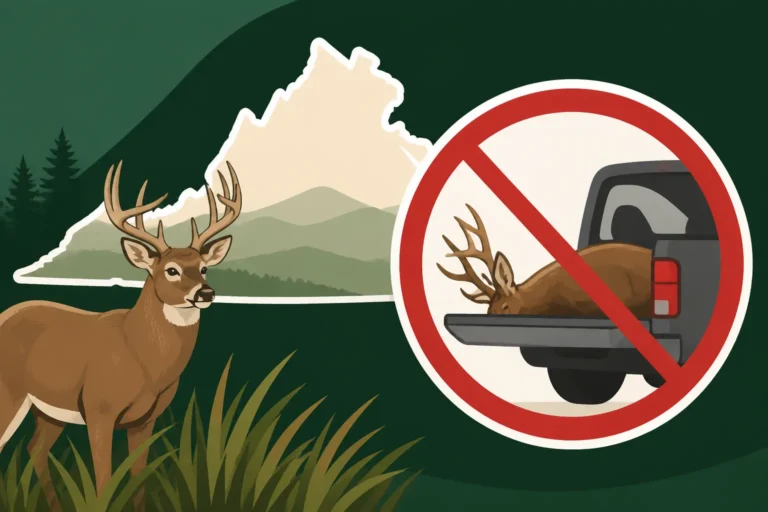
Alongside mandatory testing, you’ll encounter strict carcass movement restrictions. This means you generally cannot transport a whole deer carcass out of DMA2 without taking specific precautions. For example, if you harvest a deer in Rockingham and live outside the DMA, you won't be able to just throw it in the back of your truck and drive it home. Instead, you'll likely need to either process the deer down to deboned meat, quarters, or taxidermy-ready hides/skulls within the DMA, or ensure it goes directly to a licensed taxidermist or butcher also located within a DMA. Understanding these rules is critical, and our guide on "Virginia Carcass Movement Restrictions" provides a lot more detail on the specifics. Failure to comply could result in penalties, and more importantly, inadvertently spread the disease.
Adjusting Hunting Strategies and Carcass Handling
These new regulations will require some adjustments to your hunting routine. For starters, planning your processing strategy before you even head into the woods is now essential. If you typically gut your deer in the field and haul it whole, you might need to rethink that if you’re leaving the DMA. Many hunters in DMAs have adopted the "gutless method" of field dressing, where the deer is deboned and quartered right where it falls. This allows you to remove the skull (if desired for a mount, with brain matter removed) and deboned meat, leaving the high-risk parts of the carcass (brain, spinal cord, spleen, lymph nodes) in the field where the deer was harvested.
When you're out there, really pay attention to the health of the deer you’re seeing. While most CWD-infected deer won't show obvious symptoms, if you observe any deer acting strangely – excessively thin, drooling, or stumbling – it's best not to harvest it. Instead, make note of the location and report it to the DWR. This kind of vigilance is vital. The DWR offers guidance through resources like GoHunt, which can help you understand the nuances of "Mandatory Testing Inside a Virginia DMA" and find local testing sites quickly. Getting familiar with the layout of testing sites and knowing your processing options will make the transition smoother.
Supporting DWR's CWD Management Efforts
Ultimately, the fight against CWD is a collective effort, and hunters are on the front lines. Your cooperation with these new regulations directly contributes to the DWR's ability to manage the disease. Beyond mandatory testing and carcass rules, consider becoming an active participant in wildlife health monitoring. If you harvest a deer outside a mandatory testing zone but still within or near DMA2, consider voluntarily submitting samples for testing. The more data DWR collects, the clearer picture they have of CWD prevalence and spread.
Another way to help is to stay informed. Regularly check the DWR website or your GoHunt app for updates on regulations, CWD detections, and sampling station locations. Avoid feeding deer, as congregation at feeding sites can increase the risk of disease transmission. If you see a deer that appears sick or emaciated, make sure to report it to the DWR using their online reporting tool or by calling your local game warden. Our guide on "Reporting a Sick Animal in Virginia" explains how to do this effectively. By being responsible, informed, and proactive, we can all play a critical role in preserving the health of Virginia's deer herd for future generations.
Here’s a quick overview of key differences in CWD management practices between DMA1 and DMA2:
| Feature | DMA1 (Shenandoah Valley Core) | DMA2 (Expansion Zone, including Rockingham) |
|---|---|---|
| Mandatory Testing | Yes, for all harvested deer | Yes, for all harvested deer |
| Carcass Movement | Strict restrictions out of DMA1 | Strict restrictions out of DMA2 |
| Feeding Ban | Yes, typically year-round | Yes, typically year-round |
| Baiting | Prohibited | Prohibited |
| Special Regulations | May include earn-a-buck or extended seasons | Primarily focused on testing & movement |
| Goal | Containment & disease reduction | Containment & surveillance |
This table highlights that while both DMAs implement significant controls, DMA1 often has even more intensive measures due to its higher and longer-standing CWD prevalence. Rockingham joining DMA2 means it’s adopting the comprehensive approach necessary to manage disease in an area of increasing concern. Always check the current DWR regulations for the specific county and season you plan to hunt to ensure compliance, as these rules can evolve. You can also refer to guides like "Virginia Deer Reporting Requirements" and "Checking a Virginia Deer Harvest Online" for procedural information.
Disclaimer
Please remember that hunting regulations, especially those pertaining to Chronic Wasting Disease, are subject to change. Always consult the most current Virginia Department of Wildlife Resources regulations before planning your hunt. The information provided here is for general guidance and educational purposes only.