Virginia Bear Season Opening Day
It’s a common frustration for Virginia hunters: you’re eagerly anticipating bear season, only to realize that "opening day" isn't a single, universal date you can just mark on your calendar. Depending on your preferred method, whether you hunt east or west of the Blue Ridge, or even which specific county you're in, the start of bear season can vary significantly. This comprehensive guide is here to untangle the complexities, clearly laying out when Virginia's bear season opens across different zones and methods, and what you need to know to be ready.
Navigating Virginia's Varied Bear Season Openers
Virginia's bear season is truly a patchwork quilt of dates, designed to manage localized populations and provide diverse hunting opportunities. It’s not just a statewide free-for-all; the Virginia Department of Wildlife Resources (DWR) carefully crafts these seasons to balance harvest goals with population health, especially as bears expand their range. So, let’s break down when you can actually get out there.
Archery Season Kicks Off the Bear Hunt
For many of us, the first taste of bear season comes with the whisper of the bowstring. Typically, the statewide archery season for black bears opens concurrently with the statewide archery deer season, often falling on the first Saturday in October. This early start offers a fantastic, low-pressure opportunity to pursue bears before the woods get crowded with more hunters and their dogs. Imagine slipping into a stand on a crisp October morning, the leaves just starting to turn, hoping to intercept a bear hitting a productive white oak ridge. This period is often overlooked by bear hunters focused on later seasons, but it can be incredibly fruitful for those who put in their scouting time. Remember that while the archery season is statewide, some urban archery zones have even earlier starts for deer, and sometimes bear harvest is permitted within these specific boundaries, so always double-check your local regulations.
Muzzleloader Season: A Bridge Opportunity
Following the archery season, Virginia often offers a dedicated muzzleloader season, usually a week or two in early November. This brief window provides a unique challenge and a great chance to be in the woods before the general firearms roar truly begins. It's a fantastic bridge for hunters who appreciate the traditional aspects of hunting but might not be ready to commit to archery or prefer the increased range and power of a muzzleloader compared to a bow. The beauty of the muzzleloader season is that it often coincides with prime pre-rut deer activity, meaning you're likely to see more movement from all types of big game. Preparing for this season means not just dialing in your rifle, but understanding the nuances of how a muzzleloader performs in varying temperatures and humidity, which can be critical for accuracy during those chilly November mornings.
General Firearms Season: The Primary Opener
This is often what most hunters picture when they think of "bear season." The general firearms season for bears is split, mirroring the deer seasons, typically with different opening dates for the counties west of the Blue Ridge versus those east of the Blue Ridge.
For counties west of the Blue Ridge, the general firearms bear season often opens a few days before the general firearms deer season, usually in mid-November. This gives bear hunters a dedicated period with slightly less deer hunter interference in the western mountains. It's a critical strategy for the DWR to manage the robust bear populations in the mountainous regions, allowing focused effort before the woods become saturated with deer hunters. This early opening means you need to be dialed in and ready right away, knowing that other hunters will be doing the same. It's not uncommon for bears to be on the move as they fill up on late season mast crops before denning, making this an exciting time.
For counties east of the Blue Ridge, the general firearms bear season typically opens concurrently with the general firearms deer season, which is usually the Saturday before Thanksgiving. This often means higher hunter density, but also bears moving around with other deer activity. Hunters east of the Blue Ridge often rely on still-hunting tactics or organized drives, as the landscape can be more fragmented with private land and smaller woodlots. Knowing when Virginia's General Firearms Deer Season opens is often key to knowing when you can pursue bears in this region. It's a busy time, but bears are often active, especially if food sources like acorns are abundant.
Special Late Season Opportunities and Hound Hunting
Beyond these main openings, there are often specific extended or late bear seasons, especially in certain counties, and for those who enjoy hunting bears with hounds. Bear hound hunting seasons generally have distinct opening and closing dates, usually extending later into the fall and early winter in specific counties where allowed. These seasons are intensely managed and depend heavily on local population dynamics. The DWR may also implement special late-season hunts or specific closures in certain areas to meet harvest quotas or address localized issues like mange. For instance, some counties might have specific regulations that dictate when Hunting Bears With Hounds Where Virginia Allows It can take place. It’s crucial to check the Virginia DWR regulations annually for these specialized season dates, as they can change based on population surveys and management needs.
Understanding Regional Differences and Why They Matter
It can feel confusing with all these different dates and regions, but there's a method to the DWR's madness. These variations aren't arbitrary; they’re carefully planned responses to Virginia’s diverse geography, bear populations, and local ecological factors.
East Versus West of the Blue Ridge: Population Dynamics
Virginia's black bear population has seen incredible growth over the past few decades, but their distribution isn't uniform. The mountainous regions west of the Blue Ridge have historically been the stronghold for bears and still boast the highest densities. Here, vast tracts of national forest land, like the George Washington National Forest and Jefferson National Forest, provide ideal habitat and cover. Because of these higher densities, the DWR often provides earlier or slightly more liberal seasons in the west to help manage the population effectively. The goal is to maintain a healthy bear population that doesn't outgrow its food sources or create excessive human-bear conflicts. This contrasts with the Piedmont and Eastern Virginia, where bears are expanding into more fragmented habitats and closer proximity to human development. While bear numbers are growing rapidly in the east, the DWR often structures seasons to allow for continued expansion while managing local issues. Understanding these population trends helps you grasp why the rules are different and why you might need distinct hunting strategies depending on which side of the Blue Ridge you're on.
Southwest Virginia's Unique Calendar and Mange Impact
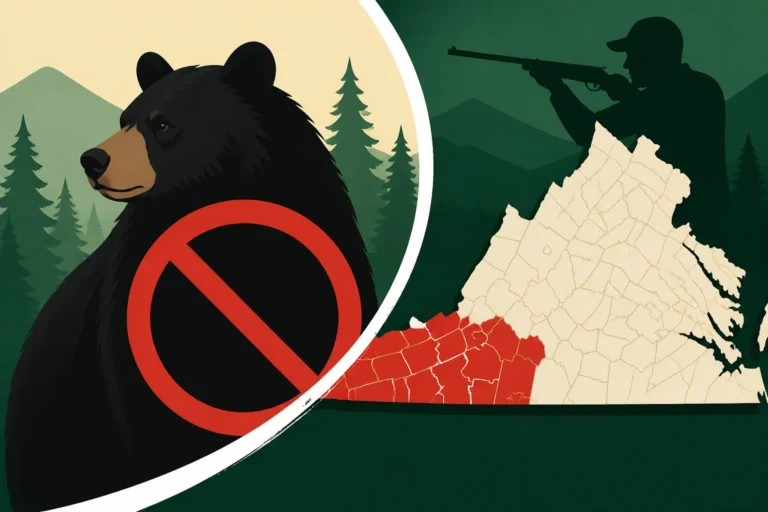
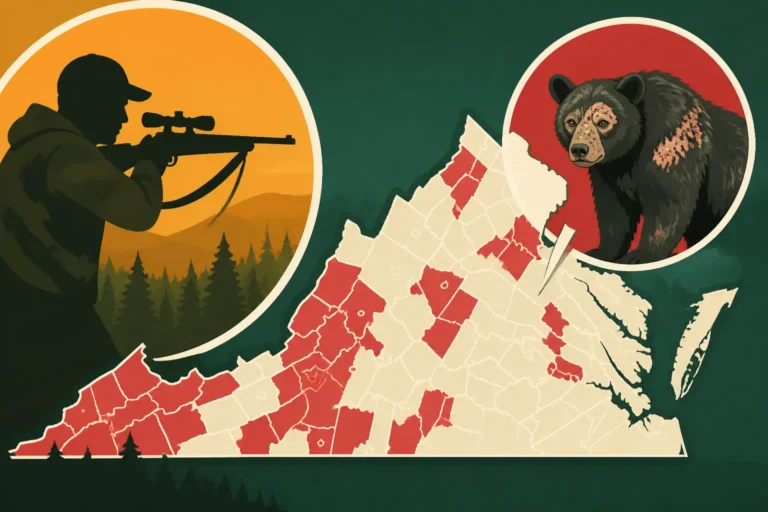
Southwest Virginia often has its own set of unique regulations and season dates for bears, which can sometimes be more restrictive. This is often due to very specific localized population dynamics or, significantly, the impact of diseases like sarcoptic mange. Mange can severely affect bear health and survival, leading to declines in specific populations. When a particular county or region experiences a noticeable impact from mange, the DWR may Adjusting to Reduced Seasons in Mange-Affected Counties by shortening seasons, reducing bag limits, or even implementing closures to allow those bear populations to recover. This proactive management is vital for the long-term health of the bears and ensures future hunting opportunities. If you plan to hunt in counties like Tazewell, Smyth, or Buchanan, which have historically been impacted, always double-check their specific bear season dates. The opening day you've circled might be different or even non-existent in these areas for a given year.
The Role of the DWR in Setting Dates
The Virginia Department of Wildlife Resources (DWR) isn't just pulling dates out of a hat. They employ a team of wildlife biologists who continuously monitor bear populations through various methods, including harvest data, research studies, and public input. They track birth rates, survival rates, and hunter success to model population trends. Each year, the DWR proposes and finalizes the hunting regulations, including bear season dates, based on the most up-to-date scientific information and management objectives. These objectives might include stabilizing populations in some areas, allowing growth in others, or reducing human-bear conflicts. This scientific approach is why regulations can shift from year to year or vary by region. As a responsible hunter, it's our duty to stay informed. A great resource for checking the most current regulations is the DWR's official website or the annual Virginia Hunting & Trapping Regulations Digest. Many hunters also use mapping apps like GoHunt that integrate up-to-date regulation overlays, making it easier to verify rules on the fly.
Preparing for Opening Day: Beyond Just the Date
Knowing the opening day is just the first step. Being truly ready for Virginia bear season means diligent preparation that goes far beyond checking a calendar. Bear hunting is physically demanding, requires keen observation, and demands responsible conduct.
Scouting and Stand Placement Ahead of Time
Long before opening day arrives, your boots should be on the ground. Bears are intelligent and adaptable, and their movements are heavily dictated by food sources. In the early fall, they'll be keying in on soft mast like berries and grapes, transitioning to hard mast like acorns as the season progresses. Scouting involves looking for scat, tracks, claw marks on trees, and well-used trails leading to and from feeding areas. Identifying active feeding areas, especially oak ridges with abundant acorns, is paramount. Bears are often creatures of habit, using the same travel corridors.
When it comes to stand placement, consider access, wind direction, and cover. Bears have an incredible sense of smell, so playing the wind correctly is non-negotiable. Look for natural funnels, saddles, or benches where bears might travel. In the dense cover of the George Washington National Forest, for instance, a well-placed stand overlooking a natural funnel between two hollows can be deadly. Using tools like GoHunt or other mapping apps to mark sign and potential stand locations during your scouting trips will give you a huge advantage when opening day rolls around. Knowing when Scouting Virginia Public Land Before Season is crucial not just for deer, but for bears as well.
Essential Gear and Safety Considerations
Bear hunting demands reliable gear and a strong commitment to safety. For firearms hunters, ensure your rifle is sighted in and capable of ethically taking a bear. Larger calibers like a .30-06, .308, or .270 are popular choices for their stopping power. For archery hunters, ensure your bow is tuned and you're proficient with broadheads. Bears are tough animals, and a precise, ethical shot is critical for a quick recovery. Carry quality binoculars, especially in the vastness of the national forests, to pick apart distant cover.
Safety also means dressing appropriately for the weather, which can vary wildly in Virginia during bear season, from warm early fall days to frigid late-season conditions. Layering is key. Remember the Virginia Blaze Orange Requirements if you're hunting during any firearm deer or bear season, as it's not only the law but a crucial safety measure to make yourself visible to other hunters. Always carry a first-aid kit, a reliable knife, and a way to communicate, especially if you're hunting alone in remote areas.
Regulations, Reporting, and Carcass Movement
Even with the season opener clear, your responsibilities don't end there. All harvested bears in Virginia must be reported to the DWR. This is usually done through the Go Outdoors Virginia app or website, or by phone. Prompt reporting helps the DWR collect vital data for population management. Be aware of carcass movement restrictions, especially if you harvest a bear in a Chronic Wasting Disease (CWD) Management Area (DMA). While bears don't get CWD, you might be transporting your animal through a DMA, and rules exist to prevent the spread of deer carcasses and their parts. For example, if you're hunting near the Shenandoah Valley, you'll want to be familiar with DMA1 Shenandoah Valley Rules.
Preparing for opening day also means having a plan for recovery and processing. Bears are large animals. Have a robust plan for field dressing and extracting the animal, especially in rugged terrain. A good game cart or even a sled can be invaluable. Ensure you have adequate cooler space and ice if temperatures are mild, as bear meat needs to be cooled quickly to preserve quality.
| Season Type | Typical Opening Dates (Varies Annually) | Regions | Key Considerations |
|---|---|---|---|
| Archery | First Saturday in October | Statewide | Low pressure, concurrent with deer, early scouting key |
| Muzzleloader | Early November (e.g., Nov 1-15) | Statewide | Brief window, pre-rut activity, weather-sensitive firearms |
| General Firearms | Mid-November (e.g., Nov 11) | West of Blue Ridge | Dedicated bear focus, often before general deer opener |
| General Firearms | Saturday before Thanksgiving | East of Blue Ridge | Concurrent with deer, higher hunter density |
| Hound Seasons | Late October/Early November – January | Specific counties (check DWR regs) | Specialized method, often later in season |
Always double-check the current Virginia DWR Hunting & Trapping Regulations for the precise opening and closing dates for your specific county and preferred hunting method. These dates can and do change based on wildlife management needs.
Disclaimer
Please note: Hunting regulations are subject to change. Always consult the most current Virginia Department of Wildlife Resources (DWR) Hunting & Trapping Regulations before planning any hunting trip. This guide provides general information and should not be considered a substitute for official DWR regulations.