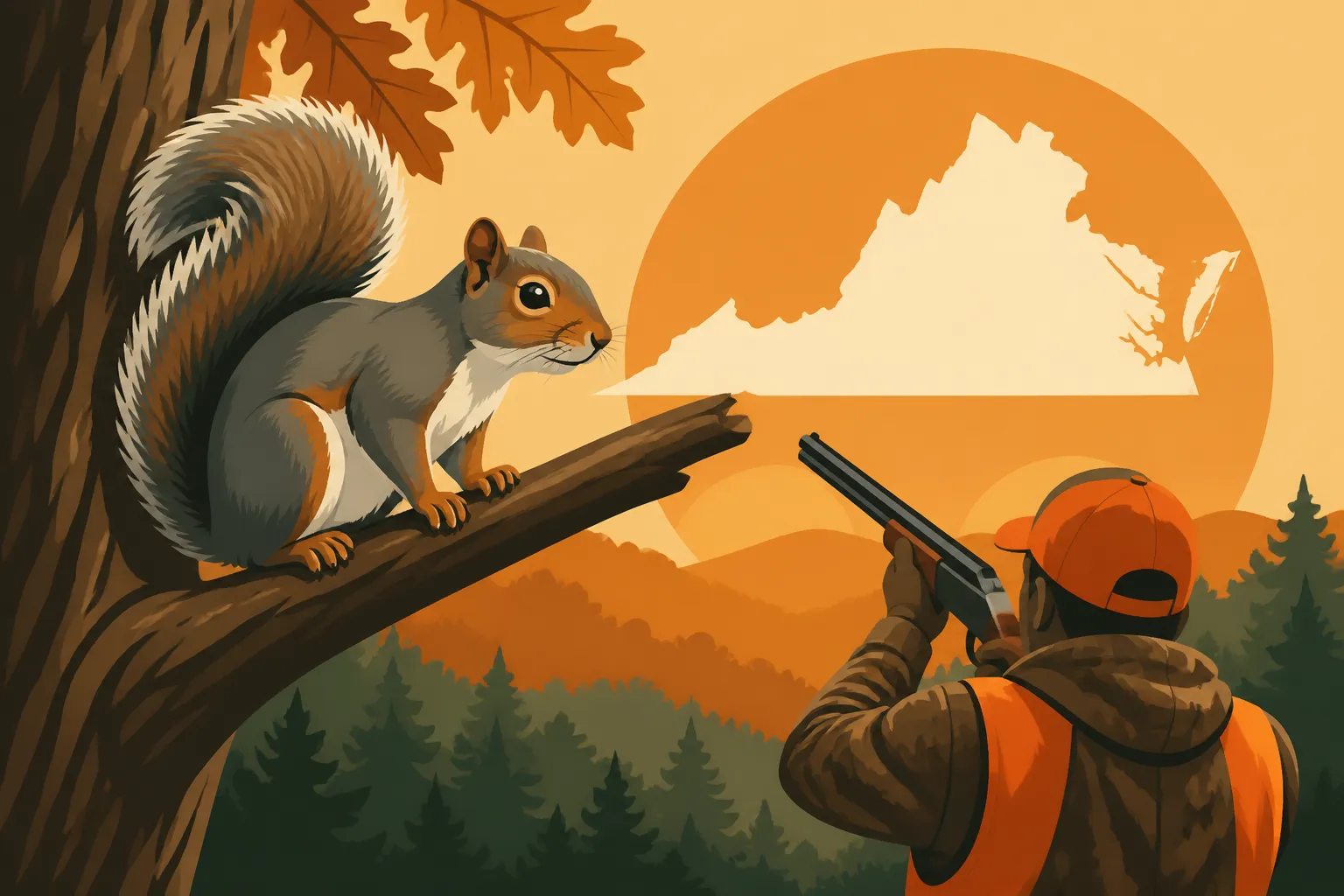
Virginia Squirrel Season Opening Day
Ah, there's nothing quite like the thought of those first cool breezes of autumn, signaling the approach of hunting season. For many of us, especially those with younger hunters in the family or simply looking for a relaxed day in the woods, the Virginia squirrel season opening day is a much-anticipated event. But let's be honest, trying to keep track of all the various season dates and regulations can sometimes feel like trying to nail down a squirrel with a slingshot—frustrating and a bit confusing! This guide is here to clear up all that uncertainty, ensuring you know exactly when the season opens and how to make the most of those early fall hunts for bushytails.
Understanding Virginia's Squirrel Season Structure
Virginia offers fantastic opportunities for small game hunters, and squirrels are often the perfect gateway into the sport or a cherished tradition for seasoned outdoors folks. It's an accessible hunt that gets you out in nature, sharpens your tracking skills, and offers some mighty fine table fare. Knowing the specific season structure is your first step to a successful outing.
General Statewide Dates
For the vast majority of Virginia, the gray squirrel (and fox squirrel, where found) season traditionally kicks off on the first Saturday in September. This timing is generally consistent across most of the state, making it relatively straightforward for hunters to mark their calendars. This early start capitalizes on the still-green canopy, which can make squirrels a bit harder to spot, but also means cooler temperatures than the peak summer and usually a good supply of early mast crops. The season then typically runs continuously until the end of February. That's a long, generous season, allowing plenty of time to enjoy the woods throughout various weather conditions and foliage changes. It's always a good idea to confirm these dates directly with the Virginia Department of Wildlife Resources (DWR) regulations guide, which you can usually find on their website or through a reliable app like GoHunt.
Here's a quick look at the typical Virginia squirrel season framework:
| Species | Season Start Date (Typical) | Season End Date (Typical) | Daily Bag Limit (Statewide) |
|---|---|---|---|
| Gray Squirrel | First Saturday in September | End of February | 6 |
| Fox Squirrel | First Saturday in September | End of February | 6 |
It's worth noting that the bag limit of six squirrels per day is quite liberal, providing ample opportunity to fill a cooler for a delicious squirrel stew or fry.
Regional Variations and Exceptions
While the "first Saturday in September" rule applies broadly, it’s Virginia, and with our diverse landscapes from the mountains to the coast, there are always nuances. It's crucial for hunters to be aware of any specific county or regional exceptions that might apply to other species or general hunting rules, even if squirrel season itself is statewide. For instance, specific wildlife management areas (WMAs) or federal lands like the George Washington and Jefferson National Forests might have their own particular access rules or special regulations, such as sign-in requirements or restrictions on certain activities.
One important consideration, especially as other seasons open up, is the overlap with deer season. While you can hunt squirrels during the firearms deer season, hunters are required to wear blaze orange or blaze pink when hunting small game during any open firearms deer season, unless they are hunting migratory game birds or raccoons/opossums at night. This is a critical safety measure that many small game hunters, especially those focused solely on squirrels, sometimes overlook. Always double-check your county's specific regulations for overlapping seasons. You can find more detailed information on general small game rules in Virginia Small Game Season Rules.
Preparing for Opening Day Success
Opening day for squirrel season is less about beating a crowd and more about enjoying the natural rhythm of the woods. Still, a little preparation goes a long way toward making it a truly rewarding experience.
Essential Gear and Clothing
You don't need a truckload of specialized equipment to hunt squirrels, which is part of their appeal. A reliable .22 caliber rifle or a small gauge shotgun (like a .410 or 20 gauge) is perfect. A .22 provides a quiet, challenging hunt and is often preferred for headshots to preserve meat, while a shotgun offers a bit more margin for error on fast-moving targets. For ammunition, standard .22 LR rounds or #6 shot for shotguns are typically all you need.
Beyond your firearm, consider these essentials:
- Binoculars: Even an inexpensive pair can help you spot those camouflaged squirrels high in the canopy before they spot you.
- Game Bag or Vest: Something comfortable to carry your harvest in, keeping your hands free. A good backpack, like those mentioned in Packs for a Jefferson Forest Day Hunt, can also do double duty.
- Comfortable Boots: You'll be doing a lot of walking and standing. Waterproof, comfortable boots are a must, especially if you're navigating the damp leaf litter of a bottomland or stream edge. Consider the type of terrain you'll be in; Boots for Virginia Swamps and Ridges offers great insights.
- Appropriate Clothing: Dress in layers. Early September mornings can be cool, but midday temperatures can soar. Camouflage isn't strictly necessary but helps, especially if you're trying to sneak up on them. Remember the blaze orange/pink rule if other firearms seasons are open!
- Water and Snacks: Hydration is key, and a little pick-me-up can boost your energy for an extended stalk.
- Knife: For field dressing, if you choose to do so in the field.
Scouting and Location Strategy
Squirrels are highly dependent on food sources. For opening day, your best bet is to focus on areas with mature hardwood trees, especially those producing mast. Oak and hickory trees are prime locations. Look for freshly cut nutshells on logs, stumps, or along trails – these are tell-tale signs of recent squirrel activity, and a great way to start Reading Cuttings Under an Oak.
Consider these locations:
- Oak Ridges: These are classic squirrel hotspots, especially if the acorn crop is good. Squirrels will be active, foraging on the ground and in the branches.
- Hickory Bottoms: Look for shagbark and pignut hickories. Their nuts are a favorite, and the unique bark of shagbark hickories can offer good camouflage for sitting still.
- Wooded Stream Banks or Hollows: These areas often hold a mix of tree species, providing varied food sources and often denser cover, making squirrels feel secure.
- Forest Edges: The interface between a dense woodlot and a field can be very productive, as squirrels venture out to forage for dropped seeds or corn.
Before opening day, take a walk through potential areas. It’s a form of Scouting Virginia Public Land Before Season that is often overlooked for small game but can make a huge difference. Look for signs of squirrel feeding and travel patterns. While it's tempting to think squirrels are everywhere, finding those active feeding zones will concentrate your efforts. The Virginia DWR website and their Go Outdoors Virginia map tool can be invaluable for finding public lands in your area.
Rules and Regulations to Remember
Hunting regulations are in place to ensure fair chase, promote safety, and manage wildlife populations responsibly. Staying on the right side of the law means a worry-free hunt.
Bag Limits and Legal Shooting Hours
As mentioned, the daily bag limit for gray and fox squirrels in Virginia is six per day. This is a combined limit, meaning you can harvest any combination of species up to six total. There are no possession limits for squirrels.
Legal shooting hours for small game in Virginia typically begin one-half hour before sunrise and extend until one-half hour after sunset. This generous window allows for both early morning and late afternoon hunts, which are often the most productive times as squirrels are most active during these periods. Always check a reliable sunrise/sunset table for your specific location on the day of your hunt.
Licensing Requirements and Hunter Education
To hunt squirrels in Virginia, you'll need a valid Virginia hunting license. For residents, this usually means a basic resident hunting license, often supplemented with a big game license if you plan to hunt deer or bear during other seasons. Non-residents will need the appropriate non-resident hunting license. You can easily purchase these licenses online through the Virginia DWR Go Outdoors portal. Having your license readily available, either as a physical copy or on your phone via the Go Outdoors Virginia app, is essential. For more details on what you need, check out Virginia Hunting Licenses and What They Cost and Virginia Resident Hunting License Options.
Furthermore, if you were born on or after July 1, 1960, you must have successfully completed an approved hunter education course to purchase a hunting license in Virginia. This requirement is vital for safety and ethical hunting practices. There are exceptions for apprentice hunters, but generally, hunter education is a must. If you're new to hunting or bringing someone along who hasn't completed it, look into Virginia Hunter Education Requirements.
Common Challenges and Solutions on Opening Day
Even with all your preparation, opening day can throw a few curveballs your way. Being ready for them can turn a potentially frustrating experience into a memorable one.
Dealing with Hunting Pressure
While squirrel season generally doesn't see the same kind of pressure as deer or turkey openers, popular public lands can still have their share of hunters, especially on that first Saturday in September. If you find your planned spot already occupied or hear more shooting than you'd like, don't despair!
- Go Deeper: Many hunters stick close to roads or easily accessible trails. If you're willing to hike a bit further into public land, you'll often find less competition. This is where a good map (like one on the GoHunt app) and the ability to navigate off-trail come in handy.
- Hunt Mid-Week: If possible, consider hunting a weekday after opening day. The pressure almost always drops significantly, and squirrels will have settled back into their routine.
- Change Tactics: If squirrels are heavily pressured, they might become more skittish and stay higher in the trees. Instead of still-hunting, try finding a good spot to sit quietly for an extended period, allowing the woods to calm down around you.
- Utilize Smaller Tracts: Don't overlook smaller, overlooked woodlots on public land or even small private tracts if you have Getting Private Land Permission in Virginia. Sometimes the best hunting is found where others don't bother to look.
Weather Adaptations
Early September weather in Virginia can be wonderfully mild, but it can also be surprisingly hot and humid, or prone to sudden afternoon thunderstorms.
- Hot Weather: If it's warm, squirrels tend to be most active in the early morning and late afternoon, retreating to their dens or shady spots during the hottest parts of the day. Plan your hunt accordingly. Dress in light, breathable layers, and bring plenty of water.
- Rainy Weather: Light rain often means squirrels will stay tucked away, but as soon as it clears up, they can become incredibly active, shaking water from their fur and foraging with renewed vigor. A good set of rain gear can allow you to be in position when this happens. Be mindful of wet leaves making tracking more difficult and your approach noisier.
- Windy Conditions: High winds can make squirrel hunting challenging. The constant movement of branches makes spotting difficult, and the wind itself can make squirrels nervous. On very windy days, focus on protected hollows or the leeward side of ridges where the wind is less intense. Also, the noise of the wind can cover your approach, allowing you to get closer.
Ultimately, opening day of Virginia's squirrel season is a fantastic opportunity to kick off your fall hunting adventures. With the right preparation, knowledge of the regulations, and a flexible approach, you're well on your way to a memorable and successful hunt.
Disclaimer
Please note that hunting regulations, season dates, and bag limits are subject to change. Always consult the most current official Virginia Department of Wildlife Resources (DWR) regulations manual or their website before heading afield. This guide is for informational purposes only and does not supersede official DWR publications.