Virginia Waterfowl Zones and Seasons
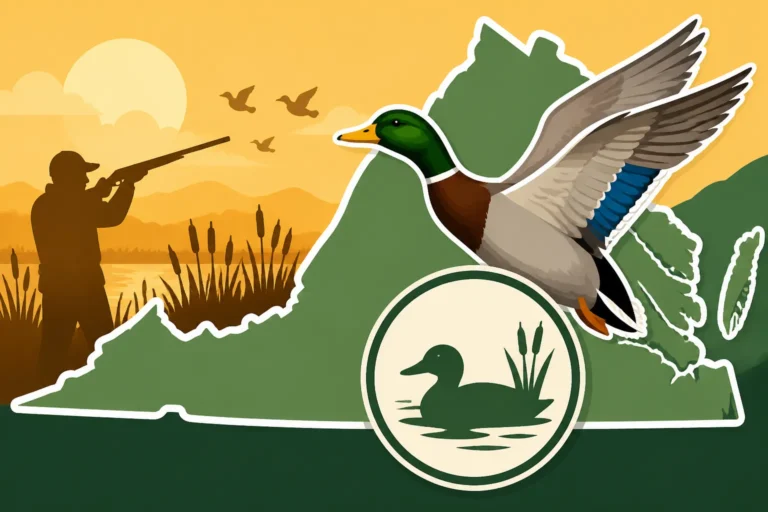
The crack of dawn over a mist-shrouded marsh, the distant gabble of geese, the frantic whistle of wings overhead – these are the moments that draw Virginia waterfowlers to the blind. But before you can experience that magic, you need to navigate the often-confusing maze of waterfowl zones and season dates. It's a critical, yet frequently frustrating, part of planning your hunt, and this guide is here to break down every detail, ensuring you're legal, prepared, and ready to make the most of your time afield.
Understanding Virginia's Waterfowl Hunting Zones
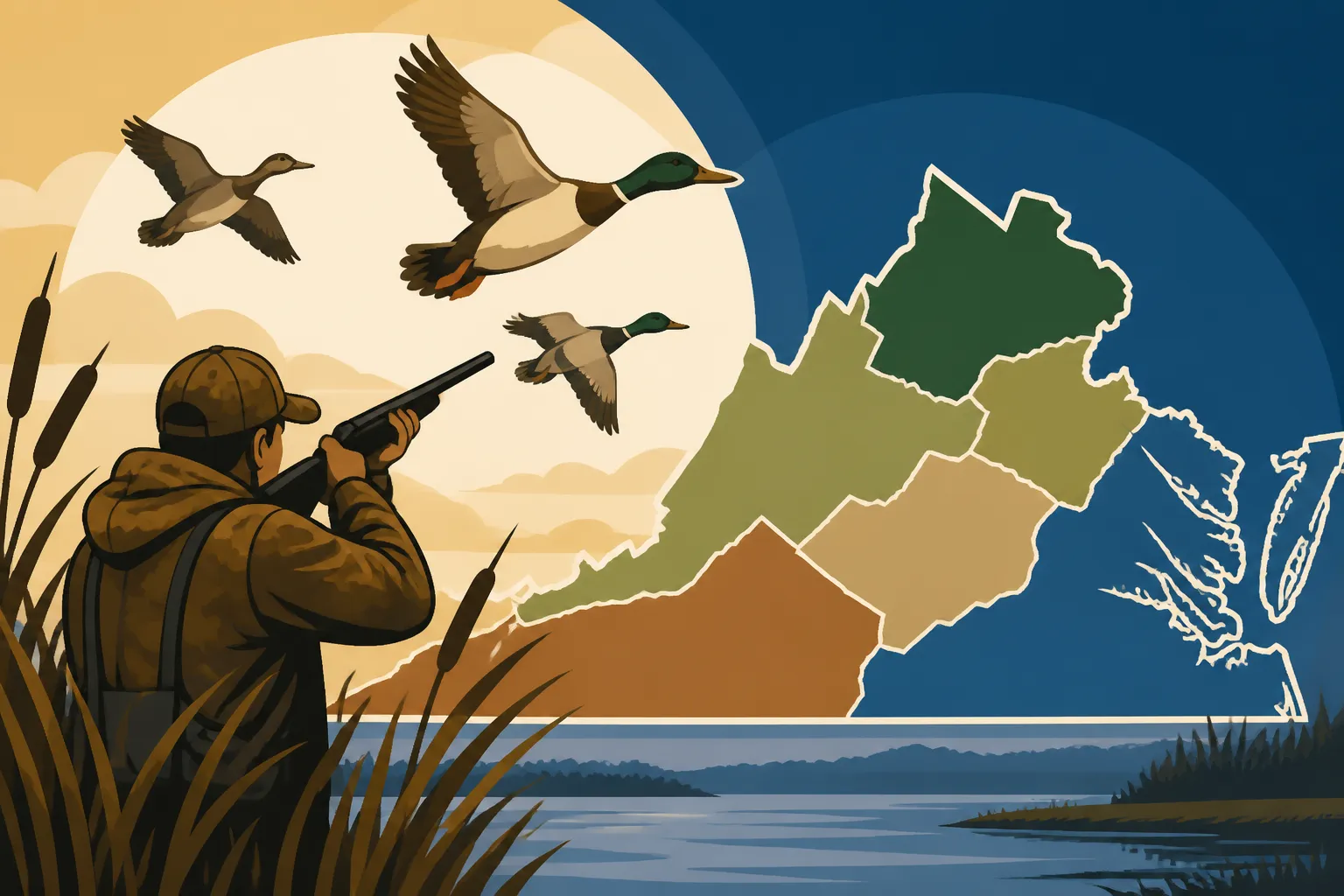
Virginia, with its vast coastline, expansive river systems, and productive agricultural lands, offers a diverse array of waterfowl hunting experiences. To manage these different habitats and migratory patterns effectively, the Virginia Department of Wildlife Resources (DWR) divides the state into specific hunting zones. Ignoring these boundaries can lead to costly violations, so a solid understanding of where you are and what that means for your season dates and bag limits is paramount.
The Atlantic Population Canada Goose Zone
If you're targeting migratory Canada geese that breed in the northern reaches of the Atlantic Flyway, this zone is your primary focus. The Atlantic Population Canada Goose Zone covers a significant portion of eastern Virginia, primarily east of U.S. Route 17 and south of U.S. Route 13. This includes much of the Chesapeake Bay shoreline, the Eastern Shore, and the major river systems flowing into the Bay, such as the James, York, and Rappahannock. The rationale behind this specific zone is to manage the harvest of a distinct population of geese that, while recovered, still requires careful monitoring to ensure long-term sustainability.
Hunting in this zone often involves setting up large decoy spreads in agricultural fields where geese feed, or utilizing blinds along tidal creeks and rivers where they loaf and roost. The timing of the season here is carefully set to coincide with the arrival of these northern migrants, which can vary year to year depending on weather patterns further north. Hunters need to stay vigilant about identifying their birds, as resident Canada geese also inhabit this area, but their seasons are managed separately. Knowing these distinct zones and their specific rules can be easily cross-referenced with tools like GoHunt, which often integrates DWR regulations into its mapping features, helping you confirm you're in the right place.
The James River Late Canada Goose Zone
A unique and highly anticipated opportunity for goose hunters is the James River Late Canada Goose Zone. This specific zone is centered around the lower James River, encompassing parts of the cities of Newport News, Hampton, and Isle of Wight, Surry, and Charles City counties, among others. What makes this zone special is its extended late-season dates, often stretching into February, long after other goose seasons have closed. This allows hunters to pursue Canada geese that winter exclusively on this stretch of the James River and its surrounding environs.
The regulatory reason for this late season is based on surveys that show a concentration of resident-type Canada geese that are not part of the migratory Atlantic Population. These birds primarily utilize the abundant food sources and protected waters of the lower James. Hunting in this zone typically involves boat blinds on the river, or field hunting near the river's edges. The geese here can be extremely wary due to prolonged pressure, demanding excellent calling, meticulous decoy spreads, and superior concealment. It's a challenging but rewarding hunt for those willing to brave the late-winter cold and often fickle weather.
Virginia's Duck Hunting Zones: Coastal and Inland
Virginia also delineates specific zones for duck hunting, primarily to account for the differing migratory patterns and habitat availability between the coastal plain and the inland regions. While the DWR sometimes refers to these as "East of I-95" and "West of I-95" for simplicity, the actual line is often more nuanced, following specific roadways and geographical features. The Coastal Zone generally covers the tidewater regions, the Eastern Shore, and areas east of Interstate 95, where large marshes, tidal creeks, and the open waters of the Chesapeake Bay dominate the landscape. The Inland Zone encompasses everything west of this line, characterized by smaller rivers, beaver ponds, impoundments, and agricultural fields.
The differences in these zones are crucial for hunters. In the Coastal Zone, you'll find a higher concentration of diving ducks, sea ducks, and dabblers that prefer brackish or saltwater environments. Hunting often requires boats, sturdy waders, and an understanding of tidal influences. For those who enjoy Hunting Chesapeake Bay Diving Ducks, this is your prime territory. The Inland Zone, conversely, typically sees more dabbling ducks like mallards, wood ducks, and green-winged teal, drawn to freshwater sources and flooded timber. Strategies here might involve Jump-Shooting Virginia Creeks for Wood Ducks or setting up in smaller, more intimate water bodies. Understanding which zone you are in directly impacts the species you're likely to encounter and the tactics that will be most effective.
Deciphering Duck Seasons and Bag Limits
Once you've wrapped your head around the zones, the next step is to understand the specific season dates and the ever-important bag limits. These regulations are designed to manage harvest sustainably and can change slightly from year to year based on federal frameworks set by the U.S. Fish and Wildlife Service, in conjunction with the Atlantic Flyway Council. Always double-check the current year's DWR regulations before heading out.
Early Duck Season (Teal and Wood Ducks)
Virginia often kicks off its duck season with early opportunities for specific species, most notably teal and wood ducks. The early teal season, usually in mid-September, is a short, fast-paced affair designed to target resident and early migrating teal (blue-winged, green-winged, and cinnamon, though the latter are rare in Virginia) before the main duck migrations begin. This season is often characterized by warm weather, requiring hunters to focus on small ponds, flooded timber, and shallow marsh areas where teal feed heavily on aquatic vegetation. The daily bag limit for teal during this period is typically quite generous, making for some exciting, action-packed hunts.
Following or sometimes overlapping with the early teal season, Virginia might offer an early wood duck season in specific areas. Wood ducks are early migrants and often congregate in flooded timber, beaver ponds, and slow-moving creeks. These hunts are beautiful, often taking place in pre-dawn light as woodies rocket through the trees. Hunters must be diligent in identifying their birds, as other duck species may be present but are not legal to harvest during these specialized early seasons. Success during these early periods often hinges on extensive scouting to pinpoint active feeding and resting areas, as the birds haven't been pressured much and are still establishing their early-fall patterns.
Mid-Season Duck Hunting
The heart of Virginia's duck season typically spans from late October or early November through early January, often with a split in between. This is when the main push of migratory ducks arrives, bringing a wider variety of species and often more consistent hunting. During this period, you'll encounter a mix of dabbling ducks like mallards, gadwall, wigeon, and shovelers, as well as an increasing number of diving ducks in suitable habitats. The general daily bag limit for ducks is a collective number, but it also has species-specific restrictions. For example, you might be allowed six ducks total, but only two mallard hens, two canvasbacks, or one pintail within that total. These specific limits are crucial to learn to avoid violations.
Weather plays a significant role in mid-season hunting. Cooler temperatures and stronger winds can push birds further south, leading to new influxes of ducks. Hunters often find themselves adapting their strategies from small, intimate settings to larger, more open water scenarios. Decoy spreads might grow, and blind types could shift from natural cover to boat blinds or pop-up blinds on field edges. This is prime time for hunters who pursue Mallards and Divers on the Chesapeake Bay, taking advantage of varied conditions as the season progresses.
Late-Season Duck Hunting Challenges and Rewards
As the calendar turns to January, Virginia's duck season often enters its late, and sometimes final, split. This period is marked by the coldest weather, often including freezing temperatures, ice, and even snow. While challenging, late season can be incredibly rewarding. Many ducks have arrived from further north, pushed down by severe weather, and they are focused on finding open water and abundant food sources. This can lead to concentrations of birds that weren't present earlier in the year.
Species focus shifts slightly, with more hardy divers like canvasbacks, redheads, and scaup (bluebills) becoming prevalent in the coastal areas, and large numbers of mallards and black ducks seeking refuge in ice-free pockets of water or feeding heavily in harvested cornfields. Tactics must adapt to the conditions: breaking ice to create open water for decoys, using larger, more visible spreads, and focusing on major food sources. Hunters also need to prioritize personal safety against hypothermia and cold-water immersion. While hunter pressure can be high in popular areas, persistent hunters willing to brave the elements often find some of the most memorable hunts of the year.
Navigating Goose Seasons and Bag Limits
Geese, with their larger size and often more predictable feeding patterns, offer a different kind of waterfowl hunting challenge and reward in Virginia. Like ducks, geese are managed through specific zones and seasons, primarily distinguishing between the numerous resident Canada geese and the highly managed Atlantic Population of migratory Canada geese, plus opportunities for snow geese and brant.
Resident Canada Goose Seasons
Virginia is home to a robust population of resident Canada geese, birds that do not migrate north to breed but rather nest and raise their young within the state. These geese have become very numerous in many areas, particularly around agricultural fields, suburban ponds, and golf courses. To manage this population, the DWR offers liberal early goose seasons, often in September, before the migratory birds arrive. These seasons typically have high daily bag limits, sometimes as many as 15 geese, making them an excellent opportunity to fill the freezer.
Hunting resident geese often involves scouting agricultural fields, particularly those with corn or soybeans, where geese are actively feeding. Decoy spreads can range from a few dozen full-body decoys to massive spreads of hundreds, depending on the field size and number of birds. Electronic calls and unplugged shotguns are generally not permitted for Canada geese (unless specific light goose conservation orders are active), so skillful mouth calling and careful concealment are key. For hunters interested in Early Goose Season Tactics in Virginia, this period offers fantastic opportunities before the larger, more cautious migratory birds descend.
Atlantic Population Migratory Goose Seasons
The Atlantic Population (AP) of Canada geese is a distinct population that breeds in northern Quebec and migrates down the Atlantic Flyway, with a significant number wintering in Virginia. Their season dates and bag limits are much more conservative than those for resident geese due to ongoing management efforts to maintain their numbers. As mentioned, these seasons occur within the designated Atlantic Population Canada Goose Zone.
Hunting AP geese requires a keen understanding of their movements and habits. These birds are often wary, having been hunted throughout their migration route. Setting up in freshly harvested fields, scouting for their flight lines, and employing realistic decoy spreads are all vital. When the weather turns nasty, pushing birds off open water and into fields, the hunting can be exceptional. Staying flexible and observant, and utilizing resources like the DWR's annual waterfowl report, helps hunters understand Virginia Waterfowl Migration Timing for these birds. Always check the specific daily and season bag limits for AP geese, as they are typically much lower than for resident birds. Remember, accurate identification is crucial to avoid mistakenly harvesting an AP goose outside of its legal season or exceeding its specific bag limit.
Snow, Ross's, and Brant Goose Opportunities
Beyond Canada geese, Virginia offers hunting opportunities for other goose species, most notably snow geese, Ross's geese, and brant. Snow geese and Ross's geese (often collectively referred to as "light geese") arrive in huge numbers, primarily along the coastal plain and Eastern Shore. Their populations are so abundant that the DWR often implements a "Light Goose Conservation Order" after the regular seasons, allowing for extended hunting hours, electronic calls, and unplugged shotguns with very generous or even unlimited bag limits. This conservation order is designed to help reduce their population and mitigate their significant agricultural damage and habitat destruction.
Hunting light geese is a high-volume, gear-intensive endeavor, often requiring massive decoy spreads (hundreds, sometimes thousands, of white rags or full-body decoys) and specialized calling techniques to simulate a large feeding flock. It's an experience unlike any other in waterfowl hunting. Brant, on the other hand, are a smaller, marine-dwelling goose found almost exclusively in saltwater environments, primarily along the Chesapeake Bay and the Eastern Shore. Their season is much shorter and more restrictive, reflecting their unique habitat and population status. Hunting brant typically involves boat blinds, shallow-water decoy spreads, and targeting bay grasses, their primary food source. For hunters, knowing these distinctions is essential for a legal and successful hunt, and all specific bag limits can be found in the DWR’s annual waterfowl regulations, or sometimes quickly via a GoHunt app check.
Essential Waterfowl Hunting Permits and Licenses
Before you even think about setting out your first decoy, you need to ensure you have all the necessary permits and licenses. Waterfowl hunting is unique in that it requires both federal and state-level documentation, reflecting the migratory nature of the birds and the shared management responsibilities between federal and state agencies.
Federal and State Duck Stamps
The cornerstone of waterfowl hunting legality and conservation in the United States is the Federal Migratory Bird Hunting and Conservation Stamp, commonly known as the Federal Duck Stamp. Every waterfowl hunter 16 years of age or older must purchase and carry a current Federal Duck Stamp, signed across the face, to legally hunt ducks, geese, and other migratory game birds. This stamp is more than just a permit; it's a vital conservation tool, with 98% of the proceeds going directly to conserving wetlands and purchasing habitat for the National Wildlife Refuge System. This effectively means that by buying a stamp, you are contributing directly to the lands where these birds thrive. You can purchase these stamps at post offices, sporting goods stores, or online through the U.S. Fish and Wildlife Service.
In addition to the federal stamp, Virginia requires all waterfowl hunters 16 years of age or older to possess a Virginia Migratory Waterfowl Conservation Stamp. This state-specific stamp works in conjunction with the federal stamp and contributes to Virginia's own waterfowl management and habitat conservation programs. You can purchase the Virginia stamp through the Virginia DWR's Go Outdoors Virginia platform, along with your other state licenses. The DWR even issues an electronic version that serves as proof of purchase while you wait for the physical stamp to arrive, but it's crucial to always carry the physical, signed stamp or the electronic proof when hunting. Understanding Virginia Federal Duck Stamp Requirement is non-negotiable for any waterfowl enthusiast.
Virginia Hunting Licenses and HIP Certification
Beyond the duck stamps, every hunter needs a basic Virginia hunting license. For residents, this typically means a Resident Hunting License, and for non-residents, a Nonresident Hunting License. There are various options, including annual and multi-year licenses, and sometimes specific "all-inclusive" packages. It's important to understand Virginia Hunting Licenses and What They Cost and choose the one that best suits your hunting plans for the year. Additionally, if you plan to hunt on designated public lands such as Virginia's Wildlife Management Areas, you might also need a Public Land Access Permit, often purchased as an add-on to your base license.
Crucially, anyone hunting migratory game birds in Virginia, regardless of age, must also be certified in the Harvest Information Program (HIP). This is a federal requirement administered by the states. When you purchase your hunting license or migratory bird permits, you'll be asked a series of questions about your previous year's migratory bird hunting success. This information is vital for the U.S. Fish and Wildlife Service to conduct annual harvest surveys and set future hunting regulations. There's usually no extra charge for HIP certification, but it's absolutely mandatory. Ignoring Virginia HIP Certification for Bird Hunters is an easily avoidable mistake that can result in a violation.
Special Permits for WMAs and Refuges
While a general hunting license and stamps cover most situations, certain highly managed public lands in Virginia, particularly some Wildlife Management Areas (WMAs) and National Wildlife Refuges, require additional, often site-specific, permits. These permits are typically issued through quota hunts or special drawings to manage hunter pressure and ensure quality experiences. For example, some DWR-managed Virginia Wildlife Management Areas or federal refuges like the Great Dismal Swamp National Wildlife Refuge or Princess Anne WMA might require specific draw permits for waterfowl hunting.
The application periods for these special permits are usually well in advance of the season, often in late summer or early fall. Hunters must apply through the Go Outdoors Virginia platform, paying attention to deadlines and specific hunt details. The draw odds can vary significantly, with highly sought-after hunts being very competitive. If you're fortunate enough to draw a permit, familiarize yourself thoroughly with all site-specific rules, as they often have unique regulations regarding hunting hours, blind types, retrieve methods, and access points. Always check the DWR website or the specific refuge's website for the most current information regarding these special permit hunts.
Strategic Considerations for Waterfowlers
Waterfowl hunting is far more than just showing up and setting out decoys. It's a strategic game of cat and mouse, requiring careful planning, an understanding of bird behavior, and adaptability to constantly changing conditions. Mastering these strategic elements is what separates a consistently successful waterfowler from someone just hoping for luck.
Scouting and Habitat Interpretation
Pre-season scouting is arguably the most critical component of consistent waterfowl success. It’s not enough to simply drive by a field or paddle a creek once. True scouting involves understanding bird patterns over time. Start with aerial maps, readily available through apps like GoHunt or satellite imagery, to identify potential resting, feeding, and roosting areas. Look for patterns in agricultural fields (cut corn, flooded soybeans), open water bodies, secluded marsh pockets, and even small beaver ponds. Once you have identified potential spots, get boots on the ground or eyes on the water.
Observe where birds are flying, where they are landing to feed, and where they are resting during the day. This intelligence gathering is invaluable. Are they hitting a particular corner of a field? Are they avoiding certain areas due to predator presence? Is there a subtle current in the marsh that concentrates their feeding? Waterfowl are creatures of habit until pressured, and understanding those habits is your greatest asset. For those hunting coastal areas, learning to predict bird movement by Reading a Bay Marsh for a Morning Flight will give you a significant advantage.
Weather, Tides, and Migration Patterns
Waterfowl are heavily influenced by weather, and a good hunter is also a good meteorologist. Cold fronts pushing down from the north often signal new birds arriving. Strong winds can influence flight paths and make birds seek more sheltered waters or fields. Persistent rain can flood low-lying areas, creating new hunting opportunities. Snow cover, while beautiful, can make food harder to access, forcing birds to concentrate in plowed fields or open water. Keeping a close eye on the forecast, especially for major weather systems to the north of Virginia, is key to predicting when new waves of migrants might arrive.
For coastal hunters, tides are as important as weather. High tides can flood marsh grasses, providing new feeding opportunities for dabblers, while low tides can expose mud flats where shorebirds and dabblers might feed, or concentrate birds in deeper channels. Understanding the tidal swings and how they affect the specific area you're hunting is crucial. Many hunting apps, including GoHunt, integrate tidal charts, making this data easily accessible. Combined with monitoring broad Virginia Waterfowl Migration Timing reports from DWR or national birding organizations, you can build a comprehensive picture of what to expect on your hunt.
Decoy Spreads and Blind Selection
The art of decoy placement is central to waterfowl hunting. There's no single "best" spread; it depends on the species you're targeting, the habitat, and the number of birds in the area. For dabblers in smaller waters, a compact spread with a landing zone close to your blind might be effective. For divers on open water, a large "J" hook or "fish hook" pattern that guides birds into a safe landing area is often preferred. For geese in fields, large blocks of decoys mimicking a feeding flock, often with a "kill hole" in front of your blind, work well. Spinwing decoys can add crucial motion, especially on calm days. Specific strategies like Decoy Spreads for Chesapeake Bay Divers require unique layouts to entice those wary birds.
Blind selection and concealment go hand-in-hand with decoys. Whether you're using a layout blind in a cut cornfield, a boat blind disguised as a patch of marsh, or building a natural blind from existing vegetation, absolute concealment is paramount. Waterfowl have incredible eyesight and will flare at the slightest hint of unnatural movement or shine. Match your blind to the surroundings, use plenty of natural cover, and ensure your face and hands are camouflaged. In situations where cover is sparse, like open fields, a Layout Blind Hunting Eastern Shore Fields approach is often the most effective.
Best Practices for Ethical and Safe Waterfowl Hunting
As waterfowlers, we have a responsibility to uphold the highest standards of ethics and safety, not only for our own well-being but also for the reputation of our sport and the conservation of the resource. Adhering to regulations and practicing common sense in the field ensures a positive experience for everyone and preserves hunting opportunities for future generations.
Legal Ammunition and Shotgun Safety
A fundamental rule in waterfowl hunting across North America is the requirement to use non-toxic shot. Lead shot is prohibited for all migratory bird hunting because waterfowl can ingest spent pellets from the bottom of wetlands, leading to lead poisoning. Non-toxic alternatives include steel, bismuth, tungsten, and other alloys. Always ensure your shotgun is compatible with the non-toxic shot you choose, as some older barrels are not rated for steel shot. When purchasing shells, double-check the box for "non-toxic" labeling.
Shotgun safety is paramount. Always treat every firearm as if it's loaded. Keep the muzzle pointed in a safe direction, keep your finger off the trigger until ready to shoot, and be absolutely certain of your target and what lies beyond it. In a busy duck blind, establishing clear zones of fire is essential to prevent accidents. Additionally, federal regulations require shotguns used for migratory bird hunting to be plugged so they cannot hold more than three shells (one in the chamber, two in the magazine). This means an immediate need to understand and follow Virginia Firearms Discharge Setback Rules which dictate how close you can hunt to dwellings.
Retriever Use and Ethical Retrieval
A well-trained retriever is an invaluable asset in waterfowl hunting. Their ability to quickly and efficiently retrieve downed birds, especially from cold water or thick cover, minimizes crippling losses and ensures that every bird harvested is recovered. This is a crucial ethical consideration; leaving wounded birds unrecovered is unacceptable. Investing time in training a dog not only enhances your hunting experience but also fulfills an ethical obligation.
Even without a dog, hunters must make every effort to retrieve downed birds immediately. This might involve wading into cold water, using a boat, or even waiting patiently for a crippled bird to expire before attempting retrieval. Understanding the bird's flight path after the shot can help you mark where it falls. Being prepared with waders, a boat, or even a long retrieve pole is part of responsible waterfowl hunting.
Respecting Property and Fellow Hunters
Waterfowl hunting often takes place in close proximity to other hunters, whether on public waters or adjacent private properties. Respect for others is key to maintaining a positive hunting environment. Always keep a reasonable distance from other hunters to avoid sky-busting their birds or interfering with their hunt. Public land can get crowded, so exercising patience and courtesy goes a long way.
When hunting near private land, always be aware of property boundaries. It's illegal to shoot across private property without permission, and retrieving a bird that falls on posted land requires landowner consent. It's always a good practice to know the exact boundaries of where you're hunting, perhaps by using the GoHunt mapping layers that clearly delineate property lines. Furthermore, practicing "leave no trace" principles is essential. Pack out all your shells, trash, and any other items you bring in. Leave the hunting spot cleaner than you found it, preserving access and a positive image for all hunters.
Species-Specific Insights for Virginia Waterfowl
Virginia's diverse habitats support a wide array of waterfowl species, each with its own preferred environment, feeding habits, and unique characteristics. Understanding these differences can significantly improve your success rate and enhance your appreciation for these magnificent birds.
Dabbling Ducks: Mallards, Wood Ducks, Pintails, and More
Dabbling ducks, also known as "puddle ducks," primarily feed in shallow water by tipping forward, or "dabbling," to reach submerged vegetation and invertebrates. They prefer freshwater marshes, flooded timber, small ponds, and agricultural fields. Common species in Virginia include mallards, black ducks, wood ducks, green-winged teal, blue-winged teal, gadwall, American wigeon, and northern shoveler.
Mallards and black ducks are often field-feeders, readily hitting harvested corn and soybean fields, but also frequent river bottoms and shallow impoundments. Hunting them often involves field spreads or setups in flooded timber. Wood ducks, with their distinct coloration, are fond of secluded, wooded swamps and beaver ponds, and often decoy readily into small openings in trees. Teal are incredibly fast flyers and prefer very shallow water. Pintails, with their elegant long necks and central tail feathers, are often wary and prefer open, shallow water. Understanding the specific habits of these birds allows for tailored decoy spreads, calling techniques, and blind placement. For detailed strategies, check out "Mallards and Divers on the Chesapeake Bay".
Diving Ducks: Canvasbacks, Bluebills, Redheads, and Buffleheads
Diving ducks, unlike dabblers, feed by diving completely underwater to forage for aquatic plants, mollusks, and fish. They are often found on larger, deeper bodies of water, including the main stem of the Chesapeake Bay, large rivers, and deep impoundments. Virginia hosts a variety of diving ducks, such as canvasbacks, redheads, greater and lesser scaup (bluebills), ring-necked ducks, buffleheads, and goldeneyes.
Canvasbacks, often dubbed the "King of Ducks," are magnificent birds that frequent the Chesapeake Bay. They are notoriously wary and require large, realistic decoy spreads on open water. Redheads are often found alongside 'cans' but can also utilize shallower bays. Scaup (bluebills) are abundant and often form large rafts on open water. Buffleheads and goldeneyes are smaller, active divers, often found in smaller tidal creeks and sheltered bays, adding a splash of black and white to the winter landscape. Hunting divers typically requires sturdy boats, heavy anchors for decoys, and specialized spreads. Success often means braving rougher water and colder temperatures, making Hunting Chesapeake Bay Diving Ducks a challenging but rewarding pursuit.
Geese: Canada, Snow, and Brant
Virginia's goose populations are a significant draw for hunters. Canada geese, both resident and migratory, are the most prevalent. Resident Canada geese are abundant statewide and provide early-season opportunities. Migratory Atlantic Population Canada geese provide a later, more challenging hunt, often targeting specific flyways into agricultural fields. Strategies involve large field spreads, calls that mimic feeding and contented geese, and meticulous concealment. More details can be found in "Virginia Resident Canada Goose Population".
Snow geese and Ross's geese present a unique opportunity, particularly during the Light Goose Conservation Order. Their sheer numbers allow for an entirely different hunting experience, characterized by massive decoy spreads (often several hundred to a thousand white decoys), electronic calls, and rapid-fire action. Brant, as previously mentioned, are exclusively coastal birds, feeding on eelgrass in saltwater bays. Their hunting is niche, requiring specialized setups and a deep understanding of coastal tides and habitats. Accurate identification of these various goose species is crucial, especially given the different season lengths and bag limits.
Adapting to Changing Conditions and Regulations
The world of waterfowl hunting is dynamic. Bird populations fluctuate, weather patterns shift, and regulatory agencies adjust seasons and limits to reflect these changes. A successful waterfowler isn't just skilled in calling and shooting; they are also adaptable and informed.
Monitoring DWR Updates and Regulatory Changes
The single most important resource for any Virginia waterfowler is the Virginia DWR website and its annual Hunting & Trapping Regulations digest. Migratory bird seasons and bag limits are established each year by the U.S. Fish and Wildlife Service, based on population surveys and recommendations from flyway councils, and then implemented by state agencies. These regulations can, and often do, change slightly from year to year. Dates might shift by a few days, specific species limits could be adjusted, or new conservation orders might be implemented.
It is your responsibility as a hunter to stay informed. Check the DWR website well before the season opens and even periodically during the season for any in-season updates or emergency closures. Subscribing to DWR email newsletters or following their social media channels can also provide timely alerts. Tools like GoHunt can often integrate these updates into their platforms, making it easier to stay current, but always verify critical information directly from the DWR.
Weather Fronts and Their Impact on Movement
We touched on this briefly, but the nuanced impact of weather fronts deserves a deeper dive. A strong cold front isn't just about colder temperatures; it brings changes in barometric pressure, often accompanied by high winds. Waterfowl will often feed heavily before a major cold front arrives, sensing the coming change. During the front, strong winds can keep birds grounded or push them to more sheltered areas. After the front passes and high-pressure settles in, clear skies and calm winds can make for ideal hunting conditions, as birds are often hungry and on the move to new feeding areas.
Conversely, mild weather patterns can lead to prolonged "bluebird" days where birds are unpressured and content, making them harder to decoy. Understanding these dynamics allows you to adjust your hunting times, locations, and tactics. If a front is coming, consider an afternoon hunt as birds might be feeding aggressively. If it's calm and clear after a cold snap, target major feeding areas at first light. This continuous adaptation to conditions is what often leads to success when others are struggling.
Conservation Efforts and Hunter Responsibility
Waterfowl hunting, at its core, is deeply intertwined with conservation. Hunters were, and continue to be, the primary drivers and funders of waterfowl habitat protection and restoration. The purchase of duck stamps, licenses, and excise taxes on hunting equipment directly funds these efforts. As hunters, we have a vested interest and a moral responsibility to ensure the health of waterfowl populations for future generations.
This responsibility extends to adhering strictly to bag limits, avoiding wanton waste, and making every effort to retrieve downed birds. It also means participating in DWR surveys, reporting our harvests accurately, and being ethical ambassadors for our sport. By understanding and respecting the intricate system of zones, seasons, and regulations, and by actively engaging in conservation, we ensure that the vibrant tradition of Virginia waterfowl hunting will continue to thrive for years to come.
| Zone/Species | General Season Dates (Approx.) | Key Characteristics | Daily Bag Limit (Varies Annually) |
|---|---|---|---|
| Atlantic Population Canada Goose Zone | Early Nov – Mid Jan (split) | Eastern VA, targets migratory geese | Typically 1-2 |
| James River Late Canada Goose Zone | Late Jan – Mid Feb | Lower James River, targets resident geese | Typically 3-5 |
| Resident Canada Geese (Statewide) | Early Sep (Special Season) | Abundant, non-migratory population | Typically 5-15 (early season) |
| Ducks (Coastal & Inland Zones) | Late Oct – Jan (multiple splits) | Diverse species, varies by habitat | 6 ducks, with species restrictions |
| Early Teal Season (Statewide) | Mid Sep (short period) | Blue-winged, Green-winged Teal | Typically 6 |
| Snow/Ross's Geese (Statewide) | Late Oct – Early Feb (incl. Conservation Order) | Very abundant, liberal limits | 15-25 (regular), Unlimited (Conservation Order) |
| Brant (Coastal Zone) | Nov – Dec (short period) | Saltwater goose, eelgrass feeder | Typically 1 |
Note: All dates and bag limits are approximate and subject to change annually by the Virginia Department of Wildlife Resources. Always consult the current year's DWR Hunting & Trapping Regulations for precise information.
Disclaimer
The information provided in this guide is for general informational purposes only and is not intended as legal advice. Hunting regulations, seasons, and bag limits are subject to change by the Virginia Department of Wildlife Resources (DWR) and federal agencies. It is the responsibility of every hunter to consult the most current DWR Hunting & Trapping Regulations or the DWR website before participating in any hunting activity. Failure to do so may result in legal penalties.