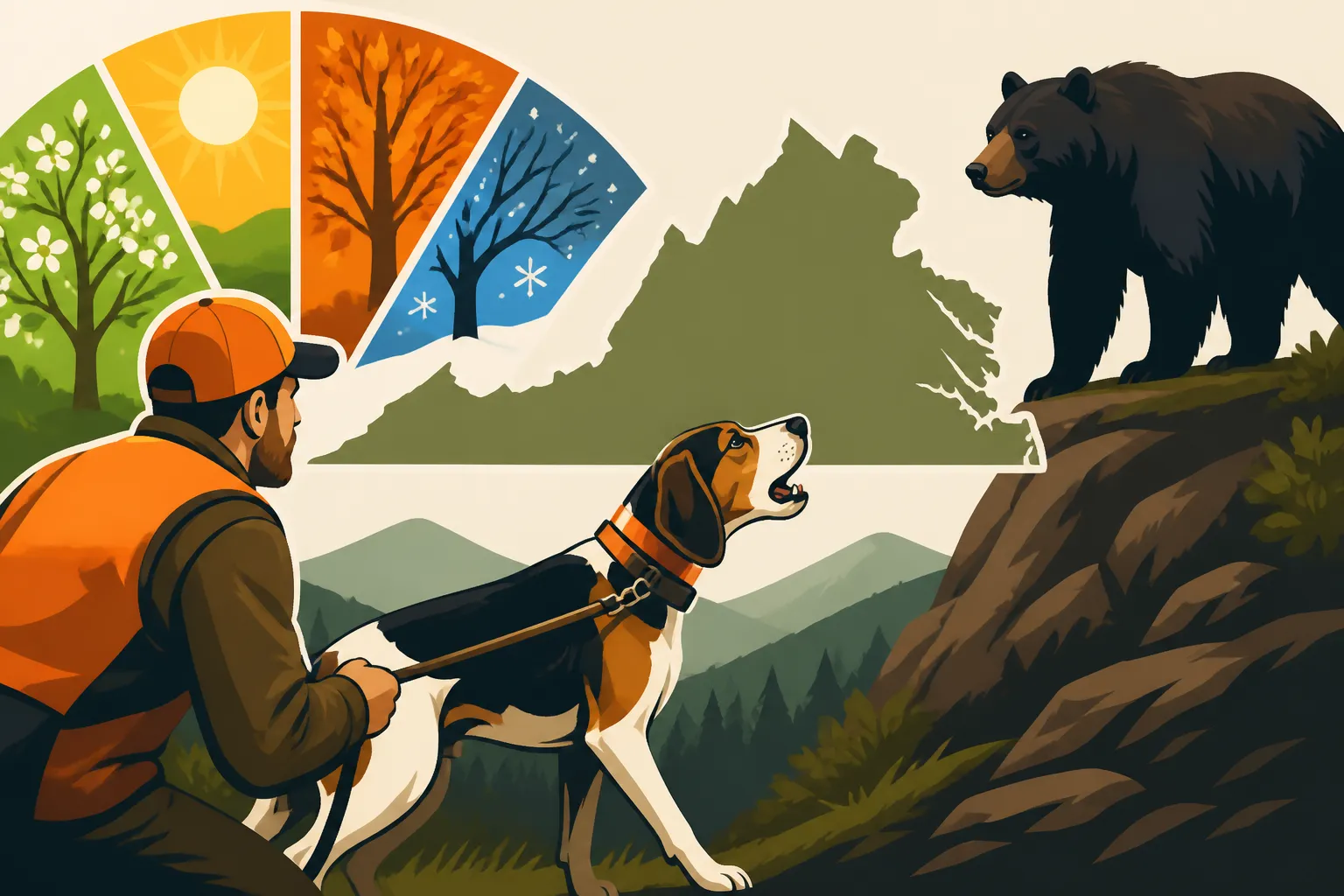
Virginia Bear Hound Training Season Rules
Understanding the specific rules for Virginia's bear hound training season can feel like trying to untangle a knotted fishing line – frustrating and complicated. Many hunters find themselves scratching their heads, wondering when they can train, where, and what exactly they're allowed to do. This guide is here to clear up that confusion, offering a straightforward look at the regulations to help you prepare your hounds ethically and effectively for the upcoming bear season.
Understanding Virginia's Bear Hound Training Framework
Preparing a good bear hound is a year-round commitment, and Virginia's Department of Wildlife Resources (DWR) recognizes that. That's why they've established specific training seasons. These periods are crucial for conditioning your dogs, refining their tracking skills, and ensuring they're ready for the rigors of the actual hunting season, all while maintaining the state's wildlife management objectives.
Why Training Seasons Exist
The primary reason for dedicated bear hound training seasons is to allow hunters to exercise and condition their dogs in a controlled manner, without the intent or ability to harvest game. It's about developing the dog's natural instincts, building endurance, and teaching them to follow a bear's scent trail. This helps ensure that when the actual hunting season arrives, the hounds are in peak physical condition and mentally sharp, leading to more efficient and ethical hunts. Without these training periods, it would be much harder to cultivate the specialized skills required for bear hunting, ultimately impacting the quality of the hunt and potentially leading to lost or injured dogs during the demanding chase. It also provides a vital window for young, inexperienced hounds to learn alongside seasoned veterans, mimicking real-world scenarios in a low-pressure environment.
Key Dates and Regions for Training
Virginia's bear hound training season is carefully structured by region, acknowledging the varying bear populations and management strategies across the state. This means the dates aren't uniform, so it's absolutely critical to know your specific county's regulations. Generally, the season allows for training hounds to chase or pursue bears without taking them, often starting in late summer or early fall and extending through the primary bear hunting seasons. Always check the current Virginia DWR hunting digest or their website for the most up-to-date calendar, as these dates can sometimes shift slightly from year to year based on population surveys and management needs.
For instance, in many western and mountainous counties, the training might begin in mid-August and run until the general firearms season opens, and sometimes even continue into December or January in specific zones. The intent is to provide ample opportunity for training while minimizing disturbance to bears during sensitive periods like denning or cub-rearing.
Here's a general overview of the bear hound training seasons in Virginia, but always verify with current DWR regulations for your specific county:
| Region (General) | Counties Typically Included | Training Season Start | Training Season End | Special Notes |
|---|---|---|---|---|
| Western | Alleghany, Augusta, Bath, Bland, Botetourt, Buchanan, Carroll, Craig, Dickenson, Floyd, Giles, Grayson, Highland, Lee, Montgomery, Patrick, Pulaski, Roanoke, Rockbridge, Russell, Scott, Smyth, Tazewell, Washington, Wise, Wythe | August 15th | October 15th | No taking of bears. Training only. |
| Central | Albemarle, Amherst, Appomattox, Bedford, Campbell, Clarke, Culpeper, Fauquier, Frederick, Greene, Loudoun, Madison, Nelson, Orange, Page, Rappahannock, Rockingham, Shenandoah, Warren | August 15th | October 15th | No taking of bears. Training only. |
| Eastern | Caroline, Cumberland, Essex, Fluvanna, Gloucester, Hanover, King and Queen, King William, Louisa, Middlesex, New Kent, Spotsylvania, Stafford, Westmoreland | August 15th | October 15th | Less common, but still regulated. |
| Late Season | Various counties where bear season extends | November 1st (approx.) | January 6th (approx.) | Training may coincide with actual hunting season; adherence to no-take rules for training is paramount. |
This table provides a snapshot, but counties like those affected by mange might have adjusted seasons for actual hunting, which can indirectly impact training strategies or considerations. You should consult specific regulations regarding Virginia's Mange-Affected Bear Counties for any localized impacts.
Essential Licenses and Permits Required
Just like any other hunting activity, participating in bear hound training in Virginia requires proper licensing. You can't just head into the woods with your dogs and expect everything to be okay; the DWR wants to ensure everyone is operating legally and responsibly. Generally, you'll need a valid Virginia hunting license. For residents, this typically means a Resident Hunting License, and non-residents will need their equivalent. In addition to the base hunting license, you'll also need a Big Game License, as bear falls under big game species.
It's wise to review the full details on Virginia Hunting Licenses and What They Cost to ensure you have all the necessary endorsements. Furthermore, if you plan to train on public lands managed by the DWR, such as Wildlife Management Areas (WMAs), you might also need a WMA Access Permit. Always check the specific requirements for the land you intend to use. Some private lands may also require specific permits or written permission, which we'll delve into shortly. Don't forget, having these licenses on your person, whether a physical copy or via the Go Outdoors Virginia app on your phone, is absolutely non-negotiable.
Navigating the Regulations: What You Can and Cannot Do
The line between "training" and "hunting" can feel blurry to newcomers, but the DWR makes a clear distinction. During the bear hound training season, the emphasis is solely on conditioning your dogs and refining their skills, without any intention or allowance for harvesting a bear. Breaking these rules can lead to serious penalties, so understanding the nuances is crucial.
Legal Equipment and Methods During Training
During the designated bear hound training season, the rules surrounding equipment are strict and focus entirely on training, not harvesting. This means that you cannot carry a firearm, archery tackle, or any other weapon typically used for hunting a bear. The intent is purely to pursue the bear with hounds, allowing the dogs to track and bay, but not to take the animal. Your primary equipment should be focused on dog management: GPS collars for tracking, leads, and possibly a communication device to call your hounds back.
It's not uncommon for hunters to use specialized GPS tracking collars from brands like Garmin or Dogtra to keep tabs on their hounds' movements, especially across vast tracts of national forest or private timber. These devices, sometimes integrated with advanced mapping solutions like GoHunt on a handheld unit or smartphone, allow you to monitor your dogs' locations, track their routes, and ensure their safety as they work a trail. This technology is incredibly helpful for staying within legal boundaries and for retrieving dogs that might range far. While the rules for general Virginia Bear Season Rules allow for firearms, during training, it’s strictly a non-weapon scenario. Think of it as an intense, real-world practice session for your dogs, not an actual hunt.
Restrictions on Public and Private Land
Where you train your bear hounds is just as important as when and how. Virginia has a significant amount of Public Hunting Land in Virginia, including the George Washington and Jefferson National Forests, as well as numerous Wildlife Management Areas. While many of these lands permit dog training, specific regulations apply. For example, some WMAs might have restricted access periods or require special permits, even for training. It's imperative to check the DWR website or specific WMA regulations before heading out. National Forest lands are generally more permissive but always adhere to general rules about respecting other users and private property boundaries.
Training on private land introduces another layer of regulation: permission. You absolutely must have explicit permission from the landowner before releasing your hounds on their property. This isn't just a courtesy; it's a legal requirement. Verbal permission is often sufficient, but many experienced hunters prefer to get Getting Private Land Permission in Virginia in writing to avoid any misunderstandings. It's also worth noting Virginia's longstanding "no Sunday hunting" rules, which extend to dog training in many areas. While there have been some changes to Sunday hunting laws, the specifics for hound training can still vary, so always confirm before you plan a weekend outing. You don't want to inadvertently trespass or violate Sunday hunting laws.
Bear Encounter Protocols During Training
This is perhaps the most critical distinction between training and actual hunting. If your hounds successfully track and bay a bear during the training season, your role is to observe, call off your dogs, and ensure the bear is not harmed. The moment your dogs encounter a bear, your focus must shift immediately to safely recalling your hounds and disengaging from the animal. There is no provision to harvest a bear during the training season, regardless of how perfect the bay or how close the opportunity.
Ethical bear hound training emphasizes minimal stress on the bear. This means not allowing the dogs to chase the bear indefinitely, avoiding prolonged baying, and always having control over your pack. The goal is for the hounds to gain experience on a real track, but the ultimate outcome must be the bear's safe and undisturbed departure. Any action that could be construed as attempting to take or injure the bear, such as cornering it for an extended period or failing to call off dogs, is a serious violation and can result in fines, license revocation, and the loss of your hunting privileges. It's about respecting the game animal and the spirit of the training season.
Best Practices for Effective and Ethical Hound Training
Effective bear hound training isn't just about turning the dogs loose; it's a methodical process that combines physical conditioning, scent work, and strategic use of resources. Adhering to ethical guidelines throughout this process ensures a positive experience for both hunter and hound, and for the bear population itself.
Preparing Your Hounds for the Season
Just like human athletes, bear hounds need to be in peak physical condition to perform their best and avoid injury during demanding pursuits. This starts long before the training season opens. Regular exercise, a nutritious diet, and routine veterinary check-ups are fundamental. Consider long walks, runs, or even swimming to build endurance. Simulate trail conditions by taking your dogs through rough terrain. Scent work is another critical component. While nothing truly replaces a hot bear track, you can incorporate drills using bear scat or lures in controlled environments to sharpen their tracking instincts.
Monitoring your hound's health is crucial. Diseases like mange, which affect Virginia's Mange-Affected Bear Counties, can weaken dogs and impact their performance. Being aware of these health concerns and taking preventative measures is part of responsible dog ownership. Good handlers also focus on obedience and recall training rigorously. A well-trained hound that responds instantly to commands is not only safer but also a more ethical hunting partner, reducing the chances of conflicts with other wildlife or private landowners. A strong bond and clear communication between handler and dog are the cornerstones of successful training, whether you're focusing on specific tasks for Hunting Bears With Hounds Where Virginia Allows It or just general conditioning.
Utilizing Technology and Scouting Tools
In today's world, technology plays a significant role in making bear hound training more efficient and safer. GPS tracking collars, as mentioned, are indispensable. Brands like Garmin Alpha or Garmin Astro provide real-time location data, allowing you to monitor your hounds from a distance. Integrating these devices with robust mapping platforms, such as the one offered by GoHunt, can provide invaluable insights. GoHunt's mapping layers can show you property boundaries, topography, and even public land access points, helping you stay legal and informed about the terrain your dogs are covering. This is particularly useful when training on the vast expanses of the George Washington National Forest, where hounds can cover significant distances in rugged terrain.
Beyond dog tracking, tools for scouting the terrain are essential. Before the season, use aerial imagery and topographic maps to identify potential bear habitat, travel corridors, and denning areas. This strategic planning, outlined in guides like Scouting Virginia Public Land Before Season, helps you choose optimal training locations. Trail cameras, deployed sparingly and ethically where allowed, can also provide information on bear activity, allowing you to focus your training efforts in areas with higher potential for successful scent work. Remember, the goal is not to harass bears but to find areas where they naturally move, providing realistic training opportunities for your hounds.
Adhering to Virginia's Mange-Affected County Rules
Virginia has been actively battling sarcoptic mange in its black bear population, and this has led to specific regulations, especially in certain counties. While these rules primarily pertain to the actual hunting season, their spirit of conservation and responsible wildlife management extends to training as well. It's critical for hunters to be aware of Virginia's Mange-Affected Bear Counties and any special instructions from the DWR regarding bear activity in those areas.
While there are no direct "training bans" specific to mange-affected counties, understanding the health of the local bear population is key to ethical training. For example, if you encounter a bear showing signs of mange, it's particularly important to keep your dogs clear and avoid prolonged interaction, minimizing stress on an already compromised animal. The DWR monitors these populations closely, and in some instances, has made adjustments to bear seasons, as detailed in Adjusting to Reduced Seasons in Mange-Affected Counties. Being informed about these broader management strategies helps ensure your training activities align with the state's conservation efforts and contributes to the overall health of Virginia's Black Bear Population.
Common Pitfalls and How to Avoid Them
Even with the best intentions, mistakes can happen. Understanding the most common pitfalls in bear hound training can help you proactively avoid issues that could lead to legal trouble, lost dogs, or negative public perception of hunting.
Avoiding Accidental Encounters with Game
One of the most frequent challenges in bear hound training is preventing your dogs from engaging with non-target species, particularly deer. While your hounds are trained for bear, a strong scent or an unexpected encounter can cause them to chase a deer. This is a serious issue, as pursuing deer with hounds outside of designated deer dog hunting seasons is illegal. To mitigate this, ensure your hounds are well-trained specifically on bear scent. Avoid releasing dogs in areas known for high deer concentrations if you can, especially during peak deer activity times.
Understanding Virginia Deer Season Structure Explained and the periods when deer are most vulnerable or active can help you plan your training sessions to minimize these accidental encounters. For instance, avoiding training during the early morning or late evening when deer are most active can reduce the likelihood of an unwanted chase. If your dogs do accidentally get on a deer track, your immediate action must be to call them off and retrieve them, reinforcing the command that they should only pursue bear.
Preventing Hound-Related Issues
Lost dogs, trespassing, and conflicts with other land users are unfortunate but avoidable issues that can arise during hound training. To prevent lost dogs, robust GPS tracking systems, like those that integrate with GoHunt's detailed maps, are essential. Always ensure collars are fully charged, and consider carrying spare batteries. Microchipping and clearly labeling your dogs with contact information are also vital for their safe return.
Trespassing is a major concern. Even with the best technology, hounds can range far and wide. This is where meticulous pre-scouting and obtaining explicit permission for private lands are paramount. If a dog crosses onto posted private land, retrieve it as quickly and respectfully as possible. Understanding Virginia Trespass and Permission Law is critical. Additionally, be mindful of other forest users. Hikers, birdwatchers, and other recreationalists share public lands. A pack of baying hounds can be intimidating or disruptive to them. Choose training areas and times that minimize these interactions, and always be courteous and prepared to explain your activity if approached. Maintaining a positive public image for hound hunting is everyone's responsibility.
Reporting and Compliance
Staying compliant with DWR regulations isn't a one-time check; it's an ongoing commitment. Regulations can change, especially concerning specific counties, disease management areas, or public land rules. Regularly check the DWR website for updates. Sign up for their newsletters or alerts to stay informed. If you encounter a sick or injured bear, or any unusual wildlife activity that could indicate a health concern like mange, it's your responsibility to report it to the DWR. This helps wildlife biologists monitor populations and respond effectively.
For hunters, platforms like GoHunt can sometimes offer community forums or news feeds that highlight relevant regulatory changes, providing another avenue to stay informed. The DWR also provides clear guidelines on how to report game harvests and any incidents, which is just as important during training as it is during the season itself. By actively participating in this reporting process, you contribute to sound wildlife management and help maintain the integrity of Virginia's hunting traditions.
Disclaimer
Please remember that hunting regulations, including those for bear hound training seasons, can change. While this guide provides comprehensive information, it is your responsibility to consult the most current Virginia Department of Wildlife Resources (DWR) regulations before engaging in any hunting or training activities. This content is for informational purposes only and should not be considered legal advice.