Virginia Federal Duck Stamp Requirement
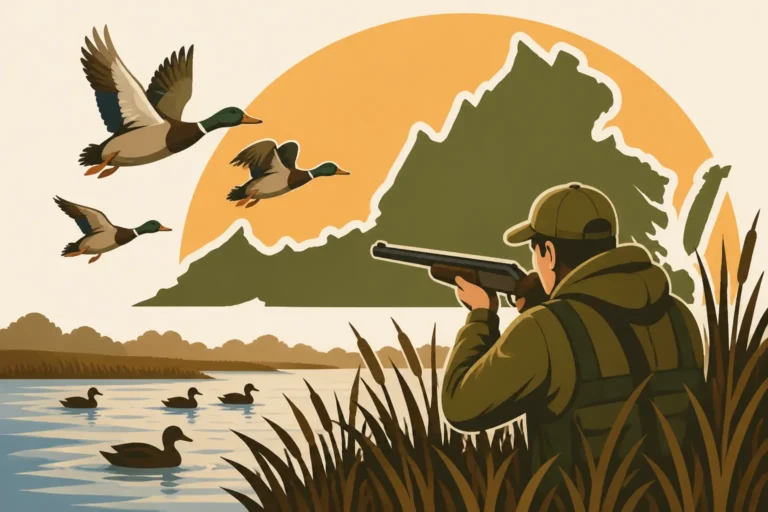
Navigating the world of hunting licenses, especially when you're targeting migratory birds like ducks and geese in Virginia, can feel like trying to untangle a particularly stubborn fishing knot. It’s easy to get confused about what's state, what's federal, and what exactly you need to have in your pocket or on your phone to stay legal. This guide is here to simplify that, specifically breaking down the crucial Virginia Federal Duck Stamp requirement so you can hit the marsh, river, or field with complete confidence.
Understanding the Federal Duck Stamp: More Than Just a Stamp
When you're gearing up for a waterfowl hunt, your federal duck stamp isn't just another piece of paper; it's a vital contribution to conservation and a legal necessity. Many folks think of it as just a fee, but it's much more meaningful than that. It’s a direct investment in the habitats that our ducks, geese, and countless other wildlife species rely on, including those right here in Virginia.
The Migratory Bird Hunting and Conservation Stamp Act
This all started way back in 1934, during a time when waterfowl populations were in serious decline. President Franklin D. Roosevelt signed the Migratory Bird Hunting and Conservation Stamp Act into law, creating what we commonly call the Federal Duck Stamp. The genius of this act is that it created a dedicated funding source for wetland conservation. Unlike your general state hunting license, which funds the Virginia Department of Wildlife Resources (DWR) across many programs, the Federal Duck Stamp revenue is specifically earmarked for acquiring and preserving wetlands within the National Wildlife Refuge System. This means that every single time you purchase one, you’re directly contributing to safeguarding critical nesting, breeding, and migratory stopover habitats for the birds we all love to pursue. It's a federal requirement that sits alongside your state licenses and permits, like your Virginia Resident Hunting License Options and your Virginia Big Game License Requirements, making it distinct in its purpose and scope.
How Your Duck Stamp Dollars Make a Difference
It’s truly incredible to think about the impact these little stamps have had over the decades. A staggering 98% of the funds generated from Federal Duck Stamp sales go directly to the U.S. Fish and Wildlife Service (USFWS) to purchase or lease important wetland habitats for the National Wildlife Refuge System. Since its inception, the program has conserved over 6 million acres of wetland habitat. Think about that: millions of acres of marshes, swamps, and prairie potholes have been protected, serving as vital breeding grounds, wintering areas, and migratory stopovers.
Here in Virginia, these funds have certainly played a role in supporting our robust waterfowl populations. The protection of these habitats helps sustain healthy numbers of birds that migrate through the Atlantic Flyway, making our Virginia Waterfowl Zones and Seasons richer for everyone. For example, refuges like the Great Dismal Swamp National Wildlife Refuge or parts of the Eastern Shore's barrier islands benefit from this ongoing conservation effort, ensuring there are places for ducks and geese to thrive, and places for us to hunt. When you’re sitting in a blind, perhaps Hunting Chesapeake Bay Diving Ducks or pass-shooting over a flooded field, you can feel good knowing your stamp contributed directly to that ecosystem.
Who Needs a Federal Duck Stamp in Virginia?
This is where some folks get tripped up, so let's clarify precisely who needs to carry that Federal Duck Stamp when hunting in Virginia. The rules are pretty straightforward, but there are a couple of nuances worth noting.
Age Requirements and Exemptions
The primary rule is simple: any person 16 years of age or older must possess a signed Federal Duck Stamp to hunt migratory waterfowl in the United States, including right here in Virginia. This means if you're a seasoned veteran or a hunter who just turned sweet sixteen, you're required to have one.
However, there are exceptions for our younger hunters. If you are under 16 years of age, you are not required to purchase or possess a Federal Duck Stamp. This is fantastic news for families looking to introduce the next generation to the joys of waterfowl hunting. Kids can join you in the blind, learning the ropes and enjoying the experience without needing that extra federal permit. It aligns with other youth-focused opportunities, like the Virginia Youth Deer Weekend Rules, that aim to make hunting accessible for young folks. But remember, while they might not need the duck stamp, all hunters (regardless of age, though supervision applies for minors) must still adhere to all other state hunting regulations and license requirements.
What About Nonresidents and Youth Hunters?
The Federal Duck Stamp requirement is federal, which means it applies universally across all states. So, if you're a nonresident coming to Virginia specifically for the fantastic waterfowl opportunities we have, you absolutely need a Federal Duck Stamp, just like a Virginia resident. It doesn't matter if you're from North Carolina, Maryland, or California; if you're 16 or older and hunting migratory waterfowl in Virginia, you need that stamp. This is in addition to whatever nonresident state licenses you need, which can be found in resources like Virginia Nonresident Hunting License Options.
It's also important to distinguish the Federal Duck Stamp from state-level migratory bird permits. Virginia doesn't have a separate "migratory bird stamp" in the same vein as the federal one, but we do have a critical state requirement called the Migratory Bird Harvest Information Program (HIP) certification. We'll dive into HIP shortly, but for now, just know that the Federal Duck Stamp is a nationwide mandate for anyone 16 and up chasing ducks, geese, brant, and swans. Even if you only plan to hunt once or twice a season, that stamp is non-negotiable.
Acquiring Your Federal Duck Stamp for Virginia Hunting
Okay, so you know you need one. Now, how do you actually get your hands on a Federal Duck Stamp? Luckily, the process has become much more convenient over the years, with both online and in-person options available to suit your preference.
Online Purchase and Temporary Permits
The easiest and often most immediate way to get your Federal Duck Stamp is online. You can purchase it directly through the U.S. Fish and Wildlife Service’s website or, more commonly for Virginia hunters, through the Virginia DWR's Go Outdoors Virginia platform. When you buy online, you'll typically receive a temporary e-stamp immediately. This temporary e-stamp is legally valid for 45 days from the date of purchase. It serves as your proof of compliance while you wait for the physical, adhesive stamp to be mailed to your address.
Make sure you print out that temporary e-stamp or save it on your phone where you can easily display it to a game warden. This digital convenience, integrated with platforms like GoHunt that help manage all your licenses and permits, has made life a lot simpler for hunters who might be heading out to the marsh on short notice. Just be mindful of that 45-day window; if your physical stamp hasn't arrived by then, you'll need to contact the vendor to ensure you remain legal. It’s a good idea to purchase it well in advance of the Virginia Duck Migration Timing to avoid any last-minute stress.
Retail Locations for Physical Stamps
For those who prefer a tangible copy or simply like to collect the beautiful artwork each year, physical Federal Duck Stamps are still readily available. Your local U.S. Post Office is the traditional place to purchase one, and many still carry them. Additionally, various outdoor retailers across Virginia, such as Cabela's, Bass Pro Shops, and other smaller, independent tackle and hunting shops, often sell them. These retailers are typically partnered with the DWR to offer a comprehensive range of licenses and permits, including the Federal Duck Stamp.
While the e-stamp is great for convenience, there's something to be said for having that physical stamp in your wallet. Not only is it a piece of art, but it also becomes a signed document you carry as proof of purchase. Many hunters sign it across the front and affix it to their state hunting license or an ID card for safekeeping. It's a small tradition that connects you to generations of waterfowl hunters and conservations. So whether you’re planning a trip to a public access area within one of the Virginia Wildlife Management Areas or hunting a friend’s farm pond, make sure you've got your stamp squared away.
Here’s a quick overview of the key components:
| Requirement | Purpose | Where to Obtain | Cost (approx.) | Who Needs It |
|---|---|---|---|---|
| Federal Duck Stamp | Wetland conservation (National Refuges) | USPS, DWR online (GoHunt), Retailers | $25 | Migratory waterfowl hunters 16+ years old |
| VA Hunting License | State hunting access & DWR programs | DWR online (GoHunt), Retailers | Varies | All hunters 12+ (with exceptions/apprentices) |
| VA Big Game License | State big game access (Deer, Bear, Turkey) | DWR online (GoHunt), Retailers | Varies | Hunters pursuing big game |
| VA HIP Certification | Federal data collection on harvest | DWR online (GoHunt), Retailers | Free | All migratory bird hunters (including doves) |
Ensuring Compliance and Avoiding Pitfalls
Having the right licenses and stamps is just the first step. You also need to ensure you're carrying them correctly and understand how they interact with other state requirements to avoid any unexpected issues while you're afield.
Carrying Your Stamp While Hunting
This might seem obvious, but it's crucial: once you've purchased your Federal Duck Stamp, you need to sign it across the face in ink and have it on your person while hunting migratory waterfowl. A game warden can and will ask to see it. Whether it's the physical stamp, signed and displayed, or a valid printed copy of your temporary e-stamp, proof of purchase must be immediately accessible.
Imagine you're out Layout Blind Hunting Eastern Shore Fields in December, the ducks are flying, and suddenly a DWR officer pulls up. They're going to ask for your licenses and stamp. Having everything in order makes the interaction smooth and quick, allowing you to get back to the hunt. Fumbling around, or worse, not having it at all, can lead to fines and a ruined day. It's simply not worth the risk. Always treat your duck stamp and your other licenses as essential gear, just like your shotgun or your waders. Some hunters even laminate their physical stamp to prevent it from getting wet or torn during a rigorous hunt.
The Virginia HIP Certification for Bird Hunters
Beyond the Federal Duck Stamp, there’s another critical piece of the puzzle for migratory bird hunters in Virginia: the Harvest Information Program (HIP) certification. This is a state-level requirement for all migratory game bird hunters, including those pursuing doves, rails, woodcock, snipe, and, of course, ducks and geese. The good news? It's free!
HIP is a cooperative state-federal program designed to collect harvest data from migratory bird hunters. This data is vital for wildlife managers to make informed decisions about season lengths, bag limits like Virginia Duck and Goose Bag Limits, and overall conservation strategies. Without this information, federal and state agencies wouldn’t have a clear picture of migratory bird populations and hunter activity.
You can obtain your Virginia HIP certification when you purchase your state hunting license through the Go Outdoors Virginia portal, or at any DWR license agent. It's usually a simple check-box question during the purchase process. Just like your Federal Duck Stamp, you must complete your HIP certification annually. It's easy to overlook, especially if you're focused on the bigger purchases, but it's equally important. So, when you're preparing for your waterfowl season, remember to check off that HIP certification along with securing your Federal Duck Stamp. Both are essential to ensure you're hunting legally and contributing to the conservation efforts that make Virginia such a fantastic place to pursue waterfowl.
Disclaimer
Please remember that hunting regulations can change. While this guide aims to provide accurate and up-to-date information, it is your responsibility to consult the most current Virginia Department of Wildlife Resources (DWR) regulations and federal migratory bird hunting regulations before heading afield. This content is for informational purposes only and should not be considered legal advice.