Virginia Junior Hunting License Rules
It's an amazing feeling to introduce a youngster to the traditions of Virginia hunting, but let's be honest, navigating the regulations to get them started can feel like trying to track a ghost through a briar patch. Many parents and guardians feel overwhelmed by the paperwork and specific requirements for their budding hunters, often unsure about age limits, supervision, or what licenses are truly needed. This comprehensive guide is here to clear up all that confusion, breaking down everything you need to know about Virginia's junior hunting license rules so your young one can safely and legally join you in the woods.
Virginia Junior Hunting License: Getting Started
For many of us, our earliest hunting memories involve trudging through the woods right behind a parent or grandparent, soaking in every detail. Those experiences are foundational, but the legal framework ensuring safety and proper introduction to the sport is equally critical. Virginia, like most states, has specific provisions for junior hunters, recognizing the need to encourage participation while also ensuring responsible behavior and knowledge from a young age. This isn't just about bureaucracy; it's about fostering the next generation of ethical conservationists.
What Defines a "Junior Hunter" in Virginia?
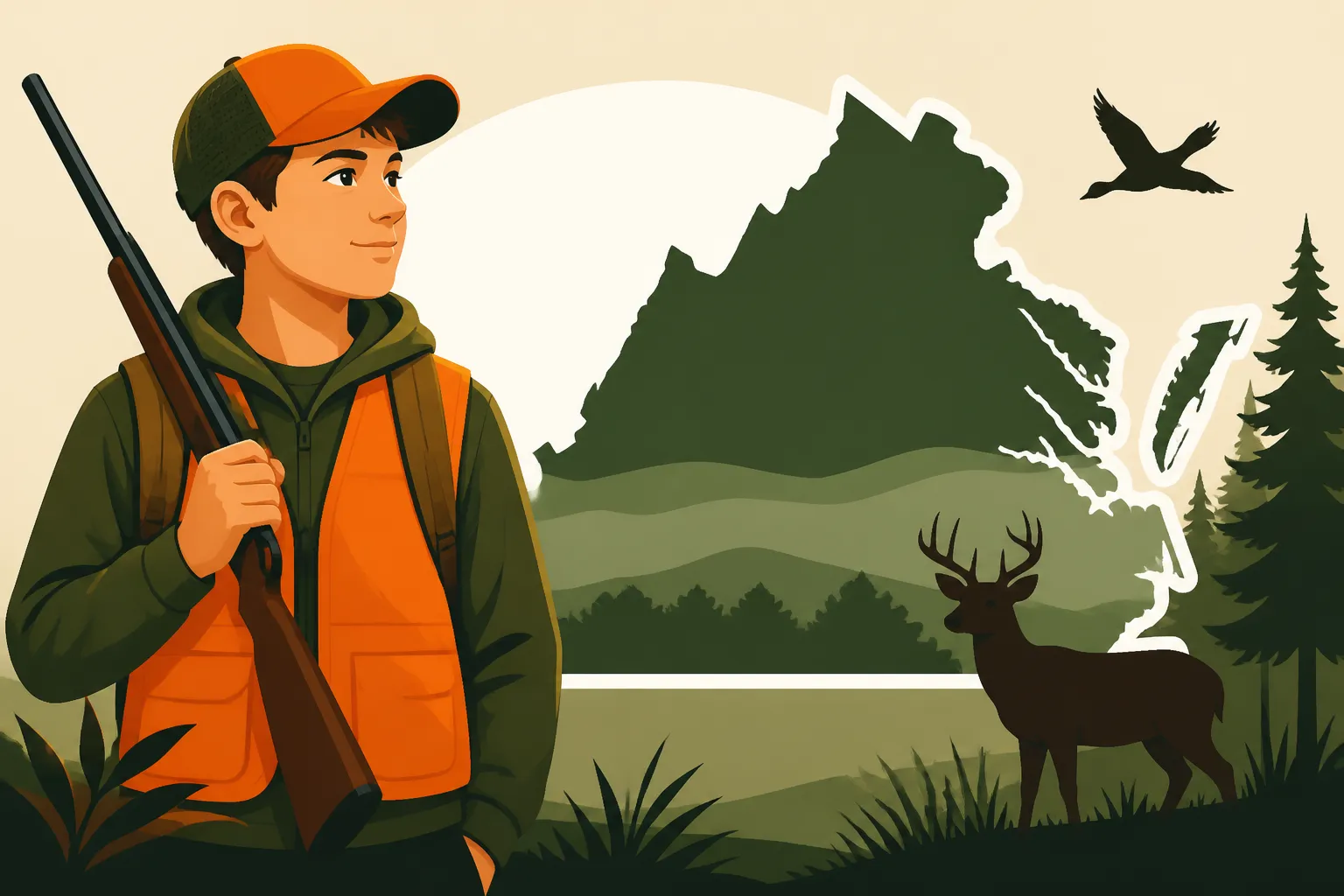
In Virginia, the term "junior hunter" primarily refers to individuals under the age of 16. This age bracket is critical because it dictates different requirements for licensing, hunter education, and especially supervision in the field. It's not a one-size-fits-all rule; there are nuances depending on whether the child is under 12 or between 12 and 15 years old. This tiered approach allows for a gradual introduction to independence in hunting, always with an emphasis on safety and learning. Understanding these definitions is the very first step toward getting your child afield legally.
For instance, a 10-year-old excited to join you in the deer stand will fall under a different set of rules than a 14-year-old who has already completed their hunter education course. The Virginia Department of Wildlife Resources (DWR) structures these rules to ensure that the youngest participants are under the most direct supervision, progressively granting more autonomy as they gain experience and formal training. This framework aims to build confidence and competence, ensuring that by the time they reach 16 and can hunt unsupervised, they are well-prepared.
The Benefits of a Junior License for Young Enthusiasts
So, why bother with a junior license? The most obvious benefit is legal access to hunting opportunities. A valid junior license allows a young person to participate in general hunting seasons for deer, turkey, small game, and other species, provided they adhere to all other regulations. But beyond the legalities, these licenses are a fantastic tool for encouraging youth participation and instilling a deep appreciation for wildlife and the outdoors. It makes them feel like a legitimate participant, not just an observer.
Furthermore, many of Virginia's hunting opportunities, including special youth seasons, are specifically tied to having a junior license or being of a particular junior age. The DWR often designs these youth-specific events, like the popular Virginia Youth Deer Weekend Rules, to provide a less pressured, more focused learning environment. Holding their own license gives youngsters a sense of ownership and responsibility, transforming them from tag-alongs into active members of the hunting party. It’s an investment in their future as hunters and conservationists.
Navigating the Rules: Age, Supervision, and Education
The heart of Virginia's junior hunting regulations lies in its requirements for supervision and hunter education. These rules are in place not to complicate matters, but to ensure the utmost safety for young hunters and those around them, while also fostering responsible hunting practices. It’s crucial for every parent, guardian, or mentor to be intimately familiar with these guidelines before heading out.
Understanding Virginia's Age-Specific Supervision Rules
Virginia's DWR has clear stipulations regarding how closely a junior hunter must be supervised, and these vary based on age:
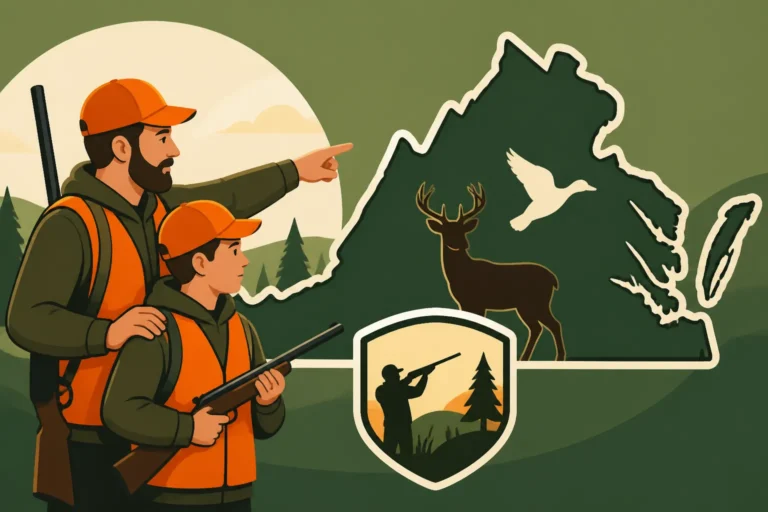
- Hunters Under 12 Years Old: A child under 12 years of age must be accompanied by a licensed adult who is at least 18 years old. This supervision must be direct, meaning the adult needs to be within sight and hearing of the child at all times, providing immediate guidance and intervention if necessary. This isn't just about sharing a blind; it’s about constant, active mentorship. This direct oversight ensures that critical safety protocols are followed, and any questions or challenges can be addressed instantly. They are not required to have a hunter education certificate, nor an apprentice license, but the adult must be fully licensed.
- Hunters Ages 12 to 15 Years Old: Once a hunter reaches 12, the supervision requirements shift slightly. They must still be accompanied by a licensed adult (18 years or older), but the definition of "accompanied" is more flexible. The adult must simply be present, meaning they are close enough to exercise control and provide direction. This generally implies being in the same general area, but not necessarily within constant sight and hearing, which allows for a bit more independence as they develop their skills. However, these hunters must have either completed a DWR-approved hunter education course and carry proof of certification, OR possess a valid Virginia Apprentice Hunter License Rules.
The distinction between "direct supervision" and simply "accompanied" is significant and often misunderstood. For anyone mentoring a young hunter, understanding How Close a Virginia Mentor Must Stay is paramount for legal compliance and, more importantly, for safety. It's not just a suggestion; it's a legal requirement that carries serious implications if ignored. Remember, the goal is to create a safe, educational, and positive experience, and proper supervision is the cornerstone of that. The Minimum Age for Unsupervised Virginia Hunting is 16, so until then, an adult must always be involved.
Hunter Education: The Foundation for Young Hunters
Before a young person aged 12-15 can purchase a regular hunting license in Virginia, they must first complete a state-approved hunter education course. This is not optional; it’s a vital component of responsible hunting. The course covers critical topics such as firearm safety, hunting ethics, wildlife identification, basic survival skills, and game laws. It’s designed to provide a comprehensive understanding of what it means to be a safe and ethical hunter. You can find detailed information on the Virginia Hunter Education Requirements through the DWR.
Virginia offers various ways to complete hunter education, including online courses followed by a field day, or traditional in-person classes. Many parents find the in-person classes particularly beneficial as they offer hands-on experience and direct interaction with certified instructors. For those looking for flexibility, some platforms, like the DWR's Go Outdoors Virginia system, can even help you find local course schedules.
For those who haven't completed hunter education yet, the Apprentice Hunter Program offers a fantastic workaround. This program allows individuals (including juniors aged 12 and older) to hunt without a hunter education certificate, provided they are accompanied by a licensed mentor. It’s a perfect option for trying out hunting to see if it’s a good fit before committing to the full hunter education course. Just remember, an apprentice license is a temporary measure, and ultimately, hunter education is still the goal for independent hunting.
Special Seasons and Opportunities for Junior Hunters
Virginia goes out of its way to create special opportunities tailored for young hunters, making it easier and often more successful for them to participate. The most well-known is the Virginia Youth Deer Weekend Rules, a special firearms season held before the general firearms opener, exclusively for hunters 15 years old and younger. During this weekend, qualified junior hunters can pursue deer with firearms, often leading to a higher chance of success due to reduced pressure. It's a fantastic chance to build confidence and create lasting memories.
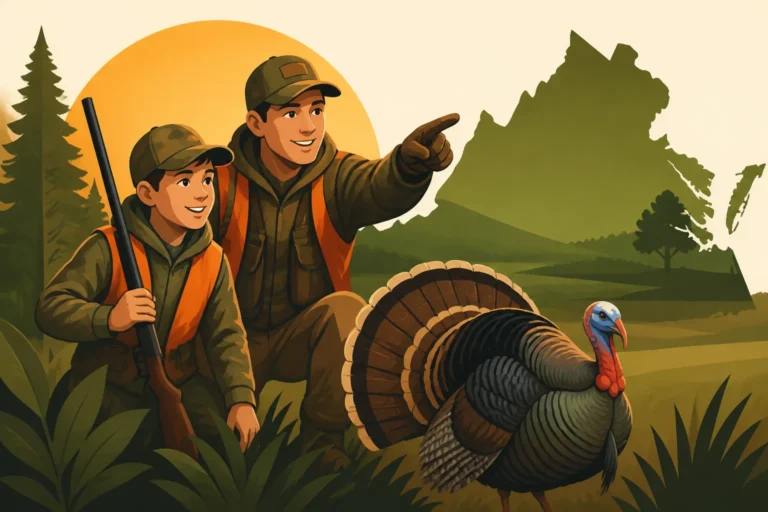
Beyond deer, Virginia also designates a Virginia Youth and Apprentice Turkey Weekend in the spring, allowing young hunters to chase gobblers when adult hunters are not yet permitted. These special youth seasons are generally designed with specific rules that might differ slightly from regular seasons, so always check the current DWR regulations handbook for exact dates, bag limits, and permitted weapons for these youth-specific hunts. These are prime examples of how the state actively supports getting kids involved.
Acquiring Your Junior License and Planning the Hunt
Once you understand the rules, the next step is actually getting that license in hand. It’s a straightforward process, but knowing the details can save you time and hassle, especially if you’re trying to squeeze in a license purchase before a weekend hunt.
The Application Process: Where and How to Buy
Getting a junior hunting license in Virginia is quite simple. The most common and convenient way is to purchase it online through the Go Outdoors Virginia portal. This digital system, which some may refer to as being as user-friendly as platforms like GoHunt for planning and research, allows you to select the appropriate license, fill out the necessary information, and print your license or save it to your phone. It’s quick, efficient, and available 24/7. You can access the portal directly through the DWR website. For a detailed walkthrough, check out our guide on Buying a License on Go Outdoors Virginia.
Alternatively, you can purchase a junior hunting license in person at any authorized license agent throughout the state. These agents typically include sporting goods stores, bait and tackle shops, and some DWR offices. While less convenient than online for some, this option allows for face-to-face interaction if you have questions or prefer a physical transaction. Always remember to bring the junior hunter's information (like date of birth) and proof of hunter education if required for their age.
Costs, Validity, and Smart License Choices
The cost of a junior hunting license in Virginia is generally very affordable, designed to remove financial barriers for youth participation. A basic junior annual license is a great starting point, but there are other options depending on what game your young hunter wishes to pursue and for how long. For example, a basic junior hunting license will cover small game, but if they are after deer or turkey, a separate big game license or a combination license that includes big game will be necessary.
Here's a quick look at common license types and general costs (always verify current prices on the DWR website, as they can change):
| License Type | Age Range | Description | Typical Annual Cost (approx.) |
|---|---|---|---|
| Junior Hunting License | Under 16 | Basic hunting license, covers small game. | $16 |
| Junior Hunting & Fishing License | Under 16 | Combination license, covers small game hunting and fishing. | $23 |
| Apprentice Hunter License | 12 and older | Allows hunting under supervision without hunter education. | $23 |
| Big Game Hunting License | (Add-on) | Required for deer, bear, and turkey. Can be added to junior hunting license. | $20 |
| National Forest Permit | (Add-on) | Required for hunting on National Forest lands. | $4 |
Note: These are approximate costs and may vary. Always check the official DWR website for the most current pricing and license requirements.
Junior licenses are typically valid for one license year, which runs from July 1st to June 30th. While not specifically called "multi-year" like some adult options, some junior licenses might align with broader combination packages. For detailed information on costs for adult licenses that might apply to older juniors, you can look into articles like Virginia Resident One-Year License Cost or Virginia Resident Four-Year License Cost. When planning, consider which species your child is likely to hunt and for how many years you anticipate them hunting before turning 16. Sometimes, buying a combination license that includes big game and a National Forest stamp upfront can be more cost-effective than purchasing them individually later.
Mentoring Beyond the Basics: Making the Hunt Memorable and Safe
Getting the license is just the first step; the real work and joy come in the field. Mentoring a junior hunter is an incredible privilege and responsibility. It’s not just about teaching them how to shoot or identify a game animal; it's about instilling a lifelong love for the outdoors, promoting ethical behavior, and ensuring their safety above all else. When you’re planning your hunts, utilize resources like GoHunt to scout potential areas, understand property boundaries, and even identify food sources for the game you're pursuing. This kind of preparation can significantly increase success and enjoyment for your young hunter.
Here are a few practical tips for making every hunt with a junior hunter a positive one:
- Prioritize Safety: This cannot be stressed enough. Review firearm safety rules constantly, practice safe gun handling, and always, always emphasize the importance of identifying your target and what’s beyond it. Ensure they understand and wear the required Virginia Blaze Orange Requirements during appropriate seasons.
- Keep it Fun and Educational: Hunting with kids shouldn't be solely about harvesting an animal. Focus on the experience: teach them about animal tracks, tree identification, basic navigation, and the sounds of the forest. Bring snacks, water, and be prepared for breaks. Sometimes, the most memorable hunts are the ones where you just observe nature together.
- Manage Expectations: Be realistic about success rates. Not every hunt will result in a harvest, and that's okay. Teach patience and resilience. Celebrate the small victories, like spotting a deer or hearing a gobbler respond.
- Start Small: Begin with short hunts in comfortable conditions. A cold, wet, or overly long hunt can quickly sour a child's enthusiasm. Gradually increase the duration and challenge as their interest and stamina grow. Our guide on Scouting Virginia Public Land Before Season can help you find suitable, accessible spots.
- Encourage Participation: Let them help with scouting, setting up blinds, checking trail cameras, and even field dressing (if they're comfortable). The more involved they are, the more invested they'll feel.
Ultimately, your role as a mentor is to be a guide, a teacher, and a cheerleader. By following Virginia's junior hunting license rules and focusing on safety and positive experiences, you're not just taking a child hunting; you're shaping a future conservationist and creating cherished memories that will last a lifetime.
Disclaimer
Please note that hunting regulations are subject to change. While this guide aims to provide accurate and up-to-date information, it is essential to always consult the official Virginia Department of Wildlife Resources (DWR) website or the current DWR Hunting & Trapping Regulations Digest for the most recent and complete rules before participating in any hunting activity.