Virginia Nonresident Turkey License Cost
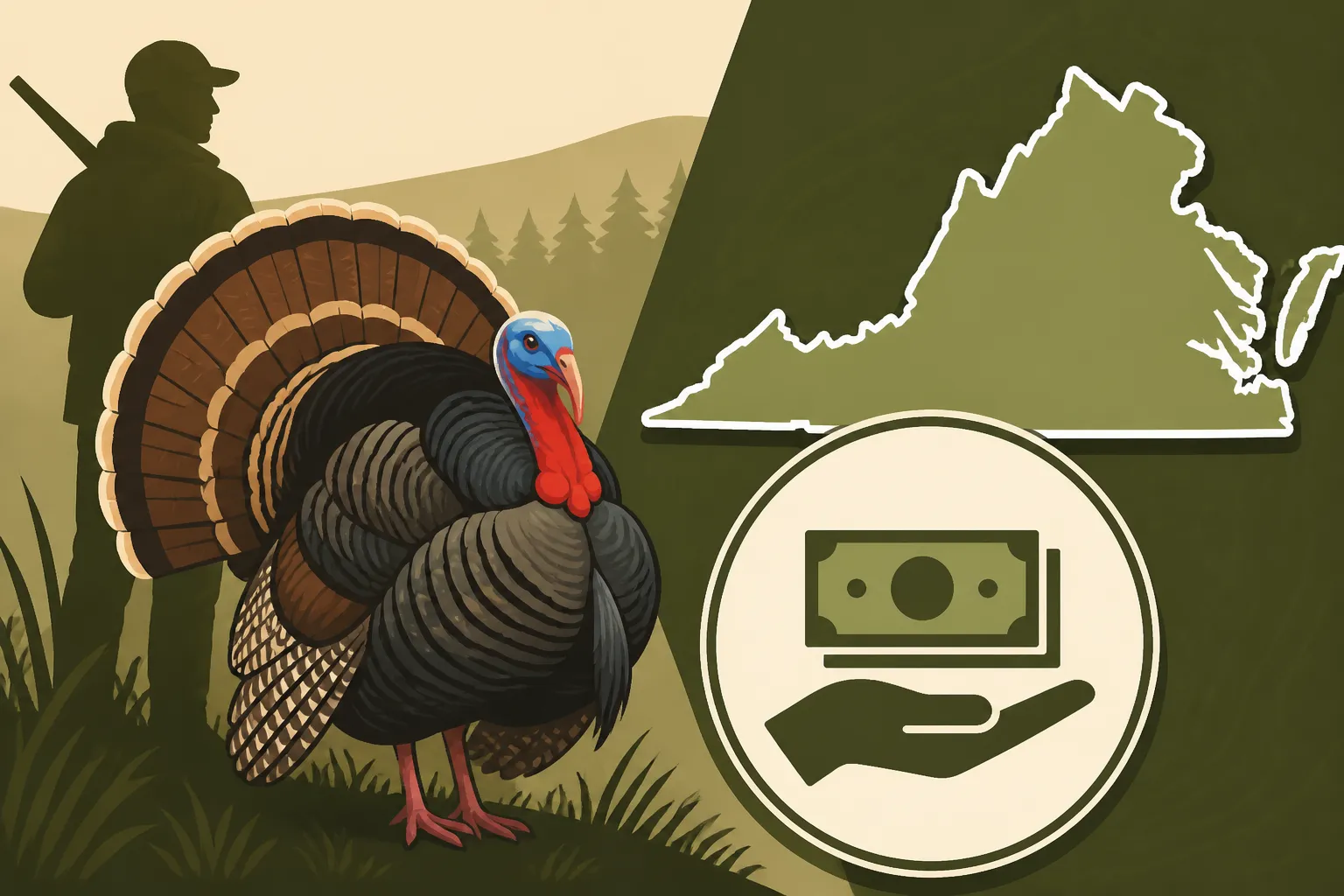
Navigating the world of out-of-state hunting licenses can feel like trying to decipher an ancient scroll, especially when you're dreaming of a spring gobbler hunt in the Old Dominion. Many nonresident hunters express frustration at not knowing the exact costs upfront, often encountering hidden fees or requirements they weren't expecting. This comprehensive guide is here to untangle the specifics, breaking down the Virginia nonresident turkey license cost and helping you plan your hunt with confidence.
Understanding Virginia's Nonresident Turkey License Structure
Before you even start thinking about what calls to pack or where the best public land might be, you need to understand the license requirements. Virginia's system, like many states, bundles its hunting privileges rather than offering a single "turkey permit" for nonresidents. It can feel a bit like building a LEGO set – you need the base blocks before you can add the fancy pieces.
The Basic Nonresident Hunting License
First and foremost, if you're coming from out of state to hunt turkey, you'll need a fundamental nonresident hunting license. This isn't just for turkeys; it's your gateway to hunting small game and other species in Virginia, provided you meet all other regulations. Think of it as your general admission ticket to Virginia's hunting grounds. It covers the broad strokes of hunting within the state's season dates and bag limits for various species. Without this base, you can't add on any specialized permits. Many states have a similar system, so this isn't usually a surprise, but the cost can vary significantly. As of my last check, a non-resident annual hunting license typically hovers around the $111 mark. This single fee covers you for the entire license year, which runs from July 1st to June 30th.
The Virginia Big Game/Turkey License Add-on
Once you have your basic nonresident hunting license, the next critical piece for turkey hunting is the Big Game/Turkey license. This isn't just for deer; it’s the permit that specifically grants you the privilege to hunt wild turkey, black bear, and deer. This is where a lot of folks can get tripped up, thinking a general hunting license alone is enough. Nope! If you’re targeting a gobbler, this add-on is absolutely essential. The cost for this particular add-on for nonresidents is usually around $86. Knowing this upfront can save you a headache and a potential violation citation down the road. It ensures that the Virginia Department of Wildlife Resources (DWR) can accurately track harvest numbers for these key species and manage their populations effectively.
Additional Permits and Stamps You Might Need
While the basic hunting license and the big game/turkey add-on are your primary concerns for turkey hunting, it's worth clarifying other permits you might encounter when planning a hunting trip to Virginia, just so you don't get confused.
For example, if you were planning on hunting waterfowl – ducks or geese – you'd need a Federal Duck Stamp and Virginia Migratory Bird Hunting License, along with HIP certification. These are not required for turkey hunting, but sometimes new hunters conflate "bird hunting" requirements. It's always best to be specific about your target species. Another thing to consider is a WMA (Wildlife Management Area) Access Permit. If your plan is to exclusively hunt on one of Virginia's fantastic WMAs, like Amelia WMA or James River Wildlife Management Area, you'll need to purchase a WMA Access Permit. This permit, typically around $23 for non-residents, helps fund the management and maintenance of these crucial public lands. While not always strictly required for all public lands (like National Forests), it’s good practice to check if your chosen hunting area demands it. Always double-check the specific regulations for the area you intend to hunt.
Breaking Down the Actual Costs for Nonresidents
Let's get down to the brass tacks. What exactly will you be shelling out to chase those spring gobblers in Virginia? It's important to see the sum of the parts to budget correctly.
Itemized Cost Breakdown Table
To make this as clear as possible, here's a typical breakdown of the costs for a nonresident looking to hunt turkey in Virginia for a full season:
| License/Permit Type | Nonresident Annual Cost (Approx.) | What it Covers |
|---|---|---|
| Annual Hunting License | $111.00 | General hunting privileges for small game and other permitted species. Required base. |
| Big Game/Turkey License | $86.00 | Allows hunting deer, bear, and turkey. Required for turkey hunting. |
| Total Minimum Cost | $197.00 | (Excludes optional WMA Access Permit or other specific needs) |
| Optional WMA Access Permit | $23.00 | Required for hunting on designated Virginia Wildlife Management Areas. |
| Total with WMA Access | $220.00 | If you plan to hunt on a WMA. |
Note: These prices are approximate and subject to change. Always verify current costs on the Virginia DWR website or Go Outdoors Virginia portal before purchasing.
As you can see, the minimum outlay is just shy of $200 for the season. If you plan to hit those well-managed WMAs, you'll add a little extra to that. This cost grants you access for the entire season, from the opening day of spring turkey to the closing date, provided you adhere to all other regulations like bag limits and legal shooting hours.
Why Virginia's Costs Compare to Neighboring States
It’s natural to look at these numbers and wonder why nonresident licenses are often significantly higher than resident ones. Virginia is no exception. This pricing structure is fairly standard across most states. The rationale is often multi-faceted:
- Conservation Funding: A large portion of license fees goes directly back into wildlife management, habitat restoration, law enforcement, and research. Nonresidents contribute to this funding, but states typically prioritize lower costs for their tax-paying residents who also support conservation through other means.
- Resource Allocation: Resident hunters generally have more invested in the local ecosystem through taxes and ongoing presence. Nonresidents are utilizing resources for a shorter, more concentrated period.
- Economic Impact: While the license cost itself is revenue, the state also benefits from nonresident hunters spending money on lodging, food, fuel, gear, and other local businesses during their trip. The license fee is just one piece of the economic pie.
- Demand and Supply: There's significant demand for hunting opportunities in states like Virginia, known for its strong turkey populations. Pricing can reflect this demand.
When comparing Virginia's costs to neighboring states, you'll find them generally competitive. For instance, a nonresident turkey license in North Carolina can be around $100 on its own, but also requires a base nonresident hunting license. In West Virginia, a nonresident small game/furbearer license (which includes turkey) is about $120, plus a separate bear/deer/turkey stamp. So, while it's an investment, Virginia's pricing structure for a nonresident turkey hunt aligns with regional norms, offering access to some truly prime hunting ground for wild turkeys.
How to Purchase Your License (and Save Time)
The easiest and most reliable way to purchase your Virginia hunting licenses and permits is through the Go Outdoors Virginia website. It’s an intuitive online portal that allows you to select all the necessary licenses, pay, and even print a temporary copy or store it digitally on your phone. Many hunters appreciate the convenience of this system, especially those traveling from out of state who might not have time to find a local vendor. You can even access it using a planning tool like GoHunt to double-check regulations or scout public lands before you make your purchase. They've streamlined the process significantly, moving away from the days of paper forms and mailing checks.
When you're ready to purchase:
- Visit the official Go Outdoors Virginia website.
- Create an account or log in if you already have one.
- Navigate to the "Buy Licenses" section.
- Select "Nonresident" as your residency status.
- Add the "Annual Hunting License" to your cart.
- Add the "Big Game/Turkey License" to your cart.
- If you plan to hunt a WMA, add the "WMA Access Permit" to your cart.
- Proceed to checkout and complete your purchase.
You’ll receive a confirmation and a printable license. It's crucial to carry proof of your license on your person while hunting. The DWR's mobile app, available through Go Outdoors Virginia, is also a great way to store and display your licenses, check harvest requirements, and even report your game after a successful hunt. This digital convenience means one less piece of paper to worry about losing in the woods.
Planning Your Virginia Turkey Hunt as a Nonresident
Getting your license squared away is a huge step, but it's just the beginning of a successful nonresident turkey hunt. There are other considerations to keep in mind to make your trip enjoyable and compliant with Virginia DWR regulations.
Season Dates and Bag Limits to Consider
Virginia's spring turkey season is typically split into two main periods: an early, morning-only period and a later, all-day hunting period. This structure is designed to balance hunting pressure with the birds' breeding cycles. Knowing these periods is crucial for maximizing your time in the woods. The specific dates can shift slightly each year, so always check the latest Virginia DWR regulations before planning your trip. You can find detailed information on the Virginia Spring Turkey Season Rules and Virginia Early and Late Turkey Period Rules right here on our site.
The daily bag limit for spring gobblers is usually one bearded turkey per day. The statewide season bag limit is typically two bearded turkeys per license year. This means you can harvest two birds over the course of the spring season, but never more than one in a single day. Make sure you understand these limits thoroughly to avoid any legal issues. After a successful harvest, you are required to check your turkey through the DWR's reporting system, which can be done easily via the Go Outdoors Virginia app. This mandatory step is vital for accurate data collection and conservation efforts, and you can learn more by checking out our guide on Virginia Turkey Checking Requirements.
What Your License Entitles You To
The combination of the Annual Nonresident Hunting License and the Big Game/Turkey License gives you quite a bit of flexibility. While your primary goal might be turkey, this license combination also allows you to pursue other species that fall under the general hunting regulations. For instance, if you decide to take a break from chasing gobblers, you could potentially hunt small game like squirrels or rabbits, provided their seasons are open and you adhere to their specific regulations and bag limits. This means your investment in the license goes beyond just turkeys, giving you broader access to Virginia's diverse hunting opportunities. However, it's critical to understand that this does not include migratory birds like doves or waterfowl, which require additional specific permits and stamps. Always check the DWR regulations for any species you intend to hunt.
The Importance of Hunter Education
Even if you're a seasoned hunter from another state, Virginia has specific hunter education requirements that nonresidents must meet. Generally, if you were born on or after July 1, 1970, you must show proof of having completed an approved hunter education course. This can be a Virginia course or one from any other state or Canadian province that Virginia recognizes. The good news is that if you’ve already taken a course in your home state, it’s highly likely Virginia will accept it. Just make sure you carry your hunter education card or proof of certification with you, along with your licenses. If you haven’t taken a course, or just want a refresher, Virginia offers online courses that can be completed from anywhere. You can explore the specific details on Virginia Hunter Education Requirements. This ensures that all hunters operating in Virginia, regardless of their origin, have a foundational understanding of safety, ethics, and wildlife conservation.
Remember, responsible hunting goes beyond just knowing the rules; it's about respecting the land, the wildlife, and your fellow hunters. Using tools like GoHunt can help you scout specific areas and understand terrain, which adds another layer to responsible and informed hunting practices. Whether you're planning a trip to the mountains for some Roost Hunting Virginia Gobblers or aiming for a Run-and-Gun Turkey Tactics on Public Land approach in the Piedmont, having your paperwork in order is step one.
Conclusion
Hunting wild turkey in Virginia as a nonresident is a fantastic experience, offering challenging hunts and beautiful scenery. While the cost involves a couple of different licenses, the approximately $197-$220 investment opens up a world of opportunity in one of the East Coast's premier turkey hunting destinations. By understanding the combined costs of the Annual Nonresident Hunting License and the Big Game/Turkey License, and knowing how to easily purchase them through Go Outdoors Virginia, you'll be well-prepared to focus on what truly matters: chasing gobblers and enjoying the rich outdoors of Virginia. Just remember to always verify current regulations and costs with the Virginia Department of Wildlife Resources.
Disclaimer
Please note that hunting regulations, license costs, and season dates are subject to change by the Virginia Department of Wildlife Resources (DWR). Always consult the official DWR website or current hunting regulations digest for the most up-to-date and accurate information before planning and executing any hunting activity. This guide is for informational purposes only and should not be considered a substitute for official DWR resources.