How CWD Spread Through the Shenandoah Valley
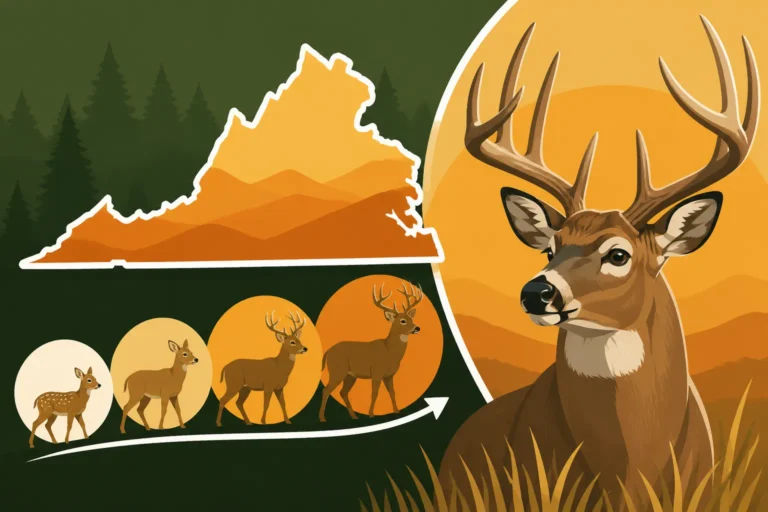
For Virginia hunters, few topics cause as much anxiety and confusion as Chronic Wasting Disease, or CWD. It’s a silent, relentless threat to our deer herd, and for those who cherish the annual tradition of chasing whitetails in the Shenandoah Valley, the news of its spread can feel like a heavy blow. This guide is here to unravel the complexities of CWD, focusing specifically on how it has taken root and continues to spread through our beloved Shenandoah Valley, and what it means for you, the dedicated hunter.
Understanding Chronic Wasting Disease
Chronic Wasting Disease is one of those terms that can immediately send a shiver down a hunter's spine. It's a fatal neurological disease affecting deer, elk, and moose (cervids), and once an animal contracts it, there’s no recovery. The insidious nature of CWD lies in its slow progression and how it can silently spread through a herd before anyone even realizes what’s happening.
What CWD Is and How It Affects Deer
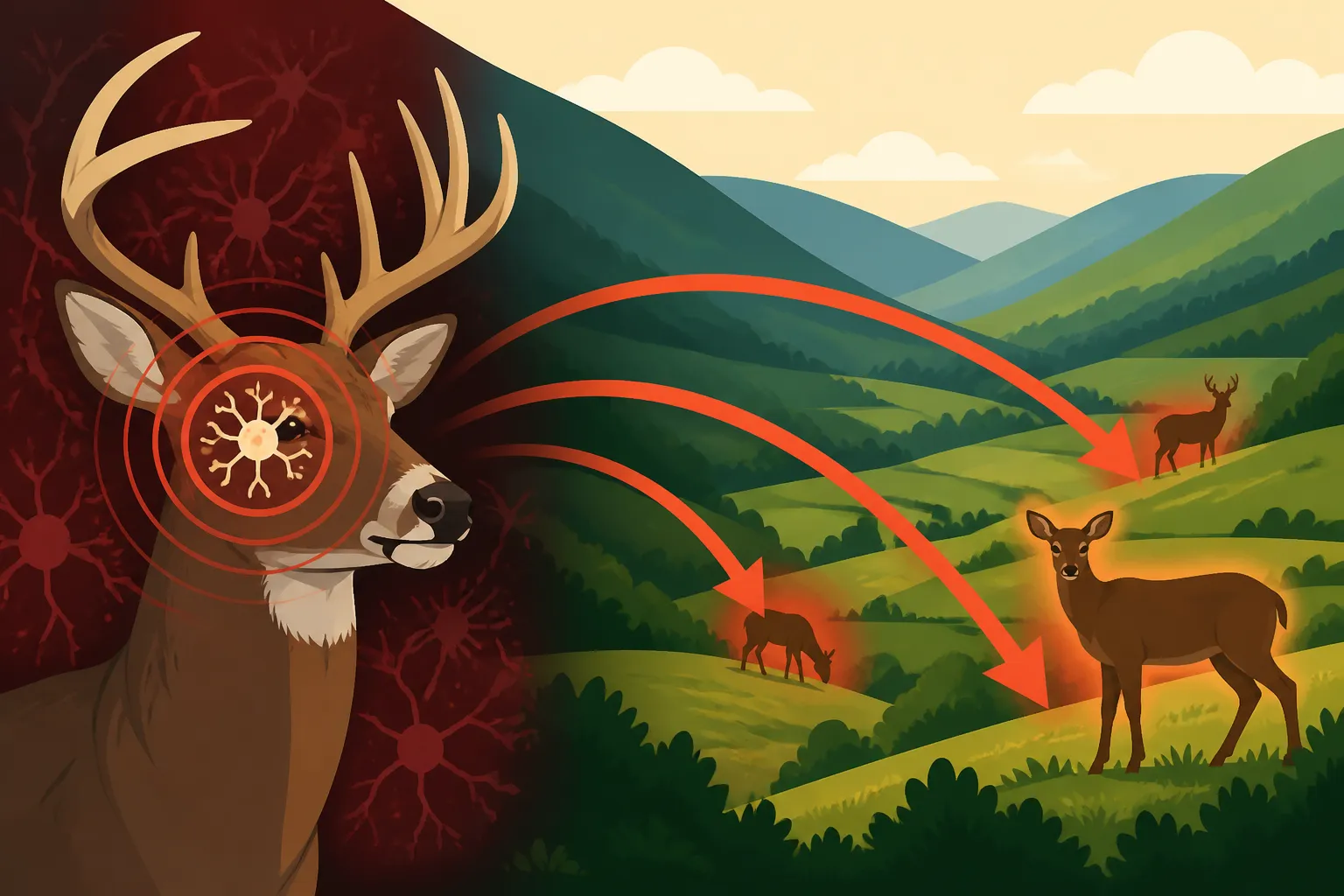
At its core, CWD is caused by abnormal proteins called prions. These aren't like bacteria or viruses; they're misfolded proteins that cause normal proteins in the animal's brain to also misfold. Imagine a domino effect, but instead of dominos, it's brain tissue gradually deteriorating. The affected deer begin to show symptoms like drastic weight loss, stumbling, listlessness, excessive drooling, and an overall blank stare. It's truly heartbreaking to witness. The term "wasting" accurately describes the progression, as the animal literally wastes away. It can take months, sometimes even years, from the initial infection for symptoms to appear, which is precisely what makes it so difficult to detect and contain early on. This long incubation period means that an outwardly healthy deer can still be a carrier, shedding prions into the environment long before it looks sick.
The Prion Problem and Environmental Persistence
One of the most frustrating and challenging aspects of CWD is the nature of these prions. Unlike viruses or bacteria that can be killed with disinfectants or heat, prions are incredibly resilient. They can persist in the environment – in soil, plants, and even water – for years, possibly decades. This means that an area where a CWD-positive deer has died or even just spent time feeding or urinating can remain infectious long after the deer is gone. It’s not just direct deer-to-deer contact that spreads the disease; the environment itself becomes a reservoir. This environmental persistence makes eradication virtually impossible, shifting the focus from elimination to containment and slowing the spread. For hunters, this translates into a heightened sense of vigilance, knowing that the soil itself could be a potential vector in certain areas. Understanding these complexities is vital for anyone engaging with wildlife in affected regions.
The Arrival and Initial Detection of CWD in Virginia
For many years, CWD felt like a distant threat, something happening out west, or in other states. Then, in the early 2000s, it hit home. The news of CWD arriving in Virginia sent ripples of concern through the hunting community, especially as the disease made its presence known in the very heart of the state's most cherished hunting grounds.
Virginia's First Confirmed CWD Case
Virginia confirmed its first case of CWD in November 2009. The discovery was made in a white-tailed deer harvested in Frederick County, deep within the northern Shenandoah Valley. This was a pivotal moment, marking the shift from "if" to "when" for many hunters and wildlife managers. The detection didn't come as a complete shock to those closely monitoring the disease's movement across the landscape. Neighboring states had already reported cases, and the geographical proximity meant it was only a matter of time before it crossed into Virginia. The Department of Wildlife Resources (DWR) had already implemented surveillance programs, anticipating this very scenario. The immediate response was a blend of concern and determination, knowing that the fight against CWD was now a very real, local battle. This initial case immediately put Frederick County, and by extension, the broader northern Shenandoah Valley, on high alert.
Early Surveillance and Testing Efforts
Following the initial detection, the DWR intensified its surveillance and testing efforts dramatically, particularly in the Shenandoah Valley. This involved collecting samples from hunter-harvested deer, road-killed deer, and any deer exhibiting clinical signs of the disease. Hunters became crucial partners in this effort, voluntarily submitting heads for testing. Initially, the focus was on a targeted area around Frederick County, which quickly became known as the first CWD Disease Management Area, or DMA1. The goal was to understand the extent of the infection, to see if it was an isolated incident or if the disease had already established a foothold. Early on, the process involved establishing drop-off sites, organizing special CWD check stations during opening weekends, and communicating transparently with the hunting public. Programs like GoHunt, with its comprehensive mapping capabilities, became invaluable for hunters trying to keep up with changing regulations and locate these testing sites. It was a steep learning curve for everyone, but the cooperation between the DWR and the hunting community was, and remains, paramount. These early efforts laid the groundwork for the more extensive CWD management strategies we see today, as the DWR worked diligently to map out the disease's presence.
Factors Contributing to CWD Spread in the Shenandoah Valley
The Shenandoah Valley, with its unique blend of agricultural lands, forested mountains, and bustling communities, presents a complex landscape for CWD management. Several factors inherent to the region and deer behavior have unfortunately contributed to the disease's gradual but persistent spread.
Deer Movement Patterns and Population Density
Deer aren't static creatures, and their natural movements are a primary driver of CWD spread. In the Shenandoah Valley, deer populations can be quite healthy, leading to higher densities in certain areas. When deer density is high, the frequency of direct contact between animals increases, making it easier for the disease to transmit. Bucks, especially during the rut, travel significant distances in search of does, potentially carrying the disease over larger areas. A buck pursuing a doe across multiple properties or even into adjacent counties can unwittingly spread prions. Similarly, social behaviors like nose-to-nose contact, shared food plots, and common bedding areas provide ample opportunities for transmission. The Valley's mix of open fields and timbered ridges creates prime deer habitat, supporting robust herds, which, while great for hunting, also facilitates the spread of infectious diseases like CWD. The DWR constantly monitors Virginia Deer Population Estimate and Deer Density East and West of the Blue Ridge to better understand these dynamics.
Human-Assisted Spread and Carcass Movement
While natural deer movement is a factor, human activity has unfortunately played a significant, albeit often unintentional, role in CWD's spread. The most critical human-assisted vector is the movement of deer carcasses from CWD-positive areas. When a hunter harvests a deer in a DMA and then transports the entire carcass, or high-risk parts like the brain and spinal cord, to an unaffected area, they risk depositing prions in a new location. For instance, if a hunter from Augusta County harvests a deer in Frederick County (part of DMA1) and processes it at their home, any leftover tissue or bone scraps could introduce prions to their property or local landfill, potentially infecting local deer.
This concern is why the DWR has strict regulations regarding Moving a Deer Carcass Out of a DMA. Hunters are strongly advised to debone deer or remove only specific low-risk parts (like deboned meat, cleaned skull plates, or capes) before leaving a CWD management area. It’s a real challenge, especially for those who travel to hunt, but it’s a crucial step in preventing further spread. Even shedding clothing or equipment that has come into contact with a CWD-positive deer could, theoretically, contribute to the problem, emphasizing the need for meticulous cleaning.
The Role of Natural Waterways and Landscapes
The topography of the Shenandoah Valley, characterized by its prominent river, smaller creeks, and undulating landscape, can also influence CWD spread. While not as direct a vector as deer movement or carcass transport, water sources can act as prion conduits. If infected deer frequent a particular stream or pond, prions shed through saliva, urine, or feces could accumulate in the sediment and potentially infect other deer that use the same water source. The Valley’s many small drainages and springs, essential for deer survival, become potential points of contact. Furthermore, geological features like ridge lines and valleys can either channel deer movement, concentrating them in certain areas, or act as soft barriers, influencing the direction of spread. Understanding these environmental factors, often viewable on detailed mapping apps like GoHunt, is part of the larger puzzle in comprehending CWD’s relentless march.
The Shenandoah Valley's CWD Footprint Today
The initial detection in Frederick County was just the beginning. Over the years, CWD has expanded its footprint, leading to the designation of specific Disease Management Areas (DMAs) to help contain and manage the spread. This has reshaped how hunting is conducted in significant portions of the Shenandoah Valley.
Current CWD Management Areas (DMAs) in the Shenandoah Valley
The Shenandoah Valley is home to Virginia's primary and longest-standing CWD Management Area, DMA1. This area encompasses multiple counties and serves as the epicenter of Virginia's CWD response. The rules within DMA1 are designed to minimize the risk of spreading the disease further, and they impact hunters significantly. For example, mandatory CWD testing of all harvested deer is often required on specific dates or throughout the season within parts of these DMAs, especially during the early phases of a new detection or in high-prevalence areas. Hunters must be aware of DMA1 Shenandoah Valley Rules and other related guidelines that outline everything from carcass transport restrictions to feeding bans.
The boundaries of these DMAs can be complex, often following county lines, major roads, or natural features. Staying informed about exactly which areas are included is critical. Using resources like the DWR website or a mapping application such as GoHunt, which often provides up-to-date land management information, can help hunters navigate these zones effectively. It's not uncommon for DMA boundaries to shift or expand as new cases are detected, requiring hunters to constantly adapt their knowledge and practices.
Virginia's CWD Counties and Prevalence Rates
Today, CWD is established in a growing number of counties in Virginia, primarily concentrated in the northern and central Shenandoah Valley. While the initial case was in Frederick, the disease has since been detected in surrounding counties, expanding the reach of DMA1.
Here’s a simplified look at some of the key counties within or adjacent to the primary CWD zone in the Shenandoah Valley:
| County Name | CWD Status (as of 2024-2025 season guidance) | General Location (Shenandoah Valley) | Key Rules/Considerations |
|---|---|---|---|
| Frederick County | Confirmed CWD, part of DMA1 | Northern Valley | Strict carcass transport rules, mandatory testing periods |
| Clarke County | Confirmed CWD, part of DMA1 | Northern Valley | Similar rules to Frederick, close monitoring |
| Shenandoah County | Confirmed CWD, part of DMA1 | Central Valley | Expanded surveillance, feeding ban often in effect |
| Warren County | Confirmed CWD, part of DMA1 | Northern/Central Valley | Ongoing testing, emphasis on hunter cooperation |
| Page County | Confirmed CWD, part of DMA1 | Central Valley | Newer detections, increasing surveillance |
| Augusta County | Adjacent/Monitored, some detections | Southern/Central Valley | Increased surveillance, awareness crucial for hunters |
| Rockingham County | Confirmed CWD, part of DMA1 | Central Valley | Recent additions to DMA, expanded testing efforts |
Note: This table represents general information; always check the latest Virginia DWR regulations for precise, up-to-date county statuses and rules for Virginia's Eighteen CWD Counties.
The prevalence rates, meaning the percentage of deer testing positive for CWD in a given area, can vary significantly. In some areas, the rate might be low, a fraction of a percent, while in others, particularly in the core of DMA1, it can be higher. This is why ongoing surveillance, including Mandatory Testing Inside a Virginia DMA, is so crucial. Each year, the DWR compiles data on How Many Deer Tested CWD-Positive in 2025-26 (referring to general annual reports, not a specific year's number which will change) to track trends and adapt management strategies. These numbers, though sometimes disheartening, provide the scientific basis for all the regulations hunters face.
Hunter's Role in CWD Management and Slowing the Spread
As hunters, we are often the first line of defense and the most critical partners in managing wildlife populations. This responsibility is amplified when it comes to diseases like CWD. Our actions in the field, and even after the hunt, directly influence the disease's trajectory.
Mandatory Testing and Reporting Requirements
One of the most direct ways hunters contribute to CWD management is through mandatory testing and reporting. When you harvest a deer in a CWD-affected county or DMA, the Virginia DWR often requires you to submit the head for testing during specific periods. This isn't just about compliance; it's about providing essential data that helps wildlife biologists understand the disease's spread and prevalence. It helps them identify new areas where CWD might be emerging and track its intensity in established zones.
The process is generally straightforward: after harvesting your deer and completing any immediate field dressing, you'll need to locate a DWR CWD sampling station or a designated drop-off site. Many hunters, especially those relying on digital tools, use apps like GoHunt or the DWR's official app to quickly find the nearest Finding a Virginia CWD Sampling Location. These sites are usually well-marked, and DWR staff or trained volunteers are often on hand to collect samples and answer questions. Remember to always report your deer harvest through the DWR's system, whether online or via the app. This comprehensive data collection, combined with testing, is indispensable for effective management.
Avoiding Artificial Feeding
While deer feeders and bait piles might seem like a harmless way to attract deer, especially on private land, they become problematic in the context of CWD. These congregation points dramatically increase the chances of direct deer-to-deer contact, as well as environmental contamination. A single CWD-infected deer visiting a feeder can deposit prions through saliva, urine, or feces, which can then be picked up by countless other deer visiting the same spot. This is why Virginia's Twenty-Five-Mile Feeding Ban is implemented in CWD-affected areas.
This ban isn't just about baiting for hunting; it's about any artificial feeding of deer, including mineral blocks or food plots that are not managed appropriately. It’s a tough adjustment for many landowners and hunters who have a long tradition of supplemental feeding, but it's a critical measure to reduce the density and interaction that fuels CWD spread. Think of it like social distancing for deer – the less they congregate unnaturally, the harder it is for the disease to jump from one animal to another. It requires a shift in mindset, prioritizing herd health over convenience.
Safe Carcass Handling and Disposal
Beyond testing and avoiding feeding, how you handle and dispose of your harvested deer carcass is paramount. As mentioned, moving high-risk parts (brain, spinal cord, lymph nodes) out of a CWD management area poses a significant risk. The general rule is: if you kill it in a CWD zone, process it in that zone. If you must transport it, debone the meat completely and leave the skeleton, head, and any other high-risk materials behind in the county of harvest, ensuring proper disposal in an approved landfill. Never dispose of carcasses on your property in an unaffected area if the deer was harvested in a DMA.
It's also advisable to clean your processing tools, clothing, and vehicle thoroughly after handling a CWD-positive or even suspected CWD-positive deer. While human transmission has never been documented, taking every precaution is wise. This diligent approach to carcass handling isn't just a regulatory requirement; it's a responsible ethical practice that every hunter must embrace to protect our future hunting heritage. Understanding these guidelines can greatly assist in preventing the further spread of CWD.
Impact of CWD on Deer and Hunting in the Valley
The presence and spread of CWD have undeniably changed the landscape of deer hunting in the Shenandoah Valley. Beyond the direct threat to individual animals, the disease has brought about regulatory changes, altered hunter behavior, and initiated broader conversations about wildlife management.
Herd Health and Potential Long-Term Effects
On a biological level, CWD directly impacts the health of our deer herd. While it might take years to see widespread population declines, sustained high prevalence rates can lead to reduced deer numbers, particularly among older age classes of bucks and does. This is because infected deer eventually succumb to the disease, removing them from the breeding population. A declining population of mature animals can affect the overall genetic health and age structure of the herd. The DWR constantly monitors these trends, using the data from harvested deer and observations from the field to assess the long-term health of the Virginia deer population.
Another concern is the potential for other diseases to take hold in CWD-weakened deer. While CWD itself is fatal, it can also compromise a deer's immune system, making them more susceptible to other illnesses or environmental stressors. For hunters, seeing a formerly robust herd show signs of decline, even subtle ones, can be incredibly disheartening. It underscores the importance of our collective efforts to mitigate the spread and support the DWR's management strategies.
Changes to Hunting Regulations and Hunter Behavior
The presence of CWD has led to significant shifts in hunting regulations within the Shenandoah Valley. These aren't arbitrary rules; they are scientifically driven responses aimed at slowing the disease. We've already touched on mandatory testing, carcass transport restrictions, and feeding bans, but other changes might include specific tag requirements, special hunt seasons to reduce deer density in affected areas, or even changes in antler point restrictions to encourage the harvest of a broader range of deer.
These changes inevitably influence hunter behavior. Some hunters might choose to hunt less in CWD zones, while others might become even more dedicated to participating in management efforts. It changes how you prepare for a hunt – no longer is it just about scouting and gear; it’s about checking the latest DWR regulations, understanding DMA boundaries, and knowing where and when to submit your deer for testing. Tools like GoHunt are a fantastic resource for keeping track of these dynamic regulations. For many, it means a more conscientious approach to hunting, where being an informed and responsible steward of the land and its wildlife takes on an even deeper meaning. It's a testament to the resilience and dedication of Virginia hunters that they adapt to these challenges year after year.
Virginia DWR's Response and Future Outlook
The Virginia Department of Wildlife Resources (DWR) has been at the forefront of the state's CWD response since the initial detection. Their approach is multi-faceted, combining scientific research, adaptive management strategies, and extensive public outreach.
Management Strategies and Research Initiatives
The DWR's CWD management strategies are designed to contain the disease, slow its spread, and minimize its impact on Virginia's deer herd. These strategies are dynamic, constantly evolving as new research emerges and as the disease's footprint changes. Key components include:
- Surveillance and Monitoring: Extensive testing of harvested and suspect deer to map prevalence and distribution. This involves DWR staff, but also relies heavily on hunter participation at check stations and drop-off points.
- Population Management: In some high-prevalence areas, the DWR may implement increased antlerless harvest opportunities or special hunts to reduce deer density, thereby reducing deer-to-deer contact. This is a delicate balance, as overt reductions can also impact hunting opportunities. Understanding Virginia Deer Season Structure Explained helps hunters see where these management tools fit.
- Regulatory Framework: Implementing and enforcing regulations such as carcass transport restrictions, feeding bans, and mandatory testing to prevent human-assisted spread.
- Research: Collaborating with universities and other agencies to better understand CWD prions, environmental persistence, deer resistance, and effective management techniques. This includes looking at everything from soil composition impacts to deer genetic factors.
- Public Education and Outreach: Continuously informing hunters and the general public about CWD, its risks, and the importance of compliance with regulations. The DWR website and outreach events are crucial for this.
These strategies are not about eradication, which is largely considered impossible given the nature of prions, but rather about effective long-term management to ensure healthy deer populations can persist alongside the disease.
Adapting to a CWD-Positive Landscape
The reality for hunters in the Shenandoah Valley, and potentially other parts of Virginia in the future, is that CWD is likely here to stay. This means adapting to a new normal where CWD management is an inherent part of the hunting experience. This adaptation involves:
- Staying Informed: Regularly checking DWR regulations and news updates, especially before and during hunting season.
- Responsible Hunting Practices: Diligently following all CWD-related regulations, from testing to carcass disposal. This includes being aware of zones and using reliable mapping tools to know where you are hunting.
- Supporting DWR Efforts: Participating in voluntary testing programs, providing observations from the field, and spreading accurate information to fellow hunters.
- Meat Safety: While there is no evidence of CWD infecting humans, the Centers for Disease Control and Prevention (CDC) and Virginia DWR recommend not consuming meat from CWD-positive deer. Getting your deer tested in a DMA is crucial for making informed decisions about consumption.
It’s a challenging road ahead, but the resilience of Virginia's hunting community and the dedication of the DWR offer hope that we can continue to enjoy our hunting traditions responsibly, even in a CWD-positive world. The goal is to minimize the impact on deer populations and ensure that future generations can experience the joy of hunting in our beautiful Commonwealth.
Disclaimer
The information provided in this article is for general guidance and informational purposes only. Hunting regulations, CWD management areas, and specific rules are subject to change. Always consult the most current Virginia Department of Wildlife Resources (DWR) regulations and official publications before participating in any hunting activities.