Virginia’s Eighteen-County CWD Footprint
It’s a tough reality to face, but Chronic Wasting Disease (CWD) is a persistent and growing challenge for Virginia hunters. The concern isn't just about a few isolated cases anymore; it's about a widening footprint across our beloved Commonwealth, impacting our deer herds and, by extension, our hunting traditions. This guide aims to demystify CWD, outlining its current reach, explaining the regulations in place, and empowering you with the knowledge needed to hunt responsibly and contribute to the health of Virginia's deer population.
Understanding Chronic Wasting Disease and Its Threat
When we talk about the health of our deer herds, few topics carry as much weight and concern as Chronic Wasting Disease. It's not just a passing issue; it's a fundamental challenge to the future of deer hunting as we know it in Virginia and beyond.
The Silent Predator: What is CWD?
Chronic Wasting Disease is a neurological disease that affects cervids – that’s deer, elk, and moose, among others. What makes CWD particularly insidious is that it's caused by abnormal proteins called prions, not a bacteria or virus. These prions slowly accumulate in the brain and other tissues, leading to a progressive degeneration of the brain. Think of it like a slow-motion unraveling of the animal's nervous system. The affected animal will eventually show signs like extreme weight loss (hence "wasting"), stumbling, drooling, a vacant stare, and overall behavioral changes. It's always fatal, and there is currently no cure or vaccine.
The prions are incredibly resilient. They can persist in the environment for years, even after an infected animal has died and decomposed. This means that contaminated soil, plants, and even other animal carcasses can serve as a reservoir for the disease. Once an area is infected, eradicating CWD is virtually impossible with current technology. This environmental persistence is one of the primary reasons why CWD is such a formidable opponent for wildlife managers and hunters alike. The scientific community is still working tirelessly to understand the full scope of how these prions operate and how they might be mitigated in the environment.
Why CWD is a Major Concern for Virginia Hunters
For us hunters, the implications of CWD are profound and deeply concerning. First and foremost, there's the health of the deer herd itself. As CWD prevalence increases in a localized area, it can lead to declining deer populations, impacting hunting opportunities and the overall ecological balance. No one wants to see a once-thriving deer population diminish, or to harvest an animal that isn't healthy.
Beyond population impacts, there are human health considerations, though it's important to state that to date, there have been no documented cases of CWD transmission to humans. However, public health agencies, like the CDC, strongly recommend against consuming meat from CWD-positive animals. This means if you harvest a deer in an affected area, and it tests positive, that venison is off-limits. This adds a layer of uncertainty and responsibility to every hunt, particularly in the affected zones. The Virginia Department of Wildlife Resources (DWR) takes this very seriously, and we as hunters need to be diligent in following their guidance.
Finally, the regulatory landscape for hunting is directly affected. CWD necessitates stricter rules around deer feeding, carcass transportation, and mandatory testing. These rules, while absolutely necessary for disease management, can add complexity to our hunting plans and routines. It’s a bitter pill to swallow when you're used to the freedom of the outdoors, but understanding and adhering to these regulations is critical for protecting both the deer and our hunting heritage. It’s a collective effort, and every hunter plays a part in mitigating the spread.
Charting the CWD Footprint: Virginia's Eighteen-County Reach
Understanding where CWD is found in Virginia is the first step in responsible hunting. The disease isn't uniformly spread across the state; it has a distinct footprint that has been expanding since its initial detection.
The Initial Outbreak: How CWD Entered Virginia
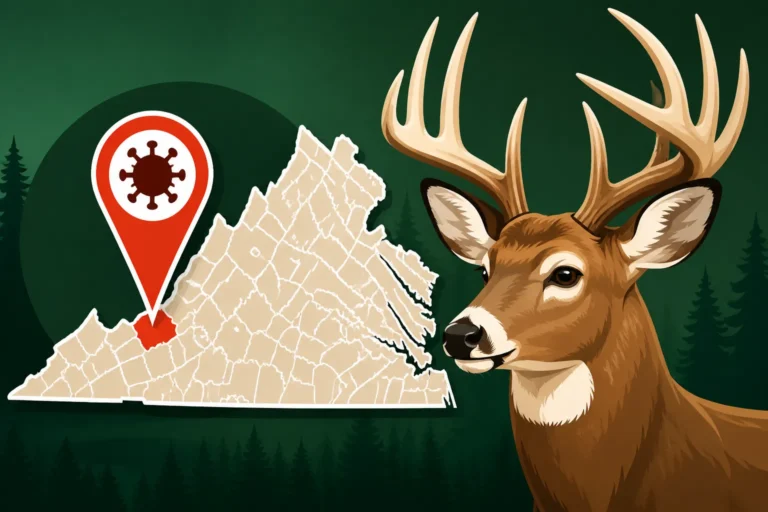
CWD first made its unwelcome appearance in Virginia in 2009, detected in a deer harvested in Frederick County. This was a significant and concerning moment for the DWR and hunters across the state. Frederick County, situated in the northernmost part of the Shenandoah Valley, became ground zero. The discovery immediately triggered enhanced surveillance efforts and the establishment of Virginia’s first Disease Management Area (DMA).
Initially, the focus was heavily on containing the spread from this epicenter. Scientists believe CWD likely entered Virginia through natural deer movement from neighboring states where the disease was already established, or potentially through the movement of infected captive deer. Regardless of the exact vector, once it was here, the insidious nature of the prion meant it was set to stay and gradually expand its reach. This early detection and subsequent response by the DWR were crucial in beginning to understand and manage the threat, though the challenge of containing a disease that leaves an environmental fingerprint is immense. Learning about How CWD Spread Through the Shenandoah Valley can provide even more context on this initial phase.
Mapping the Current Eighteen Counties Affected
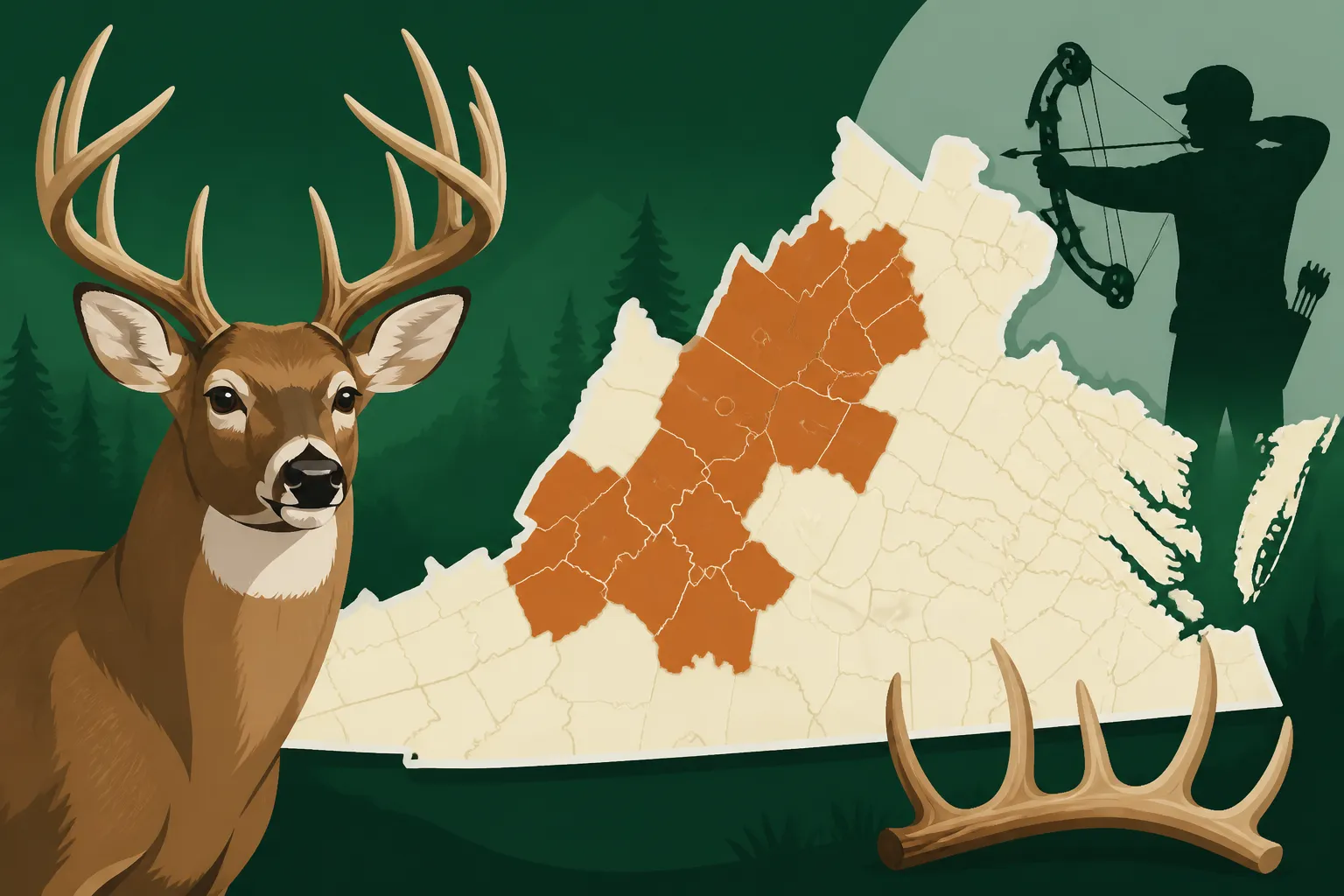
Since that first detection, CWD has slowly but surely expanded its presence in Virginia. As of recent updates, the CWD footprint now includes eighteen counties across the Commonwealth, primarily concentrated in the northern and western parts of the state. These counties are:
- Frederick
- Clarke
- Warren
- Shenandoah
- Page
- Madison
- Culpeper
- Fauquier
- Loudoun
- Rockingham
- Augusta
- Highland
- Bath
- Alleghany
- Botetourt
- Roanoke
- Montgomery
- Pulaski
This list is a stark reminder of the disease’s persistent spread. What started in one county has now touched many. Hunters operating in or near these areas must be particularly vigilant and informed. When you're planning a hunt, perhaps using a tool like GoHunt to scout and check property boundaries, it’s just as important to check the DWR's latest CWD map against your hunting location. Knowing if your hunting grounds fall within one of these counties is absolutely critical for complying with regulations and practicing ethical hunting.
How the Disease Spreads Within and Between Herds
CWD spreads through direct contact between deer and indirectly through environmental contamination. Direct contact typically occurs through saliva, urine, and feces. For instance, a CWD-positive deer might lick a branch, and another deer subsequently licks the same spot, potentially picking up prions. Social behaviors like grooming or aggressive interactions can also facilitate transmission. It's a cruel irony that the very behaviors that help deer thrive as a species can also contribute to the spread of this devastating disease.
The indirect spread, however, is arguably the most challenging aspect to manage. Infected prions are shed by live animals and can accumulate in the soil, water sources, and even on plant surfaces. When a healthy deer grazes or drinks in a contaminated area, it can ingest these prions and become infected. Carcasses of CWD-positive deer, if not handled properly, can also release prions into the environment as they decompose. This environmental reservoir means that even if all infected deer were removed from an area, the prions could remain, waiting to infect new animals. This is why strict carcass movement restrictions and feeding bans are so important, as they aim to limit the deposition and concentration of these prions in new locations.
Navigating Virginia's Disease Management Areas (DMAs)
To combat CWD, the Virginia DWR has established specific Disease Management Areas (DMAs). These aren't just lines on a map; they come with strict regulations designed to slow the spread of the disease.
DMA1: The Epicenter and Its Evolving Boundaries
DMA1 is Virginia's original and largest CWD management zone, centered around the initial outbreak counties in the northern Shenandoah Valley. It encompasses Frederick, Clarke, Warren, Shenandoah, and Page counties, and has seen the highest prevalence of CWD cases. The DWR has had to expand its boundaries and adjust regulations within DMA1 over time as new detections occurred. For hunters, being in DMA1 means you are operating in an area with a known, active CWD presence, and your responsibilities are heightened.
Within DMA1, specific rules apply, such as mandatory CWD testing for deer harvested during certain periods and strict carcass transport regulations. These measures are critical, even if they sometimes feel like an added burden. The DWR also focuses intensive surveillance efforts here, constantly monitoring the deer population for new cases and trying to understand the disease's dynamics. Understanding these evolving boundaries is essential. When planning your hunt, whether you're using a detailed map or a robust hunting app like GoHunt to mark potential stand locations, always cross-reference with the latest DWR DMA map. It's the only way to ensure you're fully compliant and contributing positively to disease management. Why DMA1 Holds the Most Confirmed Cases is a great resource if you want to dive deeper into the history and impact of this region.
DMA2, DMA3, and DMA4: Expanding Surveillance and Regulations
Beyond DMA1, Virginia has established additional DMAs as CWD has been detected in new areas.
- DMA2 includes counties further south in the Shenandoah Valley and extending eastward, such as Rockingham, Augusta, and most recently, in 2025, parts of Fauquier County and Loudoun County were added. This expansion highlights the continuous monitoring and the unfortunate reality of CWD's creeping spread. The regulations in DMA2 mirror many of DMA1's, with an emphasis on preventing further spread into uninfected territories.
- DMA3 was established in southwest Virginia, centered around counties like Montgomery and Pulaski after CWD was detected there. This indicates separate introductions of the disease into the state, emphasizing the need for vigilance across all regions.
- DMA4 is the newest addition, specifically including parts of Culpeper and Madison counties. This DMA, like the others, means concentrated efforts for surveillance and specific restrictions on deer and deer products moving out of the zone.
Each DMA is a targeted response to new CWD detections, indicating DWR’s commitment to isolating and managing the disease. It means hunters in these newly designated areas need to quickly adapt to a new set of rules and responsibilities. The DWR provides detailed maps and updated regulations for each DMA on its website, and it's imperative to consult these before heading out.
Understanding the Implications of DMA Regulations
The regulations within DMAs are not arbitrary; they are carefully designed to minimize CWD transmission. The most significant implications for hunters typically involve:
- Mandatory CWD Testing: During specific periods (often the first week of firearms season, but check current regulations for specifics), deer harvested within a DMA, especially DMA1, must be taken to a DWR sampling station for CWD testing. This is a crucial data-gathering effort to track prevalence and spread. This might mean an extra stop on your way home, but it’s a vital step.
- Carcass Movement Restrictions: This is perhaps the most impactful regulation. Hunters are generally prohibited from moving whole deer carcasses or certain parts (like brains or spinal cord) out of a DMA. The logic is simple: if you transport an infected carcass, you could inadvertently deposit prions in a new, uninfected area. This means you need to process your deer within the DMA, leaving high-risk parts behind, or transport it directly to an approved processor within or outside the DMA, provided the processor knows and follows specific protocols.
- Feeding and Attractant Bans: To prevent deer from congregating in ways that facilitate disease transmission, feeding deer or using attractants (like mineral licks or corn) is often prohibited within DMAs. You can find detailed information on Virginia's Twenty-Five-Mile Feeding Ban as it often correlates with DMA boundaries and CWD risk areas. This regulation aims to reduce direct deer-to-deer contact at bait sites, which could accelerate CWD spread.
Navigating these rules requires planning. If you hunt in a DMA, you should familiarize yourself with the processing requirements before you even pull the trigger. Consider boning out your deer in the field or having a local processor lined up. Ignorance of the rules is not an excuse, and violations can carry significant penalties.
Your Role: Mandatory Testing, Carcass Movement, and Ethical Hunting
As hunters, we are often the first line of defense in wildlife management. When it comes to CWD, our actions are more critical than ever. We have a responsibility to be informed and to participate in efforts to monitor and control this disease.
Participating in Mandatory CWD Testing
Mandatory CWD testing is not just a suggestion; it's a requirement in specific DMAs during certain times, usually during the opening days of firearms season for deer. This is how the DWR collects vital data on CWD prevalence and distribution. When you harvest a deer in a mandatory testing zone, you’ll need to take your deer (or at least its head, with specific instructions provided by DWR) to a designated CWD sampling station. These stations are typically set up at DWR offices, certain private businesses, or mobile locations during peak hunting times.
The process is generally straightforward: your deer's identification information is collected, and a lymph node sample is taken. This sample is then sent to a lab for testing. While waiting for results, you can usually proceed with processing your deer, but you’ll be advised on how to handle the meat if the results come back positive. The DWR does an excellent job of publicizing these sampling stations and their hours, so make sure to check their website or app before you head out, especially if you plan to hunt in a DMA. Remember, these efforts are for the collective good, providing critical data to protect our deer herds. For detailed information on specific requirements, refer to Mandatory Testing Inside a Virginia DMA.
Strict Rules for Moving Deer Carcasses
The rules around carcass movement are among the most stringent CWD regulations, and for good reason. Moving a CWD-infected carcass or high-risk parts (like the brain, spinal cord, lymph nodes, or spleen) out of a DMA poses a significant risk of establishing new infection sites. Imagine inadvertently carrying infected material from a known CWD area to a pristine new hunting spot—it’s a scenario every responsible hunter wants to avoid.
The DWR's regulations typically stipulate that only certain low-risk parts can be transported out of a DMA. These usually include:
- Deboned meat
- Clean hides (without heads attached)
- Clean skull plates (antlers attached, but no brain material)
- Teeth
- Finished taxidermy products
This often means you’ll need to bone out your deer in the field or take it to a licensed processor within the DMA. If you plan to take your deer to a taxidermist or processor outside the DMA, they must be aware of CWD regulations and equipped to handle the high-risk parts appropriately. Always check the latest DWR guidelines on Virginia Carcass Movement Restrictions before planning your hunt, especially if you're traveling a significant distance or crossing DMA boundaries.
Essential Reporting and Hunter Responsibilities
Beyond testing and carcass rules, simple harvest reporting remains a cornerstone of wildlife management. Every deer harvested in Virginia must be reported to the DWR. This data is crucial for assessing herd health, population trends, and the impact of diseases like CWD. Whether you report through the DWR’s mobile app or their website, it’s a quick and essential step after every successful hunt. Learning about Reporting a Deer Through Virginia's App makes this process even easier.
Furthermore, ethical hunting practices extend to being a vigilant observer in the field. If you see a deer exhibiting signs consistent with CWD (severe weight loss, lack of coordination, excessive drooling, or abnormal behavior), report it immediately to the DWR. Do not harvest an obviously sick animal unless instructed to do so by DWR personnel. Your observation could be critical in identifying new areas of concern or in confirming suspected cases. As hunters, we are the eyes and ears of wildlife management, and our responsible participation is paramount to protecting the future of hunting in Virginia.
The Future of CWD Management and Hunting in Virginia
The fight against CWD is a long-term commitment, requiring continuous effort from wildlife agencies, researchers, and, most importantly, hunters. The future of our deer herds and hunting traditions depends on our collective ability to adapt and respond effectively.
DWR's Strategy: Research, Surveillance, and Hunter Education
The Virginia Department of Wildlife Resources is at the forefront of CWD management in the Commonwealth. Their strategy is multi-faceted, built on a foundation of scientific research, robust surveillance, and comprehensive hunter education. DWR biologists collaborate with universities and other state agencies to understand the intricate biology of CWD prions, how they spread, and potential mitigation strategies. This includes studying environmental persistence, genetic resistance in deer, and the impact of various management actions. This research is vital to developing new tools and approaches in the fight against CWD.
Surveillance is another critical pillar. This involves ongoing testing of harvested deer, targeted sampling of symptomatic animals, and monitoring deer populations for signs of decline. The mandatory testing in DMAs is a direct component of this surveillance, providing the data needed to track the disease’s prevalence and geographic spread. Beyond data collection, DWR dedicates significant resources to hunter education. This guide is an example of that effort, aiming to ensure that every hunter understands the risks, regulations, and their role in preventing CWD’s spread. Without informed hunters, any management strategy would be severely hampered. DWR’s commitment to transparency and ongoing updates through its website and various communication channels is key to keeping us all in the loop.
Adapting Hunting Practices for a CWD World
As hunters, we must acknowledge that CWD introduces new considerations into our traditional hunting practices. It’s no longer just about scouting, tracking, and making a good shot; it’s also about CWD awareness and compliance. This means:
- Pre-hunt Planning: Before you even leave the house, know if your hunting area is in a CWD DMA. Consult the DWR maps and regulations. Use mapping applications like GoHunt to mark your stands, entry routes, and potential DWR check stations or processors within DMAs.
- Ethical Harvest Decisions: If a deer appears visibly ill or emaciated, consider passing on it. Report such sightings to the DWR. While CWD isn't always obvious, making ethical choices can prevent potential CWD-positive animals from entering the food chain or being transported to new areas.
- Field Dressing and Carcass Management: Be prepared to field dress your deer and possibly debone it in the field if you're in a DMA and plan to transport the meat out. Carry the necessary tools and bags to properly dispose of high-risk parts where they won't contaminate new areas.
- Post-Harvest Procedures: Understand the mandatory testing requirements and where your nearest sampling station is. Be patient with the process, knowing that your cooperation contributes directly to public health and wildlife conservation.
This adaptation isn't about giving up hunting; it's about evolving our practices to ensure that hunting remains a sustainable and responsible activity for generations to come. It’s also about understanding the wider context of deer management in Virginia, including Virginia Deer Population Estimate and how diseases like CWD impact it.
Community Engagement and Collaborative Solutions
Successfully managing CWD requires a truly collaborative approach. It's not just the DWR's fight; it's our fight as hunters, landowners, and conservationists. Community engagement plays a crucial role in sharing information, gathering observations, and fostering a collective sense of responsibility. Attend local DWR meetings, ask questions, and share your experiences. The more informed and engaged the hunting community is, the more effective our collective response to CWD will be.
Landowners also have a vital role, especially those who allow hunting on their property. Encouraging hunters to follow CWD guidelines, facilitating access for DWR surveillance, and being mindful of feeding practices can make a significant difference. Ultimately, CWD is a shared challenge that demands shared solutions. By working together, adhering to regulations, staying informed, and prioritizing the health of Virginia's deer herds, we can mitigate the impact of this disease and help safeguard the future of hunting in our beautiful state.
Here's a quick overview of Virginia's CWD-affected counties and their DMA status:
| County Name | DMA Status | First Detected/Added to DMA | Primary Region | Key Regulations/Notes |
|---|---|---|---|---|
| Frederick | DMA1 | 2009 (First in VA) | Northern Shenandoah Valley | Mandatory testing, carcass restrictions, feeding ban. |
| Clarke | DMA1 | 2010 | Northern Shenandoah Valley | Mandatory testing, carcass restrictions, feeding ban. |
| Warren | DMA1 | 2010 | Northern Shenandoah Valley | Mandatory testing, carcass restrictions, feeding ban. |
| Shenandoah | DMA1 | 2011 | Northern Shenandoah Valley | Mandatory testing, carcass restrictions, feeding ban. |
| Page | DMA1 | 2014 | Northern Shenandoah Valley | Mandatory testing, carcass restrictions, feeding ban. |
| Rockingham | DMA2 | 2016 | Central Shenandoah Valley | Mandatory testing (often), carcass restrictions, feeding ban. |
| Augusta | DMA2 | 2017 | Central Shenandoah Valley | Mandatory testing (often), carcass restrictions, feeding ban. |
| Highland | DMA2 | 2018 | Western Mountains | Mandatory testing (often), carcass restrictions, feeding ban. |
| Bath | DMA2 | 2021 | Western Mountains | Mandatory testing (often), carcass restrictions, feeding ban. |
| Alleghany | DMA2 | 2021 | Western Mountains | Mandatory testing (often), carcass restrictions, feeding ban. |
| Botetourt | DMA2 | 2022 | Western Highlands | Mandatory testing (often), carcass restrictions, feeding ban. |
| Roanoke | DMA2 | 2022 | Western Highlands | Mandatory testing (often), carcass restrictions, feeding ban. |
| Montgomery | DMA3 | 2020 | Southwest Virginia | Mandatory testing (often), carcass restrictions, feeding ban. |
| Pulaski | DMA3 | 2020 | Southwest Virginia | Mandatory testing (often), carcass restrictions, feeding ban. |
| Culpeper | DMA4 | 2023 | Piedmont/Northern VA | Newest DMA, targeted surveillance, carcass restrictions, feeding ban. |
| Madison | DMA4 | 2023 | Piedmont/Northern VA | Newest DMA, targeted surveillance, carcass restrictions, feeding ban. |
| Fauquier | DMA2 (parts) | 2025 (Expansion) | Northern Piedmont | Partial county inclusion, check specific boundaries, carcass restrictions, feeding ban. |
| Loudoun | DMA2 (parts) | 2025 (Expansion) | Northern Piedmont | Partial county inclusion, check specific boundaries, carcass restrictions, feeding ban. |
Note: DMA boundaries and regulations are subject to change. Always consult the official Virginia Department of Wildlife Resources (DWR) website for the most current information before hunting.
Disclaimer
The information provided in this guide is for general informational purposes only and does not constitute legal advice. Hunting regulations, including those related to Chronic Wasting Disease, are subject to change. Always consult the official Virginia Department of Wildlife Resources (DWR) website or contact them directly for the most current and accurate regulations before participating in any hunting activities. Adherence to all local, state, and federal laws is the sole responsibility of the individual hunter.