Mallards and Divers on the Chesapeake Bay
Hunting waterfowl on the vast, often unpredictable waters of the Chesapeake Bay can be one of the most exhilarating yet challenging pursuits for any Virginia hunter. The sheer scale of the Bay, its ever-changing tides, and the migratory patterns of ducks make for an incredible adventure, but also bring a unique set of frustrations. Whether you’re dreaming of green-headed mallards cupped over decoys in a quiet marsh or watching a squadron of canvasbacks buzz your layout blind in open water, understanding the distinct behaviors of these birds and the environment they call home is crucial. This comprehensive guide will dive deep into the world of mallards and diver ducks on the Chesapeake, helping you unlock the secrets to a successful and rewarding hunt.
Understanding the Chesapeake Bay's Waterfowl Magnetism
The Chesapeake Bay isn't just a large body of water; it's a dynamic, intricate ecosystem that acts as a vital stopover and wintering ground for millions of migratory waterfowl along the Atlantic Flyway. This unique environment is precisely what draws species like mallards and a variety of diver ducks year after year, offering them everything they need to survive the colder months.
Tidal Ecosystem and Rich Food Sources
The ebb and flow of the Chesapeake's tides play an enormous role in how ducks use the Bay. Unlike smaller, static ponds, the Bay's water levels are constantly shifting, uncovering and covering crucial feeding grounds. Shallow mud flats, submerged aquatic vegetation (SAV) beds, and marsh edges become accessible during certain tidal phases, and ducks know this intimately. For a hunter, understanding these tidal shifts is paramount. A spot that looked incredible at high tide might be a barren, exposed mud flat at low tide, or vice versa. The Bay's rich estuarine environment provides an abundance of food sources, from wild celery and sago pondweed for divers to grain left in flooded fields and diverse invertebrates for mallards. Knowing what specific food sources are prevalent in your chosen hunting area can give you a significant advantage, guiding your scouting efforts and decoy placements. Many veteran Bay hunters will tell you that finding the food is 90% of the battle, especially when you're dealing with pressured birds.
Critical Migration Flyway Dynamics
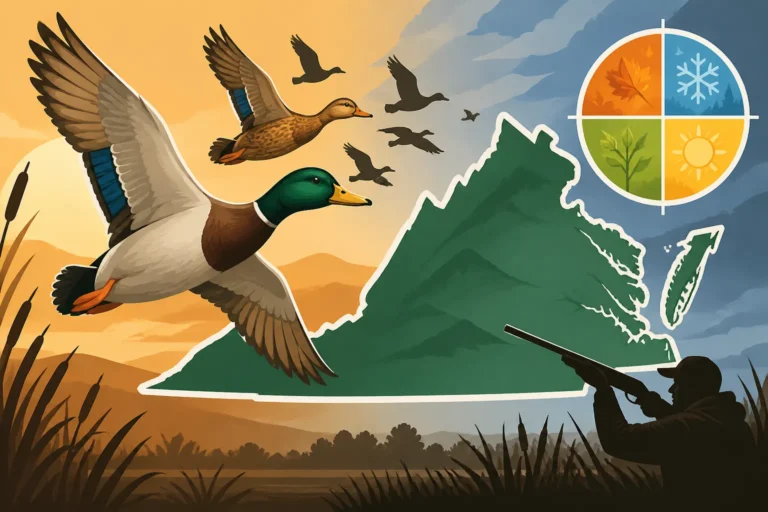
The Chesapeake Bay sits squarely within the Atlantic Flyway, a major migratory route for waterfowl traveling from their northern breeding grounds to warmer wintering areas. This strategic location means that the Bay sees a constant influx of new birds throughout the fall and winter seasons. Early in the season, you might encounter more local birds or those that haven't traveled far. As the colder weather pushes south, more birds arrive, bringing with them different behaviors and levels of hunting pressure. The sheer volume of birds that pass through or winter on the Chesapeake is astounding, contributing to why the Bay draws waterfowl every winter. From big pushes of mallards in late October to the arrival of canvasbacks and redheads when the true cold sets in, the migration dynamics dictate when and where different species will be most abundant. Keeping an eye on weather patterns to our north and tracking major cold fronts can often predict when the next wave of birds will arrive, making your planning with tools like GoHunt even more effective.
Decoding Mallard Habits on the Bay
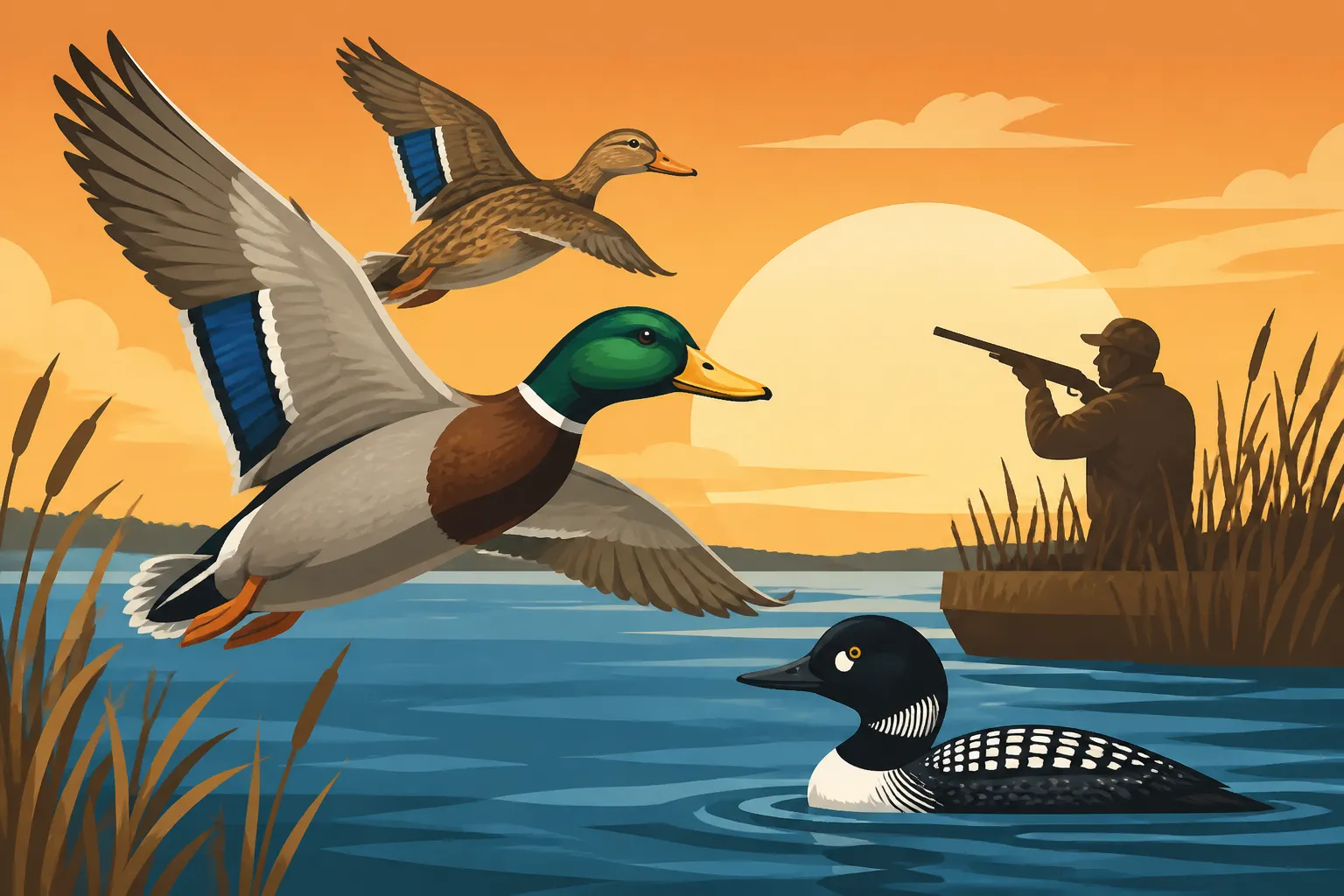
Mallards are arguably the most iconic duck species in North America, and they're certainly a favorite among Virginia waterfowlers. On the Chesapeake Bay, these "greenheads" present a unique challenge, often requiring a different approach than their diver cousins.
Preferred Habitats and Feeding Behaviors
Mallards are dabbling ducks, meaning they "tip up" to feed in shallow water rather than diving completely beneath the surface. This preference for shallow water dictates their habitat choices on the Bay. You'll typically find mallards congregating in freshwater marshes, tidal creeks, flooded agricultural fields adjacent to the Bay, and calmer, protected coves where water depths are manageable for their feeding style. They are incredibly opportunistic eaters, consuming a wide range of seeds, grains, and invertebrates. During the fall and winter, waste grain from harvested corn and soybean fields can be a massive draw, especially if those fields are flooded or have accessible puddles. This is why scouting these transition areas, where freshwater influence meets brackish Bay water, is so important. A classic scenario involves mallards feeding in a flooded cornfield during the early morning and then flying to a nearby tidal creek or marsh to loaf during the day, before returning to feed in the evening. Understanding this daily pattern is key to setting up your hunt.
Setting Up for Success in Shallow Waters
Hunting mallards on the Chesapeake often means setting up in shallow, protected areas. This could involve a permanent blind tucked into a marsh edge, a portable blind brushed into a shoreline, or even using a layout blind in a flooded field. The key is concealment and realistic decoy spreads. Mallards are wary birds, especially after they've been pressured. A successful decoy spread for mallards in shallow water will often mimic a feeding flock. This means using a good number of mallard decoys, often mixed with a few pintail or black duck decoys for added realism, spaced relatively close together to simulate contented ducks. Motion decoys, like spinning-wing or jerk-string models, can be incredibly effective in grabbing their attention from a distance, especially on calm days. When considering your setup, always think about the wind direction. Mallards almost always land into the wind, so position your decoys to give them a natural landing zone right in front of your blind, within comfortable shooting range. Don't forget to account for how the tide will affect your spread throughout the hunt; decoys placed too close to shore at high tide might be high and dry just a few hours later! For more on specific tactics, check out articles like Reading a Bay Marsh for a Morning Flight.
The World of Diver Ducks: Canvasbacks, Bluebills, and More
While mallards prefer the shallows, diver ducks thrive in the deeper, more open waters of the Chesapeake Bay. These powerful flyers offer a different kind of hunting experience, one often characterized by thrilling, high-speed approaches.
Diver Species Identification and Characteristics
The Chesapeake Bay is renowned for its populations of diver ducks, with species like Canvasbacks, Greater and Lesser Scaup (often called bluebills), Redheads, Ring-necked Ducks, and Buffleheads being common visitors. Each has its own distinct characteristics:
- Canvasback: Often considered the "king of ducks," the canvasback is a large, regal diver with a distinctive sloping profile. Males have a rich reddish-brown head and neck, a black chest, and a brilliant white body. They are incredibly fast flyers and primarily feed on submerged aquatic vegetation.
- Greater and Lesser Scaup (Bluebills): These medium-sized divers are very similar in appearance. Males have a black head and chest, white sides, and a gray back. Greater scaup tend to prefer saltier, deeper waters, while lesser scaup are more common in fresher, slightly shallower areas, but there's a lot of overlap. They often raft in huge numbers.
- Redhead: Males are easily identified by their round, reddish-brown heads, gray bodies, and black chests. They are often found mixed in with canvasbacks and scaup, and also feed heavily on SAV.
- Ring-necked Duck: Smaller than other divers, the male ring-neck has a distinctive black back, white sides, and a peaked black head. They prefer freshwater or slightly brackish environments and are often found closer to shore or in large rivers connected to the Bay.
- Bufflehead: A diminutive but striking diver, the male bufflehead is black and white with a large white patch on its head. They are often seen in small groups, even solitary, and prefer protected coves and tidal creeks within the larger Bay system.
Identifying these species correctly is important, not just for the challenge of hunting, but also for adhering to Virginia Duck and Goose Bag Limits, as specific species often have different daily limits.
Deep Water Feeding and Loafing Areas
Divers, as their name suggests, forage for food by diving underwater. This means they are drawn to deeper areas of the Bay where preferred food sources like wild celery, sago pondweed, and various mollusks and crustaceans are abundant. They often congregate in large "rafts" far from shore, resting and feeding in the open water. These rafts can number in the hundreds or even thousands of birds, presenting an incredible spectacle but also a challenge for hunters aiming to get close. They often feed for periods, then rest or loaf on the open water before resuming feeding. Their movements are largely dictated by the availability of food and, like all waterfowl, by hunting pressure. Recognizing these deep-water feeding and loafing areas, often identified by careful scouting or looking for large groups of birds through binoculars, is the first step in planning a diver hunt. The open Bay environment means they have excellent visibility, making concealment and realistic decoys even more critical.
| Feature | Mallard (Dabbler) | Diver Duck (e.g., Canvasback, Scaup) |
|---|---|---|
| Feeding Style | Tips up, skims, feeds in shallow water | Dives completely underwater to feed |
| Preferred Depth | Shallow water (6 inches to 3 feet) | Deeper, open water (3-20+ feet) |
| Habitat | Marshes, flooded fields, tidal creeks | Open Bay, large rivers, deeper coves |
| Flight Speed | Moderate, agile | Very fast, direct, powerful |
| Decoy Spread | Clustered, realistic, active feeding | Large, open, often "J" or "V" patterns |
| Common Foods | Grains, seeds, invertebrates, submerged veg | Submerged vegetation, mollusks, insects |
| Take-off Style | Springs directly off water | Runs across water to gain lift |
Mastering Diver Hunting Tactics on the Chesapeake
Hunting diver ducks on the Chesapeake Bay is an experience unto itself, often requiring specialized gear and a willingness to brave the elements. It’s a pursuit that truly rewards preparation and knowledge of the Bay.
Open Water Decoy Spreads and Boat Blinds
When chasing divers, you're not usually setting up in a cattail marsh. Instead, you're looking at vast expanses of open water. This calls for large, impressive decoy spreads that can be seen from a long distance. Diver spreads often involve dozens, if not hundreds, of decoys arranged in patterns like a "J" or a "V," with the opening of the pattern facing into the wind where the birds are expected to land. The goal is to create a massive, inviting spread that looks like a safe haven for passing ducks. Since you're typically far from shore, a boat blind is almost a necessity. These can range from custom-built duck boats with permanent blinds to specialized "layout boats" designed to keep you low and hidden on the water's surface. Brands like Banks Outdoors offer excellent layout blinds for this very purpose, and many waterfowlers use them on the Bay. Concealment is absolutely vital; divers have exceptional eyesight and will flare from anything that looks out of place. This means brushing in your boat blind meticulously, using natural vegetation if possible, or camouflage netting that blends seamlessly with the water. For more specific setups, you might find valuable information in Hunting Chesapeake Bay Diving Ducks.
Navigating Weather and Water Conditions
The Chesapeake Bay can be a formidable force, and understanding how weather and water conditions affect diver hunting is crucial for both success and safety. Strong winds, especially from the north or west, can make the Bay incredibly choppy and dangerous. However, these same winds can also push birds into more sheltered areas or make them fly lower, offering better shooting opportunities. Rough water also helps conceal boat blinds and movement. Conversely, calm, sunny days can make divers wary, as they can spot irregularities in your spread or blind from a great distance. Always check the marine forecast before heading out, paying close attention to wind speed, wave height, and temperature. Cold fronts are often a hunter's best friend, bringing in fresh migrations of birds ready to feed. Tides, while perhaps less critical for deep-water divers than for mallards, can still influence where birds loaf or where currents concentrate food sources. Safety must always be your top priority. The open waters of the Bay are no place to take chances with bad weather or inadequate boating equipment. Using a navigation app like GoHunt can help you mark safe routes and potential hazards, especially in unfamiliar waters.
Essential Gear and Safe Practices for Bay Waterfowling
Hunting the Chesapeake Bay demands more than just a shotgun and a few decoys. It requires specialized equipment and an unwavering commitment to safety. The vastness of the Bay, coupled with its often-harsh conditions, means you need to be prepared for anything.
Specialized Boats, Decoys, and Rigging
Your boat is arguably your most critical piece of gear for Bay waterfowling. For diver hunting, you'll need a stable, sea-worthy craft capable of handling choppy conditions. Many Bay hunters opt for robust aluminum jon boats, fiberglass duck boats, or specialized shallow-draft vessels, all equipped with reliable outboards. For open-water diver hunting, a layout boat or a large boat blind that can conceal multiple hunters is often preferred.
When it comes to decoys, quantity often trumps quality for divers, but realism still matters. You'll need dozens, if not hundreds, of diver decoys (canvasbacks, bluebills, redheads) to create a convincing spread. Decoys should be rigged for open water, typically with heavy weights (2-3 lbs) and long lines to prevent them from drifting in strong currents and high winds. Texas rigs or longlines with gang weights are common choices. For mallards, a smaller spread of floating decoys mixed with some full-body or shell decoys on flooded ground, along with motion decoys, works wonders. Don't forget that Where Nontoxic Shot Is Required in Virginia, particularly over water, so stock up on steel or other approved alternatives for your shotgun.
Dress for Success and Prioritize Safety
The Chesapeake Bay in late fall and winter can be brutally cold, wet, and windy. Layering is not just recommended; it's absolutely essential. Start with moisture-wicking base layers, add insulating mid-layers like fleece or wool, and top it off with waterproof and windproof outer shells. Neoprene or insulated waders are a must, keeping you dry and warm in chilly Bay waters. Gloves, hats, and neck gaiters are also critical for preventing heat loss. You can find excellent options from brands like Sitka Gear or Patagonia that are built for these conditions.
Safety on the Bay is paramount. Always tell someone where you're going and when you expect to return. Carry all required safety equipment: personal flotation devices (PFDs) for everyone on board, a whistle, flares, a first-aid kit, and a fully charged marine radio or cell phone (though cell service can be spotty in some areas). A GPS unit or a reliable mapping app (like GoHunt, which allows offline map downloads) is also crucial for navigation, especially in fog or low light conditions. Be prepared for emergencies, like a boat breakdown or an unexpected turn in the weather. Always hunt with a buddy, and if you're hunting from a layout boat, have a tender boat nearby with a capable operator. Freezing temperatures and cold water can lead to hypothermia rapidly, so never take risks.
Conservation Efforts and Hunter's Role in Sustaining the Bay's Waterfowl
Waterfowl hunting on the Chesapeake Bay isn't just a tradition; it's also deeply intertwined with conservation. Hunters have historically been, and continue to be, the primary drivers and funders of waterfowl conservation efforts.
Understanding Regulations and Seasons
Staying informed about Virginia's waterfowl regulations is a critical part of ethical and legal hunting. The Virginia Department of Wildlife Resources (DWR) sets specific hunting seasons, bag limits, and shooting hours, which can vary by waterfowl zone. The Chesapeake Bay falls within specific zones, and understanding these boundaries is key. You'll need to know the Virginia Waterfowl Zones and Seasons that apply to your hunting area, as well as the daily bag limits for specific species, especially for divers that might have more restrictive limits than mallards. Don't forget the federal requirements, such as purchasing a Federal Duck Stamp and obtaining your Virginia HIP Certification for Bird Hunters before you even step foot in the marsh. These regulations are designed to ensure sustainable harvest and protect waterfowl populations for future generations. Ignorance of the law is never an excuse, so take the time to read the DWR regulations booklet thoroughly each year.
Habitat Protection and Future Outlook
The long-term health of the Chesapeake Bay's waterfowl populations depends directly on the health of their habitats. Wetlands, marshes, and healthy submerged aquatic vegetation beds are the lifeblood of the Bay's ecosystem, providing food, cover, and breeding grounds. Organizations like Ducks Unlimited, the Chesapeake Bay Foundation, and the DWR work tirelessly to protect, restore, and enhance these critical habitats. Projects range from restoring degraded marshlands to planting new SAV beds, all of which directly benefit ducks and other wildlife. Hunters contribute to these efforts through license fees and the purchase of duck stamps, directly funding conservation initiatives. The future of Virginia's Black Bear Population and other game species, for instance, also relies on similar habitat conservation principles.
Hunter's Role in Conservation
As a waterfowl hunter on the Chesapeake Bay, you have a vital role to play in conservation. Beyond simply following regulations, responsible hunting practices contribute to the overall health of the resource. This includes:
- Ethical Shooting: Knowing your effective range and only taking clean, ethical shots reduces crippling losses.
- Retrieving All Birds: Making every effort to retrieve downed birds, even in challenging conditions, is a sign of respect for the game.
- Respecting Private Property: If hunting near private lands, always ensure you have permission and adhere to all local laws.
- Supporting Conservation Organizations: Joining and contributing to organizations like Ducks Unlimited or local waterfowling clubs directly supports habitat work and policy advocacy.
- Mentoring New Hunters: Passing on knowledge, ethics, and a love for the outdoors to new generations ensures the continuation of hunting traditions and conservation funding.
By actively participating in these efforts, Chesapeake Bay waterfowl hunters ensure that the spectacular flights of mallards and divers will continue to grace its waters for years to come. The experience of seeing How Many Ducks Winter on the Chesapeake Bay and knowing you play a part in their survival is truly rewarding.
Disclaimer
Please note that hunting regulations, seasons, and licensing requirements can change. Always consult the most current Virginia Department of Wildlife Resources (DWR) regulations before planning any hunting trip. This guide provides general information and should not be considered a substitute for official DWR resources or professional safety instruction.