How Managed Pine Could Restore Virginia Quail
It's a disheartening reality for many of us who remember the distinctive "bob-white!" call echoing across Virginia's fields: our beloved quail population has seen better days. For decades, hunters and conservationists alike have watched these iconic birds struggle, their numbers dwindling to a fraction of what they once were. But there's a growing buzz of optimism, centering around a perhaps unexpected solution: thoughtfully managed pine forests. This guide will dive deep into how strategic pine management can bring the bobwhite back, transforming seemingly sterile timberlands into thriving quail havens.
The Vanishing Whistle: Understanding Virginia's Quail Decline
For anyone who grew up hunting or simply enjoying the outdoors in Virginia, the absence of the northern bobwhite quail is a profound change. The vibrant coveys that once dotted the landscape are largely gone, leaving behind a silence where their cheerful calls used to be. It's not just a hunter's lament; it's a significant indicator of ecological health in our fields and forests.
A Melancholy Silence on the Landscape
There was a time when a walk through almost any open field or woodlot in Virginia would inevitably lead to the explosive flush of a quail covey. These small, stout game birds were a staple of our rural heritage, providing not just sport, but a cherished soundscape. Today, encountering a wild covey of bobwhites is a rare and special event for most Virginians, often reserved for those who actively seek out and manage specific habitats. This shift represents more than just a decline in a game species; it points to a broader transformation of the ecosystems these birds once thrived in. The silence is a stark reminder of what has been lost and the critical need for effective conservation efforts.
Historical Context of Quail Population Crashes
The decline of the bobwhite quail isn't a sudden phenomenon; it's been a slow, steady erosion over many decades. Looking back, we can pinpoint several periods where their numbers took significant hits. Post-World War II agricultural intensification played a massive role, as small, diversified farms gave way to larger, monoculture operations. Hedgerows were ripped out, fields were tilled clean, and pesticides became widespread, eliminating crucial nesting cover and insect food sources. Then, a shift in forestry practices further exacerbated the problem, creating dense, uniform timber stands that offered little in the way of suitable quail habitat. While the reasons for the decline of the Virginia Quail Numbers Today are complex, habitat loss and degradation consistently rank as the primary culprits.
The Ghost of Bobwhite Past
For those of us old enough to remember, the "ghost of bobwhite past" still haunts our memories. We recall hunting with our fathers or grandfathers, working bird dogs through briar patches and broom-straw fields, anticipating that thrilling flush. Those experiences shaped generations of Virginia hunters and instilled a deep appreciation for these birds. The notion that future generations might never experience the abundance we once knew is a powerful motivator for restoration efforts. Understanding Virginia's Historic Quail Decline is crucial not just for lamenting what's lost, but for informing how we can bring it back. It highlights the urgent need to reverse course and actively manage our lands to create conditions favorable for quail, rather than simply hoping they'll reappear on their own.
Habitat Lost: Why Virginia's Quail Struggled
To understand how managed pine forests can restore quail, we first need to grasp precisely why quail disappeared in the first place. It wasn't just one single factor but a perfect storm of environmental changes that stripped away the very elements these birds needed to survive and thrive.
The Shift from Diverse Farmlands
Virginia's landscape dramatically changed from the mid-20th century onwards. What was once a patchwork of small, diversified farms, with hedgerows, fallow fields, and small woodlots, transitioned into larger, more specialized agricultural operations. These older farms, with their mosaic of crops, overgrown fencerows, and brushy edges, were essentially accidental quail factories. They provided a continuous buffet of seeds and insects, alongside thick, protective cover for nesting and escape from predators.
When these farms modernized, or when they were abandoned and subsequently grew into dense, uniform timber, the critical "edge habitat" that quail depend on vanished. Fencerows were removed to accommodate larger machinery, fields were planted fence-to-fence, and brushy corners were cleared. This removed the vital transition zones that offered food, cover, and travel corridors, leaving quail with nowhere to hide and nothing to eat, breaking up coveys and isolating populations.
Impact of Modern Forestry Practices
Beyond agriculture, the way we manage our forests has also profoundly impacted quail. Traditional, mature hardwood forests, while beautiful, typically lack the dense, low-growing vegetation that bobwhites need. More significantly, the rise of industrial forestry often led to the creation of vast, unbroken pine plantations designed for rapid timber production. While these plantations serve an economic purpose, they often grow into dense, shaded monocultures with a sparse understory. Once the pines reach a certain height, their canopy closes, blocking out sunlight and suppressing the growth of the herbaceous plants, legumes, and insects that form the backbone of a quail's diet.
This kind of dense, unmanaged pine becomes a biological desert for quail – no sunlight means no ground cover, no ground cover means no insects, and no insects mean no quail chicks surviving. It also offers poor escape cover, as the open ground beneath the dense canopy makes quail vulnerable to aerial predators. The shift from diverse natural forests to uniform, industrial timberlands directly contributed to the decline of Virginia Ruffed Grouse Decline as well, highlighting a broader issue with habitat simplification for many ground-dwelling game birds.
Edge Habitat Disappearance
Perhaps the most critical factor in the quail's struggle is the widespread disappearance of what we call "edge habitat." Quail are creatures of the edge – they thrive where different habitat types meet, like the boundary between a field and a forest, or a clear-cut and a mature stand. These edges provide everything a quail needs: dense, low cover for nesting and roosting, taller brush for escape, and open areas rich in seeds and insects for foraging.
Modern land use, whether through intensified agriculture or uniform forestry, has systematically eliminated these complex, diverse edges. Instead of gradual transitions, we now often see stark lines where one habitat abruptly ends and another begins, or massive tracts of homogenous habitat. This lack of diverse edge habitat severely limits a quail covey's ability to find all their daily needs in a small, secure area. Without these intricate mosaics, quail are left exposed, hungry, and unable to raise successful broods, leading to a steady decline in their numbers across the state. This principle is key to understanding how we can bring back species like the bobwhite, and even how to find Finding Ground Others Walk Past for hunting in general – look for those subtle transitions.
The Promise of Managed Pine: A New Hope for Quail
While pine plantations were once part of the problem, a paradigm shift in forestry management now positions them as a leading solution for bobwhite quail restoration in Virginia. It's not just about planting pines; it's about managing them with an eye towards biodiversity and the specific needs of ground-dwelling birds.
What is "Managed Pine" in a Quail Context?
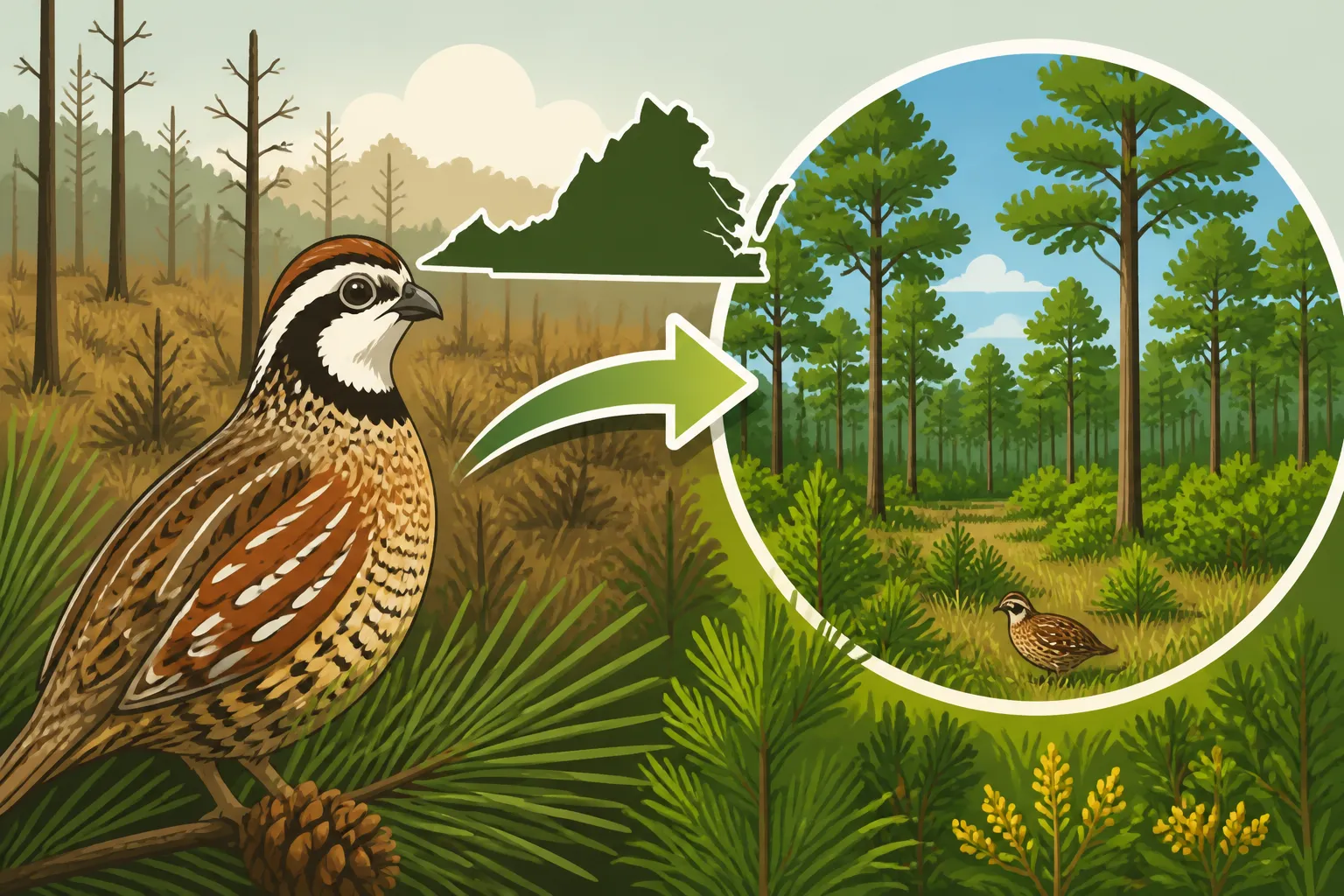
When we talk about "managed pine" for quail, we're not referring to dense, dark, impenetrable stands of trees grown solely for lumber. Instead, we're envisioning a dynamic, open pine savanna or woodland environment. This means actively manipulating the forest to maintain an open canopy, allowing plenty of sunlight to reach the forest floor. The goal is to encourage a rich, diverse understory of native grasses, wildflowers, legumes, and various shrubby plants, which are the true foundation of quail habitat.
Think of it as creating an ecosystem that mimics the open, fire-maintained woodlands and savannas that historically supported robust quail populations. It's a proactive approach that prioritizes habitat quality alongside timber production, demonstrating that these two goals aren't mutually exclusive. This kind of thoughtful management contrasts sharply with the "plant and forget" approach that left so many pine stands unsuitable for wildlife.
The Science Behind Pine Plantation Management
The effectiveness of managed pine for quail is rooted in ecological science. Bobwhite quail thrive in early successional habitats, meaning areas that have been recently disturbed and are in the process of regenerating. These disturbances, historically, would have been wildfires, grazing by large herbivores, or natural events like floods. Managed pine, through practices like prescribed fire and thinning, simulates these natural disturbances.
By allowing sunlight to penetrate the canopy, these management techniques encourage the growth of specific plant species. Quail need bare ground for dusting and foraging, patches of dense vegetation for nesting and escape, and a consistent supply of insects and seeds. Thinning trees provides the light; prescribed fire clears out accumulated leaf litter and promotes fire-dependent plant species that offer food and cover; and strategic planting can introduce beneficial legumes. Organizations and tools like GoHunt often highlight the importance of understanding these ecological relationships when scouting or planning habitat improvements, providing crucial data layers that reveal vegetation types and potential early successional areas. This scientific approach ensures that management efforts are targeted and effective, rather than haphazard.
Creating the Ideal Quail Buffet and Sanctuary
The ultimate goal of managed pine for quail is to create a landscape that functions as both a "buffet" and a "sanctuary."
- The Buffet: Quail require a diet rich in insects, especially during the crucial chick-rearing period, and a wide variety of seeds, particularly legumes and various weed seeds, throughout the year. An open, sun-drenched pine understory, frequently disturbed by fire, is teeming with these food sources. The mosaic of grasses, forbs, and low shrubs produces a steady supply of high-energy seeds, while the disturbed soil exposes insects and promotes the growth of plants that host them. It's not about planting monoculture food plots, but fostering natural diversity.
- The Sanctuary: Equally important is the presence of dense escape cover. This means patches of thicker, shrubby vegetation, often thorny species like blackberry or greenbrier, interspersed within the more open pine stands. These "briar patches" provide critical refuge from aerial predators like hawks and ground predators like foxes and coyotes. Quail also need suitable nesting cover – clumps of tall, sturdy grasses that hide their nests from predators. A well-managed pine forest, with its varying densities of ground cover, offers this perfect blend of foraging areas and secure hiding spots, allowing coveys to flourish while remaining safe from threats.
Practical Steps for Pine Management to Benefit Quail
Bringing back the bobwhite isn't a passive endeavor; it requires active, hands-on management. For private landowners or land managers looking to implement quail-friendly practices in pine forests, there are several key strategies that, when combined, can dramatically improve habitat quality.
Prescribed Fire: The Keystone Practice
If there's one single practice that stands out as most critical for quail management in pine habitats, it's prescribed fire. Fire is a natural disturbance that our ecosystems, and the wildlife within them, evolved with. Without it, pine forests quickly become choked with dense undergrowth, leaf litter, and competing hardwoods that shade out beneficial ground cover.
- How it Works: Prescribed burning, conducted under controlled conditions by trained professionals, clears out this undesirable fuel. It reduces competition from less desirable woody plants, cycles nutrients back into the soil, and stimulates the germination of native grasses and forbs that provide both food and cover for quail. It also exposes bare ground, which quail need for dusting and foraging for insects.
- The Benefits: Regular burn rotations (typically every 2-4 years, depending on the site) prevent the understory from becoming too thick or too sparse. It maintains that crucial early successional stage that quail thrive in, promoting a diverse array of plants that produce seeds and host insects. Beyond quail, many other small game species, like rabbits, also benefit from this type of management, especially in areas with specific rules like Virginia Small Game Season Rules.
- Safety and Planning: It's absolutely vital to stress that prescribed fire is not a DIY project. It requires careful planning, permits, specialized equipment, and a deep understanding of fire behavior and weather conditions. Always consult with forestry professionals or agencies like the Virginia Department of Forestry or the DWR for guidance and assistance.
Thinning Timber for Sunlight and Undergrowth
Prescribed fire is powerful, but it works best in conjunction with proper timber thinning. If the pine canopy is too dense, not enough sunlight will reach the forest floor, regardless of how often you burn.
- The Process: Thinning involves selectively removing a certain percentage of trees from a stand. The goal is to open up the canopy sufficiently to allow ample sunlight to penetrate, without creating massive, open clear-cuts. This might involve a first thinning when trees are relatively young, and subsequent thinnings as they mature.
- Creating Diversity: Proper thinning encourages a diverse understory of herbaceous plants and desirable woody shrubs. This creates the structural diversity that quail need – open areas for feeding, interspersed with dense cover for loafing, nesting, and escape. It also helps manage competition for water and nutrients, allowing the remaining pines to grow healthier, while simultaneously benefiting the ground-level vegetation critical for quail. This can involve anything from cutting specific trees to creating firebreaks that double as linear travel corridors for game.
- Timing and Intensity: The intensity and timing of thinning depend on the age of the stand and the specific goals. Early thinnings can remove undesirable trees and improve growth on remaining ones, while later thinnings create more light for understory development. Landowners should consider their timber goals in conjunction with their wildlife goals; a healthy, diverse forest can often yield both.
Chemical and Mechanical Brush Control
While fire and thinning are primary tools, sometimes other methods are needed to manage unwanted vegetation, especially invasive species or hardwoods that quickly re-sprout after a fire.
- Chemical Control: Herbicides can be precisely applied to target specific undesirable plants, such as invasive exotic grasses or hardwoods that are aggressively outcompeting beneficial quail plants. This isn't about carpet-bombing the forest, but rather spot treatments or low-volume applications designed to maintain the desired open understory. For instance, controlling aggressive privet or autumn olive can open up ground for native legumes and grasses.
- Mechanical Control: Mechanical methods involve using equipment like bush hogs, mulchers, or even chainsaws to clear dense brush or reduce the height of competing woody vegetation. This can be particularly useful in areas where fire is not feasible or for creating specific features like linear strips of open habitat. Imagine creating clear-cut regrowth edges or working river cane thickets, areas often overlooked but critical for quail.
- Integrated Approach: The most successful quail management plans often use an integrated approach, combining prescribed fire with judicious thinning, and then targeted chemical or mechanical control as needed. It’s about being strategic with each tool to sculpt the habitat to the precise specifications that quail prefer, always with an eye toward fostering the native vegetation that supports the entire food web.
Companion Planting and Food Plot Integration
While the focus is often on managing existing vegetation, strategic planting can further enhance quail habitat, particularly when integrated thoughtfully into a larger management plan.
- Native Species Restoration: Instead of relying solely on agricultural food plots, which can be expensive and labor-intensive, focus on restoring native plant communities. This might involve broadcasting seeds of native warm-season grasses (like switchgrass or big bluestem) or various wildflowers and legumes. These plants provide excellent nesting cover, abundant seeds, and host a diverse array of insects, which are crucial for chick survival.
- Small, Strategic Food Plots: If agricultural food plots are desired, they should be small, irregularly shaped, and seamlessly integrated into the managed pine landscape. Think about planting strips of millet, sorghum, or buckwheat alongside natural cover. These shouldn't be large, manicured fields, but rather extensions of the natural "buffet." They provide supplemental food during lean times and concentrate insects.
- The Importance of Diversity: The key is to avoid monocultures and maximize diversity. A variety of food sources ensures that quail have something to eat year-round, even as different plants go in and out of season. A mixed approach, combining active forest management with smart planting, creates the most resilient and productive habitat for quail. Resources like GoHunt can help identify potential areas for these habitat improvements on your own property or even within public lands, though planting on public land is generally prohibited. This holistic view of habitat is vital for supporting not just quail but also other species like the Virginia Cottontail Population Trend, which shares similar habitat needs.
Challenges and Long-Term Vision for Quail Restoration
While the promise of managed pine for quail is strong, it's not without its hurdles. Restoring a population that has been in decline for decades requires commitment, resources, and a long-term perspective.
Navigating Costs and Regulatory Hurdles
Implementing effective habitat management practices like prescribed fire, thinning, and brush control often comes with a price tag. Landowners, whether private individuals or conservation groups, need to factor in the costs of labor, equipment, and professional services. These expenses can be a significant barrier for many, especially those with smaller landholdings or limited budgets.
- Funding Opportunities: Fortunately, there are often federal and state cost-share programs available through entities like the USDA Natural Resources Conservation Service (NRCS) or the Virginia Department of Forestry. These programs can help offset the financial burden, providing technical assistance and financial incentives for landowners to implement conservation practices beneficial to quail. Navigating these applications can be complex, but assistance is usually available.
- Permitting and Regulations: Prescribed burning, in particular, is heavily regulated due to safety concerns and air quality impacts. Landowners must obtain the necessary permits from state agencies and ensure they comply with all local ordinances and safety protocols. This isn't a bad thing, as it ensures fires are conducted safely and responsibly, but it does add another layer of planning and expertise required. Understanding these regulations is also key when looking into general Virginia Hunter Education Requirements as part of responsible land stewardship.
The Time Commitment for Habitat Development
Quail restoration is not an overnight process; it's a marathon, not a sprint. Habitat development takes time, and results may not be immediately apparent. Establishing native warm-season grasses, for instance, can take several years before it reaches its full potential as cover. Prescribed fire also needs to be applied on a regular rotation over many years to maintain its benefits.
- Patience and Persistence: Landowners and managers need to commit to a long-term vision, understanding that consistent effort over a decade or more will yield the most significant results. It requires patience and persistence to see a managed pine stand transform into a thriving quail habitat. It's about building an ecosystem, which is inherently a slow process.
- Monitoring and Adaptation: A good long-term plan also involves monitoring the habitat's response and adapting management strategies as needed. What works perfectly on one tract of land might need adjustments on another due to soil types, local weather patterns, or existing vegetation. Tools like GoHunt can assist with scouting and understanding topography, helping you assess how different areas might respond to management efforts. Regularly observing plant communities and any signs of quail presence (or absence) will inform future actions.
Partnering for a Brighter Quail Future
The scale of quail restoration in Virginia is too large for any single individual or agency to tackle alone. Success hinges on collaboration and partnerships.
- Conservation Organizations: Groups like Quail Forever, the National Wild Turkey Federation (NWTF), and other regional conservation organizations play a crucial role. They often provide technical expertise, advocate for quail-friendly policies, and may even offer financial assistance or volunteer labor for habitat projects. Joining such a group can connect landowners with valuable resources and a network of like-minded individuals.
- Government Agencies: State agencies like the Virginia Department of Wildlife Resources (DWR) and the Department of Forestry are vital partners, offering technical advice, prescribed fire services, and access to cost-share programs. Federal agencies like the NRCS and the U.S. Forest Service also have programs and personnel dedicated to habitat restoration.
- Community Involvement: Engaging local communities, schools, and youth groups can foster a broader understanding and appreciation for quail conservation. Educating the public about the importance of these efforts helps build support and ensures the long-term sustainability of restoration projects. By working together, from individual landowners to large conservation bodies, we can collectively push towards a brighter future where the bobwhite's whistle is once again a common sound across Virginia's landscape. The Virginia Quail Season Status is directly tied to the success of these collaborative efforts.
Characteristics of Ideal Quail Habitat vs. Unmanaged Pine
To visualize the difference, consider the key features that define prime bobwhite quail habitat compared to a typical unmanaged pine stand. This table highlights how intentional management transforms a less-than-ideal environment into a thriving quail haven.
| Feature | Unmanaged Pine Stand (Dense) | Managed Pine Stand (Open/Savanna) | Impact on Quail |
|---|---|---|---|
| Canopy Closure | Very dense, 80-100% | Open, 30-70% (interspersed gaps) | Critical for sunlight reaching forest floor |
| Sunlight on Forest Floor | Very little | Abundant | Drives understory plant growth |
| Understory Vegetation | Sparse, few native grasses/forbs, dense woody brush | Dense, diverse native grasses, legumes, wildflowers, low shrubs | Provides food (seeds/insects) & cover |
| Bare Ground | Very little, deep leaf litter | Patches of bare ground | Essential for dusting, foraging for insects |
| Insect Abundance | Low | High (especially during warm months) | Crucial protein for quail chicks |
| Seed Production | Low diversity, mainly pine seeds | High diversity (legumes, various weeds, grasses) | Year-round food source for adults |
| Escape Cover | Dense, uniform woody brush (hard to move through) | Patches of thick, thorny shrubs; dense clumps of grass | Critical for evading predators |
| Nesting Cover | Very little suitable, often sparse short grasses | Clumps of tall, sturdy native grasses | Protects nests from predators and elements |
| Predator Visibility | Poor (for quail trying to evade) | Good (for quail to see predators, also good cover) | Balanced for predator avoidance and safety |
| Management Practices | Minimal (plant, harvest) | Prescribed fire, thinning, brush control, planting | Active, creates dynamic, early successional habitat |
Disclaimer
This article is for general informational purposes only and does not constitute professional advice. Laws, prices and regulations vary by location and change over time. Consult a qualified professional for guidance on your specific situation.