Virginia Cottontail Population Trend
If you've spent any time chasing cottontail rabbits in Virginia over the past few decades, you've likely noticed it's not quite like the stories your grandpa used to tell. There's a real frustration when you walk through cover that looks perfect but yields nothing, leaving you wondering where all the rabbits have gone. This comprehensive guide will dive deep into the Virginia cottontail population trend, exploring the historical changes, current challenges, and what these shifts mean for the future of rabbit hunting in our beloved Commonwealth.
The Historical Context of Virginia's Cottontail Rabbits
It's easy to look back with rose-tinted glasses at a time when rabbits seemed to be everywhere. For many older hunters, the sheer abundance of cottontails was a given, and hunting them was a regular pastime that didn't require extensive planning or special access. Understanding why those "good old days" existed, and how things have changed, is crucial to grasping the current situation.
The "Good Old Days" – A Glimpse into the Past
Think back to mid-20th century Virginia. The landscape was dotted with far more small, diversified family farms than we see today. These farms weren't necessarily striving for monoculture; instead, they often featured a patchwork of small crop fields, pastures, woodlots, and neglected fence rows. These "edges" – where one habitat type met another – were absolute havens for cottontail rabbits. The brushy fence lines, overgrown ditches, small patches of brambles, and even discarded farm equipment created dense, protective cover that rabbits desperately need to escape predators and harsh weather. Farmers were often less meticulous about "cleaning up" every corner of their property, inadvertently creating perfect rabbit habitat.
Furthermore, small-scale farming practices meant a more varied food supply year-round, from crop gleanings to wild plants. The cycle of planting, harvesting, and leaving some areas fallow provided a constant rotation of food and cover. Predators were also perhaps less abundant in some areas, or their pressure was more spread out, allowing rabbit populations to flourish in these ideal conditions. It was a perfect storm of landscape features that allowed cottontails to thrive, making rabbit hunting a relatively easy and incredibly popular pursuit for young and old alike.
Habitat Shifts and Their Impact
Fast forward to today, and the Virginia landscape looks quite different. The decline of the small, diversified farm has had a profound impact on cottontail populations. Agriculture has largely shifted towards larger, more efficient operations that often favor vast, uninterrupted fields of a single crop. This means fewer brushy fence rows, fewer small woodlots, and a general "tidying up" of the landscape. When these fields are harvested, there's often little cover left behind, leaving rabbits exposed and vulnerable.
Beyond changes in farming, Virginia has experienced significant suburban sprawl. What were once sprawling fields and woodlots providing excellent rabbit habitat are now housing developments, shopping centers, and manicured lawns. Even rural areas have seen changes, with many former farmlands either reverting to dense, mature timber (which isn't great for rabbits) or being managed for other purposes, like large-scale timber production that eliminates the crucial early successional habitat that cottontails prefer. This fragmentation of habitat means that even if a rabbit finds a good patch, it might be isolated from other patches, limiting genetic diversity and population recovery.
Current Status of Virginia's Cottontail Population
It's tempting to think that rabbits are just "gone," but the reality is more nuanced. While we don't see the numbers our grandparents did, cottontails are still a resilient species that persist in pockets of suitable habitat. Understanding their current status requires looking at regional variations and the ongoing pressures they face.
Population Trends Across Different Regions
Virginia is a diverse state, from the mountains in the west to the coastal plain in the east, and rabbit populations reflect this varied geography. In the more heavily agricultural Piedmont and coastal plain regions, where large-scale farming and suburban growth have been most prevalent, you'll likely find that rabbit numbers are significantly lower than historical averages. Habitat here is often highly fragmented, forcing rabbits into smaller, more isolated pockets. You might stumble upon a honey hole, but these are often few and far between.
Conversely, in parts of the mountainous western regions, where timbering operations create early successional habitat and clearings, or in areas with less intensive agricultural pressure, cottontail populations might be relatively more stable, though still not at peak historical levels. Even within the same county, you can find stark differences. A drive through one area might show extensive, clean-farmed fields, while another might reveal brushy bottoms and neglected corners where rabbits can still thrive. The Virginia Department of Wildlife Resources (DWR) monitors small game populations, but getting precise, statewide numbers for cottontails can be challenging due to their patchy distribution and cryptic nature. Hunters' harvest reports and anecdotal observations often provide the most direct insights into local trends.
Factors Affecting Modern Rabbit Numbers
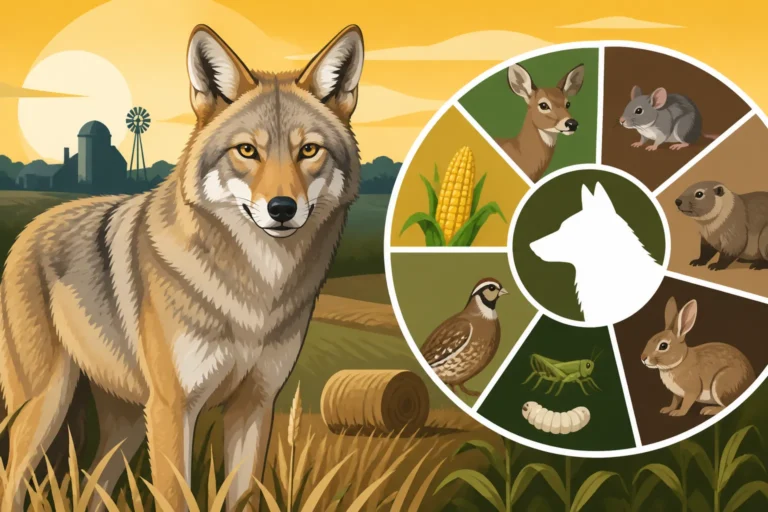
The decline in prime habitat is undoubtedly the biggest culprit, but it's not the only factor contributing to the current cottontail population trend. Predation plays a significant role. With less dense cover available, rabbits are far more vulnerable to a range of predators. Coyotes, which have expanded their range significantly across Virginia, are highly efficient rabbit hunters. Foxes, bobcats, various raptors (hawks and owls), and even domestic cats and dogs in suburban and rural-interface areas all take a toll. When rabbits don't have enough thick, escape cover, they simply can't outrun or hide from these threats.
Disease can also cycle through rabbit populations, sometimes causing localized die-offs, especially in areas where densities are higher. Environmental factors like severe winters, prolonged droughts, or excessive rainfall during nesting season can also impact survival rates and reproductive success. For instance, a wet spring can lead to higher mortality rates for young rabbits, which are particularly vulnerable to cold and damp conditions. All these factors combined, often exacerbated by habitat loss, create a challenging environment for cottontail rabbits to not only survive but truly flourish as they once did.
Challenges and Opportunities for Cottontail Management
While the current situation might seem bleak, there are significant opportunities for managing and even improving cottontail habitat. It often requires a shift in perspective, recognizing that rabbits aren't just "there" but need specific conditions to thrive. Both large-scale land managers and individual landowners have a role to play.
Habitat Restoration Efforts
The key to boosting rabbit numbers lies squarely in habitat restoration and creation. Rabbits need a combination of dense escape cover, open areas for foraging, and travel corridors between these areas. One of the most effective, yet often overlooked, strategies is creating and maintaining brush piles. These aren't just messy piles of limbs; they are multi-layered fortresses that offer protection from aerial and ground predators, as well as shelter from the elements. Actively managing old fields by disking or prescribed burning can set back succession, preventing them from becoming dense, mature timber and instead promoting the growth of native grasses, forbs, and young woody sprouts that rabbits love.
Planting native warm-season grasses can provide excellent nesting cover and tall, concealing habitat. Establishing diverse hedgerows with thorny shrubs like multiflora rose (where legal and non-invasive concerns are addressed) or native blackberries along field edges or property lines creates crucial travel lanes and escape cover. Think "edge habitat" – wherever two different types of cover meet, that's where rabbits will thrive. Projects on Virginia Wildlife Management Areas (WMAs) often incorporate these tactics to benefit small game. You can check the Scouting With the Virginia DWR App to see if any local WMAs are undertaking such efforts and might offer good rabbit hunting.
The Role of Hunters and Landowners
Hunters and landowners are truly at the forefront of rabbit conservation. As hunters, advocating for and participating in habitat improvement projects, whether on public land or through private land initiatives, makes a tangible difference. Understanding what good rabbit habitat looks like helps you identify promising areas, and it encourages ethical hunting practices that don't overharvest localized populations. If you're fortunate enough to own land, even a small tract, you have a unique opportunity to create a rabbit oasis. Letting a corner of a field go wild, piling up brush, or even planting a small patch of native warm-season grasses can make a huge impact.
Engaging with local DWR biologists or conservation groups can provide valuable guidance on specific habitat strategies for your region. For those hunting private land, building relationships with landowners and offering to help with habitat work—even just piling up some downed branches—can be a win-win. It demonstrates your commitment beyond just hunting, potentially securing future access and improving the habitat for everyone. Using a mapping tool like GoHunt can help you identify land features and potential habitat areas, even if you're not directly managing the land yourself. It's about being proactive, not just hoping for rabbits to appear.
| Habitat Feature | Benefit for Cottontails | Ideal Location | Management Tip |
|---|---|---|---|
| Dense Brush Piles | Excellent escape cover from predators (aerial & ground), shelter from weather, nesting sites. | Field edges, forest clearings, along fencerows. | Stack larger logs at base, then progressively smaller branches; integrate thorny species. |
| Native Grasses/Forbs | Nesting cover, foraging, concealment for young, insect habitat. | Old fields, open woodlots, buffer strips. | Periodically mow or disk strips, prescribed burning (with caution). |
| Thick Hedgerows | Travel corridors, escape cover, food (berries), thermal cover. | Along property lines, dividing fields, stream banks. | Allow thorny shrubs (e.g., blackberry, hawthorn) to grow dense; trim judiciously. |
| Shrub Thickets | Primary escape cover, foraging on buds/twigs, winter browse. | Edges of forests, clear-cuts, creek bottoms. | Maintain early successional growth; encourage species like sumac, wild rose, greenbrier. |
| Field Edges/Buffers | Interface of food and cover, diverse plant life. | Transition zone between crop fields/pastures and woodlands. | Limit herbicide use along edges; allow natural growth of weeds and forbs. |
| Logging Debris/Slash | Similar to brush piles, offers quick cover. | Recent timber cuts. | Leave small piles of slash; avoid burning all debris. |
What This Means for Virginia Rabbit Hunters
For hunters, adapting to the current population trends and habitat changes is key to continued success. The days of simply walking into any old field and bagging a limit might be less common, but the satisfaction of finding and hunting rabbits remains incredibly rewarding. It just means being a more thoughtful and strategic hunter.
Adapting Your Hunting Strategy
The biggest adaptation for today's Virginia rabbit hunter is the focus on habitat. Instead of generalizing, you need to become a detective of dense cover. Look for those specific pockets: overgrown fencerows choked with multiflora rose and honeysuckle, brushy ditch lines, small clear-cuts that are two to five years into regrowth, and even the edges of powerline cuts that haven't been meticulously mowed. These are the places where rabbits will concentrate. Don't be afraid to hunt seemingly small, isolated patches of cover; often, these are overlooked and can hold surprising numbers of rabbits. The article Rabbit Hunting Virginia Fencerows delves into specific tactics for these linear habitats.
Hunting with good rabbit dogs, like beagles, becomes even more invaluable in these conditions. Dogs can push rabbits out of the thickest cover that you might otherwise walk right past or be unable to penetrate. If you're a solo hunter without dogs, a slow, methodical approach is best. Kick every brush pile, stomp through every briar patch, and be ready for a quick shot. Many hunters also use mapping tools like GoHunt to scout for promising cover and understand land ownership before they even step foot in the woods. This can help you pinpoint those smaller, overlooked areas that might hold a few bunnies. Remember, patience and persistence are your best friends in modern rabbit hunting.
Future Outlook for Cottontail Hunting
The future of cottontail hunting in Virginia is inextricably linked to habitat. If current trends of development and "clean farming" continue unabated, rabbit populations will likely remain lower and more fragmented. However, there's growing awareness among wildlife managers and conservationists about the importance of early successional habitat, which directly benefits rabbits and many other small game species. Programs by the DWR, and efforts by private landowners, offer glimmers of hope.
For hunters, this means that while broad swaths of abundant rabbits might be a thing of the past, dedicated effort will still yield success. It means focusing on smaller, intensely managed areas, possibly through Hunting Small Private Tracts in Virginia or by joining a local hunting club that prioritizes habitat work. It also means appreciating the chase and the experience as much as, if not more than, the size of the bag limit. Cottontail hunting will continue to be a cherished tradition in Virginia, but it will be a tradition that increasingly rewards those who understand, protect, and actively seek out the specific habitats that these resilient little game animals call home. Understanding Virginia Small Game Season Rules and Virginia Squirrel and Rabbit Season Rules will always be important, but habitat knowledge is becoming the ultimate key to success.
Disclaimer
This article is for general informational purposes only and does not constitute professional advice. Laws, prices and regulations vary by location and change over time. Consult a qualified professional for guidance on your specific situation.