Mange in Virginia Coyotes, Foxes and Bears
It's never easy to see a wild animal suffering, and coming across a coyote, fox, or even a bear afflicted with mange can be a truly heartbreaking sight for any hunter or outdoor enthusiast in Virginia. The sight of an animal with patchy fur, scabs, and a generally emaciated appearance is distressing, and it often leaves us wondering what exactly is going on, how it spreads, and if there's anything we can do to help or prevent further suffering. This guide aims to demystify mange in our local wildlife, helping you understand this pervasive skin disease, how to recognize it, and what responsible steps you can take if you encounter an affected animal.
What is Mange and How Does it Impact Wildlife?
Mange is a parasitic skin disease caused by microscopic mites that burrow into the skin. While there are a few types, the one most commonly affecting Virginia's wildlife, particularly canids like coyotes and foxes, is sarcoptic mange, also known as scabies. These tiny mites, Sarcoptes scabiei, are relentless, causing intense itching, irritation, and a host of secondary problems that can severely debilitate an animal. It's a tough situation because these aren't just minor irritations; they can be life-threatening.
The Lifecycle of the Sarcoptic Mite
The mites themselves are fascinatingly horrible little creatures. They are so small you can't see them with the naked eye, but their impact is undeniable. Once they find a host, they burrow into the outer layers of the skin, where they feed and reproduce. The female mites lay eggs in these tunnels, and when the eggs hatch, the larvae move to the skin surface, mature, and then start their own burrowing and breeding cycle. This constant activity by thousands of mites triggers an allergic reaction in the host animal, leading to the severe symptoms we observe. It's an endless cycle of torment for the affected animal, constantly itching, biting, and scratching, which only exacerbates the problem.
How Mange Spreads Among Animals
Mange is primarily spread through direct physical contact between an infected animal and a healthy one. Imagine a mangy coyote rubbing up against a healthy one, or two foxes fighting; these are prime opportunities for mites to transfer. But direct contact isn't the only way. Mites can also survive for a limited time off a host, meaning shared spaces like dens, bedding areas, brush piles, or even frequented game trails can become transmission points. If an infected animal lies down in a thicket, shedding mites and skin flakes, another animal passing through soon after could pick them up. This is particularly concerning in areas where animal populations are dense, or where multiple animals might share a resource. For our Virginia canids, like coyotes and foxes, who might share territories or use similar travel corridors, the risk of transmission is always present. While it's generally species-specific, a mangy fox could potentially transmit mites to a coyote, or even, though less common, to a bear that interacts with the same environment.
Recognizing the Signs of Mange in Virginia's Wildlife
Spotting a mangy animal often brings a knot to your stomach. The signs are usually quite visible, and once you know what to look for, you’ll recognize them almost immediately. It’s not just a bad hair day for these animals; it’s a full-blown crisis for their skin and overall health.
Visual Symptoms: From Hair Loss to Crusty Skin
The most obvious symptom is hair loss, often starting around the muzzle, eyes, ears, and elbows, but quickly spreading across the body. You might see patchy fur, or in severe cases, animals that are almost completely bald. The exposed skin then becomes thickened, wrinkled, and often covered in crusty scabs and lesions. These scabs can be quite thick and grayish-white, and sometimes you'll even see secondary bacterial infections causing open sores or a pus-like discharge. Imagine trying to endure our cold Virginia winters without a proper coat of fur—it's a brutal prospect. The animals often look shrunken or smaller than they should, a direct result of the disease taking such a heavy toll on their bodies. Their eyes can appear sunken, and their overall demeanor will be one of profound discomfort.
Behavioral Cues: Itching, Lethargy, and Unusual Activity
Beyond the visual, mangy animals exhibit specific behavioral changes. The intense itching is constant, driving them to scratch, bite, and rub themselves relentlessly against trees, rocks, or anything they can find. This constant irritation only further damages their skin and prevents healing. You might notice them looking lethargic or weak, moving slowly, and lacking the energy of a healthy wild animal. They might appear disoriented or less wary of humans than they normally would be.
Another key behavioral indicator, especially for nocturnal animals like foxes and coyotes, is abnormal daytime activity. A mangy coyote or fox, too weak or desperate to forage effectively at night, might be seen stumbling around during daylight hours, desperately seeking food or just a quiet place to rest, making them more vulnerable to predators or even vehicle collisions. For bears, while they are often out during the day, a mangy bear might appear unusually sluggish or allow closer approach than normal. These behaviors are not signs of aggression but rather signs of an animal in severe distress, struggling to survive. Seeing a usually elusive creature moving openly and slowly during the day is a strong indicator something is gravely wrong.
Species-Specific Observations in Virginia
While the general symptoms are similar, mange can present slightly differently across Virginia's various affected species.
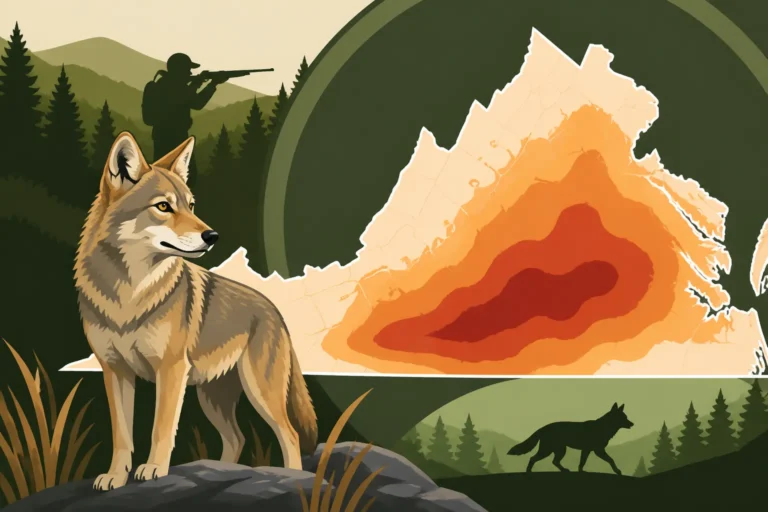
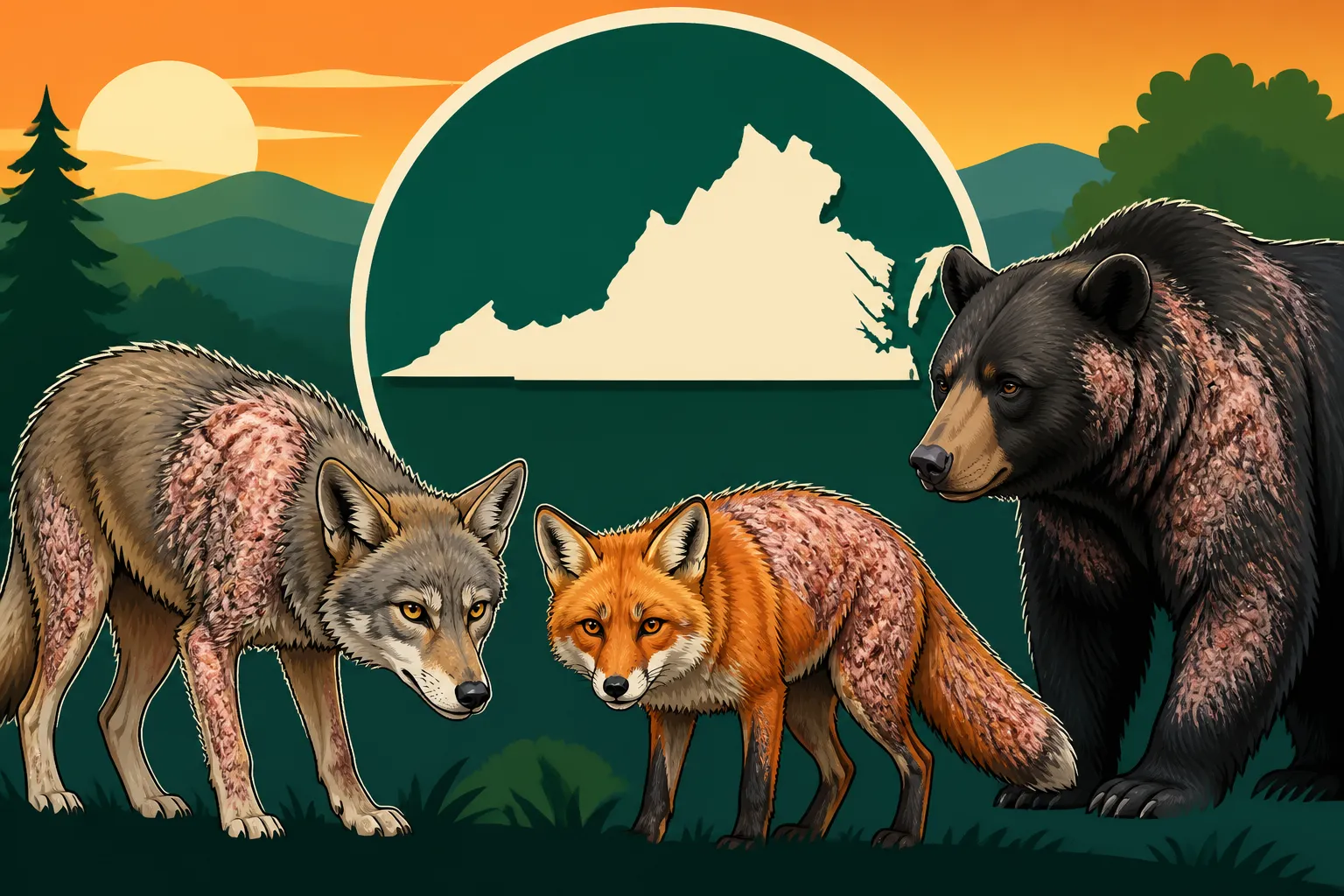
- Coyotes: These canids often develop a very scruffy, unkempt appearance. The hair loss might start on their flanks and tail, giving them a rat-like tail. Their skin becomes thick and elephantine, and they can look severely emaciated, almost ghost-like. You might see them moving slowly through fields or along roadsides, a stark contrast to their usual stealthy movements. If you've ever seen a healthy Virginia Coyote Range and Density, the difference is stark and unsettling.
- Red and Gray Foxes: Foxes tend to be among the most severely affected, often losing almost all their fur. A mangy fox can appear almost bald, with thick, crusty skin. Their tail can become a thin, bare stick, and they can become incredibly thin, leading to a quick decline. It's particularly sad to see these beautiful animals reduced to such a state. Fox hunting, which sometimes involves hounds, can also indirectly contribute to transmission if dogs come into contact with infected dens or carcasses, though direct transfer from wildlife to domestic animals is rare but possible. The Virginia Fox and Bobcat Trapping Season also offers opportunities for population management, which some argue could help manage disease spread in localized outbreaks.
- Black Bears: While less common than in canids, mange has been documented in Virginia's Black Bear Population, particularly in certain counties. Bears tend to develop distinct bald patches, often on their flanks, belly, and around their hindquarters. Their skin can become dry, flaky, and crusty in these areas. Unlike foxes and coyotes who can look skeletal, a bear's sheer size might make extreme emaciation less immediately obvious, but they will still appear sickly and may move stiffly. The state has been actively monitoring Virginia Bear Harvest Trends to understand the impact of mange on regional bear populations, especially in areas where there have been reduced seasons in mange-affected counties. Knowing the Virginia Bear Season Rules and Virginia Annual Bear Bag Limit in your specific area is important, especially if disease is a factor.
The Broader Impact on Virginia's Ecosystem
Mange isn't just an individual animal's problem; it can have significant ecological implications, especially for local populations of affected species. The suffering of individual animals is profound, but the disease's ripple effect can be felt throughout the ecosystem.
Mortality Rates and Population Decline
For animals like coyotes and foxes, severe sarcoptic mange is often fatal. The constant itching and skin damage lead to secondary bacterial infections, which can turn into sepsis. The hair loss makes them incredibly vulnerable to the elements, especially during cold Virginia winters, leading to hypothermia. Furthermore, the energy expended on itching and fighting infection leaves them too weak to hunt effectively, resulting in starvation. This means higher mortality rates, especially among young animals or those already weakened by other factors. A significant outbreak can temporarily depress local populations of these species, altering predator-prey dynamics in an area. For instance, if a local fox population is heavily impacted by mange, it could lead to a temporary increase in small prey species they typically hunt.
Effects on Reproduction and Survival of Young
Animals severely affected by mange are often too stressed and weakened to successfully reproduce. Females may fail to conceive, or if they do, they might not be able to carry a pregnancy to term or adequately nurse their young. Even if pups or kits are born, the mother's compromised health makes her less capable of providing food and protection, leading to higher mortality rates among the offspring. Mites can also transfer from mother to young, meaning entire litters can become infected, perpetuating the cycle of disease. This can significantly impact the long-term health and stability of a local wildlife population, particularly if consecutive years see high rates of infection.
Mange and Other Wildlife Diseases
Mange is just one piece of the puzzle when it comes to wildlife health. It often occurs in populations that are already under stress from other factors, such as habitat loss, food scarcity, or other diseases. The immune system of an animal fighting mange is compromised, making it more susceptible to other infections and parasites. Virginia's wildlife officials are constantly involved in Virginia Wildlife Disease Monitoring, and mange is certainly one of the diseases on their radar, especially its interaction with other health issues. While not directly related to CWD, understanding disease dynamics in one species can sometimes offer insights into broader wildlife health trends. The interconnectedness of species means that a significant issue in one can indirectly affect others.
What Hunters and Concerned Citizens Can Do
It's natural to feel helpless when you see a wild animal suffering from mange, but there are indeed responsible and effective steps you can take to contribute positively to wildlife management and health in Virginia.
Reporting Sightings to the Virginia DWR
The most important thing you can do is report sightings of sick or dead animals to the Virginia Department of Wildlife Resources (DWR). This information is crucial for wildlife biologists to track the prevalence and spread of diseases like mange. These reports help the DWR identify potential hotspots, understand the overall health of local populations, and determine if management actions are necessary. You can typically report sightings through the DWR website or by contacting your local DWR office. They have specific procedures in place for Reporting a Sick Animal in Virginia. When reporting, be as detailed as possible: note the exact location, date, time, species, and a description of the animal's condition and behavior. Photos or videos can be incredibly helpful if you can safely obtain them.
Preventing Further Spread
While direct intervention with wild animals is generally not advisable (and often illegal), hunters and landowners can take steps to prevent the spread of mange:
- Avoid Direct Contact: Never approach or attempt to capture a mangy animal. They are wild animals and can be unpredictable, especially when sick or stressed. Always maintain a safe distance.
- Carcass Management: If you harvest an animal that appears to have early signs of mange, or if you find a mangy carcass, handle it with care. Wear gloves when field dressing any animal. While transmission to humans is rare, it's best to be cautious. Properly dispose of carcasses according to DWR guidelines to prevent further spread to other wildlife or domestic animals. For other small game, the Virginia Small Game Season Rules generally cover carcass disposal but always check specifics for disease.
- No Feeding: This cannot be stressed enough. Artificial feeding can concentrate animals in one area, increasing the likelihood of disease transmission. When multiple animals are coming to a single food source, they are more likely to come into direct contact or share contaminated ground. Virginia has Virginia's Twenty-Five-Mile Feeding Ban in place in certain areas specifically to combat the spread of diseases like Chronic Wasting Disease, but the principle applies to mange as well. Avoiding baiting or supplemental feeding not only helps prevent disease spread but also reduces habituation to humans, which is healthier for wildlife in the long run.
- Clean Equipment: If you're a trapper during Virginia Trapping License Requirements and manage to trap a mangy fox or coyote, ensure your traps and equipment are thoroughly cleaned and disinfected before being used elsewhere. This helps prevent inadvertently spreading mites to new locations.
Why You Should Not Attempt to Treat Wild Animals
As difficult as it is to witness an animal suffering, it is critically important not to attempt to treat a wild animal yourself. Here’s why:
- Danger to Yourself: Wild animals, especially when sick or injured, can be unpredictable and dangerous. They may bite, scratch, or transmit other diseases.
- Stress to the Animal: Capturing or handling a wild animal, even with good intentions, causes immense stress, which can worsen its condition or even lead to shock and death.
- Legal Restrictions: In Virginia, it is generally illegal to capture, possess, or rehabilitate native wildlife without proper permits from the DWR.
- Ineffectiveness: Without proper veterinary diagnosis and care, any treatment you attempt is unlikely to be effective and could cause more harm than good. Wildlife rehabilitators and DWR personnel are trained to handle these situations.
Instead of intervening, trust the DWR with your report. They have the expertise and resources to assess the situation and take appropriate action, whether that involves monitoring, intervention, or humane euthanasia in severe cases where there is no hope of recovery. Your observation and report are the most valuable contributions you can make.
Mange Symptom Comparison
To help you distinguish symptoms, here's a quick comparison of how mange might present across common Virginia species:
| Symptom / Species | Coyote | Fox (Red/Gray) | Black Bear |
|---|---|---|---|
| Primary Hair Loss | Patchy, starting flanks/tail, widespread | Severe, widespread, often near-total baldness | Distinct bald patches (flanks, belly, hindquarters) |
| Skin Appearance | Thick, wrinkled, scabby, elephantine | Thick, crusty, rough, dark | Dry, flaky, crusty in affected areas |
| Tail Appearance | Often "rat-like," thin, bare | Thin, bare, "pencil tail" | May have patchy fur loss |
| Body Condition | Emaciated, sunken eyes, often shrunken | Severely emaciated, skeletal, frail | May appear sluggish, less robust |
| Behavioral Cues | Intense scratching, lethargy, daytime movement | Relentless itching, extreme weakness, daytime | Itching, unusual stillness, slow movement |
| Vulnerability | Hypothermia, starvation, secondary infection | Hypothermia, starvation, high mortality rate | Secondary infection, reduced winter survival |
The challenge of wildlife diseases like mange is that they are a natural, albeit often harsh, part of the ecosystem. Our role as hunters and conservationists is to be informed, to report what we see, and to respect the delicate balance of nature while supporting the efforts of wildlife professionals to manage these issues.
Disclaimer
This article is for general informational purposes only and does not constitute professional advice. Laws, prices and regulations vary by location and change over time. Consult a qualified professional for guidance on your specific situation.