Virginia Coyote Diet in Farm Country
For anyone living near or actively hunting in Virginia's vast farm country, understanding what coyotes are actually eating is more than just a passing curiosity – it’s crucial for managing game, protecting livestock, and even knowing how best to approach predator control. This isn't just about what you think they eat; it's about the complex, often surprising, realities of their diet in these fertile, mixed-habitat landscapes.
The Coyote's Adaptable Palate in Virginia's Agricultural Heartlands
Coyotes are the ultimate survivors, a testament to their incredible adaptability, and nowhere is this more evident than in Virginia's farm country. Unlike some predators with highly specialized diets, coyotes are true omnivores, and their dining habits are a direct reflection of what's available and easiest to acquire. This flexibility is precisely why they thrive in areas where humans also thrive, often right under our noses in the fields and woodlots that dot the Virginia landscape.
Think about a typical patch of Virginia farmland: you've got vast open fields of corn, soybeans, or hay, often bordered by mature timber, thick fencerows, and brushy creek bottoms. This mosaic of habitats provides an incredible buffet for coyotes. They're not just sticking to one type of food source; they're constantly evaluating the easiest meal. A coyote might spend one night scrounging leftover grains in a harvested field, the next tracking rabbits in a briar patch, and the next investigating a roadkill deer. This opportunistic nature is why trying to predict their exact dietary intake can be so challenging, yet also why understanding the general patterns is so vital for hunters and landowners. It’s a dynamic food web, and the coyote is a central, ever-shifting player.
Why Adaptation is Key to Their Success
Coyotes weren't always a widespread fixture across Virginia. Their expansion into our state, particularly into populated and agricultural regions, speaks volumes about their ability to adapt to human-altered landscapes. Where larger predators like wolves were extirpated, coyotes moved in, filling an ecological niche. They learned to navigate busy roads, coexist with suburban development on the fringes of farm country, and most importantly, exploit the abundant food sources associated with agriculture. Farmers often experience the frustrations of this adaptability firsthand when coyotes target small livestock or game animals. Their ability to switch from natural prey like deer and rabbits to domestic animals or even agricultural crops in lean times makes them a constant management consideration. Understanding this flexibility is the first step in effective management strategies, helping us predict where and when conflicts might arise based on what's available to them seasonally.
Habitat Diversity Dictates Dinner
The rich diversity of habitats found within Virginia's farm country directly influences what's on a coyote's menu. A coyote living near a sprawling cornfield bordering a dense woodlot will have a different diet than one primarily operating in pastureland interspersed with small creeks. The woodlots provide cover and denning sites, as well as natural prey like Virginia Squirrel and Rabbit Populations and even the occasional young deer. The fencerows, often overlooked, are highways for rodents and rabbits, offering excellent ambush cover. Creek bottoms are perfect for small mammals, amphibians, and sometimes even a nesting bird.
Then there are the fields themselves. Standing crops offer incredible cover and a home for rodents. Harvested fields, especially after corn or soybeans, are magnets for small game and offer easily accessible waste grain. Reading Aerial Photos for Piedmont Deer can also show you how deer use these edge habitats, and coyotes are certainly taking notes, too. Hunters using tools like GoHunt often gain an edge by visualizing terrain and understanding how coyotes utilize various cover types and bottlenecks on these agricultural lands, which in turn helps predict where they might find their next meal or travel routes.
Key Components of the Farm Country Coyote Diet
When we talk about the core diet of coyotes in Virginia's farm country, we're really talking about a pyramid of preferences, with some items consistently showing up more than others. They're not picky eaters by any stretch, but some food sources provide a bigger bang for their buck, energetically speaking. Understanding these core components helps us see why they are such effective predators and why they sometimes come into conflict with human interests.
Small Mammals: The Bread and Butter
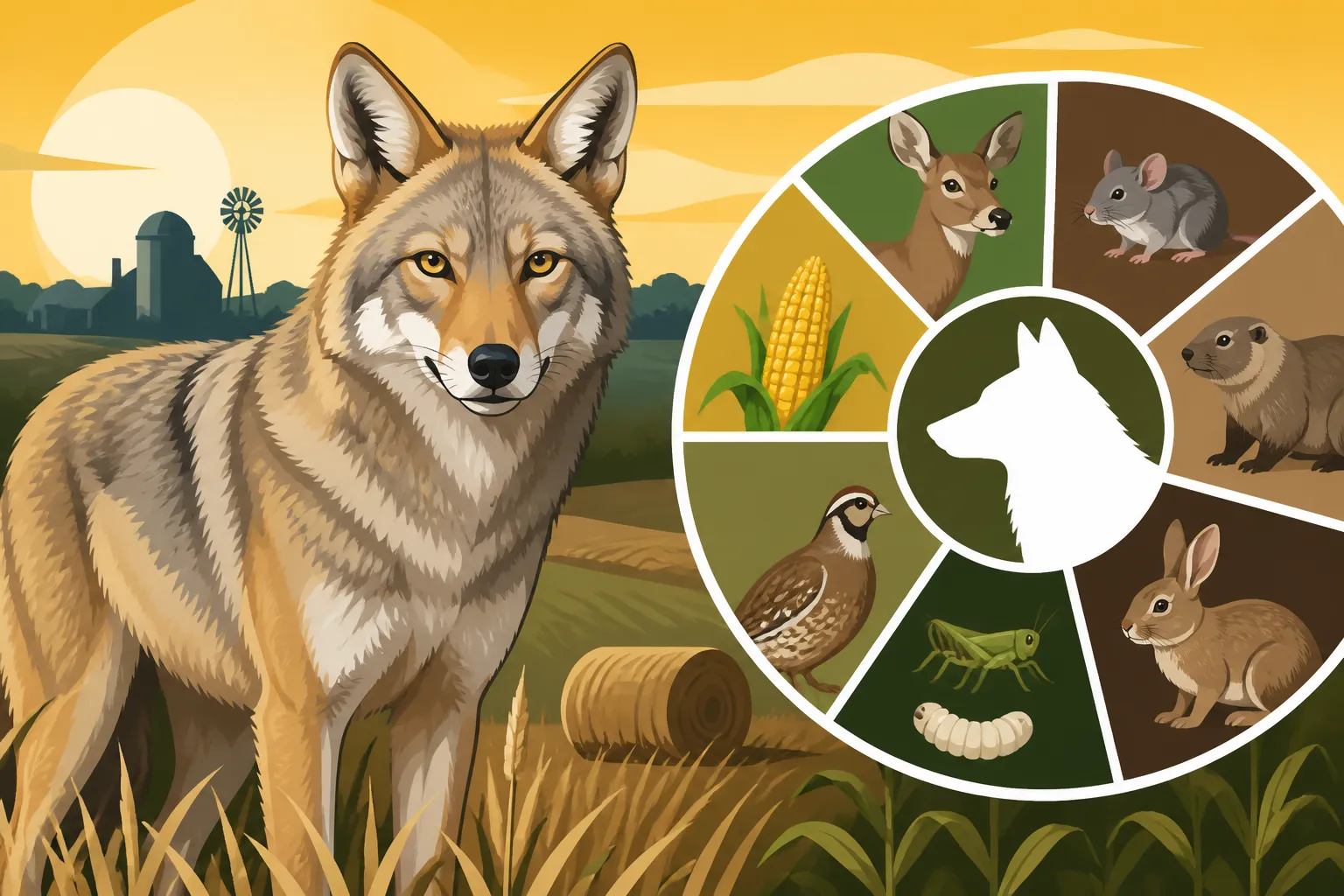
No surprise here: small mammals form the absolute backbone of a coyote's diet, especially in farm country. Voles, mice, rats, and shrews thrive in agricultural settings, finding ample food in cultivated fields and protective cover in fencerows, tall grasses, and wood edges. These small, abundant creatures are relatively easy to catch and provide a consistent caloric intake.
Rabbits, particularly cottontails, are another prime target. Virginia Cottontail Population Trend shows a healthy rabbit population in many areas, and their preference for brushy fencerows, field edges, and overgrown pastures makes them highly accessible to coyotes. A lone coyote silently slipping along a field edge, or a pair working a hedgerow, can quickly flush and capture rabbits, especially the young ones. These quick, high-protein meals are vital, and a strong local rabbit population will absolutely draw coyotes.
Deer: Opportunism and Predation
While adult, healthy deer are generally too large and fast for a single coyote to take down, deer still play a significant role in their diet. This contribution primarily comes in two forms: carrion and fawns.
Coyotes are excellent scavengers. Roadkill deer are a common sight across Virginia, and these carcasses provide a huge, nutrient-rich meal that coyotes readily exploit. The same goes for deer that die from disease, old age, or those that are wounded during hunting season and aren't recovered. Hunters often wonder about Tracking a Deer Through Virginia Leaf Litter, but if you don't find it, a coyote probably will. This carrion helps them survive lean periods, especially in winter.
The more contentious aspect is fawn predation. In the spring, when does drop their fawns in fields, woodlots, and even suburban thickets, these vulnerable youngsters become a primary food source for breeding coyotes and their pups. Fawns are born scentless and lie still, relying on camouflage, but a keen-nosed coyote will eventually find them. This can have a noticeable impact on local deer recruitment rates, especially in areas with high coyote densities. Understanding this dynamic is important for Virginia deer fawn survival rates and for deer management in agricultural areas.
Birds, Insects, and Plant Matter: The Seasonal Fillers
Coyotes are not above rounding out their meals with other less conventional items. Birds and their eggs, especially ground-nesting species or those with accessible nests in dense cover, can be targeted. Wild turkeys, particularly poults in the spring, can also fall prey, although a healthy adult turkey is usually too wary and fast for a coyote.
Insects become a more significant part of the diet during warmer months. Grasshoppers, beetles, and even cicadas offer easily caught protein, especially for young coyotes learning to hunt. When you see a coyote seemingly pouncing at nothing in a field, chances are it's after some crunchy insect treat.
Plant matter, including various fruits, berries, and even grasses, also makes its way into a coyote's stomach. Wild berries like blackberries and raspberries, persimmons, and even apples from old orchard trees provide sugars and nutrients, especially in late summer and fall. While not a primary food source, these items demonstrate their omnivorous nature and ability to utilize whatever the landscape offers.
Seasonal Shifts and Dietary Opportunism
The coyote's diet in Virginia's farm country is far from static; it ebbs and flows with the seasons, driven by the availability of different food sources and their own biological needs, especially during denning and pup-rearing. This seasonal opportunism is a hallmark of their success and makes them incredibly efficient at exploiting changes in the environment.
Spring: Fawns, Pups, and Vulnerability
Spring is a critical time for coyotes. This is when they're raising their pups, and the caloric demands are immense. This timing often coincides perfectly with the birthing season for many prey species, particularly white-tailed deer. Virginia Fawn Survival Rates are heavily influenced by predator pressure during this period. Newborn fawns, camouflaged but relatively defenseless, become a prime target. Does often drop fawns in thick cover along field edges or in small woodlots within agricultural landscapes, making them accessible to coyotes.
Beyond fawns, spring also brings out young rabbits, groundhogs emerging from hibernation, and an increase in nesting birds and their eggs. Coyotes will meticulously work through brushy areas and field margins, searching for these vulnerable food sources to feed their growing litters. This is also when some of the first fresh green plant matter, like certain berries or grasses, might start appearing, offering a small supplement to their carnivorous diet.
Summer: Berries, Bugs, and Easy Pickings
As spring turns into summer, the landscape changes, and so does the coyote's menu. With fawns growing larger and becoming more elusive, and young rabbits also maturing, coyotes shift some of their focus. Summer is often when soft mast like blackberries, raspberries, and wild grapes ripen. These sweet, calorie-rich treats can become a significant part of a coyote's diet, especially for younger, less experienced hunters who might struggle with larger prey.
Insects, particularly grasshoppers, crickets, and cicadas, are abundant and easy to catch. You might observe coyotes pouncing repeatedly in open fields, not always after a rodent, but sometimes a large, crunchy insect. This provides a surprisingly good protein boost. Small rodents remain a staple, thriving in the dense cover of summer crops. This period of abundance allows them to put on weight and continue raising their growing pups.
Fall: Harvest, Scavenging, and Pre-Winter Prep
Fall brings a new wave of dietary opportunities. As crops are harvested, waste grain becomes available in vast quantities, attracting rodents and birds, which in turn attract coyotes. The removal of dense crop cover also makes small mammals like voles and mice more vulnerable to predation. This is also when persimmons and wild apples become available, offering another seasonal carbohydrate source.
But perhaps the most significant dietary shift in the fall, especially during hunting season, is the availability of carrion. Virginia Deer Camp Traditions often involve successful hunts, and any deer that isn't immediately recovered, or gut piles left in the field, become a feast for coyotes. This scavenging provides a tremendous energy boost as coyotes prepare for the leaner winter months. They are masters at finding these opportunities, sometimes arriving at a fresh gut pile within hours of it being left.
Winter: Survival of the Fittest
Winter is the leanest time for coyotes, and their diet reflects this struggle. Small mammals are harder to find under snow cover, and plant matter is scarce. This is when carrion becomes even more critical for survival. Deer that die from EHD (Epizootic Hemorrhagic Disease), old age, or starvation, or those lost by hunters, are quickly found and consumed.
Coyotes also become more reliant on larger prey, though they prefer to target weak, old, or sick deer. A pack of coyotes might work together to bring down an adult deer if conditions are right, such as deep snow that impedes the deer's escape. However, this is less common than often portrayed; scavenging remains their primary method of obtaining deer protein in winter. Rabbits, if they can be found in thick cover, also remain a vital food source. This period tests their cunning and endurance, making any accessible food source invaluable.
Impact on Livestock and Game Species in Agricultural Areas
Understanding the coyote's diet isn't just academic; it has very real implications for both Virginia's agricultural community and its hunters. The overlap between what coyotes prefer to eat and what humans value—be it livestock or game animals—is where conflicts inevitably arise. These conflicts can lead to significant economic losses for farmers and impact local hunting opportunities.
Livestock Depredation: A Farmer's Frustration
For many Virginia farmers, coyotes are more than just a nuisance; they're a threat to their livelihood. While coyotes generally prefer wild prey, they are highly opportunistic. If an easy meal presents itself in the form of a lamb, goat kid, or even a young calf, a coyote won't hesitate. Poultry, especially free-range chickens or turkeys, are also vulnerable.
Depredation often happens when livestock are young and vulnerable, like newborn lambs or calves left in pastures. The frustration for landowners is real, as these losses directly impact their bottom line. Prevention is key, which can include proper fencing, using guard animals (like donkeys or llamas), and securing birthing areas. Tools like GoHunt can assist landowners in identifying potential travel corridors or dense cover areas adjacent to pastures where coyotes might stage an approach, helping to strategically place deterrents or implement predator control measures. Knowing Virginia Coyote Attacks on Livestock are a real concern helps farmers plan their defenses.
Impact on Game Populations: A Hunter's Concern
Hunters are often keenly aware of the impact coyotes can have on local game populations. While coyotes are a natural part of the ecosystem, their proliferation in some areas can lead to a noticeable decline in numbers of deer fawns, wild turkeys (especially poults), and rabbits. This is particularly true in areas where other traditional predators are absent or at low numbers.
When a coyote population is high, especially during the spring birthing season, fawn recruitment for deer can take a hit. This means fewer young deer surviving to adulthood, potentially affecting hunter success rates in the long term. The same applies to Virginia Turkey Population Estimate and the survival of young turkeys. For small game hunters, a healthy rabbit population can quickly be diminished by consistent coyote presence. This often leads hunters to consider predator control measures, such as Predator Calling Virginia Farm Country or Night Hunting Rules for Virginia Coyotes, as a way to help balance prey populations.
Here's a quick look at common coyote food sources in Virginia's farm country and their seasonal importance:
| Food Source Category | Primary Examples | Peak Seasonality | Impact on Humans (Conflict) | Notes |
|---|---|---|---|---|
| Small Mammals | Voles, Mice, Rats, Shrews | Year-round | Low direct | Consistent, essential diet staple. Abundant in fields/fencerows. |
| Lagomorphs | Eastern Cottontail Rabbits | Year-round, especially young in spring | Low direct, high indirect (game) | Highly favored, provide substantial protein. |
| Ungulates (Deer) | Fawns, Carrion | Fawns: Spring; Carrion: Year-round (esp. fall/winter) | High indirect (game), moderate direct (scavenging) | Significant protein, especially fawns in spring; carrion crucial. |
| Birds | Ground-nesting birds, poults | Spring/Summer | Moderate indirect (game) | Opportunistic, primarily young birds or eggs. |
| Insects | Grasshoppers, Beetles | Summer | Very low | Supplementary protein, easy to catch. |
| Plants/Fruits | Berries, Persimmons, Apples | Summer/Fall | Very low | Seasonal carbohydrate/nutrient source. |
| Livestock | Lambs, Kids, Poultry | Year-round (esp. young) | High direct | Opportunistic predation, major concern for farmers. |
Mitigating Conflicts: Understanding Diet for Better Management
Knowing what coyotes eat is the cornerstone of any effective strategy to reduce conflicts and manage their populations in Virginia's agricultural areas. It's about understanding their motivations and anticipating their movements, rather than simply reacting after a problem has occurred. For both landowners protecting livestock and hunters aiming to boost game populations, this knowledge translates directly into actionable steps.
Protecting Livestock Through Knowledge
Since young livestock are particularly vulnerable, understanding when and where coyotes are most likely to target them is crucial. For instance, knowing that coyotes are raising pups in the spring and therefore have increased caloric needs points to a higher risk for newborn lambs and goat kids during that period. Farmers can then implement more intensive protective measures during these critical weeks. This could mean bringing pregnant ewes and nannies closer to the barn, utilizing night pens, or increasing vigilance in pastures bordered by thick woods or creek bottoms.
Using Virginia's Twenty-Five-Mile Feeding Ban information, farmers can also be aware of wider regulations that indirectly influence coyote behavior by limiting general wildlife feeding. Additionally, understanding the coyote's preference for easy meals emphasizes the need for proper disposal of dead livestock carcasses, as these can draw coyotes to the immediate vicinity of healthy animals. Consulting with local Virginia DWR experts can provide tailored advice based on specific farm layouts and coyote activity.
Enhancing Game Populations Through Informed Predator Control
For hunters, understanding the coyote's diet and seasonal shifts helps in strategizing predator control efforts. If fawn predation is a significant concern, targeting coyotes during the late winter and early spring, before fawns are born, can be more effective. This reduces the number of breeding adults and therefore the number of mouths to feed when fawns are most vulnerable. Coyotes and Predators in Virginia are a natural part of the ecosystem, but informed management can help balance prey populations.
Scouting and using mapping tools like GoHunt can help identify prime coyote habitat within farm country—think dense fencerows, small woodlots, and creek beds—where they might be densing or traveling. This precision allows for more efficient predator calling or trapping efforts. Knowing that coyotes rely heavily on small mammals and carrion also reinforces the idea that an overabundance of either can support a higher coyote population, sometimes to the detriment of deer and turkey numbers. Hunters often find that active coyote management, combined with habitat improvements for deer and turkeys, creates a healthier overall ecosystem.
Disclaimer
This article is for general informational purposes only and does not constitute professional advice. Laws, prices and regulations vary by location and change over time. Consult a qualified professional for guidance on your specific situation.