Virginia Predator Impact on Fawn Recruitment
Virginia predator impact on fawn recruitment explains how coyotes, bears, natural threats, and habitat quality affect deer survival rates.
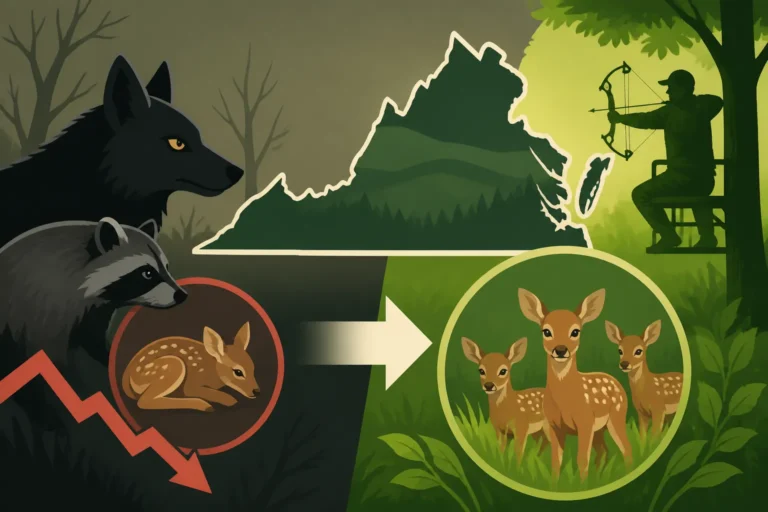
Virginia predator impact on fawn recruitment explains how coyotes, bears, natural threats, and habitat quality affect deer survival rates.
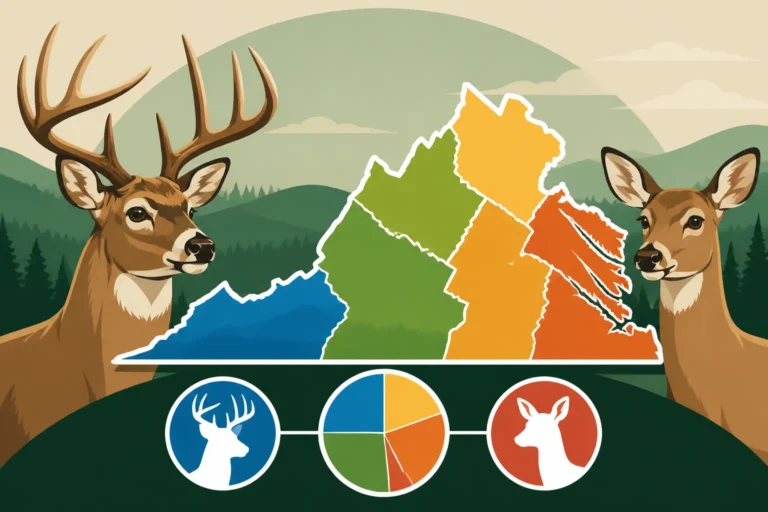
Virginia deer herd sex ratios vary from one buck per two does to one buck for ten does, affecting rut timing and hunting strategies.
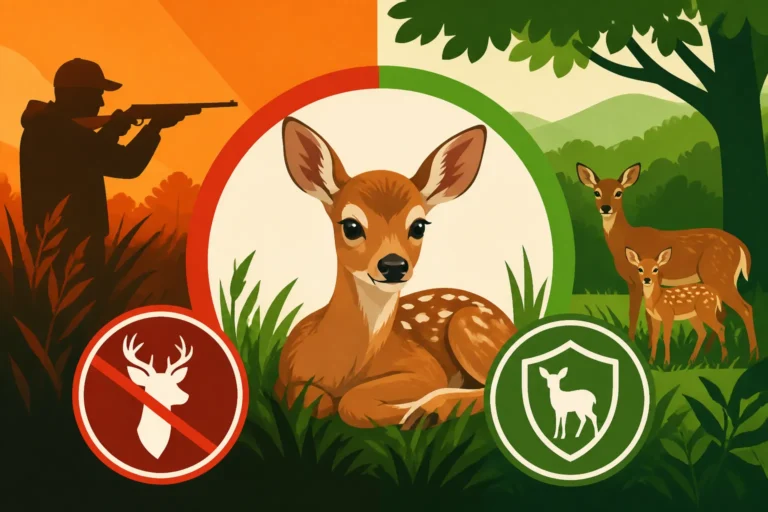
Virginia deer fawn survival rates depend heavily on coyote predation, black bears, bobcats, habitat quality, and food access during May and June.
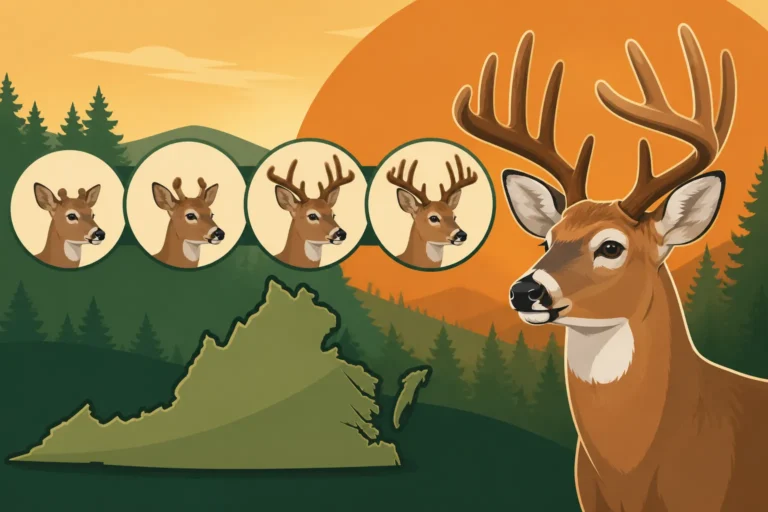
Sunlight, hormones, and nutrition drive the Virginia deer antler growth timeline from late winter shedding through spring velvet development.
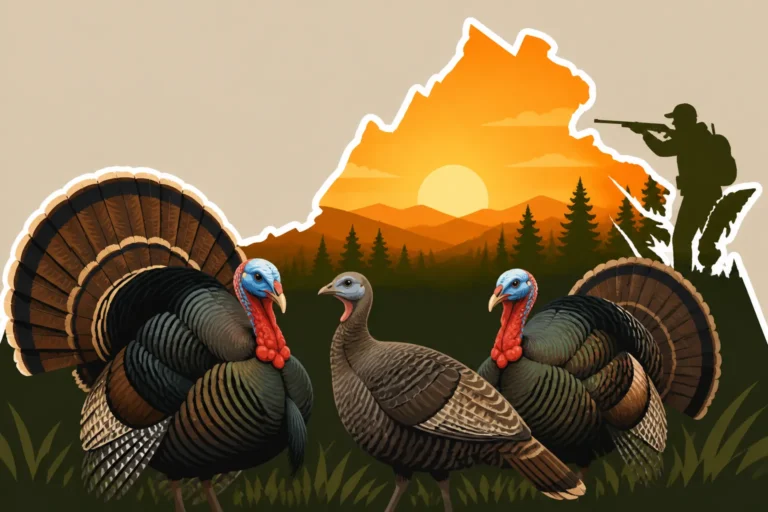
Virginia wild turkeys belong exclusively to the native Eastern subspecies, featuring metallic copper bronze plumage and chestnut tail tips.
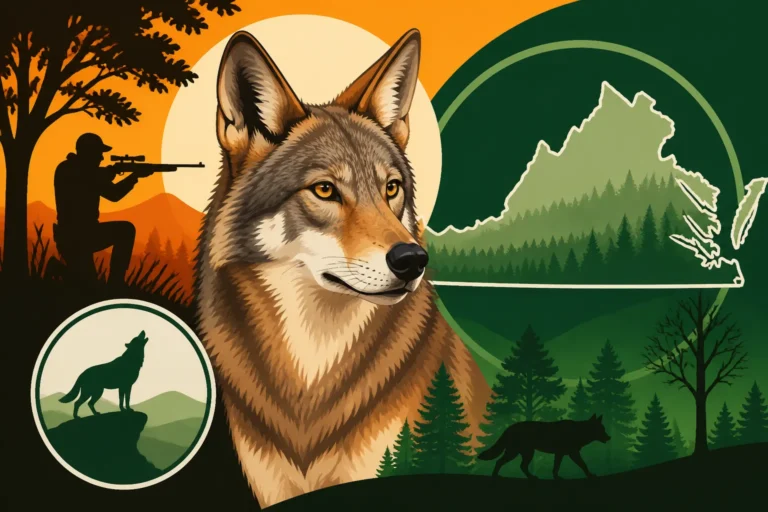
Virginia red wolf history details the original habitat, the keystone predator role, and the early twentieth century extinction of the canine.
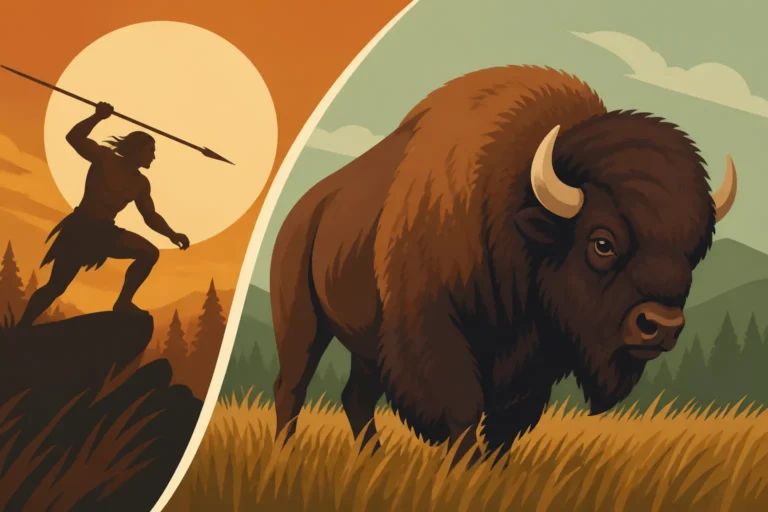
Virginia bison history reveals ancient herds roaming western mountains before European settlement, leaving lasting traces in place names.
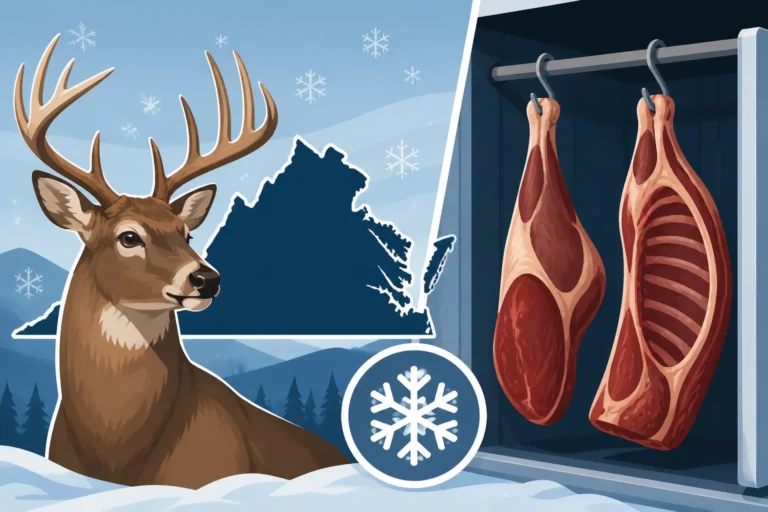
Aging Virginia venison between 34 and 40 degrees allows natural muscle enzymes to tenderize meat and concentrate flavor safely.
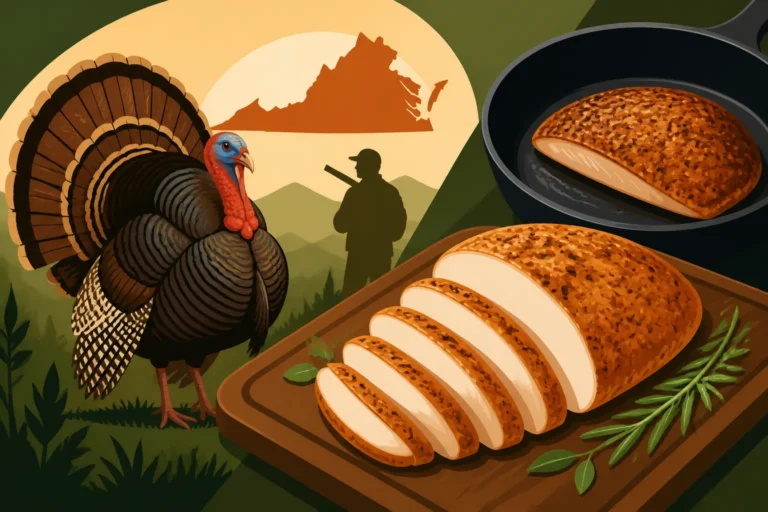
Wild turkey breast is lean, dense and firm, with virtually no visible fat, which makes it tough and dry if cooked like a forgiving domestic bird.
Flavor is subjective, but diet, habitat and handling from the moment of harvest decide whether Virginia game tastes delicious or gamey.