Hunting After a Poor Acorn Year
Virginia deer, bear, and turkey hunting strategies change during scarce mast years because animals alter feeding patterns.
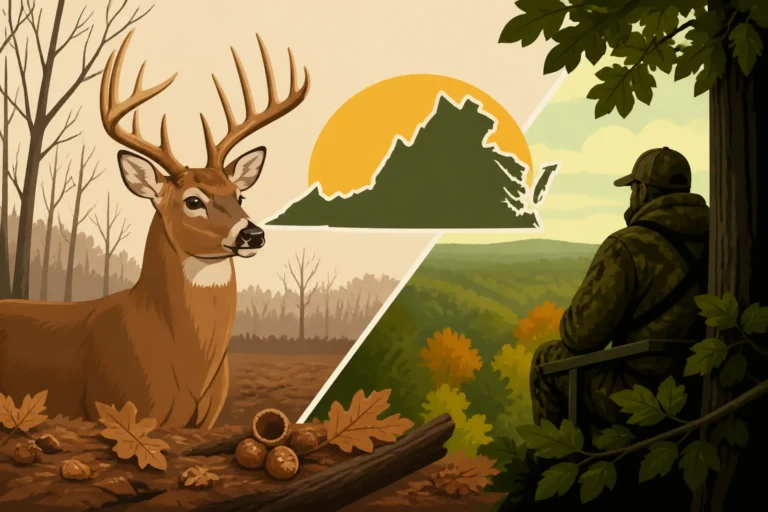
Virginia deer, bear, and turkey hunting strategies change during scarce mast years because animals alter feeding patterns.
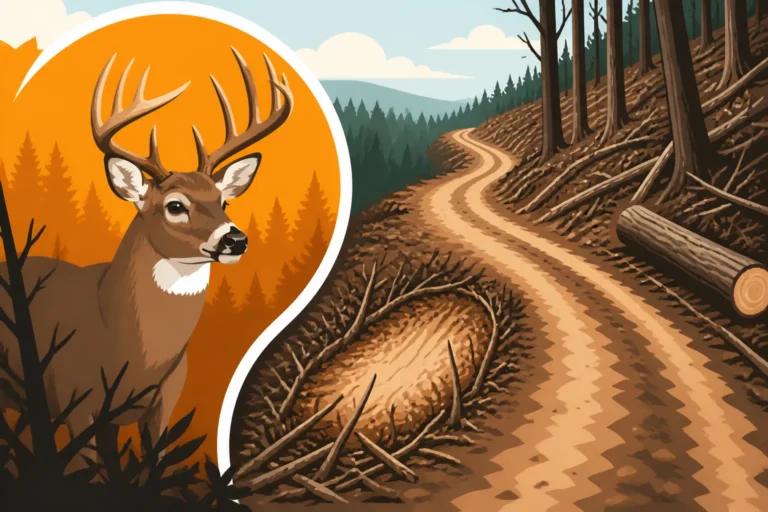
Scrape lines along Virginia logging roads provide deer communication hubs and travel corridors, explaining buck behavior.
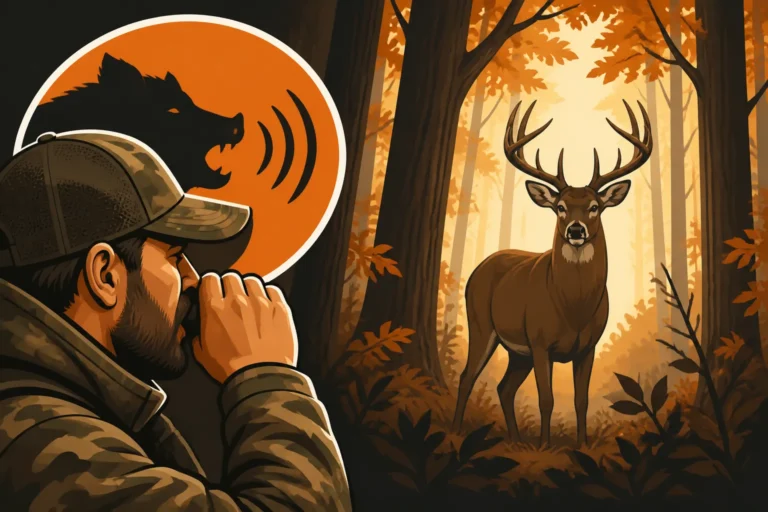
Grunt calls in mature Virginia timber require matching volume and tone to dense woods acoustics for close buck encounters.
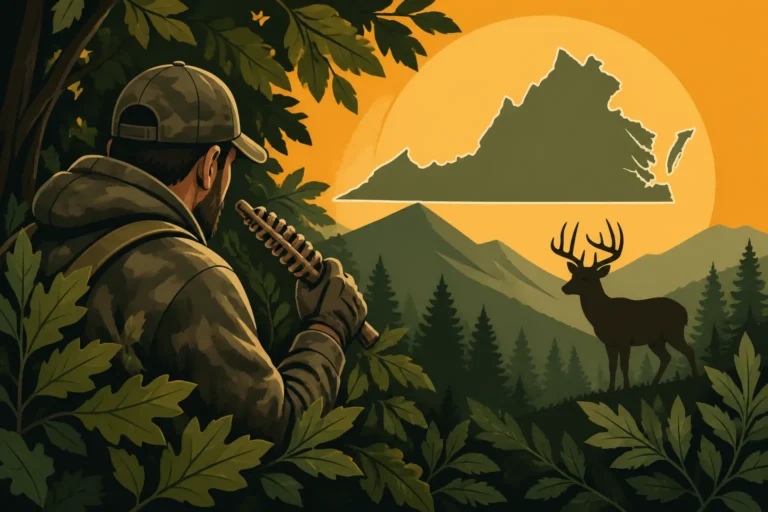
Virginia mountain deer rattling volume adjustments help hunters call whitetails through thick timber and steep terrain sound barriers.
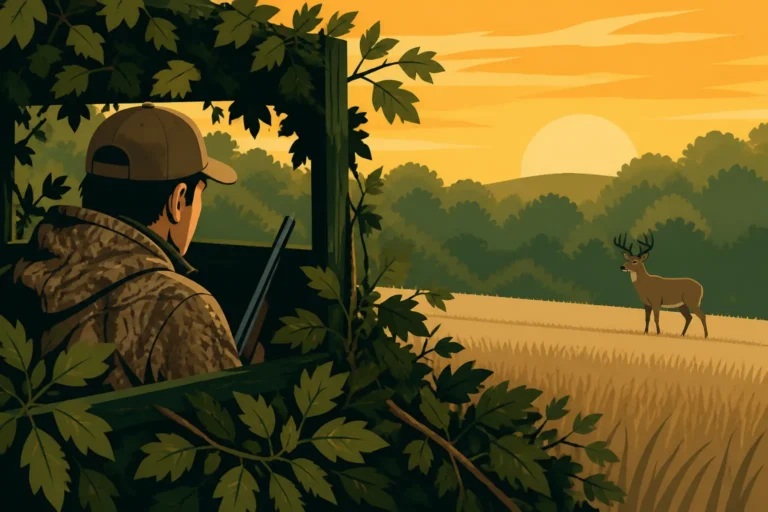
Virginia deer hunting ground blind concealment strategies explaining natural cover usage and deer behavior on field edges.
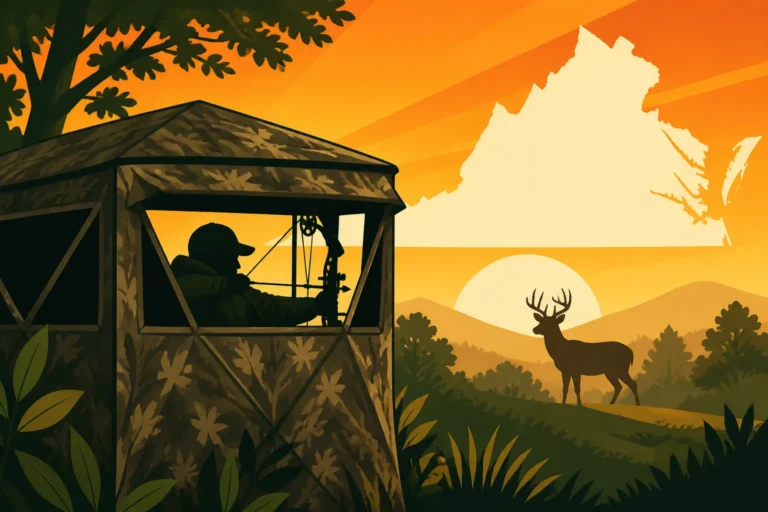
Ground blinds on Virginia public lands provide concealment and comfort for hunters facing unpredictable weather and spooky game.
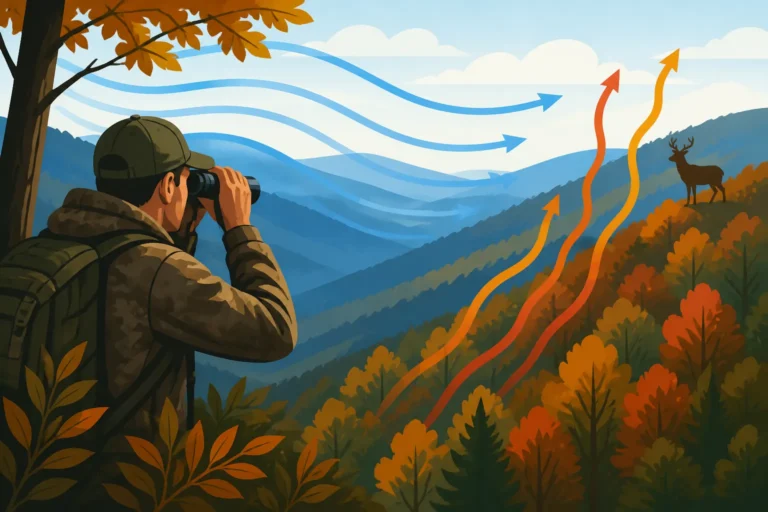
Mountain air currents and thermals on Blue Ridge slopes carry human scent uphill during mornings and downhill at evening.
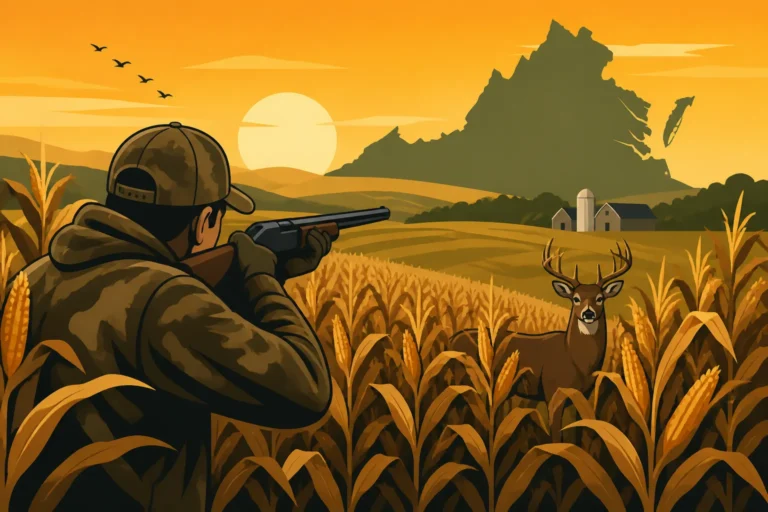
Virginia deer hunting tactics for standing cornfields explain whitetail behavior and strategies for finding success in farm country.
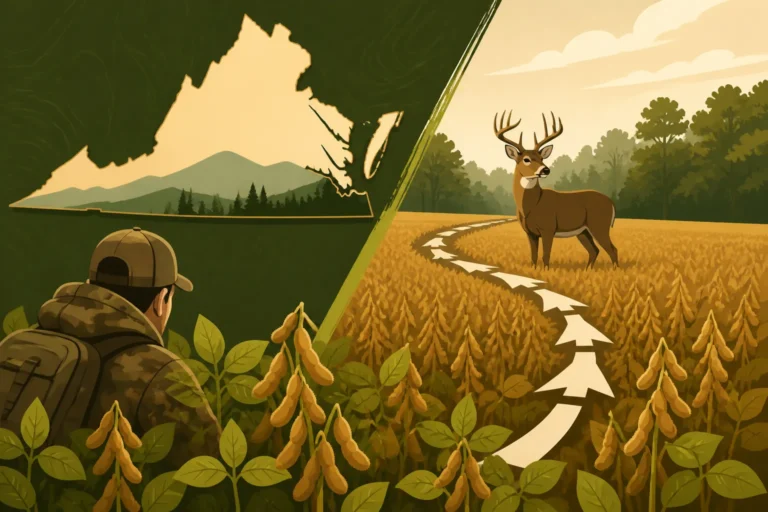
Virginia deer hunters learn proven strategies for navigating standing soybean fields and reaching hunting positions undetected.
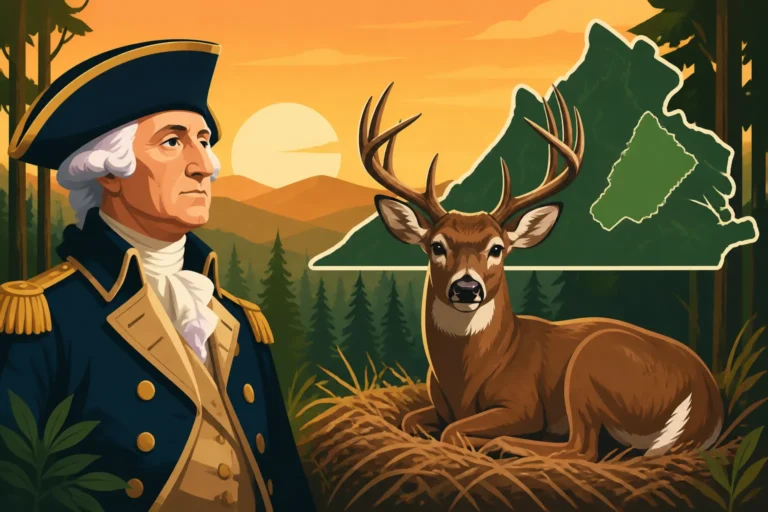
George Washington National Forest buck bedding patterns, security cover, and seasonal elevation shifts during hunting seasons.