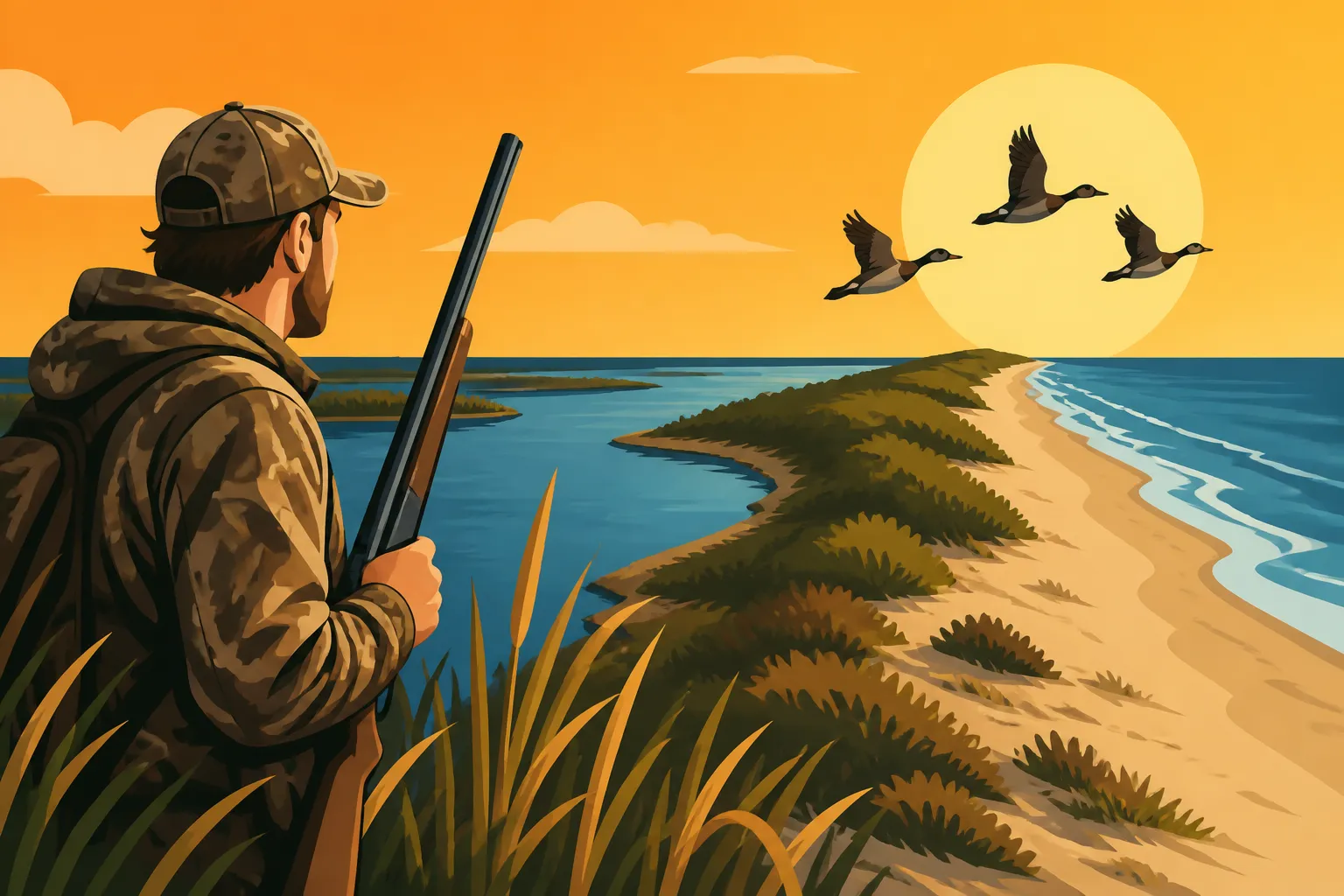
Eastern Shore Barrier Island Access
Oh, the Eastern Shore barrier islands. Just the name conjures up images of desolate beauty, crashing waves, and the incredible challenge of chasing game in truly wild places. But if you've ever dreamed of hunting these unique slivers of land along Virginia's coast, you quickly run into a wall of questions about access, regulations, and just how in the world you even get there. This guide is here to cut through the confusion and lay out exactly what you need to know to plan a successful and legal hunting adventure on Virginia's elusive barrier islands.
Understanding Virginia's Eastern Shore Barrier Islands
Virginia's Eastern Shore is a ribbon of land separating the Chesapeake Bay from the Atlantic Ocean, and off its coast lies a chain of undeveloped barrier islands. These aren't your typical mainland hunting spots; they're dynamic, constantly shifting ecosystems shaped by wind and tide, offering a truly wild and unforgettable hunting experience. They represent some of the most remote and untamed landscapes in the Commonwealth.
The Unique Ecosystem and Hunting Opportunities
These barrier islands are a stark contrast to the rolling hills and dense forests found west of the Blue Ridge. Here, you'll find expansive salt marshes, pristine beaches, scattered pockets of maritime forests, and dune systems. The environment is rugged and exposed, requiring a different approach and mindset from a typical deer or turkey hunt inland. The unique blend of saltwater and terrestrial habitats creates a haven for a variety of wildlife, particularly migratory birds. The solitude is often the biggest draw, offering a chance to truly disconnect and test your skills against the elements. It’s a place where you often feel like you’re the only hunter for miles around, a rare commodity in today’s crowded outdoors. This ecosystem also means you'll need specialized gear and an understanding of tides and weather that might not be as critical on an inland hunt.
Common Game Species Found on the Islands
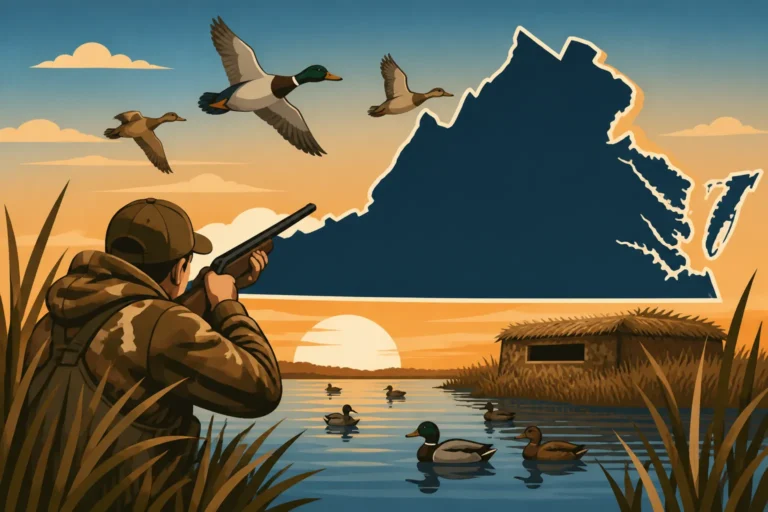
While some islands might offer limited opportunities for deer, especially the larger, more stable ones with some hardwood growth, the primary draw for hunters here is undoubtedly migratory waterfowl. The islands are an integral part of the Atlantic Flyway, acting as crucial staging and wintering grounds for countless ducks and geese. You'll find a wide variety of species, from majestic Brant grazing in the eelgrass beds to fast-flying divers like scaup and buffleheads working the open water. Sea ducks like scoters can also be encountered further offshore. Beyond waterfowl, some small game like rabbits or even raccoons might be present on islands with sufficient cover, but these are secondary targets compared to the avian bounty. For those thinking of the possibilities, understanding Virginia Waterfowl Zones and Seasons is paramount before you even consider heading out.
Navigating Access and Regulations for Hunting
This is where the dream of a barrier island hunt often hits its first snag. Unlike many easily accessible public lands, gaining entry to these islands requires careful planning, adherence to specific rules, and often, a hefty dose of patience. Many of these islands are protected, managed by state or federal agencies, each with its own set of guidelines.
Permitting and Special Requirements
The majority of Virginia's barrier islands are either privately owned or fall under the jurisdiction of the U.S. Fish and Wildlife Service, often as part of the Eastern Virginia Rivers National Wildlife Refuge Complex, which includes places like Fisherman Island or parts of the Chincoteague National Wildlife Refuge Hunting area. Access to these federal lands is extremely restricted, often requiring special permits obtained through a lottery system or managed hunts. These permits are typically highly sought after and limited in number, meaning you can't just show up and expect to hunt. Even for the few islands that might have less stringent federal rules, state regulations still apply, including standard hunting licenses and big game stamps if you're pursuing deer. Always check the specific regulations for the island you intend to visit well in advance, as rules can change annually. The Department of Wildlife Resources (DWR) website is your first stop for state-level information, but then you'll need to dig into the specific National Wildlife Refuge websites for their unique stipulations.
Transportation Challenges and Logistics
This is perhaps the biggest hurdle. There are no bridges or ferries to most of these islands. Access is almost exclusively by boat. This means you need a reliable vessel capable of handling potentially rough bay or ocean conditions, depending on the island's location. A shallow-draft boat, like a jon boat or a skiff, is often ideal for navigating the shoals, marsh channels, and shallow water around the islands. You'll need to factor in launch points on the mainland, parking for your vehicle and trailer, and the cost of fuel. Don't underestimate the currents, tides, and sudden weather changes that can occur in coastal environments. A calm morning can quickly turn into a treacherous afternoon, making a return trip difficult or even dangerous. Safety gear, including life jackets, flares, a marine radio or satellite communicator, and a well-stocked first-aid kit, is non-negotiable. Always let someone know your float plan – where you're going, when you expect to return, and who to call if you don't check in.
DWR and National Wildlife Refuge Rules
Even if you secure a permit and have your boat ready, you need to understand the nuances of the regulations. The DWR sets the overarching hunting seasons, bag limits, and legal methods of take for the state, but federal refuges often have additional restrictions. For instance, some refuges might prohibit certain firearms, mandate specific shot types, or restrict hunting to particular zones or days. You might find limitations on decoy spreads, the use of dog blinds, or even where you can anchor your boat. Some islands may have very specific hunting hours that differ from general statewide rules. It’s also common for refuges to have strict rules regarding disturbance to other wildlife, like nesting shorebirds. Virginia National Wildlife Refuges often have an annual hunt brochure or fact sheet that details these specifics, and it's your responsibility to read and understand every single line before you set foot on the island. Neglecting these rules can lead to fines, loss of hunting privileges, and even confiscation of gear.
Planning Your Barrier Island Hunt
With the complexities of access and regulations understood, it’s time to shift focus to the actual hunt planning. This isn't a spontaneous trip; it demands meticulous preparation, from the gear you pack to your strategy on the ground (or water).
Essential Gear and Safety Considerations
Hunting on a barrier island means you're almost entirely self-sufficient. There are no convenience stores, no warm lodges, and often no cell service. Your gear needs to be robust, redundant, and appropriate for the harsh environment.
Key Gear List:
- Boat & Safety Equipment: As discussed, a reliable boat, life jackets for everyone, spare paddle, anchor, bilge pump, tool kit, marine radio, GPS, flares, and a sound signaling device.
- Waders: High-quality, breathable waders are essential. You'll be spending time in the water, setting decoys, retrieving birds, and walking marshy edges. Waders for Bay Marsh Hunting are a must-have.
- Layered Clothing: Coastal weather can change dramatically. Think wool or synthetics for base layers, insulation, and a waterproof/windproof outer shell. Even in early season, the wind off the water can be biting.
- Waterfowl Shotgun & Ammunition: Nontoxic shot is legally required for all waterfowl hunting, so stock up on steel, bismuth, or tungsten loads. Know your Virginia Duck and Goose Bag Limits.
- Decoys & Spreads: For ducks and geese, a solid spread of decoys is crucial. Consider the species you're targeting and the water depth. Decoy Spreads for Chesapeake Bay Divers can be different from those for dabblers.
- Blind Materials: Layout blinds are popular on sandy beaches or marsh edges. You might also need to construct a makeshift blind from natural vegetation, if allowed, so bring pruning shears or a small saw.
- Navigation & Communication: A waterproof GPS unit (or a phone with a robust hunting app like onX Hunt downloaded with offline maps) is critical. Knowing property boundaries and navigable channels is vital. A satellite communicator offers peace of mind when cell service is nonexistent. GoHunt also offers valuable tools for researching public land opportunities, which can be useful when planning these complex trips.
- Food, Water, & First Aid: Pack more than you think you'll need. Dehydration and hypothermia are real threats. A comprehensive first aid kit is essential, and know how to use it.
- Game Care: Game bags for birds, a cooler with ice in your boat, and a knife for field dressing. In warmer weather, keeping birds cool is a priority.
Safety Reminders:
Never hunt alone if possible. Always tell someone your plans. Be aware of changing tides and weather. If you're on a federal refuge, check for Virginia Blaze Orange Requirements even if not explicitly for waterfowl, as other hunts might be occurring, or it's a general safety recommendation in certain areas. Understanding the specific refuge rules for firearms discharge setbacks and safe zones is critical.
Scouting and Strategy for Success
Scouting for a barrier island hunt is fundamentally different from scouting a deer woods. Much of it will be done remotely and from the water.
Remote and Aerial Scouting:
Before you ever launch your boat, spend significant time studying satellite imagery. Tools like onX Hunt or GoHunt allow you to zoom in and identify potential roosting areas, feeding flats, marsh channels, and safe landing spots on the islands. Look for patterns in the marsh, areas with exposed mud flats at low tide, or pockets of deeper water that might hold diving ducks. Pay attention to wind direction and how it might affect your approach and decoy spread. Identifying current lines and eddies can also give you clues about where birds might congregate.
On-Water Scouting:
If possible, make a dedicated scouting trip by boat before your actual hunt. Don't bring your gun or hunting gear, just observe. Watch how birds move, where they feed, and their flight paths. Map out safe channels and observe how the tides expose or cover certain areas. Note potential blind locations and assess the accessibility. You can't just walk anywhere; some areas are designated as bird sanctuaries or non-hunting zones, which an app like onX Hunt can help you delineate. For a pure waterfowl focus, consider hunting areas like Hog Island WMA Waterfowl Access, which, while not a true barrier island, shares many of the same challenges and rewards for waterfowlers and can be a good stepping stone.
Developing a Hunting Strategy:
Your strategy will depend heavily on the species you're targeting and the specific conditions.
- For puddle ducks (mallards, teal, wigeon), focus on marsh channels, shallow ponds, and areas with emergent vegetation. A small spread of decoys, often with some motion, and careful concealment in natural cover or a marsh boat blind can be effective.
- For diving ducks (scaup, buffleheads, goldeneyes), you'll often be in more open water, requiring larger spreads and strong anchors. Look for areas with deeper water and abundant submerged aquatic vegetation.
- For Brant or sea ducks, you might need to position yourself further out, targeting feeding areas along the edges of larger shoals or bays. Their diet and behavior are quite distinct.
Always be flexible. The weather, tides, and bird movements on the Eastern Shore are constantly changing. What worked yesterday might not work today. Be prepared to move, adapt your spread, and embrace the wild, unpredictable nature of barrier island hunting. It’s an adventure, not just a hunt.
Disclaimer
This article is for general informational purposes only and does not constitute professional advice. Laws, prices and regulations vary by location and change over time. Consult a qualified professional for guidance on your specific situation.