Filling a Five-Deer Western Limit
Navigating Virginia's diverse deer seasons and bag limits can feel like trying to solve a complex puzzle, especially when you're aiming to make the most of your opportunities in the rugged Western Region. With its unique regulations, hitting your stride and consistently harvesting multiple deer – up to the full two antlered and four antlerless limit allowed – requires a thoughtful, adaptable strategy. This guide is designed to break down the nuances of Western Virginia's deer hunting, offering practical methods to fill your freezer and manage your tags efficiently throughout the season.
Understanding Western Virginia's Deer Limits and Structure
Before you even step foot in the woods, having a crystal-clear understanding of the Virginia Department of Wildlife Resources (DWR) regulations for the Western Region is paramount. This isn't the Eastern Region's "three-buck" rule; the mountains present their own set of guidelines that dictate how many deer you can take and when. Misinterpreting these rules can lead to legal issues and wasted opportunities, so let's get it straight from the start.
The Antlered Deer Cap for Western Hunters
In most counties west of the Blue Ridge Mountains, with a few specific exceptions like Amherst, Bedford, and Nelson, the antlered deer bag limit is set at two per license year. This is a significant difference from the more liberal three-antlered deer limit allowed in the Eastern counties. For hunters venturing into the George Washington National Forest or the Jefferson National Forest, this two-buck cap means your antlered deer strategy needs to be precise. You can only take one antlered deer per day, which is a statewide rule, but knowing you only have two total to work with for the entire season influences your decision-making, especially when that first buck steps out. It encourages careful evaluation of your buck options and often means holding out for a more mature animal if that's your goal, or taking a legal buck early to get that tag filled and then focusing on antlerless opportunities.
This cap often presents a mental shift for hunters accustomed to regions with higher buck limits. Instead of a "what can I get" mentality, it becomes more about "which two bucks will I invest my tags in?" This can lead to more selective hunting, focusing on scouting mature buck sign, and really understanding the age structure of the deer in your specific hunting area. It also puts a greater emphasis on trail camera data and pre-season observation, especially if you're targeting specific animals.
Antlerless Opportunities in Western Virginia
While the antlered deer limit is tighter, the opportunities for antlerless deer are typically quite generous, often allowing for four antlerless deer per license year to reach the statewide six-deer total. In most Western counties, hunters can take antlerless deer during all open deer seasons, which includes statewide archery, early muzzleloader, and the general firearms seasons. This is where you really build towards your total harvest. Filling these antlerless tags is not just about meat for the freezer; it's a critical component of herd management and often the most reliable way to fill your overall limit.
The DWR actively encourages antlerless harvest to maintain healthy deer populations and manage agricultural damage. In some areas, special landowner permits or population management programs might offer additional antlerless opportunities, though these are more common on private lands with specific management goals. For public land hunters, simply utilizing the regular season antlerless opportunities is usually sufficient to achieve your targets. Being able to consistently take does throughout the season is a hallmark of an effective Western Virginia deer hunter.
Season Breakdown and Regional Specifics
Virginia's deer season is a layered cake of opportunities, and understanding how each slice contributes to your Western limit is key. It typically kicks off with the statewide archery season in early October, followed by a brief early muzzleloader season, and then the long general firearms season, which runs through January. Some specific Western counties might have minor variations or special regulations, so always double-check the current DWR regulations for the exact county you plan to hunt.
The early archery season provides an excellent chance to harvest an antlerless deer or even one of your two allotted bucks before hunting pressure becomes intense. Muzzleloader season often falls during the early stages of the rut or pre-rut, offering a unique challenge and a chance at mature bucks with traditional firearms. Finally, the general firearms season, which sees the highest participation, provides the longest window to fill your remaining tags, often coinciding with the peak of the rut in November and then transitioning into the challenging late-season conditions of December and January. Each season offers distinct advantages and challenges, and a successful strategy incorporates all of them.
Archery and Muzzleloader Strategies for Early Success
The early seasons, particularly archery and muzzleloader, can be incredibly productive for filling your Western deer limit, often before the woods get crowded during general firearms. These seasons demand different tactics and offer unique advantages for the prepared hunter. By capitalizing on these opportunities, you can knock out several tags early, reducing pressure later in the year.
Bowhunting for Antlerless Deer
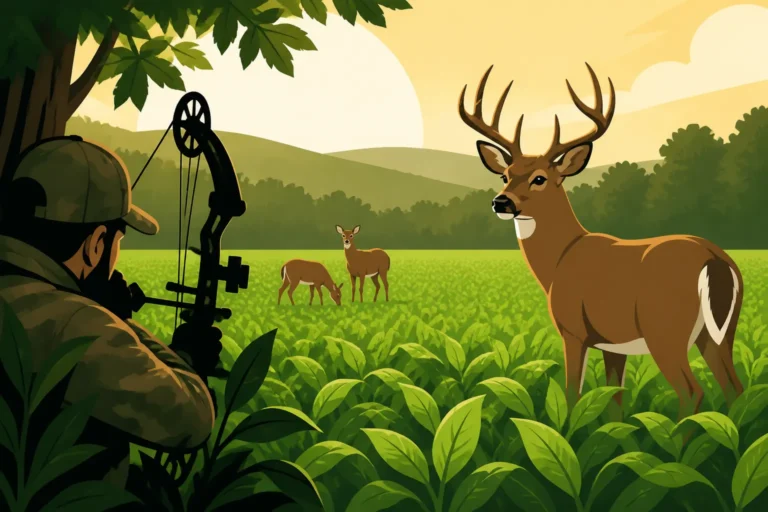
When the statewide archery season opens in early October, the Western mountains offer prime conditions for targeting antlerless deer. Deer are still in their early-season patterns, often focused on predictable food sources like acorns, persimmons, and agricultural fields adjacent to cover. This is your chance to fill those important antlerless tags. Focus your scouting on identifying these early season food sources. White oak ridges, persimmon groves, and isolated apple trees can be magnets for does and fawns. Setting up treestands or ground blinds downwind of these areas, especially near trails leading to bedding cover, can yield consistent shot opportunities.
Pressure is typically lower in the early archery season, especially on public land, allowing deer to maintain more natural patterns. Prioritize stealth and scent control, as deer are not yet accustomed to heavy human intrusion. Targeting does early not only helps manage the herd but also provides valuable venison for the freezer without using one of your coveted buck tags. Remember to review Virginia's Statewide Archery Season rules to ensure you're compliant with all regulations, especially regarding equipment and specific zone allowances. Utilizing mapping tools like the GoHunt app or the DWR’s online resources can help you pinpoint promising habitat features before you even step foot in the woods.
Muzzleloader Opportunities
The early muzzleloader season often occurs in late October or early November, bridging the gap between archery and general firearms. This period can be magical, as deer are often transitioning into pre-rut or early rut behaviors. This is an excellent opportunity to pursue either an antlered or antlerless deer with a traditional firearm. Deer activity increases during this time as bucks begin to chase does, making them more visible and less cautious than they were earlier in the fall.
Hunting during the muzzleloader season requires specific gear and a good understanding of black powder ballistics. The slower projectile speeds and limited range compared to modern rifles mean shot selection is critical. Focus on dense cover, thickets, and pinch points where deer are funneled through the rugged Western terrain. Tracking a deer after the shot can be challenging, especially as more leaves fall, so precise shot placement is paramount. Understanding Muzzleloader Deer Hunting in Virginia regulations, including legal firearms and shot requirements, will ensure a smooth hunt. The colder weather associated with this season can also be a benefit, as deer often move more during daylight hours to feed, and game care is simplified with cooler temperatures.
General Firearms Season: Maximizing Harvest in the Mountains
The general firearms season is, for many, the main event in Virginia's Western Region. It's when the vast majority of deer are harvested, and it offers the longest window to fill your two antlered and four antlerless tags. However, it also brings increased hunting pressure and often more challenging weather conditions. Success during this period hinges on smart scouting, adaptable tactics, and sheer persistence.
Locating Deer in Mountain Terrain
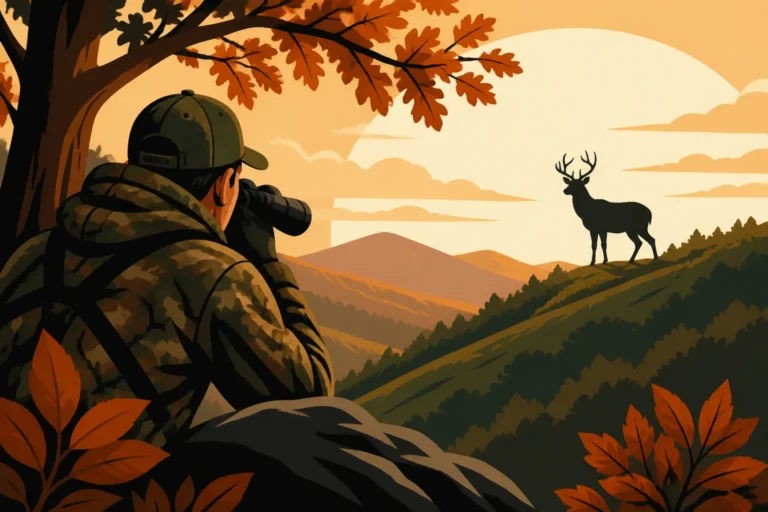
Hunting the extensive tracts of the George Washington National Forest or Jefferson National Forest can be daunting due to their sheer size and rugged topography. Deer in these environments are masters of using the terrain to their advantage, often favoring steep, secluded benches, thick laurel patches, and remote hollows. Simply walking aimlessly won't cut it. You need to focus on finding key terrain features that funnel deer movement or provide ideal bedding and feeding areas. Look for saddles between ridges, natural pinch points created by steep drop-offs, and benches that offer security and travel routes. South-facing slopes, which warm up faster in the morning, can be excellent feeding areas, especially during colder periods.
Before the season, dedicate time to scouting these areas, looking for rubs, scrapes, and fresh tracks. Use topographic maps and aerial imagery, perhaps with a tool like onX Hunt or GoHunt, to identify promising areas far from roads and established trails, where hunting pressure is likely to be lower. Consider setting up your Treestand Setups in George Washington National Forest based on these observations, focusing on locations that offer good visibility and a clear shooting lane downwind of expected deer travel. If you prefer to stay on the move, learning to Still-Hunting Jefferson Forest Ridges effectively, moving slowly and deliberately, can also be highly productive.
Drive Hunting and Still Hunting Tactics
When trying to fill multiple deer tags, especially on public land with moderate to heavy pressure, employing a variety of tactics can pay off. Drive hunting, when done safely and ethically with a small group, can be highly effective in pushing deer from thick cover to waiting standers. This strategy is particularly useful in areas with dense security cover where deer tend to hunker down. Coordinate routes, communication, and safety zones meticulously beforehand. Reviewing guidelines for Deer Drives on Virginia Public Land is crucial to ensure safety and compliance.
Alternatively, still-hunting or spot-and-stalk techniques can be incredibly productive for a solitary hunter or a small pair. Moving slowly, stopping frequently to observe and listen, and covering ground quietly allows you to intercept deer moving naturally through the woods. This is especially effective after a fresh snowfall, when tracks are easy to read, or during mid-day when other hunters might be back at camp. For those hunting more open, mature timber, this can be a fantastic way to cover ground and find deer that are feeding or traveling between bedding areas. Remember, patience is a still-hunter's best friend.
Late-Season Persistence
As the calendar turns to December and January, many hunters hang up their gear. This is a mistake in Western Virginia. The late season, which allows hunting Into the January Second Close, can be incredibly productive, especially for filling those remaining antlerless tags or even a second buck tag. Deer patterns change drastically as food sources dwindle and colder temperatures push them to prioritize calories and conserve energy. They will gravitate towards the best available food and thick thermal cover.
Focus your efforts on identifying late-season food sources like standing crops (if on private land), honeysuckle thickets, persistent mast crops (like red oak acorns or beechnuts in an exceptionally good year), and green browse in sheltered areas. Deer will often yard up in these preferred feeding and bedding areas, making them more concentrated. Hunting during cold snaps, particularly the first few hours after sunrise or the last few hours before sunset, can capitalize on deer needing to feed. Remember that deer movement might be compressed into shorter windows during the coldest parts of the day. Persistence during these colder, often more uncomfortable hunts, is what separates those who fill their limits from those who don't. Adjusting your strategy to account for the diminished food sources and colder temperatures, as detailed in our guide on Late-Season Food Sources for Virginia Whitetails, is critical.
Key Considerations for Multiple Harvests
Successfully filling multiple deer tags in Western Virginia isn't just about hunting tactics; it involves thoughtful planning, diligent game care, and strict adherence to regulations. Neglecting any of these aspects can quickly derail your efforts and impact your ability to maximize your harvest.
Public Versus Private Land Access
The choice between public and private land significantly impacts your multi-deer harvest strategy. Public lands, like the National Forests or various Wildlife Management Areas (WMAs), offer vast acreage and accessible hunting grounds but often come with higher hunting pressure. On public land, you'll need to work harder to find less-pressured areas, often by hiking deeper or utilizing less obvious access points. The deer on public land are often more wary and nocturnal due to constant human presence, requiring more cunning and patience to locate and harvest.
Private land, on the other hand, can offer more consistent deer patterns and less pressure, especially if managed for wildlife. If you have access to private property, work with the landowner to understand their goals and deer management objectives. Sometimes, landowners welcome additional antlerless harvests to reduce crop damage or control herd numbers. Gaining Getting Private Land Permission in Virginia can be a game-changer for consistently filling tags, but it requires respect, clear communication, and often a commitment to helping the landowner out.
Game Recovery and Processing Logistics
Harvesting multiple deer, especially if you're targeting your full limit, introduces logistical challenges, particularly regarding game recovery and processing. The rugged Western terrain means that a deer shot deep in a hollow can be a monumental task to recover. Always carry a reliable headlamp, a good field dressing knife, and consider investing in a sturdy deer cart or sled if hunting flatter areas. For steep, mountainous terrain, a good frame pack for deboning the animal might be the most practical solution. Our guide on Dragging a Deer Out of a Mountain Hollow provides crucial tips for this arduous task.
Once recovered, proper game care is paramount to ensure high-quality venison. In warmer early seasons, rapid field dressing and cooling are critical. Pack ice into the body cavity if temperatures are high. As the season progresses into colder months, cooling is less of an issue, but protecting the carcass from dirt, leaves, and scavengers becomes important. Having a plan for butchering – either doing it yourself or having a local processor lined up – is essential. Remember, filling a five-deer limit means managing a substantial amount of meat, so ensure you have adequate freezer space and proper packaging materials. For late-season hunts, dealing with cold-weather processing is covered extensively in our guide on Field Dressing a Deer in Cold Weather.
Understanding CWD and Reporting
Virginia takes Chronic Wasting Disease (CWD) very seriously, and certain counties in the Western Region are designated as Disease Management Areas (DMAs). If you hunt in an area like Frederick, Clarke, Shenandoah, Warren, or other Western counties within a DMA, you'll face additional regulations regarding carcass movement and mandatory CWD testing. These rules are in place to help monitor and control the spread of this fatal neurological disease. Always check the current DWR regulations for a map of Virginia's Four Chronic Wasting Disease Areas and specific rules for your hunting location. This might include mandatory CWD testing for deer harvested during certain periods or prohibitions on moving certain parts of a deer carcass out of the DMA.
Beyond CWD, all harvested deer in Virginia must be reported to the DWR. This is a crucial step in fulfilling your legal obligation and contributing to valuable data that helps manage the deer herd. You can report your deer quickly and easily through the Go Outdoors Virginia app on your smartphone, online via the DWR website, or by phone. This must be done before processing the deer or transporting it beyond the county of kill. Failing to report a deer is a violation and can result in penalties. Always prioritize this step immediately after recovery. Understanding Virginia Deer Reporting Requirements is as important as pulling the trigger.
Strategic Planning for Consistent Success
Achieving your Western deer limit year after year isn't just about luck; it's about a well-thought-out, adaptable strategy. From pre-season preparations to in-season adjustments, consistent success comes from diligent effort and an understanding of deer behavior.
Pre-Season Scouting and Trail Cameras
The work to fill your tags actually begins long before opening day. Pre-season scouting is arguably the most critical component of consistent success in Western Virginia. This means getting out into the woods in the late summer and early fall, identifying primary food sources (especially mast crops like acorns), locating fresh sign, and understanding deer travel patterns. Look for established trails, rub lines, and scrapes. Pay attention to how deer use the topography, especially benches and saddles on steep ridges. Using tools like topographical maps and aerial photos, combined with on-the-ground recon, allows you to identify high-potential areas and plan your stand locations.
Trail cameras are invaluable for this process, acting as your eyes in the woods when you can't be there. Place them on trails leading to food sources, near natural funnels, or on rub lines to monitor deer activity, identify specific bucks, and gauge the overall health of the herd. They can help you determine peak movement times and understand how deer react to changes in weather or pressure. The DWR App is a great resource, but pairing it with specialized mapping software, like the GoHunt platform, can give you an edge by allowing you to mark specific deer sign, map travel routes, and create a comprehensive picture of your hunting area. Our guide on Scouting Virginia Public Land Before Season dives deeper into these essential preparatory steps.
Managing Hunting Pressure
One of the biggest challenges to harvesting multiple deer, particularly on public land, is navigating hunting pressure. Western Virginia's national forests and WMAs can see significant hunter numbers, especially during opening weekends and the peak of the rut. Deer quickly become wary and change their behavior in response to this pressure, often becoming more nocturnal or seeking out the thickest, most remote cover. To consistently fill your tags, you need to develop strategies to minimize the impact of this pressure.
This might mean hunting during weekdays when fewer people are in the woods, or focusing on areas that require a longer, more strenuous hike to access. Deer will often gravitate to these harder-to-reach pockets of cover where they feel safe. Look for small, overlooked parcels of land, isolated timber blocks, or areas with difficult terrain that deter other hunters. Hunting edges of clear-cuts or thick planted pines can also provide good opportunities, as these areas offer dense cover that deer will use to escape pressure. Understanding how to find Finding Ground Others Walk Past is a skill that will pay dividends throughout the season, especially when targeting those elusive Western bucks.
Adapting to Weather and Food Sources
Deer are highly sensitive to changes in weather and food availability. A successful multi-deer harvest strategy requires constant adaptation to these shifting conditions throughout the season. Early in the fall, deer are often concentrated on hard mast (acorns) or soft mast (persimmons, apples). As these resources are depleted, they shift to browse, agricultural fields, or late-season food plots. Cold fronts often trigger increased deer movement as they feed heavily before or after a significant temperature drop.
Rainy days, while uncomfortable for hunters, can sometimes offer excellent hunting opportunities as deer might be less wary due to reduced human activity and sound dampening. Heavy snow can push deer into thermal cover or force them to specific food sources that remain accessible. Paying attention to weather forecasts and scouting for changing food patterns allows you to adjust your hunting locations and tactics accordingly. For example, after a strong cold front, you might shift your focus from a general travel corridor to a protected, sunny slope with persistent green browse. Being flexible and observant of your environment is key to staying on deer, no matter what Mother Nature throws your way.
Virginia Western Region Deer Limits Table
To help keep track of the specific regulations that govern deer hunting in Western Virginia, here's a quick summary compared to the Eastern Region. Always double-check the current DWR regulations for any last-minute changes or county-specific rules.
| Regulation Aspect | Western Region (most counties west of Blue Ridge) | Eastern Region (most counties east of Blue Ridge) | Statewide General Rules |
|---|---|---|---|
| Antlered Deer Limit | 2 per license year | 3 per license year | 1 antlered deer per day |
| Antlerless Deer Limit | 4 per license year (to reach 6 total deer) | 3 per license year (before a 3rd buck, often more with bonus tags/DMAP) | Often liberal, encouraged for herd management |
| Total Deer Limit | 6 per license year (2 antlered, 4 antlerless) | 6 per license year (up to 3 antlered, 3+ antlerless) | 6 per license year overall |
| Archery Season | Open for antlered & antlerless deer | Open for antlered & antlerless deer | Full archery equipment rules apply |
| Muzzleloader Season | Open for antlered & antlerless deer | Open for antlered & antlerless deer | Specific muzzleloader equipment rules apply |
| General Firearms Season | Open for antlered & antlerless deer | Open for antlered & antlerless deer | Legal firearms and blaze orange requirements |
| CWD DMAs | Present in several counties (e.g., Frederick, Shenandoah) | Limited presence, mostly in Northern VA | Mandatory testing and carcass rules apply in DMAs |
| Deer Reporting | Mandatory for all harvested deer | Mandatory for all harvested deer | Must be reported to DWR before processing or transport |
This table provides a snapshot, but remember that the DWR website is your ultimate source for the most up-to-date and granular information for each hunting season.
Disclaimer
The information provided in this article is for general guidance and informational purposes only. Hunting regulations, seasons, and bag limits are subject to change by the Virginia Department of Wildlife Resources (DWR). It is the hunter's responsibility to consult the most current DWR regulations and local ordinances before engaging in any hunting activities. Always prioritize safety, ethical hunting practices, and compliance with all applicable laws.