Finding Access Near Charlottesville
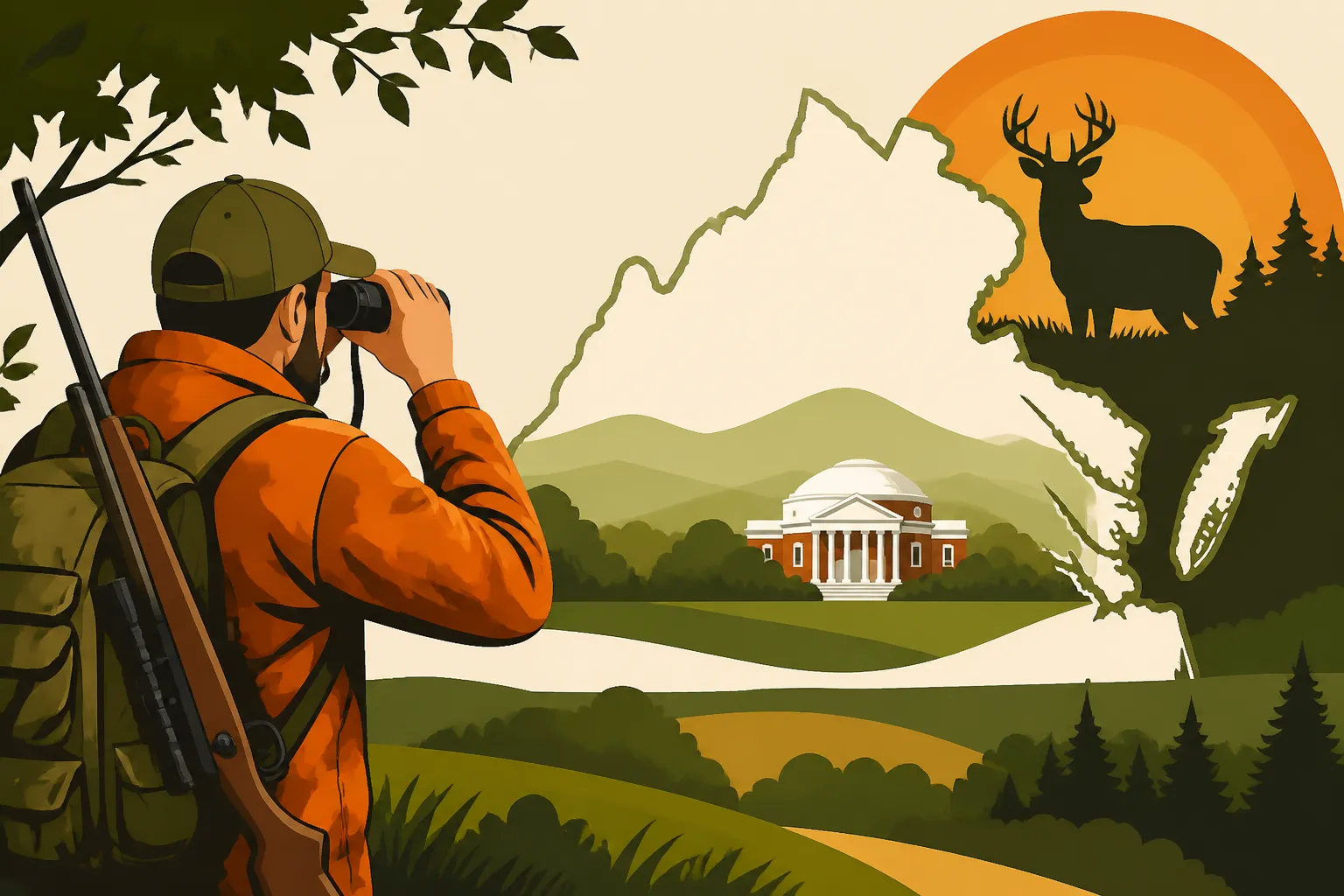
Finding quality hunting land around Charlottesville can feel like searching for a needle in a haystack, especially with the region's steady growth and the increasing demand for outdoor spaces. It's a common frustration for many hunters, balancing the dream of a successful season with the reality of limited access. This guide aims to demystify the process, offering practical advice and strategies to help you uncover both public and private hunting opportunities in and around the Charlottesville area, ensuring your next season is full of promise.
The Challenge of Hunting Near Charlottesville
Let's be honest, hunting near a growing metropolitan area like Charlottesville isn't always easy. The serene landscapes that draw people to this part of Virginia are also what make hunting access a hot commodity. You're constantly balancing the desire for solitude and wild spaces with the realities of population density and development. It's a unique challenge that requires a thoughtful approach, but it's far from insurmountable.
Balancing Urban Growth with Hunting Opportunities
Charlottesville and the surrounding counties, particularly Albemarle, have experienced significant development over the past few decades. What were once sprawling farms or expansive timber tracts are now often subdivided into smaller parcels, dotted with homes, or converted into vineyards and other agricultural ventures that don't always welcome hunting. This fragmentation of habitat makes it harder for deer, turkeys, and other game to move freely, and it definitely complicates a hunter's search for consistent access. It's frustrating to see prime habitat disappear, or to drive past "No Hunting" signs on land that looks absolutely perfect.
The increase in human population also means more people using public lands for recreation—hiking, trail running, mountain biking—which can lead to increased pressure on game and less undisturbed hunting time. Understanding this dynamic is crucial; it means you might need to adjust your tactics, hunt during off-peak hours, or simply be willing to walk a little further than the average enthusiast. The traditional image of vast, undisturbed hunting grounds might need to be adapted to fit the reality of a peri-urban environment.
The Mix of Private and Public Land
Near Charlottesville, you'll find a tapestry of land ownership: large swaths of national forest, smaller state-managed Wildlife Management Areas (WMAs), and a significant amount of private property. Each comes with its own set of opportunities and hurdles. Public lands offer guaranteed access but often come with more hunting pressure. Private lands, on the other hand, can offer exclusive opportunities and less competition, but securing permission can be a daunting task.
The sheer volume of private parcels means that many hunters default to public land, even if it's further away, simply because the process of asking for permission feels overwhelming or intimidating. It's a common sentiment, feeling like you're bothering someone by asking to hunt their land. However, with the right approach and a clear understanding of the benefits you can offer a landowner, private land can become a consistent and rewarding option. Don't let the mix of land types discourage you; instead, see it as a puzzle to be solved, with various avenues to explore.
Understanding Local Regulations
Adding another layer of complexity are the local regulations. While Virginia has statewide hunting laws, individual counties can sometimes have specific ordinances regarding firearms discharge setbacks from roads or dwellings, Sunday hunting restrictions (though statewide Sunday hunting has expanded significantly), or even specific "archery-only" zones in more developed areas. It's vital not to assume statewide rules apply universally.
For instance, some counties around Charlottesville might have denser populations, leading to more restrictive local laws designed to protect residents and their property. Before you even think about setting foot on a piece of land, public or private, always double-check the local county ordinances in addition to the Virginia Department of Wildlife Resources (DWR) regulations. A quick call to the county sheriff's office or checking their website can save you a lot of headache and potential legal trouble. Ignorance of local law is no excuse, and showing landowners you're informed can go a long way.
Navigating Public Hunting Lands Around Charlottesville
When it comes to public hunting land near Charlottesville, the good news is that you're not entirely out of luck. While you won't find thousands of acres right on the city's doorstep, within a reasonable drive, there are significant opportunities available. It often means a bit of a commute, but the reward of public access, diverse terrain, and challenging hunts can be well worth the effort.
George Washington National Forest
One of the crown jewels for public land hunters in Virginia, and certainly accessible from Charlottesville, is the vast George Washington National Forest (GWNF). While the main forest stretches west into the Appalachian Mountains, portions of it, particularly the eastern edges, are within a manageable drive. This means you'll be looking at mountainous terrain, dense hardwoods, steep hollows, and remote ridgelines—a stark contrast to the rolling hills and agricultural fields closer to Charlottesville.
Hunting the GWNF requires a different mindset and skillset. You'll need to be prepared for strenuous hikes, potentially miles from the nearest road, and the game here is often more scattered and wary due. But for those willing to put in the effort, the rewards can be significant. Large-bodied deer, healthy turkey populations, and even black bears roam these forests. Think about setting up a treestand in a remote saddle or along a bedding area ridge. For specific tactics, you might find some useful ideas in Treestand Setups in George Washington National Forest. Remember that scouting is absolutely critical in this expansive and challenging environment. Don't expect to just show up opening day and have success without putting in the legwork beforehand.
Virginia Wildlife Management Areas (WMAs)
Virginia's Wildlife Management Areas (WMAs) are state-owned lands specifically acquired and managed for wildlife and public recreation, including hunting. While WMAs are generally smaller than national forests, they are often intensely managed to provide quality habitat for game species, which can lead to higher densities of deer, turkeys, and small game. Several WMAs are within striking distance of Charlottesville, offering different types of hunting experiences.
For example, places like James River WMA or Hardware River WMA (which is quite close to Charlottesville, actually) offer a mix of bottomland hardwoods, riparian zones, and sometimes open fields, providing diverse habitat for deer, turkeys, and waterfowl. Amelia WMA, a bit further east, is another popular spot with a good mix of timber, fields, and water features. Each WMA has its own unique characteristics, and some may require a daily access permit or sign-in, which you can usually do online via the DWR website or app. It's always a good idea to check the specific rules for each WMA you plan to visit, as they can vary. To locate these and other options, checking Finding a Virginia WMA Near You can be a great starting point for your research. These areas are often more accessible and can provide a good alternative to the more rugged national forest terrain, but often come with higher hunter numbers, especially on opening weekends.
Other Public Access Points
Beyond the major national forests and WMAs, there might be other, smaller public access points worth investigating. Occasionally, Virginia State Parks allow limited hunting, often through quota hunts or specific deer management programs. While these opportunities are less frequent and highly competitive, they are definitely worth looking into, especially if you're interested in antlerless deer harvest near population centers.
Another option to consider, though usually less common for general hunting, could be certain military installations or federal refuges that offer managed hunts. These are almost always lottery-based, with specific application periods and strict rules, but they can provide unique, low-pressure hunting experiences. These opportunities require diligence to track application deadlines and a bit of luck in the draw, but they can be incredibly rewarding. The key is to be proactive and persistent in your research, as these smaller opportunities are often overlooked by the masses.
Unlocking Private Land Opportunities
For many hunters, the ultimate goal near Charlottesville is to secure private land access. It offers the potential for lower hunting pressure, the ability to implement long-term management strategies, and the peace of mind that comes with knowing your spot won't be overrun on opening day. But gaining private land permission isn't always easy, and it requires a combination of persistence, politeness, and respect.
The Art of Asking for Permission
Approaching a landowner can feel intimidating, but it's a skill that can be honed. Start by identifying potential properties using mapping tools like onX Hunt or GoHunt (we'll dive into these more later). Look for parcels that fit your criteria—perhaps larger tracts that appear to be less actively farmed, or those with good cover and proximity to known game habitat. Once you have a target in mind, the best approach is often in person, well before hunting season begins. Dress respectfully, be articulate, and have a clear, concise request.
Always start by introducing yourself, explaining why you're interested in their land, and immediately offering to help them. Farmers and landowners often deal with issues like crop damage from deer, or nuisances from feral hogs. Offering to help mitigate these problems can be a huge selling point. Be prepared to share your hunting philosophy (ethical, safe, respectful), your experience, and offer to provide references. Emphasize safety and responsibility, and always leave your contact information. Even if they say no, leave politely and thank them for their time. Sometimes a "no" today can become a "yes" next year. For more detailed tips, check out Asking a Virginia Farmer for Permission.
Hunting Leases and Clubs
If direct permission proves difficult, or if you're looking for a more formal arrangement, hunting leases and clubs are another avenue for private land access. Leasing land involves paying a landowner for exclusive hunting rights for a defined period, usually a year. While it can be an expense, it guarantees access and allows you to manage the property and game populations more effectively without competition. The cost can vary wildly depending on the acreage, location, game potential, and amenities.
Hunting clubs offer a shared lease experience, splitting the cost and responsibilities among members. This can be a more affordable option and often comes with the added benefit of camaraderie and shared knowledge. Clubs often have established rules and expectations for members, which can be a good thing, ensuring ethical behavior and responsible hunting practices. Finding a club or lease near Charlottesville might require some networking and searching online forums or local classifieds. Keep in mind that competition for good leases can be high, and prices can reflect that demand. For insights into finding and joining these groups, you might find Joining a Virginia Hunting Club helpful.
Building Relationships
Whether you're granted permission for a season or just for a single hunt, the most important thing is to build a strong, respectful relationship with the landowner. This means going above and beyond. Offer to help with chores outside of hunting season—mending fences, clearing brush, checking on livestock, or even just stopping by to chat. Share some of your venison or turkey with them. Always clean up after yourself, close gates, respect their property, and follow through on any promises you make.
A good relationship ensures continued access and can even open doors to other opportunities. Landowners often have friends, family, or neighbors who might also be looking for responsible hunters. Becoming a trusted individual in the community can be far more effective than cold-calling hundreds of landowners. Remember, you're not just a hunter; you're a steward of their land and a representative of the hunting community. Your actions will reflect on all hunters, so always aim to leave a positive impression.
Leveraging Technology for Access
In today's hunting world, technology is an indispensable tool, especially when you're trying to find access near a populated area like Charlottesville. Gone are the days of relying solely on paper maps and word-of-mouth. Modern mapping applications and digital resources can give you an incredible advantage, helping you identify opportunities that might otherwise go unnoticed.
Mapping Apps as Your Best Friend
For hunters seeking access, mapping apps like onX Hunt have become revolutionary. These tools overlay property ownership data, public land boundaries, and topographical features onto high-resolution satellite imagery. This means you can sit at home and virtually scout potential hunting grounds, identifying clear public/private lines, potential access points, and even specific landowners. This is invaluable when trying to determine who owns the land bordering a promising WMA or national forest tract.
You can use onX Hunt to see exactly where public land ends and private property begins, preventing accidental trespassing. You can also identify landowners, which is the first step in asking for permission. Imagine being able to research a property, get the landowner's name, and then approach them informed and prepared—it's a game-changer. Another fantastic resource is GoHunt, which offers similar mapping capabilities and additional tools for scouting and planning. Understanding onX Layers for Virginia Land Status can help you maximize the benefits of these apps, allowing you to quickly filter for different land types and ownership. These applications allow for incredibly efficient remote scouting and targeted outreach to landowners.
DWR Resources
The Virginia Department of Wildlife Resources (DWR) offers its own suite of digital resources that are essential for any hunter. The DWR website and their mobile app are treasure troves of information. You can find up-to-date regulations, season dates, bag limits, and often detailed maps of WMAs. The app allows for convenient electronic checking of harvested game, eliminating the need to find a physical check station.
Beyond the regulations, the DWR often publishes harvest data, population estimates, and research findings that can give you insights into game densities and health in specific regions, including around Charlottesville. Their map tools can show you public hunting lands, boat launches, and even CWD (Chronic Wasting Disease) management areas, which might affect specific rules for carcass transport or testing. Before heading out, always consult the DWR app. For a deeper dive into using this tool, exploring Scouting With the Virginia DWR App is highly recommended. It's your official source of truth and a powerful planning tool.
Satellite Imagery and Topo Maps
Even without specialized hunting apps, standard satellite imagery (available through Google Maps, for instance) and topographical maps (often integrated into mapping apps or available separately) are incredibly powerful for remote scouting. Satellite views can reveal subtle details like old logging roads, clear-cuts, thickets, field edges, and water sources that are magnets for wildlife. You can spot potential bedding areas, travel corridors, and feeding locations from the comfort of your home.
Topographical maps, with their contour lines, help you understand the lay of the land—steepness of slopes, presence of hollows, ridges, and saddles. Combining these two views allows you to anticipate how deer and other game might move through the landscape, especially when considering wind and thermals. For instance, a saddle between two ridgelines, even a small one, can act as a natural funnel for deer moving between bedding and feeding areas. Learning to interpret these visual cues is a crucial skill for effective scouting. You can learn more about this by Reading Aerial Photos for Piedmont Deer. This remote intelligence can save you countless hours of walking in the woods.
Strategies for Success in a Populated Area
Hunting near Charlottesville means embracing specific strategies to overcome the challenges of higher human presence and fragmented habitat. It's not about giving up on your passion, but rather adapting your approach to maximize your chances of success.
Scouting Smart and Hard
In areas with more pressure, simply walking through the woods isn't enough; you need to scout smarter and harder. This means year-round effort. Visit your chosen public lands in the off-season to learn the terrain without foliage, find old rubs and scrapes from the previous year, and identify pinch points or funnels. Use your mapping apps to mark these findings. Look for subtle sign—trails crossing creek bottoms, discarded acorns under oaks, or browse lines on saplings.
Focus on finding overlooked spots. These are the places that are hard to get to, require a longer walk, or appear less "obvious" from the road. The average hunter will often stick close to easy access points, so venturing deeper or into thicker, nastier cover can put you where the less pressured game is. Consider the time of year and available food sources. For example, during bow season, acorns might be drawing deer, while later in the gun season, standing corn or a green field might be the ticket. A great resource for year-round planning is Scouting Virginia Public Land Before Season. The more intimately you know a piece of land, the better your chances, especially in an area where others might be taking shortcuts.
Focusing on Overlooked Species
While deer and turkey are often the primary targets, don't overlook other species that can offer fantastic hunting opportunities and often come with less competition for access. Small game like squirrels and rabbits are abundant in many woodlots and field edges around Charlottesville, both on public and private land. Many landowners might be more amenable to allowing squirrel or rabbit hunting than deer hunting, especially if they have concerns about firearms use or property damage.
Predator hunting, particularly for coyotes, is another often-overlooked opportunity. Coyotes are prevalent throughout Virginia, including near urban areas, and many landowners are eager to have them removed to protect livestock or pets. Learning some basic calling techniques can open up a whole new world of hunting. These species provide excellent ways to hone your woodcraft and spend more time afield, and in many cases, finding access for them is significantly easier. You can find some great information on these possibilities in Squirrel and Small Game Hunting in Virginia. Diversifying your targets can keep you active and engaged, even when deer access is tough.
Timing Your Hunts
One of the most effective ways to mitigate hunting pressure in a populated area is to be strategic about when you hunt. Weekends, especially opening weekends for popular seasons, are predictably busy on most public lands. If you have the flexibility, try hunting mid-week. You'll often find the woods much quieter, allowing game to settle back into more natural patterns and giving you a better chance at encountering less-pressured animals.
Consider hunting during specific weather patterns as well. A light drizzle, a cold front moving in, or a day with steady, light wind can deter fair-weather hunters, leaving the woods more open for you. Many hunters pack it in during inclement weather, which can be precisely when savvy hunters find success. Additionally, early morning and late evening are always prime times, but in pressured areas, sometimes a mid-day still hunt or stand sit can be surprisingly productive, as many hunters leave the woods for lunch. Understanding Hunting Pressure on Virginia Public Land can help you anticipate and avoid the crowds. Your commitment to braving the elements or choosing less popular times can greatly increase your odds.
Public vs. Private Land: A Quick Comparison
To help you weigh your options, here's a brief comparison of the pros and cons of public versus private land hunting near Charlottesville:
| Feature | Public Land | Private Land |
|---|---|---|
| Access | Guaranteed, generally open to all. | Requires permission, lease, or club membership. |
| Pressure | Often high, especially on weekends and openers. | Generally lower, more exclusive experience. |
| Game Quality | Can be good, but game is often more wary. | Potential for higher quality due to less pressure. |
| Regulations | Statewide DWR rules apply; WMA specific rules. | Statewide DWR rules apply; landowner specific rules. |
| Effort | Often requires more hiking/scouting to find less pressured spots. | Effort often shifts to building landowner relationships. |
| Cost | Minimal (license, WMA permit if applicable). | Can involve lease fees or club dues. |
| Flexibility | Less flexibility for habitat management. | More control over habitat, food plots, stand placement. |
| Challenges | Finding solitude, dealing with other users. | Securing permission, potential financial investment. |
This table illustrates that both options have their trade-offs. Your personal hunting style, budget, and time commitment will often dictate which path makes the most sense for you around Charlottesville.
Disclaimer
This article is for general informational purposes only and does not constitute professional advice. Laws, prices and regulations vary by location and change over time. Consult a qualified professional for guidance on your specific situation.