Public Ground Near Harrisonburg
Finding good public hunting land near a city can feel like a never-ending quest, especially when you live in a growing area like Harrisonburg, Virginia. The frustration of seeing "No Trespassing" and "No Hunting" signs plastered everywhere on what looks like prime habitat is incredibly real. But don't despair – there are still fantastic public hunting opportunities accessible from Harrisonburg, and this guide is here to help you pinpoint them and strategize for success in the beautiful Shenandoah Valley.
Navigating Public Hunting Opportunities in the Shenandoah Valley
The Shenandoah Valley, with its blend of agricultural lands and vast mountain ranges, offers a unique but sometimes challenging landscape for hunters. Harrisonburg sits right in the heart of this, meaning you’re close to both the benefits and the drawbacks of such an environment.
The Drawbacks of Growing Pains Near Harrisonburg
Let's be honest, living near a growing city means more houses, more businesses, and inevitably, less easily accessible private land for hunting. What was once a handshake deal with a farmer a decade ago might now be a subdivision or a piece of posted land managed by a timber company. This can be incredibly disheartening, making it feel like all the good spots are locked up. The increased human presence also means more recreational users on public lands, from hikers and mountain bikers to birdwatchers, especially on weekends. It's not just about finding land, but finding quality land where you can hunt effectively without constant interruptions or feeling like you're competing for space. You might drive for an hour, only to find the closest parking lot overflowing, leaving you wondering if it's even worth the effort.
Leveraging Digital Tools for Scouting
In today's hunting world, having the right digital tools is no longer a luxury; it's practically a necessity, especially when you're trying to find and navigate public land that might be interspersed with private holdings. Gone are the days when a paper map and compass were your only reliable companions (though you should still carry them as a backup!). Now, powerful apps can save you immense amounts of time and prevent accidental trespassing, which is a huge stress reliever.
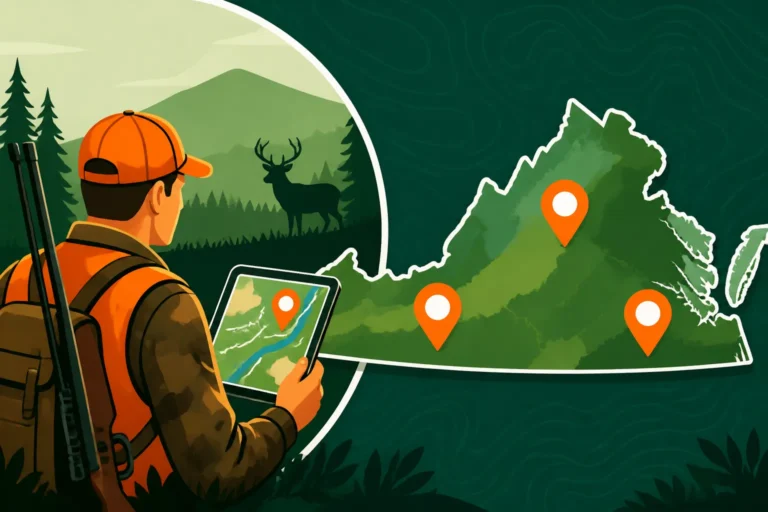
For pinpoint accuracy on property lines, few tools compare to onX Hunt. This app is an absolute game-changer. It layers public and private land ownership information directly onto a satellite map, making it incredibly easy to see exactly where public land begins and ends. You can drop pins, measure distances, and even see topography. Imagine you're eyeing a promising ridge on the edge of the George Washington National Forest, but you're not sure if that bottomland corner is private. A quick check on onX Hunt tells you instantly. This not only keeps you legal but also helps you plan entry and exit routes that stay on public ground, avoiding any awkward encounters with landowners. You can even use it for Scouting Virginia Public Land Before Season right from your couch, identifying potential bedding areas, funnels, and water sources before you ever set foot in the woods.
While onX Hunt excels at pinpointing specific parcels, platforms like GoHunt can provide a broader overview, sometimes offering insights into harvest data or general regulations for specific units, helping you make strategic decisions about where to focus your efforts in the larger Virginia landscape. These tools, combined with the official Virginia Department of Wildlife Resources (DWR) app, become an indispensable scouting toolkit. The DWR app is crucial for checking current regulations, reporting your harvest, and confirming season dates, ensuring you're always up-to-date with Virginia's ever-evolving rules. You can also find valuable resources through the DWR portal when you're Using the Go Outdoors Virginia Map Tool.
Prime Public Hunting Lands Around Harrisonburg
When you're based in Harrisonburg, your immediate surroundings offer a fantastic gateway to some of Virginia's most extensive public hunting opportunities. While the immediate city limits might be dense, a relatively short drive opens up vast expanses of wild land.
George Washington National Forest: Your Closest Large Tract
Without a doubt, the George Washington National Forest (GWNF) is your biggest, closest, and most diverse public land option near Harrisonburg. The eastern edge of the GWNF practically borders the western side of the Shenandoah Valley, making it easily accessible. We're talking hundreds of thousands of acres of rugged, beautiful, and challenging mountain terrain. The sheer scale of it means that even on busy weekends, you can often find solitude if you're willing to put in the effort to walk.
This forest is a haven for white-tailed deer, black bear, and wild turkey. You’ll also find opportunities for small game like squirrels and even ruffed grouse in the higher elevations. The terrain is characterized by steep slopes, dense timber, and deep hollows, which means strong legs and good navigation skills are a must. Hunting here is often about covering ground, understanding Wind and Thermals on a Blue Ridge Slope, and finding those overlooked benches or draws where deer feel safe. Access points are numerous, ranging from small pull-offs on secondary roads to larger designated parking areas. Just remember, these mountains demand respect, and a four-mile walk in might feel like ten miles out, especially with a deer on your back. For specific tactics within this area, checking out resources on Treestand Setups in George Washington National Forest can be a huge advantage.
Nearby Wildlife Management Areas (WMAs)
Beyond the vast National Forest, Virginia's Department of Wildlife Resources (DWR) manages a network of Wildlife Management Areas (WMAs) that provide excellent hunting opportunities. Many of these are within a reasonable driving distance of Harrisonburg and often offer different hunting experiences compared to the deep woods of the National Forest.
While the GWNF is expansive and relatively wild, WMAs are often actively managed for specific game species or habitat types. For example, the Little North Mountain WMA, located a bit south and west of Harrisonburg, offers a mix of mature timber and clear-cuts, providing diverse habitat for deer, bear, and turkey. Goshen WMA, further south in Rockbridge County, is another popular choice, known for its rugged terrain and solid bear and deer populations. These WMAs sometimes have specific rules, like mandatory sign-in or special drawing opportunities for certain seasons, so always double-check the DWR website or app for the most current information. The beauty of WMAs is their dedicated focus on wildlife, meaning habitat improvements like prescribed burns, food plots, or timber stand improvements are often underway to benefit game populations. You might also find some WMAs that cater more to small game or waterfowl, depending on their geographic features. You can explore more about these areas by looking into Virginia Wildlife Management Areas directly.
State Forests and Other Public Lands
While not as numerous or as vast as the National Forests or WMAs, Virginia also has several State Forests that allow hunting, though often with more restrictive access or special permit requirements. These are usually managed for timber production but also provide public recreation. For hunters near Harrisonburg, these might require a slightly longer drive, but they can offer less pressured opportunities, especially on weekdays. Always check the specific State Forest's regulations, as they can differ significantly from DWR or National Forest rules.
Occasionally, you might find smaller parcels of public land, such as state parks with specific quota hunts or even some municipal watershed lands that allow limited access. These are often diamonds in the rough but require diligent research on your part to uncover their rules and availability. The key takeaway is that your public land options aren't just the National Forest; they are diverse, and each type offers a slightly different experience and set of challenges.
Strategies for Success on Public Land Near Harrisonburg
Hunting public land successfully, especially near a populated area like Harrisonburg, requires a more thoughtful approach than simply showing up on opening day. It's about strategy, preparation, and understanding how human pressure impacts game behavior.
Scouting and Entry Routes
The old adage "you can't kill a deer from the couch" is still true, but modern technology has definitely changed how you scout. As mentioned earlier, tools like onX Hunt are invaluable for digital scouting. You can spend hours poring over satellite imagery, identifying potential bedding areas on high ridges, tracing creek bottoms that might serve as travel corridors, and spotting hidden benches or saddles. Look for areas that are difficult to access, far from main roads, or have tricky terrain features that might deter other hunters. The further you're willing to walk, and the more challenging the terrain you're willing to tackle, the better your chances of finding unpressured animals.
Once you’ve identified promising areas on your map, it’s time for boots on the ground. Visit these spots in the off-season, or even during archery season if you're a firearms hunter. Look for fresh sign: rubs, scrapes, tracks, and droppings. Identify multiple entry and exit routes. Think about the wind direction and thermals – especially crucial in mountainous terrain. A route that’s great for getting in might be terrible for exiting if the wind is wrong. Consider how you'll drag a deer out if you're successful. Sometimes, finding a small, unmaintained logging road or an old ATV trail can shave miles off a pack-out, but you need to know it's there beforehand. A resource like Reading Aerial Photos for Piedmont Deer can offer broader lessons that apply to the valley too.
Understanding Hunting Pressure and Timing
Public land near a population center like Harrisonburg will see hunting pressure. It's just a fact. But understanding this pressure allows you to adapt. Deer, bear, and turkey quickly learn to avoid areas with heavy human activity. They might shift their patterns, becoming more nocturnal or retreating to thicker, less accessible cover during peak hunting hours.
To counter this, consider hunting during weekdays if your schedule allows, as this is often when pressure is lightest. Late season can also be productive. Many hunters pack it in after the initial rush of opening week, leaving opportunities for those willing to brave colder weather or less appealing conditions. Adverse weather – a light drizzle, a cold front, or even a light snow – can also send fair-weather hunters home, leaving the woods quieter for you. Remember, game animals still need to eat and move in these conditions, and you might catch them off guard. Think about how deer will move to feed on Late-Season Food Sources for Virginia Whitetails when the pressure subsides and the weather turns.
Another strategy is to identify the "one-mile wall" effect. Most hunters won't venture much further than a mile from their vehicle. If you're willing to push past that, you'll often find significantly less pressured game. This might mean getting up earlier, packing lighter, and committing to a full day in the woods, but the payoff can be substantial.
Essential Gear and Safety Considerations
Hunting in the mountains around Harrisonburg means you need to be prepared. Navigation is paramount. While your phone with onX Hunt is great, a handheld GPS unit or a traditional map and compass are crucial backups, especially in areas with no cell service. Let someone know where you're going and when you expect to return.
Safety is non-negotiable. During firearms season, Virginia law requires a certain amount of blaze orange (or pink) for visibility. This isn't just about avoiding a fine; it's about protecting yourself from other hunters. Wear it, and wear enough of it.
Finally, consider your physical fitness. Those steep slopes and long walks will test your endurance. Invest in good quality boots with ankle support, layered clothing suitable for fluctuating mountain temperatures, and a comfortable pack that can carry all your essentials and, hopefully, some meat out. A reliable headlamp for early morning entries or late exits is also a must. The terrain isn't always forgiving, and being prepared can make the difference between a successful hunt and a miserable, or even dangerous, one.
Planning Your Hunt: Regulations and Resources
Virginia's hunting regulations can be detailed, and they vary depending on the species, the season, and even the specific county or land type you're hunting. It's critical to be informed before you head afield.
Virginia DWR Regulations and Licenses
Before anything else, you absolutely need to understand Virginia Hunting Licenses and What They Cost and ensure you have all the necessary permits. This includes a basic Virginia hunting license, and if you plan to hunt on many WMAs, you'll also need a separate WMA Access Permit. These can usually be purchased online through the DWR's Go Outdoors Virginia platform or from authorized license agents. Always carry proof of your license while hunting, whether it's a physical copy or stored digitally on your phone via the Virginia DWR App.
The DWR website is your single most important resource for regulations. Pay close attention to season dates, bag limits, legal weapons for specific seasons, and any county-specific rules. For example, some counties might have different firearms season dates or antler point restrictions. Don't assume; verify. It’s much better to spend an hour reading the regulations than to risk a fine or, worse, losing your hunting privileges.
CWD Zones and Carcass Movement
The Shenandoah Valley, unfortunately, sits in close proximity to Virginia's Chronic Wasting Disease (CWD) Management Area 1 (DMA1). Harrisonburg itself isn't directly in DMA1, but surrounding counties like Frederick, Shenandoah, and Augusta are either part of it or are directly adjacent. This is a critical factor for hunters in the region.
CWD is a fatal neurological disease affecting deer, elk, and moose, and its presence in Virginia has led to specific regulations designed to monitor and slow its spread. If you harvest a deer in or near a CWD management area, you need to be aware of rules regarding mandatory testing and carcass movement. For instance, there are restrictions on transporting certain parts of a deer carcass out of a DMA to prevent further spread. You might be required to have your deer sampled at a DWR checking station, or provide a sample yourself at designated drop-off locations. Understanding these rules is not just about compliance, it's about being a responsible steward of the wildlife resource. Always check the latest DWR information for DMA1 Shenandoah Valley Rules and for details on Virginia CWD Testing for Hunters to ensure you're following all guidelines. This is a constantly evolving situation, so annual review of the DWR's CWD updates is paramount.
Here's a quick comparison of general public land types around Harrisonburg:
| Feature | George Washington National Forest (GWNF) | Wildlife Management Area (WMA) | Virginia State Forest (Hunting Permitted) |
|---|---|---|---|
| Primary Goal | Multi-use (timber, recreation, wildlife, watershed) | Wildlife habitat management & public hunting/fishing | Timber production & public recreation (including hunting) |
| Terrain | Mostly rugged, mountainous, dense timber, deep hollows | Varies greatly; can be mountainous, rolling hills, wetlands, managed fields | Varies; often forested, may include recent timber cuts or younger growth |
| Common Game | Deer, Bear, Turkey, Grouse, Squirrels, other small game | Deer, Bear, Turkey, Waterfowl (some WMAs), Small Game, Furbearers | Deer, Turkey, Small Game |
| Access Requirements | No special permit for general access; standard VA hunting license | VA hunting license + WMA Access Permit (required for most) | VA hunting license + sometimes a specific State Forest permit |
| Hunting Pressure (avg) | Moderate to high near roads/easy access; low in remote areas | Varies greatly by WMA; can be high on popular units, lower on less accessible ones | Generally lower than WMAs or popular NF spots, but still present on weekends |
| Habitat Management | Natural processes; some timber sales/prescribed burns | Active, intensive management for specific wildlife (food plots, clear-cuts, etc.) | Primarily timber management, benefits certain game species incidentally |
| Typical Regulations | Statewide VA hunting regs apply; special rules for wilderness areas | Specific WMA regulations (e.g., sign-in, restricted weapon types, special hunts) | Specific State Forest regulations, which can differ from DWR or NF rules |
Disclaimer
This article is for general informational purposes only and does not constitute professional advice. Laws, prices and regulations vary by location and change over time. Consult a qualified professional for guidance on your specific situation.