Hog Island Wildlife Management Area
If you've ever found yourself dreaming of a hunt where the salty tang of the air mixes with the crisp scent of marsh grass, and the calls of migrating waterfowl echo across vast wetlands, then you've likely felt the pull of Virginia's Tidewater region. For many, finding truly productive and accessible hunting grounds in this unique coastal environment can be a real challenge, but there's a gem tucked away on the James River that offers an unparalleled experience: Hog Island Wildlife Management Area. This guide will walk you through everything you need to know to plan a successful and memorable trip to this special corner of Virginia, whether you're chasing greenheads or a swamp buck.
A Closer Look at Hog Island Wildlife Management Area
Hog Island WMA isn't your typical Virginia hunting landscape. Forget rolling Piedmont hills or the steep slopes of the Blue Ridge; here, the land is intimately intertwined with water, creating a dynamic and incredibly rich ecosystem that supports an abundance of wildlife, especially migratory birds.
Location and Landscape
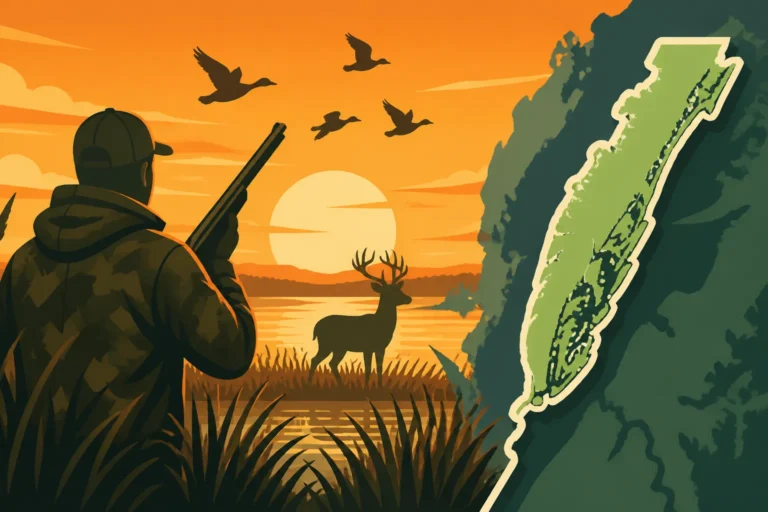
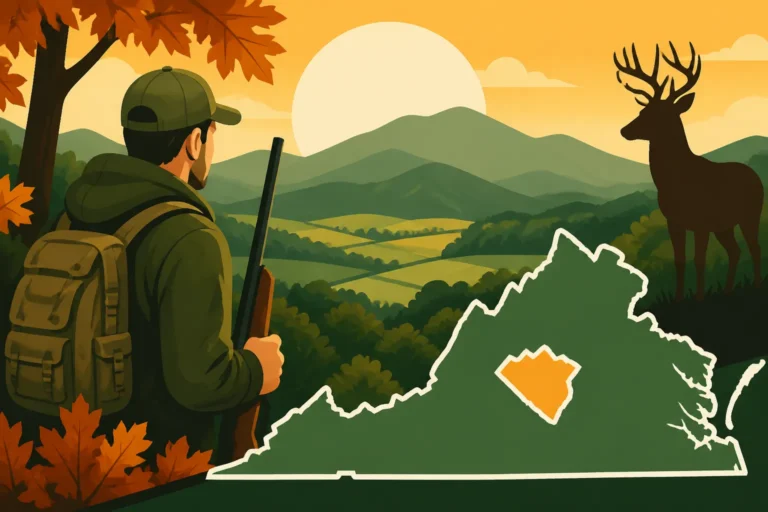
Hog Island WMA is strategically located along the James River, right in Surry County. It's a prime example of a Tidewater wetland system, covering thousands of acres that are a mosaic of managed impoundments, natural tidal marshes, cypress swamps, and even some higher ground dotted with pines and hardwoods. The geographical position places it squarely on the Atlantic Flyway, making it a critical stopover and wintering ground for countless waterfowl species. When you're standing in a blind at Hog Island, you're not just in a field; you're immersed in a living, breathing estuary.
The landscape is largely flat, dominated by vast expanses of Spartina marsh grass that stretch towards the horizon. Interspersed within this are numerous impoundments – areas where water levels can be manipulated by DWR staff to create ideal conditions for ducks and geese. These managed wetlands are a magnet for birds, providing both food and shelter. The occasional cypress and hardwood stands offer higher, drier ground, providing crucial cover and bedding areas for deer, especially during high tides or periods of intense hunting pressure. Understanding this interplay between land and water is key to unlocking the area's potential.
Management and Conservation Efforts
The Virginia Department of Wildlife Resources (DWR) manages Hog Island WMA with a primary focus on waterfowl and coastal habitat conservation. This isn't just a place to hunt; it's a meticulously managed ecosystem designed to support healthy wildlife populations and provide sustainable recreational opportunities. The staff at Hog Island are constantly working, often behind the scenes, to maintain and enhance these critical habitats.
Their management efforts include careful water level control within the impoundments, which involves flooding and draining at specific times to encourage the growth of preferred waterfowl foods like millet and smartweed. They also conduct prescribed burns to manage vegetation, control invasive species, and plant various agricultural crops like corn and soybeans in designated upland fields, creating additional food sources for both waterfowl and deer. These intensive management practices are what make Hog Island such a productive hunting area year after year. It's a testament to dedicated conservation work that an area so unique can thrive while offering such diverse opportunities for hunters and wildlife enthusiasts alike.
Prime Waterfowl Hunting Opportunities
Without a doubt, waterfowl hunting is the star attraction at Hog Island WMA. The sheer volume and diversity of ducks and geese that utilize this area are truly impressive, drawing hunters from all corners of Virginia and beyond.
Key Species and Migration Patterns
Hog Island is a waterfowl paradise, hosting a wide array of species throughout the hunting season. You can expect to encounter dabbling ducks like mallards, black ducks, green-winged teal, blue-winged teal, pintails, and wigeon, all of whom feed in the shallow waters of the impoundments and marshes. Diving ducks, such as canvasbacks, redheads, scaup, and buffleheads, are also present, especially in the deeper waters of the James River adjacent to the WMA. For a deeper dive into hunting these birds, check out Hunting Chesapeake Bay Diving Ducks. Beyond ducks, Canada geese are abundant, and snow geese can occasionally be seen in large flocks, though they are often a challenge to decoy.
The timing of these migrations is crucial for planning your hunt. Early season typically sees more teal and wood ducks, while the peak of the migration for mallards and black ducks often aligns with colder weather, pushing birds south in late November and December. Canada geese can be present throughout the season, with new birds arriving as temperatures drop further north. Understanding these patterns, combined with scouting, gives you the best chance of being in the right place at the right time. DWR biologists closely monitor these populations, and their work ensures that Hog Island remains a vital link in the Atlantic Flyway chain for generations of waterfowl.
Waterfowl Hunting Access and Regulations
Hunting waterfowl at Hog Island WMA is a bit different than simply showing up at a public boat ramp. Due to its popularity and the sensitive nature of the managed wetlands, access is primarily through a quota hunt system. This means hunters must apply for specific hunt dates through the DWR's Go Outdoors Virginia system, typically well in advance of the season. Successfully drawing a permit is your ticket to some of Virginia's best public land waterfowl action.
Hunters who draw a permit are usually assigned to a specific blind or designated hunting area. These might be permanent blinds constructed by DWR, or they could be areas where hunters are expected to use portable blinds, such as layout blinds in fields or marsh boats hidden in the reeds. When considering gear, a good set of waders is non-negotiable, and having a reliable GPS or mapping app like onX Hunt is invaluable for navigating the pre-dawn darkness to your assigned spot. Remember, the rules regarding decoys, shot size, and bag limits are strictly enforced to ensure sustainable hunting, so always review the current regulations before heading out. Hog Island WMA Waterfowl Access will provide more specific details about entry.
Deer Hunting Amidst the Marshes
While waterfowl may steal the spotlight, Hog Island WMA also offers some unique and challenging deer hunting opportunities. It’s not your typical deer woods, and success often comes to those who understand the nuances of hunting whitetails in a coastal marsh environment.
Deer Population and Habitat Use
The deer population at Hog Island is healthy, though perhaps not as dense as some of Virginia's inland Piedmont counties. What makes them unique here is their habitat. They are true "swamp deer," adapted to life in a watery world. During normal conditions, deer will utilize the pockets of higher ground, the edges of cypress swamps, and the transition zones between marsh and managed fields for bedding and feeding. They're masters of concealment, often disappearing into seemingly sparse cover.
However, the real key to understanding deer movement at Hog Island is the tide. High tides can inundate vast portions of their usual habitat, forcing deer onto the limited high ground, often concentrating them in predictable areas. This creates unique opportunities for hunters who can time their hunts with the tides and set up on these natural funnels. Conversely, during low tide, deer can access areas that are typically submerged, opening up new feeding grounds. Learning to Read a Tidal Creek for Deer Movement can be a game-changer here.
Deer Hunting Methods and Tactics
Hunting deer at Hog Island requires a flexible approach and a willingness to adapt to the conditions. Still-hunting the edges of thicker cover and small woodlots is a productive tactic, especially when tides are high. Deer will often skirt these edges, moving between patches of high ground. Setting up a treestand or ground blind on a pinch point created by water or dense vegetation can also be effective. You might find deer movement patterns are more directly tied to tidal charts than to classic rutting behavior, though the rut certainly plays a role when it arrives.
Small, organized deer drives can also be successful, pushing deer out of thickets and swamps towards waiting standers. This requires careful planning and communication, especially given the wet terrain. Scouting is paramount. Look for rubs and scrapes on the higher ground and along the edges of impoundments. Pay attention to tracks in the mud, which can tell you where deer are crossing or feeding. And always, always be prepared for wet feet. Rubber boots or chest waders are essential gear for navigating this watery landscape, as you'll likely be crossing ditches and soft, muddy areas. Hunting Tidewater Swamp Edges offers excellent advice that directly applies to this environment.
Other Game and Recreational Pursuits
While waterfowl and deer are the primary draws, Hog Island WMA offers more than just big game and bird hunting. Its diverse habitats also support various small game species and provide fantastic opportunities for non-consumptive wildlife recreation.
Small Game and Furbearer Potential
For those interested in small game, Hog Island can offer some scattered opportunities. Rabbit hunting can be productive along the edges of fields and dense brushy areas on higher ground. Squirrels, particularly gray squirrels, can be found in the more wooded sections, especially in stands of mature hardwoods or pines. However, these opportunities are generally secondary to the waterfowl experience, and small game hunters should not expect the same density as in prime inland habitats.
Furbearer trapping is also permitted in accordance with statewide regulations, offering a chance to pursue species like muskrats, raccoons, and even otter in the marshy environment. Trapping requires specific permits and knowledge of local regulations, which can be found through the DWR. It’s another way to engage with the unique ecosystem of Hog Island, though it’s a more specialized pursuit than traditional hunting.
Beyond Hunting: Birding and Wildlife Viewing
Hog Island WMA is a magnet for birdwatchers and wildlife photographers, particularly during the migratory seasons. The sheer number of waterfowl, wading birds, and raptors makes it an exceptional destination for avian enthusiasts. You can spot everything from majestic bald eagles soaring overhead to various shorebirds probing the mudflats. The managed impoundments create ideal viewing conditions, and designated observation areas often provide excellent vantage points.
Beyond birds, you might also catch glimpses of other wildlife, including river otters, muskrats, and even the occasional bobcat. The tranquility and wildness of the area offer a perfect escape for anyone looking to connect with nature. Remember to bring a good pair of binoculars – perhaps a 10×42 pair for comprehensive viewing – and a camera, as there's always something fascinating to observe, even outside of hunting season. These non-hunting activities highlight the broader conservation value of WMAs like Hog Island, demonstrating their importance for both recreational and ecological purposes.
Essential Preparations and Regulations for Your Visit
A successful and enjoyable trip to Hog Island WMA starts long before you ever step foot on the property. Being well-prepared and thoroughly understanding the rules are critical for maximizing your experience and ensuring you comply with all DWR regulations.
Required Licenses and Permits
First and foremost, you'll need the appropriate Virginia hunting licenses. For waterfowl, this typically means a Resident or Nonresident Hunting License, a Virginia Migratory Waterfowl Conservation Stamp, and a Federal Duck Stamp. Don't forget your HIP (Harvest Information Program) certification if you're hunting migratory birds. For deer, you'll need the basic hunting license along with a Big Game Harvest License. Crucially, Hog Island WMA often requires a specific Virginia WMA Access Permit Sign-In Process which must be obtained in advance, usually through the Go Outdoors Virginia website. These permits are often part of a quota hunt draw system, especially for waterfowl, so checking application deadlines months ahead of time is essential.
It's absolutely vital to confirm all current regulations directly with the DWR before your trip, as dates, bag limits, and specific WMA rules can change annually. The DWR website is your best friend for this, and they often have specific fact sheets for each WMA. Having your licenses and permits readily accessible, whether printed or on the DWR app, is also a must for when a conservation police officer checks your credentials. For a full breakdown of costs, refer to Virginia Hunting Licenses and What They Cost.
Navigating the Terrain and Safety Considerations
Navigating Hog Island WMA's unique terrain requires careful planning. Much of the area is marshy, subject to tidal influence, and can be challenging to traverse, especially in the dark before dawn. Chest waders are highly recommended, even if you plan to stay in a blind, as retrieving game or simply reaching your assigned spot might involve crossing muddy, shallow water. Knowing the tide charts for the James River is invaluable, as rising or falling water can significantly impact access and deer movement.
Safety should always be your top priority. Given the water-dominant landscape, cold weather and water can pose hypothermia risks. Always hunt with a buddy if possible, and let someone know your plans and expected return time. Carrying a reliable GPS unit or using a mapping app like onX Hunt is non-negotiable. Cell service can be spotty in remote areas, so make sure your maps are downloaded for offline use. Scouting Virginia Public Land Before Season with these tools can give you a crucial edge. Be mindful of boat traffic if you're accessing areas by water, and always adhere to blaze orange requirements when applicable for big game seasons, or if you're not in a blind for waterfowl. The dense cover and water mean that sound travels differently, so be extra cautious of other hunters, especially during opening days.
Remember to pack essentials like a first-aid kit, a powerful headlamp with extra batteries, bug spray (especially in warmer months), and plenty of water and snacks. The remote nature of Hog Island means you're often a long way from immediate assistance.
| Species | Primary Hunting Method | Typical Season Timing | Key Challenges |
|---|---|---|---|
| Ducks & Geese | Stationary/Layout Blinds | Oct – Jan (peak Nov-Dec) | Quota Draw, Tide Dependence, Cold |
| White-tailed Deer | Stand Hunting, Still-Hunting | Sept – Jan (peak Nov) | Marshy Terrain, Tide Influence, Cover |
| Rabbits | Still-Hunting, Beagles | Nov – Feb | Limited High Ground, Sparse Cover |
| Squirrels | Still-Hunting, Bushytails | Sept – Feb | Scattered Woodlots, Limited Density |
Disclaimer
This article is for general informational purposes only and does not constitute professional advice. Laws, prices and regulations vary by location and change over time. Consult a qualified professional for guidance on your specific situation.