Virginia Urban Archery Zone Boundaries
Virginia urban archery zone boundaries and regulations, set by the Department of Wildlife Resources, help hunters manage local deer overpopulation.
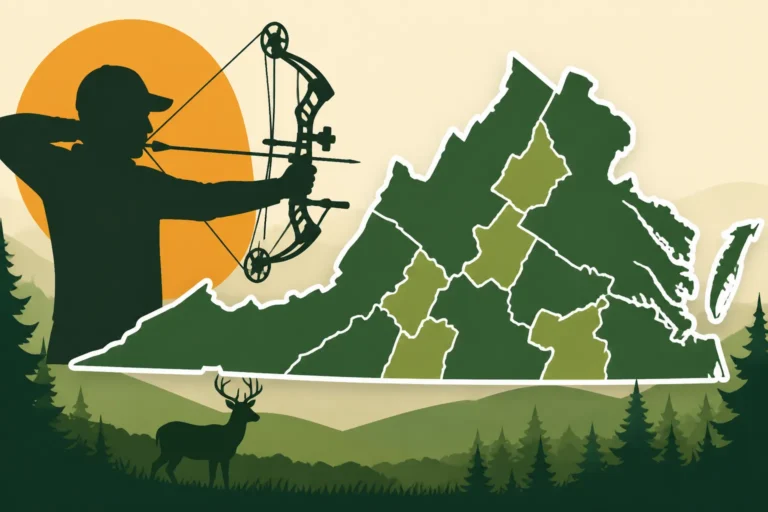
Virginia urban archery zone boundaries and regulations, set by the Department of Wildlife Resources, help hunters manage local deer overpopulation.

Hunting access near Lynchburg includes public Virginia Wildlife Management Areas and rugged Jefferson National Forest terrain options.

Charlottesville hunting land access strategies help hunters locate public and private properties near Albemarle despite regional development.
Reliable hunting access near Roanoke involves utilizing public Jefferson National Forest lands and securing private property permission.
Hunting near Virginia Beach requires navigating urban sprawl, coastal marshes, and agricultural lands in the Tidewater region.

Hunting access near Richmond presents challenges like high population density, but public lands and private parcels offer opportunities.
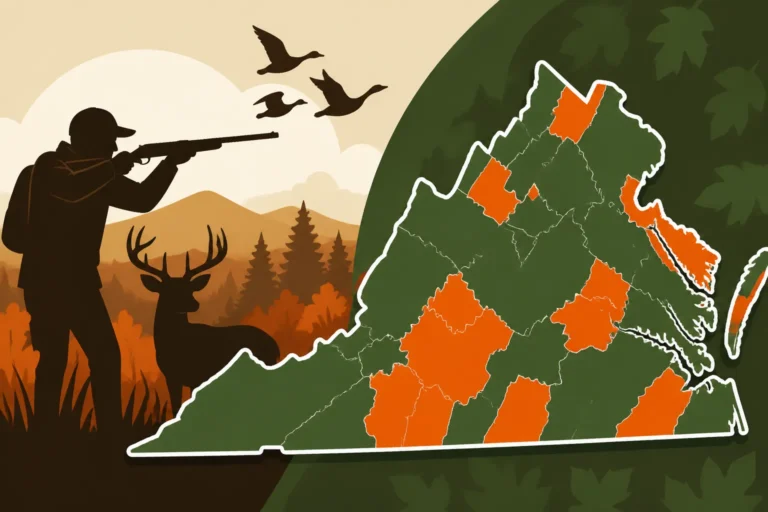
Virginia hunting area closures happen for wildlife management, habitat protection, and public safety during the hunting season.

Virginia deer camps and hunting clubs provide private land access, shared traditions, and managed opportunities for hunters.

Virginia hunting lease costs depend on regional location, private land demand, exclusivity benefits, and habitat management factors.
Virginia trespass and permission law explains property boundaries, posted signs, express permission rules, and misdemeanor penalties.