Hunting a Clear-Cut Regrowth Edge
Virginia clear-cut regrowth edges five to fifteen years post-cut provide deer with nutritious food and dense security cover.

Virginia clear-cut regrowth edges five to fifteen years post-cut provide deer with nutritious food and dense security cover.
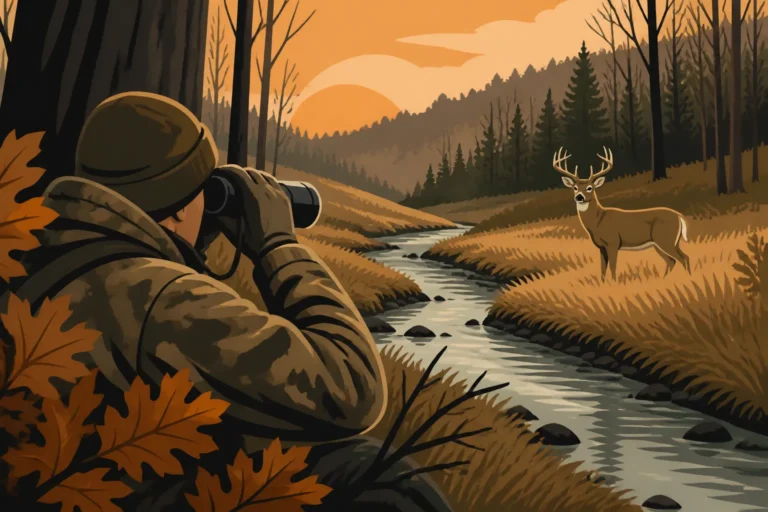
Virginia creek bottoms provide late season deer with thermal cover, water, and food sources when upland areas are barren.
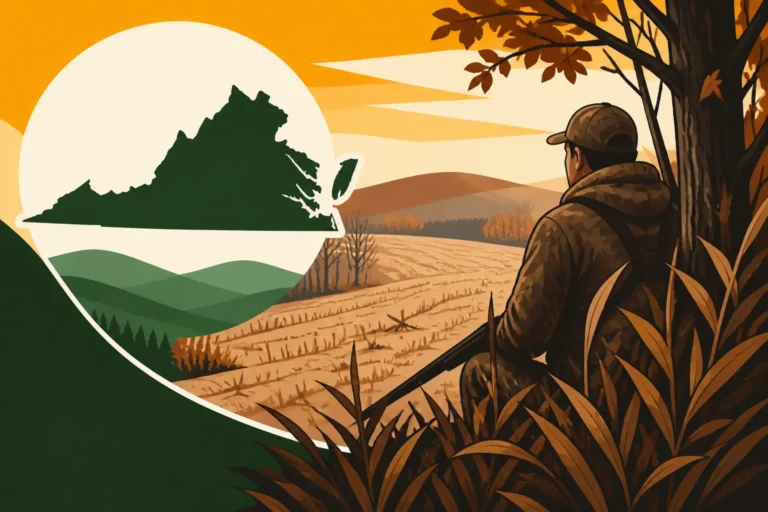
Standing cover left after harvest provides Virginia deer with critical food and security for late season hunting success.
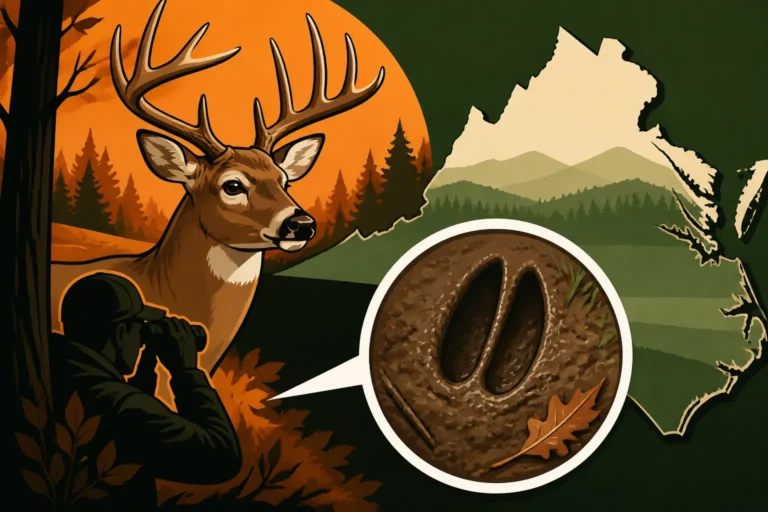
Virginia mud tracks reveal fresh deer movement, helping hunters locate elusive whitetails across diverse state landscapes.

Ridge-top saddles serve as natural travel corridors for rutting bucks in Virginia, helping hunters find mature deer in the Blue Ridge.

Virginia bowfishing regulations, legal species like carp and snakeheads, license requirements, and equipment rules for off-season anglers.

Virginia crow hunting over winter feed sites explains how to locate roosts, identify agricultural food sources, and set up properly.
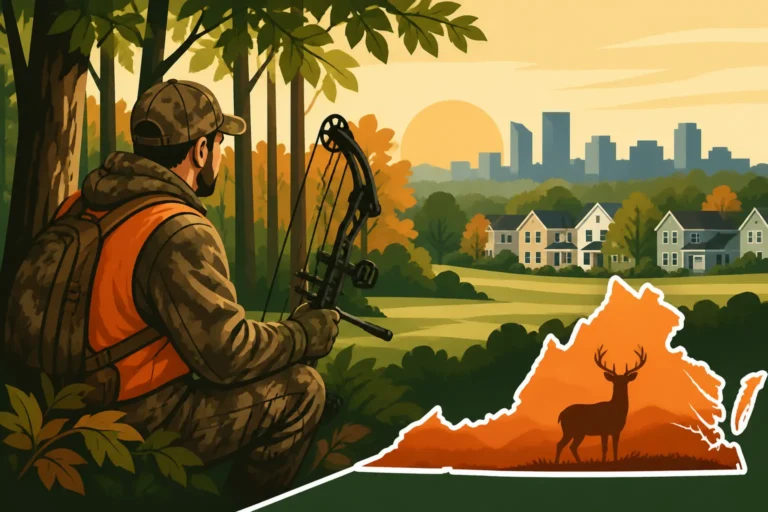
Suburban Richmond small woodlots provide unique deer hunting opportunities by utilizing micro-habitat analysis and aerial maps.
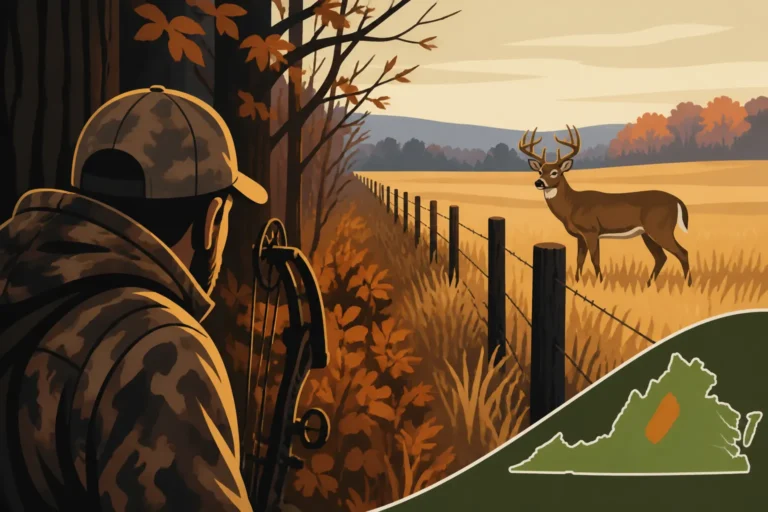
Late-season fencerows in Virginia provide deer with crucial cover, food sources, and safe travel corridors during winter.

Decoy placement strategies for farm ponds help hunters draw in wary Virginia ducks by matching wind and species behavior.