Sitting a Field Edge in Late Season
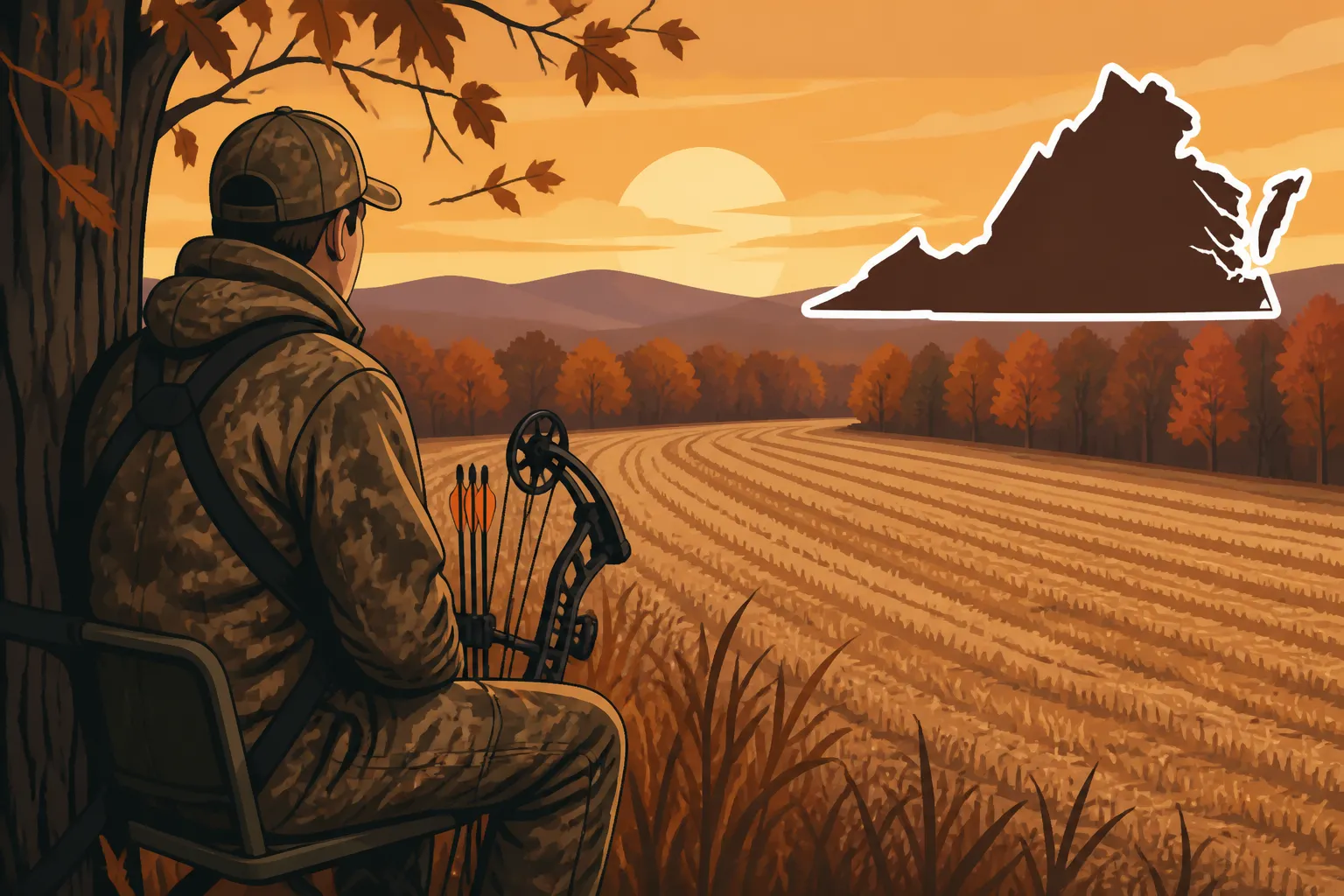
Late season in Virginia can feel like a totally different ballgame compared to the crisp, bustling days of early archery or the chaos of the rut. The leaves are down, the temperatures are plummeting, and those once-predictable deer seem to have vanished, or at least become incredibly wary. Sitting a field edge during these frigid weeks presents unique challenges, but it can also be one of the most rewarding ways to fill a tag. This guide will walk you through how to successfully position yourself on a field edge when the mercury drops, from understanding deer behavior to optimizing your setup.
Understanding Late-Season Deer Movement Near Fields
By the time late season rolls around in Virginia, deer are operating on a very simple, yet powerful, instinct: survival. The rut is largely over, and the frantic chasing of does has given way to an urgent need to replenish energy reserves and find sufficient food to weather the winter. This shift dramatically influences where you'll find them, and how they approach a seemingly open area like a field.
Deer are exhausted from the breeding season, often having lost a significant amount of body weight. Their primary focus now is efficient feeding and conserving energy. They're also under immense pressure. Most hunters have been in the woods for months, pushing deer, making them more nocturnal and wary of open spaces during daylight hours. This means that while a field might hold the key to their survival, they're not going to stroll out into it carelessly. You need to think about when they'll move, and how they'll get there. For many Virginia hunters, understanding these patterns is key to Hunting Into the January Second Close.
The Critical Role of Food Sources
In late season, food becomes the absolute biggest draw. While acorns might have been king in early fall, by now, most of them have been eaten, rotted, or buried under snow. Deer will gravitate towards the most palatable and energy-rich food sources available. This often means agricultural fields.
Think about what's left in the fields. Cut corn fields still offer dropped kernels, and the stalks provide a bit of cover. Standing soybeans, if not harvested, are a magnet. Winter wheat, rye, and clover plots, particularly those planted for deer, become incredibly attractive as they offer green browse when everything else is dormant. Even hayfields, especially if they have a mix of clover or alfalfa, can draw deer. Consider scouting for Late-Season Food Sources for Virginia Whitetails to know exactly what's on the menu in your hunting area. A quick check of a tool like GoHunt can reveal local agricultural data or property maps that highlight different field types, giving you a serious leg up.
Daily Patterns and Cover Needs
Late-season deer, particularly mature bucks, will stick close to heavy cover. They'll bed in thick pine plantations, dense regenerating clear-cuts, or river bottom tangles, only venturing out into fields during the absolute safest times. This usually means the last hour or two of daylight, and often extending well into the night. On exceptionally cold or cloudy days, they might move earlier, but generally, expect a late-afternoon show.
Their approach to a field edge will be methodical. They won't just burst out into the open. Instead, they'll often skirt the very edge of the timber, using every bit of available cover — fencerows, ditches, brush lines, or even a subtle dip in the terrain — to maintain concealment as long as possible. Sometimes, you'll see them browsing along a treeline, taking a long time to commit to the open field. This is where patience truly becomes a virtue.
Scouting and Selecting the Right Field Edge
Just because a field exists doesn't mean it's a good spot to hunt. Effective late-season field edge hunting demands thorough scouting and a careful assessment of deer sign, wind, and access. You're not just looking for a field; you're looking for the field, and the specific spot on its edge where deer feel comfortable entering.
Start by Reading Aerial Photos for Piedmont Deer or any region you're hunting. Look for fields adjacent to large blocks of timber or dense cover. Identify pinch points, funnels, and natural travel corridors that lead into or along the field. These are the highways deer will use. A good mapping app like GoHunt can overlay satellite imagery with property boundaries, showing you potential bedding areas and easy access points to private lands, which are often less pressured.
Interpreting Deer Sign and Entry/Exit Points
Once you've identified promising fields on a map, it's time to hit the ground. Don't just walk the edge of the field in broad daylight; this will spook any deer nearby. Instead, use binoculars to glass from a distance, or wait for an overcast day with a strong wind, which can help mask your presence.
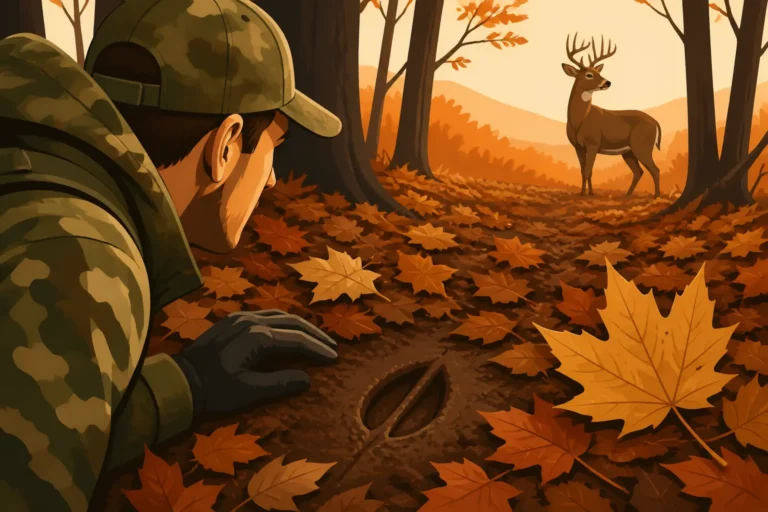
Look for fresh tracks in the mud or snow along the field edges. Pay close attention to trails leading from dense cover directly towards the field, and even more importantly, trails that run parallel to the field edge inside the treeline. These are often staging areas where deer wait before committing to the open. Look for browsing on saplings or low branches, and fresh droppings. If you find scrapes, especially in late season, it might indicate a straggler buck, but don't count on rut activity. Focus on feeding sign. Understanding specific entry routes, like Entry Routes Through Standing Soybeans, can make all the difference.
Wind and Thermal Considerations
This is absolutely crucial. Deer will almost always approach a field with the wind in their favor, trying to scent check the open area before entering. You absolutely must set up so that your scent isn't blowing directly into where you expect deer to come from or into their bedding area.
In late season, with cold air, thermals play a significant role. As the sun begins to set, the air cools and often flows downhill. If you're on a ridge overlooking a field, your scent will likely fall into the field as evening approaches. Conversely, in the morning, thermals rise. Always check the forecast and have a plan for how the wind and thermals will shift throughout your sit. This means having multiple stand or blind locations for different wind directions, or being ready to change your game plan on the fly. Don't underestimate the importance of Wind and Thermals on a Blue Ridge Slope, even if you're not specifically in the mountains.
Optimizing Your Setup for a Late-Season Field Sit
You’ve scouted, you’ve picked your spot, and you know the wind. Now it's time to think about your actual setup. Late season often means long, cold sits, so comfort and concealment are paramount. A poor setup will not only make you miserable but will also alert those hyper-vigilant deer.
Choosing Your Blind or Stand Location
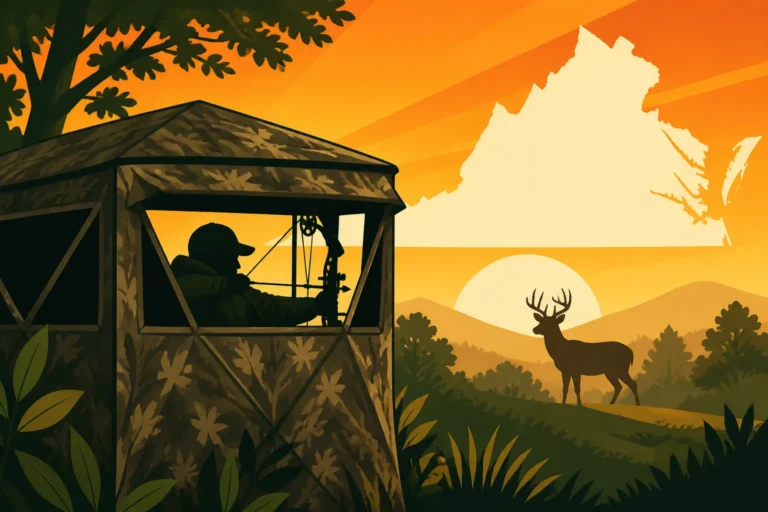
Whether you prefer a treestand, a saddle, or a ground blind, your placement is key. For field edges, ground blinds offer fantastic concealment, especially if brushed in properly. They shield you from the wind and help contain your scent. If you're using a ground blind, aim to set it up well in advance of your hunt, giving deer time to get used to its presence. For public lands, rules often apply to ground blinds, so ensure you check the regulations. Using a Ground Blind on Virginia Public Land can give you more specific advice on legal placement and brushing techniques.
If using a treestand, place it far enough back from the field edge that you're in the shadows of the timber, but still have a clear shooting lane. Look for trees that offer natural breaks in your silhouette. Avoid placing it directly on a trail leading to the field; instead, position yourself slightly off to the side, anticipating where the deer will likely cross. Try to set up at least 20 yards from where you expect the deer to enter the field to allow for natural movement.
Essential Gear for Cold Weather
Late season is no time to skimp on warm clothing. You'll be sitting for extended periods, and the cold can seep into your bones, making you fidgety and ruining your hunt. Layering is your best friend. Start with a good moisture-wicking base layer, add insulating mid-layers like fleece or down, and top it off with a windproof and waterproof outer shell. Wool is an excellent choice for warmth, even when wet.
Don't forget your extremities. A good hat that covers your ears, warm gloves or mittens (maybe even a hand muff with warmers), and insulated, waterproof boots are non-negotiable. Chemical hand and foot warmers are also a lifesaver. Pack a thermos with a hot drink, like coffee or hot chocolate, to help keep your core temperature up. If you're out in the mountains, even on a field edge, a Cold-Weather Sitting Strategy in the Mountains can be adapted to any late-season hunt.
Here's a quick reference table for late-season gear for Virginia field edge sits:
| Category | Item | Key Features |
|---|---|---|
| Base Layers | Merino Wool or Synthetic Long Underwear | Moisture-wicking, retains warmth, odor control |
| Mid Layers | Fleece, Down Vest/Jacket | Insulation, lightweight, packable |
| Outer Layers | Windproof/Waterproof Jacket & Pants | Protection from elements, quiet fabric |
| Headwear | Insulated Beanie or Balaclava | Covers ears, protects face |
| Hands | Insulated Mittens or Gloves | Dexterity (gloves), warmth (mittens), hand warmers pocket |
| Feet | Insulated Waterproof Boots | Keeps feet dry and warm, good traction |
| Essentials | Hand/Foot Warmers | Sustained heat for extremities |
| Thermos with Hot Beverage | Core warmth, morale booster | |
| Quality Binoculars (8x or 10x) | Low-light performance, scouting fields from stand | |
| Rangefinder | Accurate shot distance in varying light | |
| Wind Indicator | Crucial for monitoring shifting winds | |
| Concealment | Scent Control Spray/Wafers | Minimizes human odor |
| Camouflage (appropriate for season) | Blends with dormant vegetation |
Executing the Hunt: Patience and Persistence
Once you’re in your stand or blind, the real test of late-season hunting begins: patience. Deer are masters of waiting, and you need to be too. They might not show up until the last sliver of legal shooting light, so be prepared for a long haul.
Quiet Entry and Exit
Your entry and exit routes are just as important as your stand location. Always plan a route that minimizes disturbance, especially walking through the field itself. If you must cross a field, do it well before daylight or after dark, and ideally along a low spot or fencerow. Avoid walking directly through known bedding areas. GoHunt's mapping features can help you plan quiet routes, steering clear of sensitive areas.
For evening hunts, you absolutely do not want to blow deer out of the field when you leave. This will educate them quickly and make them even more nocturnal. Wait until well after dark, or consider having a friend pick you up with a vehicle to make noise and clear the area, allowing you to slip out undetected. This is especially true after you've observed some deer, as they'll likely be returning to feed shortly after you leave.
Reading Deer and Adjusting Tactics
Once you're settled, stay vigilant. Scan the field edges, looking for ears, legs, or faint movement in the shadows. Use your binoculars regularly to pick apart potential bedding areas or thickets where deer might be staging. Often, the first deer to appear will be does and fawns, testing the waters. Bucks, especially mature ones, will usually hang back, observing the does before committing.
If deer are skirting the edge of the field but not committing, a subtle grunt call or a quiet rattling sequence might pique a buck's curiosity, particularly if you're targeting Hunting the Rut East of the Blue Ridge or Hunting the Rut West of the Blue Ridge in a late-season secondary rut. However, over-calling can spook wary deer, so use caution. Remember, late-season deer are more sensitive to pressure, so sometimes less is more. For a good read on how much noise to make, check out Rattling Volume in Thick Mountain Cover.
Ultimately, success in late-season field edge hunting often comes down to dedication. The days are shorter, the weather is harsher, and the deer are smarter. But for those willing to put in the time and brave the elements, a Virginia field edge can offer a truly memorable and rewarding late-season experience.
Disclaimer
Hunting is an inherently dangerous activity. Always prioritize safety, understand and follow all Virginia Department of Wildlife Resources (DWR) regulations, and obtain proper licensing. The information provided in this guide is for informational purposes only and should not be considered a substitute for professional instruction or official DWR guidelines. Be aware of your surroundings, know your target and what is beyond it, and hunt ethically and responsibly.