Trapping Virginia Muskrat and Beaver
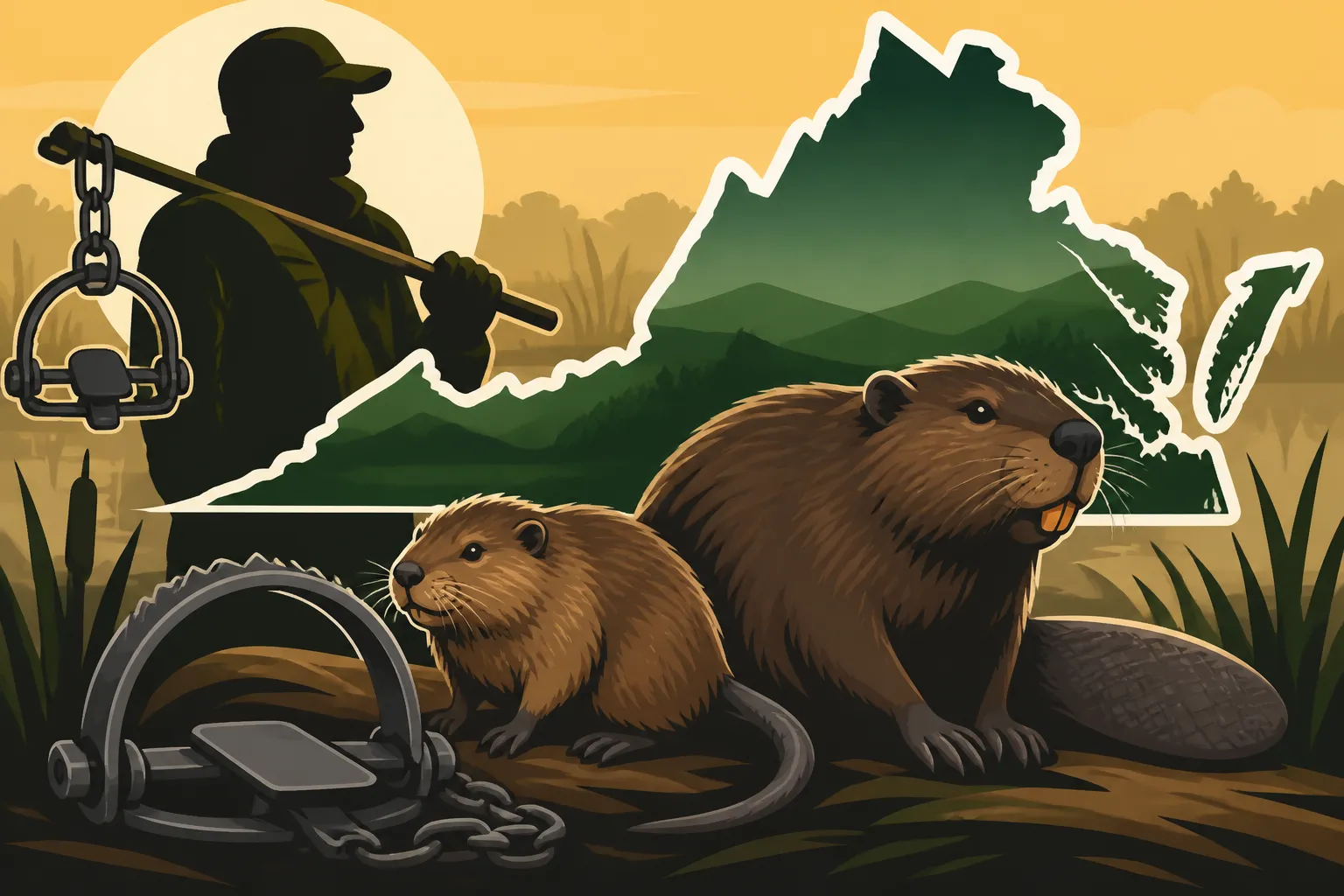
For many Virginia landowners, the sight of a clear, bubbling stream or a healthy wetland is a point of pride. But when that stream starts to back up, or that wetland expands into valuable timber, it often signals the unwelcome presence of muskrats and beavers. These industrious furbearers can cause significant property damage, from flooded fields to undermined stream banks, leaving property owners feeling frustrated and financially impacted. This guide aims to demystify the art and science of trapping these aquatic nuisances in Virginia, offering practical, detailed advice for safe and effective furbearer management.
Navigating Virginia's Furbearer Regulations and Seasons
Before you even think about setting a trap, it's absolutely crucial to understand the legal landscape. Virginia has specific rules and seasons for furbearer trapping, and ignorance of these laws is no excuse for violations. These regulations are designed to ensure ethical treatment of animals, maintain healthy populations, and prevent conflicts, so taking the time to learn them is not just about staying out of trouble, it's about being a responsible outdoorsperson.
Licensing and Permit Requirements for Trapping
To lawfully trap muskrats and beavers in Virginia, you'll need the proper licenses. For residents, this typically means a valid Virginia hunting license combined with a Virginia Trapping License, which is a separate permit. Non-residents will also need their respective hunting license and a non-resident trapping license. It's not just a matter of having the paper; you need to understand the specifics of each license and ensure it's valid for the entire duration of your trapping activities. Always check the current Virginia Department of Wildlife Resources (DWR) regulations or their website, as requirements can change year to year. You can often purchase these licenses online through the DWR's Go Outdoors Virginia platform, which is generally the easiest way.
Beyond the basic licenses, there might be additional permits or considerations depending on where you're trapping. For instance, if you're on public lands, there could be specific access permits or rules that vary by wildlife management area (WMA) or national forest. Even on private land, while you don't typically need a separate permit beyond landowner permission, understanding local ordinances is always wise. It's a maze, sometimes, but navigating it successfully means a stress-free experience. If you’re ever in doubt, a quick call to a local DWR conservation police officer can clear things up before you make a costly mistake. For a deeper dive into the necessary paperwork, check out Virginia Trapping License Requirements.
Open Seasons and Bag Limits for Furbearers
Virginia's trapping seasons are generally structured to align with prime fur conditions and biological cycles, ensuring sustainable harvest. For muskrats and beavers, the trapping season typically runs through the colder months, when their pelts are at their thickest and most valuable. While specific dates can shift slightly each year, you can usually expect the season to begin in November and run well into March. Unlike deer or turkey, there usually aren't daily or seasonal bag limits on muskrats and beavers, which reflects their abundance and the DWR's management goals for these species. However, it's vital to confirm these dates and any changes with the most current DWR regulations before setting your first trap.
Understanding the specific dates for trapping is critical. Setting traps outside the designated season, even accidentally, can lead to serious fines and penalties. This is where using tools like the DWR website or even checking a reliable mapping app like GoHunt, which often integrates regulation overlays, can be incredibly helpful for staying compliant. Always double-check your calendar and the official DWR guide. Remember, these regulations are in place for a reason – to protect wildlife populations and ensure fair chase. You don't want to find yourself facing Virginia Wildlife Violation Penalties just because you misread a date.
Legal Trapping Methods and Equipment
Virginia's regulations are quite specific about the types of traps you can use and how you can deploy them. For muskrats and beavers, water sets are common, and typically include body-gripping traps (like Conibears), foothold traps, and sometimes live traps. However, there are strict size limitations for body-gripping traps on land (which largely means they are restricted to water sets for these species) and requirements for how foothold traps must be set (e.g., fully submerged or with certain jaw spreads). It's not just about the trap itself, but also how it's anchored and presented.
When considering equipment, quality matters. A cheap trap that fails to hold an animal or breaks down quickly isn't just inefficient; it can be inhumane. Brands like Duke Traps and Victor have long been staples for trappers due to their reliability. For muskrats, #1.5 coil spring or long spring traps are popular, as are 110 or 120 size body-gripping traps. For beavers, you'll often move up to larger #3 or #4 coil springs, or 220, 280, or 330 size body-gripping traps. Each type has its pros and cons, and understanding which trap is best for a given scenario comes with experience. Familiarize yourself with these specifications, as using an illegal trap or setting it improperly can lead to serious legal ramifications.
Scouting and Setting Up for Muskrats
Muskrats are fascinating, smaller furbearers that can quickly multiply and cause noticeable damage to pond dams, stream banks, and agricultural ditches. They're often overlooked by those focused on larger game, but learning to identify their subtle signs and set effective traps for them can be incredibly rewarding, both for population control and for the trapper's skill set.
Identifying Muskrat Habitat and Sign
Muskrats are semi-aquatic rodents, and their presence is almost always tied to water. You'll find them in slow-moving streams, ponds, marshes, and even ditches with sufficient water depth. Look for distinct conical lodges built from vegetation in shallow water, or burrow entrances along banks, often just below the waterline. These burrows can be a real headache for landowners, as they can undermine dams and cause slumping banks. Another tell-tale sign is "feed beds" – small piles of aquatic vegetation, often with clam shells or other food debris, where muskrats sit and eat. Their droppings, small and dark, can also be found on logs or rocks near the water.
When you're out scouting, pay close attention to the mud along the water's edge. You'll often see their distinctive tracks: five toes on the hind feet and four on the front, with a tail drag mark in between, though this isn't always present. Much like Reading Virginia Mud for Fresh Deer Movement, observing these subtle signs tells you a story about the animal's habits. Areas with abundant cattails, water lilies, and other aquatic plants are prime muskrat territory because they provide both food and building materials. Look for trails leading from the water into these vegetation patches.
Effective Trap Placement for Muskrats
Once you've identified active muskrat areas, strategic trap placement is key. The most effective sets capitalize on a muskrat's natural travel patterns. Run-through sets are highly successful: place a body-gripping trap (like a 110 or 120 Conibear) directly in a muskrat run or trail, often where they enter or exit the water. These runs are typically narrow channels through vegetation or along the bank, and muskrats will swim right through them. Make sure the trap is fully submerged to ensure a quick, humane dispatch and to avoid catching non-target species.
Another reliable method is a dive set. Muskrats often dive under obstacles like logs or small dams. By placing a submerged body-gripping trap at the pinch point where they naturally dive, you can intercept them effectively. For footholds, set them on feed beds, at burrow entrances, or on small, stable ledges where muskrats climb out of the water. Ensure these foothold sets are also submerged or positioned in a way that the animal immediately enters deep water upon being caught, which again ensures a quick, humane dispatch. Remember, when using footholds, you're looking for natural pinch points or travel lanes.
Best Baits and Lures for Muskrats
While muskrats can often be caught without bait using strategic run sets, certain attractants can certainly increase your success, especially if you're trying to pull them to a specific trap location. Their diet consists primarily of aquatic vegetation, so natural baits like apples, carrots, parsnips, and even corn on the cob can be very effective. A small piece of apple impaled on a stick above a submerged foothold or behind a body-grip can be irresistible.
For lures, many commercial muskrat lures are available that mimic natural muskrat castor or their food sources. These often have sweet, musky, or anise-like scents. A dab of lure on a stick above your trap or at the entrance of a burrow can draw curious muskrats in. However, always remember that placement trumps lure. A perfectly scented trap in the wrong spot won't catch anything, but a well-placed trap, even without a strong attractant, often yields results. Learning the nuances of these baits and lures comes with experience, but starting with fresh vegetables is a great, economical way to begin.
Strategies for Trapping Virginia Beavers
Beavers, being significantly larger than muskrats, require a different approach, both in terms of equipment and strategy. Their ability to drastically alter landscapes with their dam-building and tree-felling habits makes them both a marvel of nature and, for many landowners, a significant headache requiring active management. Dealing with beavers is a true test of a trapper's ingenuity and patience.
Locating Beaver Colonies and Identifying Activity
The most obvious sign of beaver activity is, of course, a dam. These impressive structures slow down water flow and create ponds that serve as their habitat. Look for fresh tree cuttings, characterized by the distinct conical chewing marks left by their powerful incisors. These cuttings will often be near the water's edge, leading into the water or toward a lodge. Lodges are large piles of sticks and mud, often in the middle of a pond or along a bank, providing shelter. You'll also see well-worn "slides" or trails where beavers enter and exit the water, often slick with mud.
Beyond dams and lodges, look for beaver scent mounds – small piles of mud and debris where beavers deposit castor, a musky secretion used to mark their territory. These are often found near slides, dam edges, or prominent points along the bank. Active colonies will have fresh cuttings, recently repaired dams, and clear, active slides. In areas with high beaver populations, such as many of Virginia's river bottoms and larger creeks, knowing how to identify these signs quickly is crucial for efficient trapping. Using tools like GoHunt or other mapping apps to identify potential waterways and then scouting on foot can help you pinpoint these areas.
Choosing the Right Traps and Sets for Beavers
For beavers, you'll generally be using larger, more powerful traps than for muskrats. Body-gripping traps in sizes 220, 280, or 330 are extremely effective, as they are designed to dispatch an animal quickly. Foothold traps, typically #3 or #4 coil springs or long springs, are also common, particularly the laminated jaw types that reduce injury. The key with any beaver trap is to ensure it is heavy-duty enough to hold a large, powerful animal and that it's set in a way that ensures a humane catch.
Effective beaver sets include dam breaks, channel sets, and castor mound sets. A dam break set involves creating a small breach in an active beaver dam, then placing a body-gripping trap (e.g., a 330 Conibear) in the gap. The beavers will instinctively come to repair the dam, swimming directly into the trap. Channel sets involve placing submerged body-gripping traps in narrow channels, ditches, or culverts that beavers frequently use. For castor mound sets, you build a small mud mound near an active beaver slide or bank, apply castor lure, and place a foothold trap (often a #3 or #4) in a submerged position directly in front of the mound. Be sure to check state regulations on trap size and placement, as they vary. For example, some states have specific rules about setting body-gripping traps on dry land, making water sets paramount for beaver.
Dealing with Difficult Beaver Scenarios
Beavers can be surprisingly wily, and sometimes, a straightforward set just won't cut it. One common difficult scenario is "bank beavers," which don't build large lodges but instead burrow into riverbanks, making them harder to pinpoint. In these cases, look for subtle burrow entrances underwater, often marked by fresh mud or cuttings nearby. Setting a body-grip trap directly in front of these underwater entrances can be effective. Another challenge is dealing with large, established dams that are constantly being repaired. Instead of trying to breach the main dam, focus on secondary channels or overflow spillways where beavers might travel more predictably.
Sometimes, beavers become "trap shy" after a bad experience or if they've seen traps set and avoided them. In these instances, try changing up your trap type, lure, or location entirely. Going with a less visible set, like a deep-water wire snare in a channel (if legal in Virginia), might be necessary. It also helps to ensure your traps are clean and free of human scent. Wearing gloves and using natural materials to camouflage your sets can make a big difference. Patience is absolutely crucial. Sometimes you just have to out-think them, and that takes time and observation. For ideas on where to find such water sources, consider areas mentioned in Hunting a Creek Bottom for Late-Season Deer, as these often hold beavers too.
Responsible Trapping Practices and Fur Handling
Trapping is a skill that comes with significant responsibility. Beyond the legal requirements, there's an ethical obligation to ensure that trapping is done humanely, efficiently, and with respect for the animals and the environment. This also extends to what happens after the catch, from processing the animal to making sure its fur is handled properly.
Ethical Considerations and Non-Target Catches
A responsible trapper always prioritizes humane dispatch. This means using traps that are designed to kill quickly and cleanly, or, in the case of live traps, checking them frequently to minimize stress to the animal. Traps must be checked regularly, typically every 24 hours, to prevent prolonged suffering and to maximize fur quality. Non-target catches are an unfortunate reality of trapping, but you can minimize them. For instance, setting body-gripping traps fully submerged for muskrats and beavers greatly reduces the chance of catching an upland animal like a raccoon or opossum.
If you do catch a non-target animal, the ethical response is to release it unharmed if possible. Carry tools like a sturdy stick or a specialized trap release tool to safely free animals. If a non-target animal is injured beyond recovery, the trapper has an ethical obligation to humanely dispatch it. These situations highlight the importance of knowing your target species, understanding their behavior, and placing traps carefully. Being knowledgeable about Virginia Muskrat and Mink Trapping Trends can also help you understand what other furbearers might be present in your trapping grounds.
Processing and Preparing Your Catch
Once you've made a catch, the work isn't over. Proper processing and fur preparation are essential for maximizing the value of the pelt. For muskrats and beavers, this usually involves skinning, fleshing, and stretching. Skinning involves removing the hide from the carcass. For muskrats, many trappers "case skin" them, meaning the hide is pulled off like a sock, leaving the fur on the outside. Beavers are typically "open skinned" or "blanket skinned," where the hide is cut open down the belly and laid flat.
Fleshing is the process of removing all fat and membrane from the underside of the hide. This is critical for preventing spoilage and ensuring the pelt dries properly. Specialized fleshing knives and beams make this job easier and more efficient. After fleshing, the hide is stretched and dried on a stretcher board (for muskrats) or a hooped frame (for beavers). Proper drying in a cool, well-ventilated area is crucial. The goal is to produce a clean, dry, well-prepared pelt that will last and fetch a good price. The DWR often has resources or workshops on fur handling, which are invaluable for new trappers.
Marketing Your Furs and What to Expect
While trapping for pest control is a primary motivation for many in Virginia, selling the furs can help offset costs and provide a tangible reward for your efforts. The fur market fluctuates based on fashion trends, global demand, and economic conditions, so prices can vary significantly from year to year. Historically, beaver and muskrat pelts have been among the more consistently valued furs. You can sell your furs through local fur buyers, at regional fur auctions, or directly to tanneries or craftspeople.
Networking with other trappers can provide valuable insights into current market conditions and reputable buyers. Organizations like the Virginia Trappers Association often have resources and contacts for selling furs. Don't expect to get rich, especially when starting out, but seeing your hard-earned pelts transformed into a beautiful product, or simply recouping your gas money, is part of the satisfaction. Understanding the Virginia Beaver Population and Damage data can also help you gauge the potential volume of pelts you might harvest in a given area.
Disclaimer
The information provided in this guide is for informational purposes only and is not a substitute for consulting the official regulations set forth by the Virginia Department of Wildlife Resources (DWR). Hunting and trapping regulations can change annually, and it is the individual's responsibility to review and adhere to the most current laws and guidelines. Always prioritize safety, ethical practices, and respect for wildlife and the environment.