Layout Blind Hunting a Cut Cornfield
There’s nothing quite as frustrating as watching flock after flock of ducks and geese buzz right over your head, only to land safely in a distant cut cornfield you just couldn’t access or set up in properly. It feels like you’re doing everything right, but those wily waterfowl just aren’t buying what you’re selling. This comprehensive guide is here to unravel the mysteries of hunting Virginia’s cut cornfields from a layout blind, helping you finally bring those birds within range.
Understanding Why Waterfowl Love Cut Cornfields
When the combine makes its pass through a Virginia cornfield, it leaves behind a treasure trove for hungry waterfowl. This isn't just a convenient pit stop; for ducks and geese, a cut cornfield can be a vital energy source and a secure resting area. Understanding this fundamental attraction is the first step to planning a successful hunt.
The Allure of Leftover Grain
Think about it from a duck or goose's perspective. They’ve spent the night resting on open water, maybe a tranquil section of the James River or one of the many ponds scattered across the Piedmont. As the sun rises, their stomachs start rumbling. What’s easier than flying directly to a buffet of high-energy kernels scattered liberally across an open field? Corn is packed with carbohydrates, providing the quick fuel these migratory birds need, especially during the colder months when fat reserves are crucial. Unlike some other crops, corn kernels are large and easily digestible, making them a preferred food source.
In Virginia, especially in the agricultural regions like the Eastern Shore or the expansive farm country along the river bottoms, cut cornfields are a common sight from late fall through winter. These fields act as magnets, drawing in thousands of birds. When you’re hunting Virginia Waterfowl Zones and Seasons, you’ll quickly learn that birds will often choose these fields over water, especially after a cold snap forces them to seek out high-calorie food sources. The accessibility of the grain, combined with the sheer volume left behind, creates an irresistible draw that you, as a hunter, can exploit.
Security and Resting Potential
Beyond the food, cut cornfields offer a sense of security. While they might seem exposed to us, the stubble and residual cover provide enough visual break-up for birds to feel less vulnerable to aerial predators. More importantly, the wide-open expanse allows them to spot danger from a distance. A flock of Canada geese, for instance, will often post sentinels that can see an approaching hunter or predator long before it gets close. This combination of abundant food and perceived safety makes these fields ideal loafing and feeding grounds.
This is particularly true for larger species like Canada geese and snow geese, but also for dabbling ducks like mallards and pintails. They'll feed aggressively for a while, then often settle down among the stalks for a good rest, sometimes even "jugging" up in tight groups to conserve heat. If you've ever observed Virginia Duck Migration Timing, you'll notice birds often arrive stressed from long flights; these fields provide an immediate haven. They are looking for a place where they can refuel quickly and then relax without constant harassment. Your setup needs to respect this need for security to convince them your spread is safe.
Key Locations in Virginia's Farm Belt
Virginia's diverse geography means there are prime cut corn opportunities in several regions. The Eastern Shore, with its vast agricultural lands bordering the Chesapeake Bay, is legendary for its waterfowl hunting, and cut cornfields here are gold mines. Further inland, the broad river valleys of the Piedmont and even some areas of the Shenandoah Valley offer excellent opportunities, drawing birds that may not hit the coastal marshes.
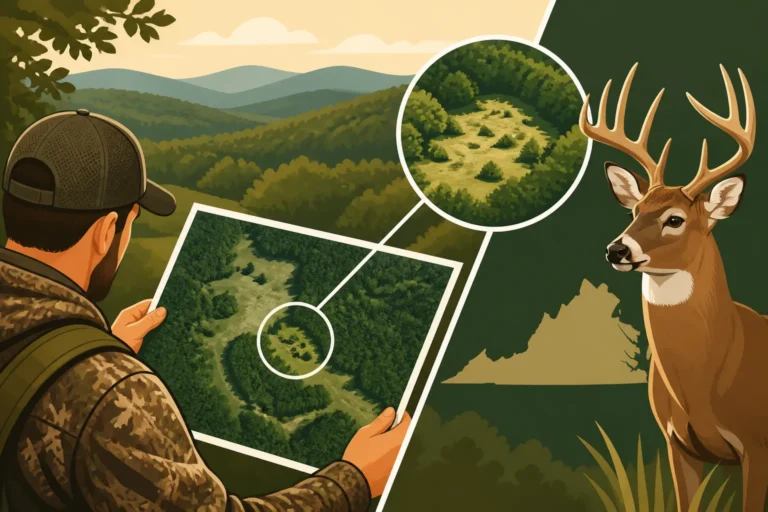
When scouting, pay close attention to flight lines. Birds often travel specific routes between their roosting water and their feeding fields. Many savvy hunters use mapping applications, like GoHunt, to identify potential hot spots by overlaying public and private land data with satellite imagery, looking for those tell-tale yellow-brown patches of harvested corn. Identifying these high-traffic corridors and fields where birds are consistently seen is far more important than just finding any cut cornfield. A small, overlooked field that consistently holds birds might be more productive than a vast one they only visit sporadically.
Choosing and Setting Up Your Layout Blind Effectively
Once you've found that perfect cut cornfield, the next crucial step is getting yourself properly concealed. Layout blinds are the tool of choice, but success isn't just about owning one; it's about choosing the right one and deploying it expertly.
Selecting the Right Blind for Virginia Fields
The market is flooded with layout blinds, and picking the right one for Virginia's conditions can feel overwhelming. Generally, you want a blind that is low-profile, comfortable for long waits, and easy to brush in. Brands like Avery, Final Approach, and Rogers Sporting Goods offer excellent options that are widely used by Virginia hunters. Consider the color and pattern: most blinds come in camouflage patterns designed for agricultural fields, mimicking stubble or dried grasses. Choose one that closely matches the specific field you'll be hunting. For instance, a blind with more tan and yellow tones will blend better in a sun-baked cornfield than one dominated by dark green.
Comfort is also key. You might be lying in that blind for hours, potentially in freezing temperatures. Look for features like padded headrests, ample legroom, and a sturdy frame that keeps you off the cold, damp ground. Remember, a miserable hunter is an impatient hunter, and impatience often leads to spooked birds. Also, think about portability. If you're hunting public land or walking a long way to your spot, a lightweight, easy-to-carry blind makes a huge difference. You don't want to be exhausted before the hunt even begins.
Strategic Placement for Concealment and Shots
Where you place your layout blind within the cut cornfield is just as important as the blind itself. The goal is to be invisible to approaching birds while simultaneously having an unobstructed shooting lane. Often, the best spots are those with some natural depression, a slight rise, or where the corn stubble is particularly dense. Avoid placing your blind on the highest point in the field, as this will create a silhouette against the sky, which birds will spot instantly. Instead, look for low spots or natural contours that help break up your outline.
Think about the sun's position. You generally want the sun at your back so that approaching birds are looking into it, making it harder for them to spot your blind. Also, consider the prevailing wind direction. Waterfowl almost always land into the wind, so position your blinds and decoys downwind of where you expect the birds to commit. This way, as they cup their wings to land, they'll be presenting broadside or slightly quartering shots right in front of your setup. This is a critical factor, and scouting for typical wind patterns for the time of year you're hunting can be incredibly beneficial.
Brushing In Your Blind for Maximum Stealth
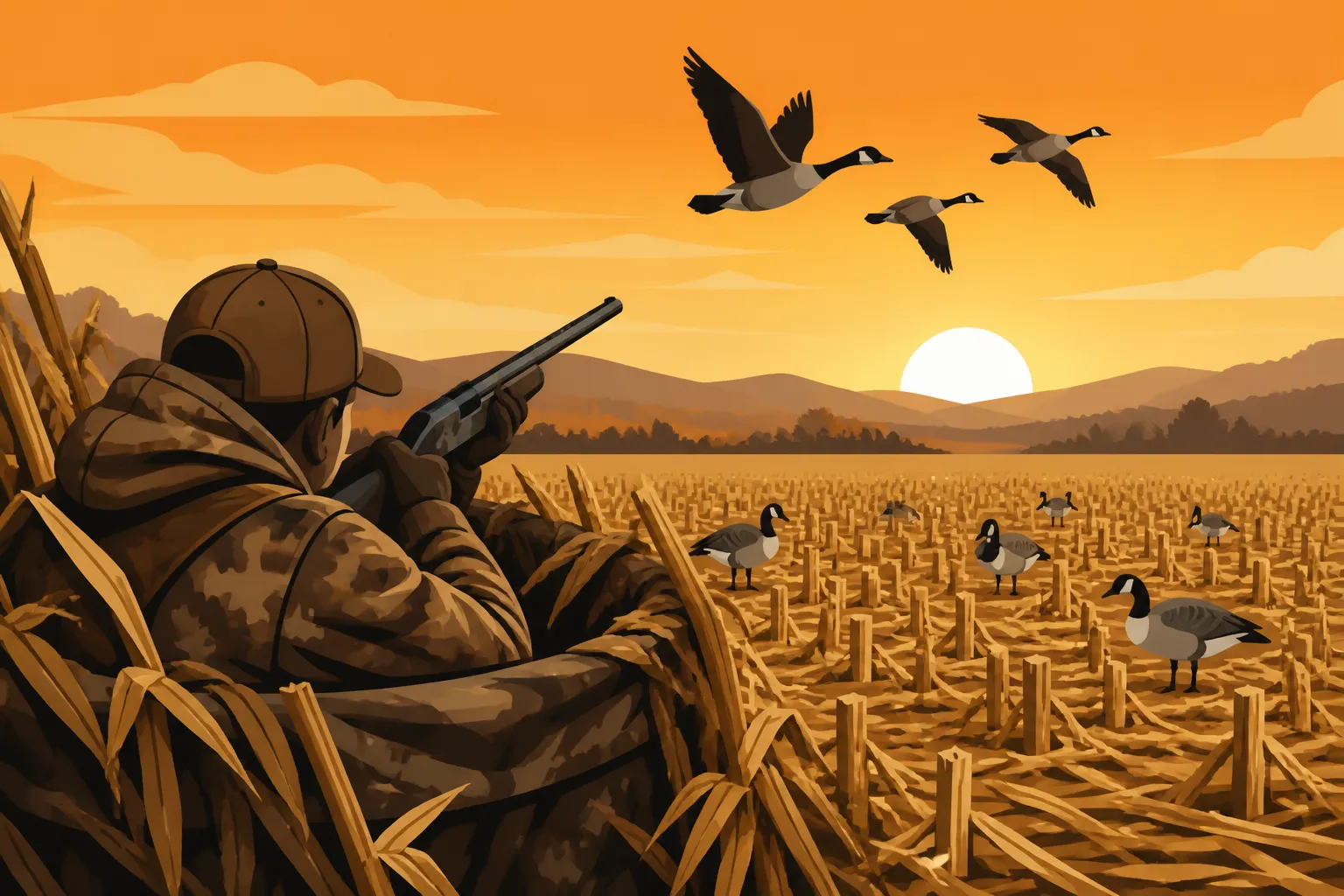
Once your blind is in position, the work isn't over. Brushing it in is arguably the most critical step for success. Simply laying a camouflaged blind in the middle of a cut field will often look like a dark blob and spook wary birds. You need to break up its outline with natural vegetation from the surrounding field. This means taking corn stalks, dried weeds, and any other available cover and weaving them into the blind's stubble straps or laying them over the blind's frame. The goal is to make your blind disappear completely into its surroundings.
Don't be shy about collecting material. Overdoing it is better than underdoing it. Pay particular attention to the edges and any areas that might create a hard line. Step back frequently and look at your blind from different angles, especially from a low vantage point, to ensure it blends seamlessly. If possible, have a hunting buddy walk a few hundred yards away and approach the blind as if they were a duck or goose, giving you an honest assessment of its visibility. Remember that lighting changes throughout the day, and what looks good at dawn might be obvious by mid-morning. Even a subtle change in light can reveal an unbrushed blind.
Decoy Spreads and Calling for Cut Cornfield Success
Once you're hidden, the next challenge is to convince those birds that your patch of cut corn is the safest, tastiest spot in Virginia. This is where a well-thought-out decoy spread and realistic calling come into play.
Crafting Realistic Decoy Spreads
The primary goal of your decoy spread is realism. You want to mimic a natural flock feeding and resting in the field. For most Virginia cornfield hunts, you'll be targeting Canada geese and mallards, though pintails, widgeon, and even snow geese might make an appearance. A mixed spread is often effective.
Common Decoy Spreads for Cut Cornfields
| Species (Decoy Type) | Typical Numbers | Formation | Notes |
|---|---|---|---|
| Canada Geese (Full-body, Shells, Silhouettes) | 2-4 dozen | J-hook, U-shape, or loose groups | Create a "landing zone" in the middle. Place pairs/trios realistically. |
| Mallards (Shells, Full-body, Field Decoys) | 1-3 dozen | Smaller, tighter clusters | Mix active feeders with resting birds. Separate slightly from geese. |
| Snow Geese (Socks, Silhouettes, Shells) | 5-10 dozen (minimum) | Massive, loose blob | Snow geese prefer huge numbers; less effective in small spreads. Requires specialized hunting. |
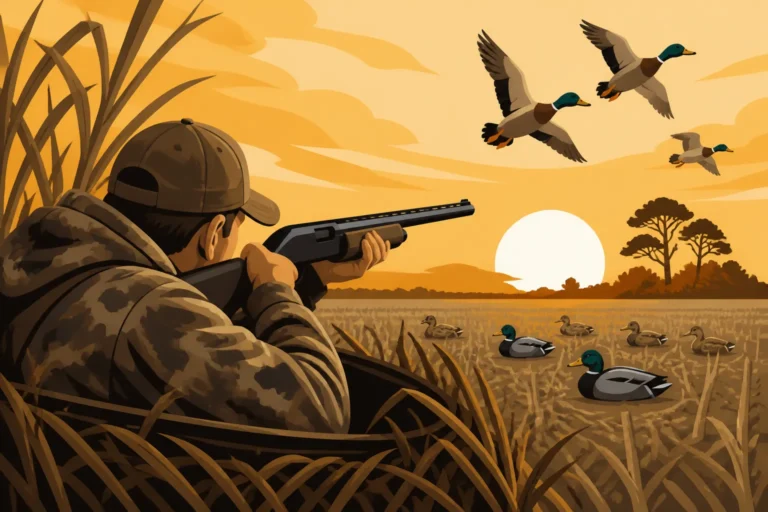
For Canada geese, consider a "J-hook" or "U-shape" formation, leaving a large open "landing zone" directly in front of your blinds, downwind. This gives the birds a comfortable spot to commit to. Place decoys in natural-looking clusters of 2-5 birds, with some feeding heads down, others alert. For mallards, create smaller, tighter clusters slightly to the side of the main goose spread, mimicking ducks dabbling for spilled kernels. Mixing full-body decoys with shells and silhouettes can add depth and realism without breaking the bank. Always position your blinds at the "bend" or "bottom" of the J or U, facing the open landing zone. This positioning for Layout Blind Hunting Eastern Shore Fields is critical, ensuring the birds are directly in front of you as they prepare to land.
Remember that birds are constantly moving. A few motion decoys, like a spinner wing mallard or a flag for geese, can add a dynamic element to your spread, especially on calm days when static decoys might look lifeless. However, be mindful of overdoing motion, especially with pressured birds who might have learned to associate unnatural movement with danger.
Calling Tactics to Draw Them In
Calling is an art, not a science, but in cut cornfields, it’s about confidence and realism. For geese, a combination of greeting calls, clucks, and moans can be highly effective. Start with softer calls to grab their attention, then increase intensity as they approach. Once they commit and start working the spread, revert to softer, contented clucks and moans, mimicking a happy, undisturbed flock. Overcalling can spook wary birds, so err on the side of subtlety.
For ducks, especially mallards, a contented feeding chuckle is often more effective than aggressive hail calls once they are within sight. Mix in a few quacks and lonesome hen calls to sound inviting. Pay attention to how the birds respond to your calls. If they veer off, try a different sequence or tone. If they seem to ignore you, you might need to get louder to capture their attention. Remember, you're trying to sound like the most inviting party in the field. Many Virginia hunters find success by observing what the birds are naturally doing and trying to replicate that behavior.
Adaptability to Bird Behavior and Pressure
Waterfowl are incredibly intelligent and quickly learn. Birds that have been hunted hard will be "decoy shy" and "call shy." This means you need to be adaptable. If birds are flaring from your full-body goose decoys, try a spread of just silhouettes and shells. If they're shying from your loud calls, stick to soft, subtle contented sounds. Always watch their reactions. Are they flaring from a specific part of your spread? Adjust it. Are they circling wide? They might have spotted something.
Sometimes, simplicity is key. A smaller, very realistic spread that's perfectly brushed in can be far more effective than a massive spread that looks unnatural. Pay attention to local intel; if you're hunting a new area, asking about local bird behavior and typical hunting pressure can give you a significant advantage. This knowledge will help you tailor your decoy spreads and calling strategies for the best possible outcome. For instance, in areas with high pressure, less is often more.
Weather, Timing, and Other Considerations for the Hunt
Beyond decoys and calling, success in a cut cornfield hinges on external factors like weather, timing, and an unwavering commitment to safety and ethical hunting. These elements collectively dictate when and how waterfowl will use a field.
The Impact of Weather Patterns
Weather is king when it comes to waterfowl hunting. A drastic change in temperature, precipitation, or wind can completely alter bird behavior. For cut cornfields, cold fronts are often your best friend. As temperatures drop and energy demands increase, birds become more aggressive feeders, making them more likely to commit to a field. A good hard freeze can lock up smaller water bodies, pushing birds to larger, still-open waters, but also making them even more reliant on high-energy food sources like corn.
Wind is another critical factor. As mentioned, birds land into the wind, so a consistent wind direction is ideal for setting your spread and blinds. Overcast days are generally preferred by hunters, as they offer better concealment from the bright sun and make birds fly lower. Rain or snow, while often uncomfortable for hunters, can sometimes put birds down in fields, especially a light snow that makes spilled grain more visible against the white backdrop. Keep a close eye on the forecast and adjust your plans accordingly. There's no point in setting up in a cornfield on a calm, warm, bluebird day if all the birds are loafing on the water.
Optimal Time of Day and Season
In Virginia, waterfowl season generally extends from fall into winter, often with split seasons. For cornfield hunting, the late season, after many leaves have fallen and temperatures have dropped, is often the most productive. This is when birds are most desperate for high-calorie food.
As for the time of day, early morning, right after legal shooting light, is prime. Birds will fly from their roost to feed, and you want to be set up and ready before they make their first pass. Many birds will also make a mid-morning flight to feed again before loafing. Late afternoon, as birds head back to their roost, can also be productive, though often less consistent than the morning flight. Being in your blind well before legal shooting light allows the field to settle and gives you time to observe initial bird movements. The Virginia Department of Wildlife Resources (DWR) provides specific legal shooting hours; always consult them to ensure you are hunting within the law.
Staying Safe and Legal in Virginia Fields
Hunting in Virginia fields requires adherence to specific regulations and a strong commitment to safety. Always carry your Virginia Hunting Licenses and What They Cost, including your federal duck stamp and HIP certification if required. Remember the Virginia Blaze Orange Requirements if you're hunting small game or during certain periods of big game season, though for layout blind hunting waterfowl, camouflage is generally paramount for concealment.
Safety glasses and hearing protection are always a good idea, especially in a layout blind where you'll be shooting from a prone or semi-prone position. Be acutely aware of your surroundings, including any nearby roads, homes, or other hunters. Communication with your hunting partners is vital, especially when calling out shots or retrieving birds. Never shoot at low-flying birds unless you can clearly identify them and are certain of your safe shooting lane. Retrieving downed birds promptly is also critical to prevent waste, and having a well-trained retriever can be an invaluable asset in a large cornfield. Understanding Virginia Duck and Goose Bag Limits and respecting them ensures ethical hunting and helps conserve the resource for future generations.
Disclaimer
Please remember that hunting regulations and seasons can change. Always consult the most current Virginia Department of Wildlife Resources (DWR) regulations before heading afield. This guide provides general information and should not replace official DWR publications.