Mourning Doves in Virginia
There's nothing quite like the sound of wings whistling overhead on a warm September afternoon, is there? For many Virginia hunters, the opening day of dove season isn't just a hunt; it's a cherished annual tradition, a social event, and a true test of wing-shooting skill. But hitting those fast-flying acrobats can be a humbling experience, and finding a consistent dove hotspot year after year often feels like chasing a ghost. This comprehensive guide is here to walk you through everything you need to know about pursuing mourning doves in the Old Dominion, from understanding their movements to setting up the perfect field, so you can enjoy more successful and memorable hunts.
Understanding Virginia's Mourning Dove Population
Mourning doves are one of the most widely distributed and abundant bird species in North America, and Virginia is no exception. These small, agile birds are a migratory game species, making them a popular target for hunters. But their numbers fluctuate, and understanding where they thrive and why is key to consistent success.
Where Doves Thrive in the Commonwealth
Virginia’s diverse landscape offers a variety of habitats that mourning doves utilize throughout the year. While they can be found statewide, certain areas and habitat types are consistently more productive. Doves are primarily ground-feeding birds, preferring open areas with scattered trees for roosting and nesting. This means agricultural fields, especially those planted with grains like corn, wheat, millet, and sunflowers, are prime real estate. Think about the sprawling farmlands of the Piedmont and the Coastal Plain – these are often honey holes. The Eastern Shore, with its vast agricultural operations, is another hotspot where you can often find large concentrations. Even in more suburban areas, if there are small agricultural plots, power lines, and reliable water sources, doves will often be present. They appreciate edge habitats, where open fields meet woodlines, offering quick escape routes and cover.
Doves are also heavily reliant on water, especially during hot periods. A pond, creek, or even a muddy puddle can draw them in like a magnet, particularly in the late afternoon. They need grit for digestion, so gravel roads, bare patches of dirt, and sandy areas are also important. Recognizing these habitat components on an aerial map or during an in-person scouting trip is crucial. You’re looking for a mosaic of food, water, grit, and roosting cover. When scouting, pay close attention to power lines and dead trees near fields; these are common perching and staging areas before doves drop down to feed.
Population Trends and Conservation Efforts
Virginia's mourning dove population is generally considered stable, though local numbers can fluctuate due year-to-year based on breeding success, food availability, and weather patterns. The Virginia Department of Wildlife Resources (DWR), in collaboration with the U.S. Fish and Wildlife Service, monitors dove populations through various surveys, including the Migratory Bird Harvest Information Program (HIP) and annual call-count surveys. These efforts help wildlife managers assess population health and set appropriate hunting regulations to ensure sustainability.
Hunters play a vital role in dove conservation, often unknowingly, through their participation in programs like HIP. When you purchase your Virginia Hunting Licenses and What They Cost and certify your participation in migratory bird hunting, that data contributes directly to national population assessments. Additionally, many private landowners who plant specific dove fields are inherently creating and managing habitat that benefits not just doves but other wildlife as well. Without the incentive of hunting, much of this habitat work wouldn't occur. Droughts or unusually wet springs can impact nesting success, leading to fewer young birds in the fall, but doves are prolific breeders, often having multiple broods a year, which helps them bounce back quickly.
Impact of Habitat and Weather on Dove Numbers
The availability and quality of habitat are arguably the most significant factors influencing where and how many doves you'll find. Fields that have recently been harvested, especially those with waste grain on the ground, are instant attractants. This is why agricultural practices dictate so much of the best dove hunting. Farmers cutting corn, wheat, or sunflowers in late August or early September can create an instant "food plot" for doves, drawing them from miles around. A field that was amazing one year might be a bust the next if the crop rotation changes or if it's tilled immediately after harvest.
Weather also plays a huge role. Hot, dry weather in early September can concentrate doves around water sources, making ponds and creek bottoms prime ambush points. Conversely, prolonged rain can scatter birds or make fields inaccessible. Cold fronts, especially later in the season, can trigger migrations, pushing local birds south and potentially bringing new birds down from northern states. Monitoring weather patterns and talking to local farmers about their harvest schedules is incredibly beneficial. The timing of the first frost can also impact late-season dove activity, as it can kill off some natural food sources and push birds to find remaining waste grain.
Virginia's Mourning Dove Hunting Seasons and Regulations
Understanding the rules and dates is paramount for any hunter. Virginia has a well-defined season structure for mourning doves, designed to offer ample opportunity while protecting the population. Don't get caught off guard!
Key Season Dates and Splits
Virginia's dove season is typically broken into multiple segments, or "splits," to account for the migration patterns of doves. The first split, often the most popular and social, usually kicks off around September 1st. This early period catches resident birds before they migrate south and often provides warm weather, perfect for an afternoon hunt with friends and family. This first split is usually the longest and has the most consistent action, especially on well-managed public and private fields.
Following a brief closure, a second split usually opens in October, providing another opportunity as more migratory birds might be passing through the state. This can be a completely different hunting experience, often with cooler weather and potentially new birds. Finally, a third split might open in late November or early December, aligning with other small game seasons. These late-season hunts can be challenging, as birds are warier and often concentrated in smaller pockets, but they can also offer fast action if you find the right feeding area. Always check the current DWR hunting regulations pamphlet or the DWR website for the precise dates each year, as they can shift slightly. You can find detailed information under Virginia Small Game Season Rules.
Bag Limits and Possession Limits
Virginia, like all states managing migratory birds, adheres to federal guidelines for bag and possession limits. For mourning doves, the daily bag limit is typically 15 doves. This means you can harvest up to 15 birds in one day. The possession limit, which is the maximum number of legally harvested doves you can have in your possession at any given time (including at home, in your freezer, or in your vehicle), is usually three times the daily bag limit, or 45 doves.
It's crucial to understand the difference. You can shoot 15 doves on Monday, 15 on Tuesday, and 15 on Wednesday, accumulating 45. But if you already have 45 doves in your freezer from previous hunts, you cannot legally harvest any more until some of those birds are consumed or otherwise disposed of, bringing your possession limit back down. This regulation prevents overharvest and encourages responsible game management. Always double-check these limits in the annual DWR regulations, as they can occasionally be adjusted.
Important Licensing and Federal Requirements
Beyond your standard Virginia hunting license and big game license (if applicable), there are specific requirements for hunting migratory birds like doves. First and foremost, you must obtain a Virginia Migratory Bird Hunting License. This is a relatively inexpensive add-on to your base license. More critically, you must also be HIP (Harvest Information Program) certified. This means registering annually with the DWR, which generates data for the U.S. Fish and Wildlife Service's migratory bird management programs. This is a quick and free process that you typically do when purchasing your license online or through a license agent. Without HIP certification, you cannot legally hunt doves. You can learn more about this by checking out Virginia HIP Certification for Bird Hunters.
A federal duck stamp is NOT required for dove hunting, as doves are not considered waterfowl. However, it's a good idea for any bird hunter to be aware of the different stamps and certifications needed for various species. Remember to always carry proof of your licenses and certifications with you while hunting, whether it's the physical cards or digital copies accessible on your smartphone. Enforcement officers will often check for these, especially on busy opening days.
Here’s a quick overview of typical Virginia dove season parameters:
| Season Split | Typical Dates (Approximate) | Daily Bag Limit | Possession Limit | Key Considerations |
|---|---|---|---|---|
| First Split | Early Sep – Mid Oct | 15 | 45 | Warm weather, resident birds, popular for social hunts |
| Second Split | Late Oct – Early Nov | 15 | 45 | Cooler temps, migratory birds possible, less pressure |
| Third Split | Late Nov – Early Dec | 15 | 45 | Cold weather, wary birds, often near specific food sources |
Always consult the current year's Virginia DWR hunting regulations for exact dates and any changes.
Essential Gear for Virginia Dove Hunting
While dove hunting can be relatively simple, having the right gear can make your experience far more enjoyable, productive, and safe. You don't need to break the bank, but a few key items are crucial.
Shotgun and Ammunition Choices
For dove hunting, a lightweight, fast-swinging shotgun is your best friend. Doves are quick, agile flyers, and you'll be doing a lot of mounting, swinging, and shooting. Most hunters opt for a 12-gauge or 20-gauge shotgun. A 20-gauge is often preferred by those who value lighter recoil and easier carrying, while a 12-gauge offers a slightly denser pattern and a bit more knockdown power at longer ranges. Both semi-automatics and pump-action shotguns are popular, with semi-autos offering faster follow-up shots. Over/under or side-by-side shotguns also work beautifully and lend a classic feel to the hunt. You can find more specific shotgun advice in a guide like Shotguns for Virginia Grouse and Dove.
When it comes to ammunition, speed and pattern density are more important than heavy shot. Doves are small birds, so you don't need large pellets. Standard target loads, typically 7 ½ or 8 shot, are perfect. These smaller pellets create a dense pattern, increasing your chances of hitting those erratic flyers. Carrying plenty of shells is key – dove hunting is notorious for high shell consumption. It's not uncommon to shoot a box or two of shells (25-50 rounds) for a few birds, especially if you're new to it! A good rule of thumb is to bring at least 100 shells for a full afternoon hunt. Make sure to choose shells appropriate for your gauge.
Decoys, Seating, and Concealment
Doves are visual birds, and decoys can be incredibly effective, especially on pressured birds or in fields where you don't have active flight paths directly over you. Spinning wing decoys, like those made by Mojo Outdoors or Lucky Duck, are extremely popular and often make the biggest difference. The flashing motion of the wings catches doves' attention from a distance, drawing them in closer. Static decoys, positioned on a bare branch or a fence line, can also help make your setup look more natural. Placing a few decoys on the ground near your shooting position can also mimic feeding birds.
Comfort is crucial during a dove hunt, as you might be sitting for several hours. A comfortable Dove Stools and Field Gear or a lightweight folding chair is highly recommended. Many dove vests come with an integrated padded seat. As for concealment, doves have excellent eyesight. While full camouflage isn't always necessary, blending into your surroundings is important. Natural cover like fencerows, standing corn, or the edge of a woodline works well. If you're in an open field, a simple ground blind or a few camouflage netting panels can break up your outline. Wearing earth-tone clothing or camo is always a good idea, and avoiding bright colors is a must. Don't forget a hat and sunglasses to protect you from the sun and help you spot incoming birds.
Field Safety and Comfort Items
Safety should always be your top priority. Eye protection, typically shooting glasses, is non-negotiable to protect against stray pellets or falling debris. Hearing protection, whether earplugs or earmuffs, is also essential, especially given the number of shots fired during a typical dove hunt. Dehydration is a real risk during early-season hunts in Virginia's heat, so carry plenty of water. A small cooler with ice for your harvested birds is also a great idea, especially on warm days, to ensure the meat stays fresh.
Beyond safety, consider comfort. Bug spray is almost always necessary in early September. Sunscreen is also a good idea. A small backpack or a dedicated dove vest with plenty of pockets is ideal for carrying shells, water, decoys, and your harvested birds. A good pair of comfortable, sturdy boots is also recommended, as you'll likely be walking through cut fields that can be uneven or have stubble. Finally, consider bringing a game carrier or a mesh bag to easily transport your limit of birds back to your vehicle.
Effective Dove Hunting Tactics and Strategies
Successful dove hunting isn't just about showing up with a shotgun; it's about understanding dove behavior and setting up strategically. A little planning goes a long way.
Scouting for Hotspots and Flight Paths
Scouting is, without a doubt, the most critical element of consistent dove hunting success. Doves are creatures of habit, and they will use the same flight paths and feeding areas day after day until conditions change. Your goal is to identify these patterns before opening day. Look for fields that have been recently harvested, especially those with small grains like wheat, millet, or sunflowers. Corn fields, particularly those with a few downed ears or spilled grain, can also be excellent.
Drive rural roads in the evening, an hour or two before sunset, or in the early morning. Watch for doves flying in and out of fields. Pay attention to where they perch – power lines, dead trees, and prominent snags are common staging areas. Observe their flight lines between feeding fields, water sources, and roosting cover. This "flight path" is where you want to position yourself. Use mapping tools like GoHunt or the DWR’s own public land maps to identify potential areas. Look for changes in elevation, pinch points between wood lines, or small draws that might funnel birds. On public land, scouting will help you find less pressured areas and identify specific fields that have been managed for doves. Check out Setting Up a Dove Field Before Opening Day for more in-depth tips.
Setting Up for Success: Field Edges, Waterholes, and Powerlines
Once you've identified a promising area, your setup is key.
- Field Edges: This is a classic setup. Position yourself along the edge of a harvested field, ideally where doves are entering or exiting. Look for natural cover like a brush line, tall weeds, or even a standing patch of corn. Doves often fly along these edges. You want to be concealed but have a clear shooting lane. Place your decoys (especially spinning wings) out in the open, where doves can see them from a distance.
- Waterholes: Doves need water, especially during warm weather. Ponds, creeks, or even muddy depressions in fields can be fantastic spots, particularly in the late afternoon. Position yourself to intercept birds coming in for a drink. Again, concealment is crucial, as doves are wary around water. A guide on Pass-Shooting Doves Over a Water Hole delves into this strategy.
- Powerlines: Doves love to perch on power lines before dropping down to feed or drink. If you find a field with power lines running through or along its edge, set up nearby. Birds will often land on the wires, providing an opportunity to take a shot as they take off or fly in. Just be mindful of safety, ensuring your shots are always directed away from any structures or roads.
Consider the sun's position. Try to have the sun at your back in the afternoon, making it harder for doves to see you and easier for you to see them silhouetted against the sky. Also, think about wind direction. Doves, like most birds, tend to fly into the wind when landing.
Pass-Shooting vs. Decoy Hunting
There are two primary styles of dove hunting, and often, a combination of both is most effective.
- Pass-shooting: This involves positioning yourself along a known flight path and shooting at birds as they "pass" by. It's often done without decoys, relying solely on your ability to read the birds' movements and shoot accurately. This requires keen observation skills and quick reflexes. You're trying to intercept birds as they travel from a roost to a feeding field, or to and from water. Good pass-shooting spots are often funnel points, saddles in a landscape, or narrow gaps in tree lines that birds naturally follow. This style is often employed when doves are plentiful and consistently using a specific travel corridor.
- Decoy Hunting: This strategy uses decoys, particularly spinning-wing models, to attract doves to your specific location. It's especially effective in open fields or when birds are scattered and not following distinct flight paths. The decoys give doves a reason to deviate from their course and come into range. When birds see the spinning wings, they often cup their wings and commit to landing, providing a slightly easier shot opportunity. Place decoys where they are highly visible, and ensure your concealment is top-notch, as the birds will be focusing on the decoys and potentially spot you if you're not hidden. Decoying can also work well in conjunction with pass-shooting, drawing birds closer to your pass-shooting lane.
Often, the most successful dove hunters use a hybrid approach. They identify general flight paths for pass-shooting but also deploy decoys in a strategic spot to pull birds even closer. Experiment with both to see what works best on your chosen hunting ground and for the specific conditions of the day.
Finding Prime Dove Hunting Locations in Virginia
One of the biggest hurdles for any hunter, especially newcomers, is finding a place to hunt. For doves in Virginia, you have a few options, each with its own benefits and challenges.
Public Land Opportunities: WMAs and Managed Fields
Virginia boasts a fantastic system of Wildlife Management Areas (WMAs) managed by the DWR, many of which offer dove hunting opportunities. These are often excellent places to start, especially if you don't have private land access. Many WMAs, particularly those in agricultural regions, actively manage fields specifically for doves. They might plant sunflowers, millet, or corn and then conduct controlled burns or mow strips before the season to create ideal feeding conditions.
Some popular WMAs known for dove hunting include Amelia WMA, Powhatan WMA, and Gathright WMA. However, it's crucial to understand that public land dove hunting can be very crowded, especially on opening day. Expect competition and get there early to claim a good spot. You'll often find information about specific dove fields and hunting regulations for each WMA on the DWR website or by contacting the local DWR office. Always check the rules for each WMA, as some might have specific sign-in procedures, shooting hours, or even require a special public access permit on top of your base license. Using tools like GoHunt or the DWR's online map portal can help you identify WMAs and even specific fields that might be suitable for doves. Consider exploring Virginia Wildlife Management Areas for more detailed information.
Gaining Private Land Access for Doves
Private land offers some of the best, and often least pressured, dove hunting opportunities. Many farmers are dealing with crop damage from doves and might be open to allowing responsible hunters access. The key here is developing relationships and asking politely. Drive around rural areas during the summer months, looking for fields that would be ideal for doves (e.g., sunflowers, cut corn, wheat stubble). When you spot a promising field, try to find the landowner (sometimes a mailbox or farm sign will give you a name) and approach them respectfully.
Be prepared to introduce yourself, explain what you're hoping to do, and offer to help in some way (e.g., help with chores, share your harvest). Reassure them about safety and ethical hunting practices. Sometimes, offering to help control other nuisance animals, like feral hogs, can also open doors. A great starting point is to read up on Getting Private Land Permission in Virginia. Don't be discouraged by a "no"; simply thank them and move on. Many landowners might be wary of unknown hunters, but a polite, responsible approach can often win them over. Once you gain permission, treat the land with the utmost respect, follow all rules, and consider offering a share of your harvest or a small gift as a thank you. This builds goodwill and ensures future access.
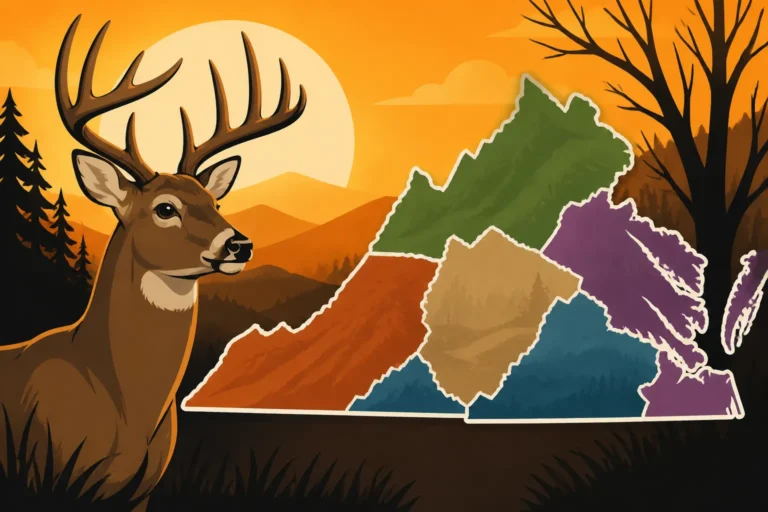
Considerations for Different Regions of Virginia
Virginia's diverse geography means dove hunting experiences can vary widely across the state.
- Piedmont and Coastal Plain: These regions, with their extensive agricultural lands, are generally the most productive for doves. The flat to rolling terrain makes scouting and accessing fields relatively easy. Counties like Amelia, Powhatan, Hanover, and those around the Eastern Shore are consistently top performers. You'll find a mix of public and private land opportunities here.
- Shenandoah Valley: The Valley, while agricultural, often features smaller, more fragmented fields due to its topography. Doves are present, but finding large concentrations can sometimes be more challenging. Focus on the wider valley floors and river bottoms where larger farms exist.
- Mountain Region: The mountainous western part of Virginia generally offers fewer large agricultural fields, meaning dove hunting here is less common. However, small pockets of agricultural activity in valley floors or reclaimed strip mine lands can hold birds. It requires more localized scouting and often finding specific, smaller plots. If you're primarily a mountain hunter, you might have to travel east for the best dove action.
No matter the region, the principles remain the same: find food, water, and roosting cover. The specific manifestation of those elements just looks a little different depending on where you are in the Commonwealth.
Beyond the Shot: Field Care and Culinary Delights
The hunt doesn't end when the bird hits the ground. Proper field care is essential to ensure your hard-earned doves make it to the dinner table in prime condition. And once they're there, they're truly a culinary treat.
Quick Field Dressing and Cooling
Doves, like all small game birds, can spoil quickly, especially during the warm early-season hunts in Virginia. The best practice is to field dress them as soon as possible after retrieving them. This means removing the entrails (guts) and, for many hunters, removing the breast meat right there in the field.
To breast out a dove:
- Lay the bird on its back.
- Pluck a small patch of feathers from the breastbone.
- Make a small incision through the skin, just above the breastbone.
- Insert your thumbs and push outwards, separating the breast meat from the rib cage.
- With a little effort, the entire breast meat (two halves attached by the breastbone) will pop free. You can also pluck the legs if you want to save them, though many hunters only keep the breast.
- Discard the carcass appropriately (bury it, or pack it out if required on public land).
Immediately after breasting, place the meat in a cooler filled with ice. This rapid cooling is crucial to prevent bacterial growth and ensure the best flavor. Don't just throw them in a game bag; the ambient temperature can quickly degrade the meat. Having a designated cooler just for your doves is a smart move.
Transporting Your Harvest
Virginia regulations require that migratory game birds be transported in such a way that one fully feathered wing remains attached to the bird until it reaches your home or a processing facility. This allows DWR wardens to identify the species and confirm it's a legally harvested migratory bird, not something else. If you breast out your birds in the field, you must keep one wing attached to the breast until you get home. Many hunters simply cut off one wing and tuck it under the breast meat in the cooler. Once you're home and the birds are ready for final cleaning or freezing, you can remove the wing.
Ensure your cooler is secure in your vehicle and that you're not exceeding the possession limit. If you're traveling across state lines, be aware of the migratory bird transport laws of both Virginia and any other states you pass through. It's generally best to get them processed and frozen before extensive travel.
Delicious Recipes for Virginia Doves
Mourning dove meat is dark, rich, and incredibly flavorful, often compared to steak. It's truly a gourmet wild game. Here are a few popular and delicious ways to prepare them:
- Bacon-Wrapped Doves: This is a classic for a reason. Simply take a dove breast (or half breast), stuff it with a small piece of jalapeño or cream cheese if you like, wrap it tightly with a slice of bacon, and secure it with a toothpick. Grill, broil, or bake until the bacon is crispy and the dove meat is cooked to your liking (doves are best cooked medium-rare to medium to prevent drying out). The bacon keeps the lean dove meat moist and adds fantastic flavor.
- Grilled Dove Skewers: Marinate dove breasts in your favorite savory marinade (teriyaki, Italian dressing, or a simple mix of olive oil, garlic, and herbs) for a few hours. Thread them onto skewers with vegetables like bell peppers, onions, and cherry tomatoes. Grill quickly over high heat until just cooked through.
- Pan-Seared Doves: Season dove breasts with salt, pepper, and your favorite spices. Heat a cast-iron skillet with a little butter or olive oil over medium-high heat. Sear the breasts for 2-3 minutes per side until nicely browned and cooked to your preferred doneness. A quick pan sauce with wine or broth can elevate this simple dish.
- Dove Poppers: Similar to bacon-wrapped, but often smaller pieces are used. Slice dove breasts into smaller medallions, marinate, then wrap in bacon with a slice of pepper or cheese. These are perfect appetizers for game day.
Remember that dove meat is very lean, so avoid overcooking it, which can make it tough and dry. A quick sear or grill to medium-rare or medium is often ideal.
The Future of Mourning Dove Hunting in Virginia
As hunters, we all have a vested interest in ensuring our traditions continue for generations. Mourning dove hunting, while popular, faces its own set of challenges and relies on informed hunters to thrive.
Conservation Challenges and How Hunters Help
Mourning doves are generally abundant, but their populations are still subject to environmental pressures. Habitat loss, particularly the conversion of agricultural land to development, is an ongoing concern. Changes in farming practices, such as less waste grain being left in fields or earlier tilling, can also impact local food availability. Climate change, leading to unpredictable weather patterns, can affect nesting success and migration timing.
Hunters are, without a doubt, the primary conservationists for doves and other game species. Through the purchase of hunting licenses and stamps, hunters directly fund the DWR’s habitat management programs on public lands, population surveys, and enforcement efforts. As mentioned earlier, your HIP certification provides crucial data for national dove management. Beyond the financial contributions, many private landowners who plant dove fields are actively creating and managing valuable habitat. Ethical hunting also helps maintain healthy populations by removing individuals and reducing pressure on food sources, particularly in localized areas. The sustained popularity of dove hunting ensures continued attention and resources are allocated to this species.
Navigating Regulatory Changes
Wildlife management is a dynamic field, and regulations can change from year to year based on population data, harvest trends, and environmental factors. It's essential for hunters to stay informed. The DWR publishes its annual hunting regulations booklet, often available online months before the season opens. This is your authoritative source for dates, bag limits, and specific rules for WMAs or other special hunting areas. Subscribing to DWR newsletters or following their social media channels can also provide timely updates.
Ignorance of the law is never an excuse. Always assume regulations might have changed since the previous season, and take the time to review them. This includes not just season dates and bag limits, but also things like shooting hours, legal methods of take (e.g., shell capacity limits on shotguns for migratory birds), and any special requirements for specific public lands. For instance, the use of bait (placing grain to attract birds) is strictly illegal for migratory birds, and penalties for violations can be severe. Hunters need to be diligent in knowing what constitutes a "baited field" to avoid inadvertent violations.
Ensuring Sustainable Hunting for Generations
The goal of all wildlife management is sustainability – ensuring that future generations have the same, or even better, opportunities to enjoy our natural resources. For mourning doves in Virginia, this means a combination of science-based management, habitat preservation, and responsible hunter behavior. Participating in DWR surveys if asked, reporting any unusual bird activity (like disease outbreaks), and adhering strictly to regulations are all ways hunters contribute to this long-term vision.
Education also plays a crucial role. Mentoring new hunters, particularly youth, in proper ethics, safety, and respect for the resource helps instill a conservation mindset. Teaching responsible shooting practices, field care, and respecting landownership ensures that dove hunting remains a positive experience for all involved. By being proactive, informed, and responsible, Virginia's dove hunting community can continue to enjoy the thrill of these fast-flying birds for many years to come. Consider taking a new hunter with you and passing on the tradition, perhaps starting with the Virginia Youth and Apprentice Turkey Weekend if they’re interested in another species.
Disclaimer
Please be aware that hunting regulations, season dates, and license requirements are subject to change. Always consult the most current Virginia Department of Wildlife Resources (DWR) regulations pamphlet or their official website before participating in any hunting activity. The information provided here is for general guidance and informational purposes only and does not constitute legal advice. It is your responsibility to know and obey all applicable hunting laws and regulations.