Virginia Special Youth Hunt Windows
It can be incredibly challenging to introduce young, aspiring hunters to the outdoors, especially when they're faced with the pressures and crowds of general hunting seasons. Virginia's special youth hunt windows were specifically designed to provide a more relaxed, focused, and educational environment, giving new hunters a chance to experience the thrill of the hunt without adult competition. This guide will walk you through everything you need to know about these invaluable opportunities, from understanding the rules to making the most of the experience.
Understanding Virginia's Special Youth Hunt Windows
Hunting is a time-honored tradition in Virginia, and passing that tradition down to the next generation is something many of us cherish. However, the woods can be a daunting place for a novice, filled with complex regulations, competitive pressure, and the need for silent, patient observation. This is where Virginia's special youth hunt windows shine, offering a crucial stepping stone for new hunters.
The Rationale Behind Youth-Specific Seasons
The idea behind youth seasons is pretty simple but profoundly impactful: create a period where young hunters can learn and hunt with reduced pressure. Imagine trying to explain subtle deer sign or the art of calling a gobbler when half a dozen other hunters are stomping through the same woods. It's tough! By setting aside specific days or weekends, often before or after the main seasons, the Virginia Department of Wildlife Resources (DWR) aims to do a few things. First, it gives kids a better chance at success by limiting adult hunter interference. Second, it reduces the overall pressure on the game animals, making them less wary. Third, and perhaps most importantly, it fosters an environment where mentors can focus entirely on teaching, rather than being distracted by their own hunting opportunities. It's about building confidence, honing skills, and instilling a deep respect for wildlife and the land, all while minimizing external distractions. These seasons are a testament to the DWR's commitment to hunter recruitment and retention, understanding that a positive first experience is key to creating lifelong conservationists.
Who Qualifies: Age and Mentorship Requirements
So, who can participate in these special windows? Generally, these opportunities are open to youth hunters 15 years of age and younger. The exact age requirements can sometimes vary slightly by species or specific regulation, so it's always a good idea to consult the most current Virginia DWR hunting regulations. A critical component of these youth hunts is the mandatory mentorship requirement. Every youth hunter must be accompanied by a licensed adult (18 years or older) who holds a valid Virginia hunting license, unless the youth themselves possess a valid hunter education certificate and a valid Virginia hunting license. Even if the youth has completed hunter education, it's highly recommended that an experienced adult accompanies them to provide guidance and ensure safety.
The adult mentor during these hunts is not permitted to carry a firearm or bow, except for special cases where authorized by the DWR, such as during the Virginia Youth Deer Weekend Rules or when the adult is participating in their own concurrent hunting season if the youth season overlaps with an adult season for a different species. For instance, an adult might be able to waterfowl hunt while mentoring a youth during a special deer season, but they cannot hunt deer themselves. This rule reinforces the focus squarely on the youth's experience. It’s a chance for the mentor to put their own harvest goals aside and dedicate themselves to teaching the next generation the ropes. Whether it's teaching proper gun handling, ethical shot placement, or how to Reading Virginia Mud for Fresh Deer Movement, the mentor's role is paramount.
Navigating Virginia's Youth Deer Hunt Weekends
For many young hunters, deer hunting is the ultimate adventure. Virginia offers dedicated youth deer hunt weekends that provide fantastic opportunities, usually timed strategically to coincide with higher deer activity or less hunting pressure. These weekends are a golden opportunity to introduce kids to the sport.
Key Dates and Regulations for Young Deer Hunters
Virginia typically sets aside a specific weekend in late September for a youth deer hunting opportunity, primarily focusing on either-sex deer. This early timing often means milder weather, which is much more comfortable for young hunters who might not be accustomed to long, cold sits. The regulations during these weekends usually allow for the taking of antlered or antlerless deer, providing flexibility and increased success rates. It’s important to note that all general deer hunting regulations regarding bag limits and reporting still apply. For example, in the Eastern Region, youth hunters will still need to adhere to the regional buck limits and antlerless deer requirements. You can find detailed information on these specifics in the annual DWR digest, or by using online mapping and regulation tools. A platform like GoHunt can be incredibly useful here, allowing you to check specific county regulations and boundary lines to ensure you're in compliance.
Beyond the statewide youth weekend, some counties that participate in the Urban Archery Hunting in Virginia Cities program might have expanded or additional youth archery opportunities. These zones often have higher deer populations due to reduced hunting pressure, offering another excellent chance for young hunters to tag a deer close to home. Always verify the specific dates and regulations for your chosen county, as they can sometimes vary slightly from the statewide framework. The goal of these specific windows is to maximize the learning experience without the added stress of a crowded woods.
Tactics and Gear for Youth Deer Success
When taking a young hunter out for deer, patience and preparation are your two best friends. Focus on comfort and ensuring they have appropriate gear. A lightweight rifle with reduced recoil, such as a .243 or 6.5 Creedmoor, is often a great choice for a youth hunter, making the shot more manageable and less intimidating. Ensure the firearm fits them properly; a stock that is too long or too short can affect accuracy and comfort. For optics, a basic, reliable rifle scope with good low-light performance is key, as deer often move at dawn and dusk. Don't forget the importance of a good pair of binoculars; teaching a child to scan the woods patiently can be a game-changer for spotting deer.
Beyond the firearm, comfort in the stand is crucial. Consider using a ground blind if you're hunting private land or where permitted on public land, as it offers warmth, concealment, and the ability for a young hunter to move around a bit without spooking game. Portable chairs and plenty of snacks can also go a long way in keeping morale high during a long sit. When it comes to strategy, focus on areas with high deer traffic and clear shooting lanes. Field edges, creek bottoms, or areas with abundant food sources are ideal. Teaching them to move slowly, quietly, and use the wind to their advantage are fundamental skills that will serve them for a lifetime. For those hunting public lands, scouting ahead of time using tools like GoHunt can help identify promising spots, allowing you to focus on the experience rather than searching for game. Consider looking into Finding Ground Others Walk Past on public land for a less pressured experience.
Making the Deer Hunt Memorable for Kids
The most important aspect of a youth hunt isn't whether they harvest an animal, but whether they enjoy the experience and want to do it again. Focus on making it fun and educational. Talk about the deer's behavior, explain the importance of habitat, and identify other wildlife you see. Point out interesting tracks, rubs, or scrapes, and explain what they mean. Share stories of your own hunting adventures, both successful and otherwise.
Before the hunt, practice shooting extensively to build confidence and proficiency. During the hunt, engage them in the process, from picking a stand location to spotting deer. If they do harvest an animal, involve them in the field dressing process (to the extent they're comfortable) and explain why it's done. Emphasize gratitude for the animal and the sustenance it provides. After the hunt, celebrate their effort, regardless of the outcome. A warm campfire, good food, and recounting the day's events will solidify positive memories and build a lasting bond over the shared experience. Don't underestimate the power of simply spending time together in nature.
Exploring Virginia's Youth Turkey Hunt Opportunities
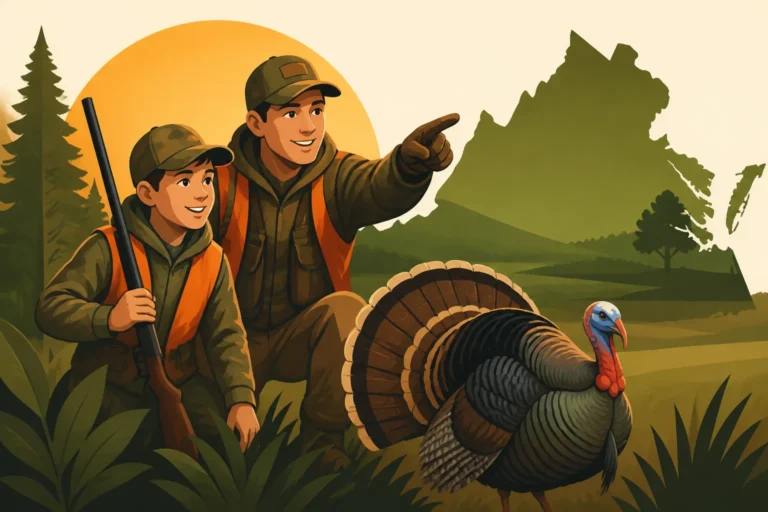
Turkey hunting offers a unique and exciting challenge, with its emphasis on calling and camouflage. Virginia provides special youth hunt windows for turkeys, often coinciding with prime gobbling activity, making it an excellent time to introduce new hunters to the thrilling world of spring and fall turkey hunting.
Spring and Fall Youth Turkey Season Specifics
Virginia typically features a youth-only weekend in early April, preceding the general spring turkey season. This timing is fantastic because gobblers are usually highly active and vocal during this period, having not yet been pressured by adult hunters. This dramatically increases the chances of a close encounter and a successful harvest for a young hunter. The regulations for this spring youth season generally allow for the harvest of one bearded turkey per day, with specific statewide bag limits applying (often two per spring season). For more detailed information on bag limits, you can always refer to the Virginia Spring Turkey Season Rules.
While the spring season gets the most attention for youth, there can also be youth opportunities during the fall turkey season in certain areas. Fall turkey hunting is a completely different ballgame, often involving breaking up flocks and calling birds back in, rather than just luring a gobbler. It's a great way to learn different tactics and expand a young hunter's skill set. Again, always double-check the current Virginia DWR regulations for precise dates, bag limits, and legal weapon types for both spring and fall youth turkey seasons in your specific area.
Essential Turkey Calling and Decoy Strategies
Success in turkey hunting often hinges on effective calling and decoy placement, and these are perfect skills to teach a young hunter. Start with basic calls like yelps, clucks, and purrs using a slate call or box call, as they are generally easier for beginners to master than mouth calls. Practice at home until they can confidently make a few realistic sounds. During the hunt, teach them to listen for distant gobblers and how to respond appropriately.
Decoys can be incredibly effective, especially for youth hunters who might have trouble staying perfectly still. A simple hen decoy, or a jake and hen setup, can draw a gobbler into range and distract him from the hunters. Position the decoys where they are visible from a distance but also offer a clear shot at the expected approach path. Teach the youth to set up with a good backrest against a wide tree, ensuring they are concealed while maintaining a clear view and safe shooting lane. A comfortable turkey vest with a built-in seat cushion can make long waits much more bearable. When you're dealing with pressured birds, sometimes less is more with calling and decoys. For an in-depth look at this, check out Decoy Placement for Pressured Virginia Birds.
Prioritizing Safety and Enjoyment in the Turkey Woods
Safety is paramount in any hunting endeavor, but especially when introducing a youth to turkey hunting, where concealment is key. Blaze orange is not required when actively hunting turkeys, but it is highly recommended to wear it when moving through the woods to and from your setup, especially on public land. Once you're set up, you can remove it. Teach your young hunter the absolute importance of positive target identification: never shoot at a sound or movement, only at a clearly identified gobbler.
Beyond safety, focus on the overall experience. The sounds of the awakening woods, the shock of a close gobble, and the intricate patterns on a turkey's feathers are all part of the magic. Bring snacks, water, and be prepared for periods of quiet waiting. Explain why certain calls are used, why you chose a particular setup, and why patience is so important. Celebrate small victories, like hearing a gobbler respond or seeing another animal. A young hunter's first gobbler is an unforgettable moment, but even without a bird, the memories of shared time in nature and the lessons learned will last a lifetime.
The Art of Mentoring During Youth Hunts
Mentoring is more than just accompanying a child; it's about guiding them, educating them, and instilling in them a lifelong passion for the outdoors and responsible stewardship. Virginia's special youth hunt windows provide the perfect stage for this invaluable role.
Beyond the Shot: Teaching Ethics and Conservation
A successful youth hunt isn't just about pulling the trigger; it's about forging a deeper connection with nature and understanding the responsibility that comes with hunting. As a mentor, this is your prime opportunity to teach ethical hunting practices. Discuss the importance of a clean, humane shot, and why patience is crucial to ensure that. Talk about shot placement and why we strive for quick, ethical harvests. Explain the concept of fair chase and respecting the game animal.
Beyond the immediate act of hunting, these moments are perfect for discussing conservation. Explain how hunting license fees and excise taxes on equipment contribute directly to wildlife management and habitat preservation. Talk about the DWR's efforts in managing populations, such as those covered in White-Tailed Deer Across Virginia or Wild Turkeys in Virginia, and how hunters play a vital role in balancing ecosystems. Point out the impact of human development on wildlife and the importance of preserving wild spaces. These conversations plant seeds for future conservationists, ensuring that the hunting tradition continues hand-in-hand with environmental responsibility.
Planning a Successful and Stress-Free Outing
The key to a successful youth hunt lies heavily in meticulous planning. Think through every detail to minimize stress and maximize enjoyment.
First, choose your hunting location carefully. If it's private land, ensure you have all permissions squared away. If it's public land, familiarize yourself with the specific regulations for that area, which can vary across Virginia Wildlife Management Areas or National Forests. Use resources like the DWR website or a mapping app like GoHunt to understand boundaries, access points, and potential hunting pressure.
Next, consider the weather. Dress your young hunter in layers, ensuring they'll be warm but not overheated, and have appropriate rain gear. Pack plenty of water, snacks they enjoy, and maybe even a favorite book or small quiet toy for downtime. Fatigue and boredom are the biggest enemies of a youth hunt. Plan for shorter hunting periods, especially if it's their first time, and be flexible enough to call it a day early if they're losing interest or getting too cold/hot. A little discomfort can quickly turn a potential lifelong hunter away from the sport.
Maximizing the Learning and Bonding Experience
Remember, this isn't just about hunting; it's about sharing an experience. Dedicate time to pre-hunt scouting, showing your young hunter how to find tracks, rubs, and other signs of animal activity. Teach them about wind direction, thermals, and how animals use the landscape. Walk them through the different types of trees and plants, explaining their role in the ecosystem. Every moment in the woods is a teaching moment.
After the hunt, encourage them to help with processing the game, if they're up for it. This reinforces the connection between the harvest and the food on the table, teaching appreciation and self-sufficiency. Share campfire stories, look at photos, and talk about the challenges and triumphs of the day. These shared moments, away from screens and everyday distractions, build invaluable memories and strengthen family bonds. The goal is to cultivate a love for the outdoors, a respect for wildlife, and the confidence that comes from learning new skills. These special youth hunt windows are more than just hunting days; they are investments in the future of our hunting heritage.
| Youth Hunt Window | Typical Timing | Target Species | Key Regulations | Mentor Requirement |
|---|---|---|---|---|
| Youth Deer Weekend | Late September | Deer (Antlered/Antlerless) | Statewide bag limits apply, often special weapon rules. | Required, no firearm/bow for mentor (with exceptions). |
| Youth Spring Turkey | Early April | Bearded Turkey | 1 bearded turkey/day, specific statewide spring limit. | Required, no firearm/bow for mentor. |
| Youth Fall Turkey | Varies by region | Turkey (Either-sex) | Check local regulations for specifics. | Required, no firearm/bow for mentor. |
Disclaimer
Please remember that hunting regulations in Virginia can change. While this guide provides general information, always consult the most current Virginia Department of Wildlife Resources (DWR) annual regulations digest or their official website before heading afield. It is the hunter's responsibility to know and follow all applicable laws.