Virginia Opossum and Skunk Trapping
If you live in rural or even suburban Virginia, you've likely dealt with the frustration of nuisance wildlife. Opossums and skunks, while part of our natural landscape, can quickly become unwelcome guests, tearing up gardens, raiding trash cans, or worse, making a home under your deck or shed. This guide aims to walk you through the ins and outs of opossum and skunk trapping in Virginia, covering everything from understanding the regulations to effective methods and humane handling, so you can reclaim your space with confidence and knowledge.
Understanding the Need for Opossum and Skunk Trapping in Virginia
Let's be honest, nobody wants to trap an animal unless they have to. The reality is, sometimes these critters get a little too comfortable in our human habitats, and their presence can quickly shift from merely observable to downright problematic. Understanding why trapping becomes necessary is the first step in addressing the issue effectively and responsibly.
Nuisance Wildlife Issues
Opossums and skunks, in their quest for food and shelter, often find our homes and yards to be ideal locations. Opossums are opportunistic scavengers, and an overflowing trash can or pet food left out overnight is an open invitation. They'll root through gardens, dig under fences, and leave a general mess in their wake. Skunks, on the other hand, are infamous for their digging habits, often creating unsightly holes in lawns as they forage for grubs and insects. They also have a knack for finding cozy, secluded spots under porches, sheds, or even foundations, which can quickly lead to an unbearable odor problem and structural concerns.
Beyond the messes and digging, their nocturnal activity can be a real disturbance. The rustling, scratching, and general commotion they make can keep you awake at night, especially if they've decided to den close to your home. It's not just the immediate mess or noise; their persistent presence can create a sense of unease, knowing you have wild animals making themselves at home where you and your family live. For many Virginians, these repeated nuisances signal that it's time to take action.
Health Concerns and Property Damage
The issues extend beyond mere annoyance. Both opossums and skunks can carry diseases that pose a risk to humans and pets. Rabies is a serious concern, particularly with skunks, which are known carriers in Virginia. While opossums have a lower body temperature that makes them less susceptible to rabies, they can still carry other diseases like leptospirosis, tuberculosis, and tularemia, as well as parasites such as fleas, ticks, and mites. If you have pets, these parasites can easily transfer, creating a whole new set of problems and veterinary bills.
Property damage is another significant motivator for trapping. Skunks digging for grubs can tear up a perfectly manicured lawn in a single night. When they choose to den under a structure, their constant digging can compromise foundations, destabilize sheds, or even chew through electrical wires or plumbing if they get into crawl spaces. Opossums, while less destructive structurally, can cause significant damage to vegetable gardens, fruit trees, and composting areas, undoing weeks of hard work overnight. The cost of repairing these damages and addressing potential health risks often outweighs the effort of trapping and exclusion. Virginia Wildlife Disease Monitoring can be a useful resource for understanding local risks.
Virginia's Regulations for Trapping Opossums and Skunks
Before you even think about setting a trap, it's absolutely crucial to understand the rules and regulations set forth by the Virginia Department of Wildlife Resources (DWR). Virginia has specific guidelines for trapping furbearers and nuisance animals, and failing to adhere to them can lead to fines or other legal penalties. You want to solve your problem, not create a new one with the authorities.
Licensing and Seasonality
For starters, anyone engaging in trapping activities in Virginia generally needs a valid hunting or trapping license. While opossums are considered furbearers and typically have a specific trapping season, skunks are often classified as nuisance animals, and the rules can be a bit more flexible for their removal outside of designated seasons when they are causing damage. However, you can't just decide it's open season on skunks whenever you feel like it. It's always best to consult the current DWR regulations or use a tool like GoHunt to double-check the specifics for your county and situation. Virginia Trapping License Requirements provides a comprehensive look at what you'll need.
The trapping season for opossums usually runs from fall through late winter, often aligning with other furbearer seasons. This is when their pelts are most valuable, but even if you're not interested in the fur, these are the times you're explicitly allowed to trap them. For skunks, if they are actively causing damage or threatening health, you might be able to trap them year-round, but it's important to document the damage and understand the precise conditions under which you can act. Always remember, even if you are removing a nuisance animal, the method of removal must be humane and lawful.
Legal Trap Types and Setback Requirements
Virginia law is very clear about the types of traps you can use and where you can place them. Generally, live traps (also known as cage traps or box traps) are highly recommended for nuisance animals like opossums and skunks, especially if you intend to relocate them. These traps capture the animal without causing injury, allowing for inspection and potential release. Lethal traps, such as body-gripping traps (Conibears) or foothold traps, are usually reserved for furbearers during open seasons by licensed trappers, and they come with very strict regulations regarding size, placement, and safety measures. For the average homeowner dealing with a nuisance animal, stick to live traps.
Beyond trap type, there are often setback requirements. For instance, some regulations may specify how close a trap can be placed to a public road, a dwelling, or a property line without permission. If you're trapping on your own property, you still need to be mindful of these rules, especially if your property borders a public area or a neighbor's yard. Placing visible warning signs can also be a good idea, particularly if children or pets might be in the vicinity. Before setting anything, a quick check on the DWR website or a relevant app like GoHunt can clarify these essential details and prevent any accidental violations.
Effective Trapping Methods and Best Practices
Once you've got your license squared away and understand the legalities, it's time to talk strategy. Trapping isn't just about throwing a trap out and hoping for the best; it's about smart choices, good bait, and strategic placement to maximize your chances of success and ensure a humane outcome.
Choosing the Right Trap
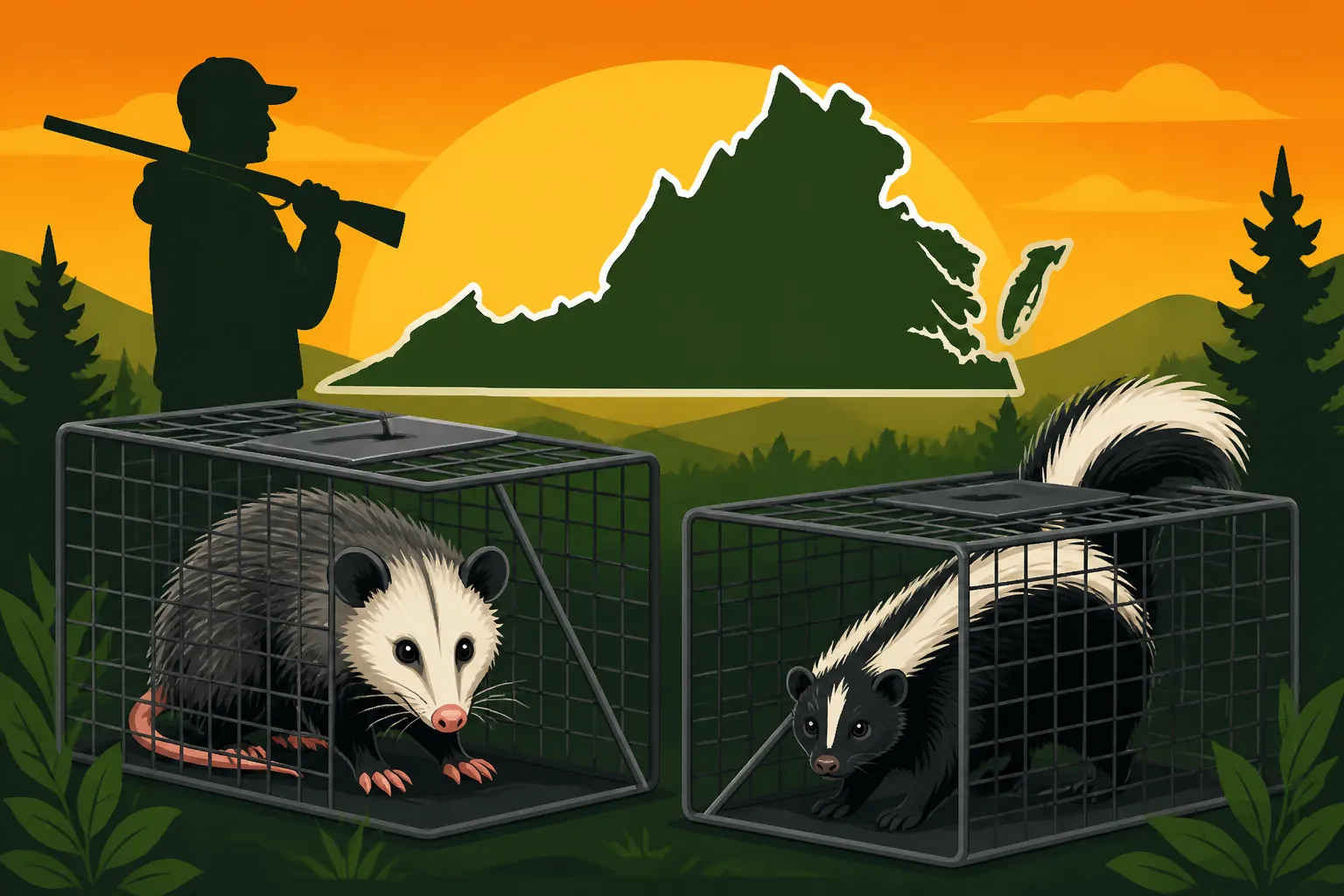
For opossums and skunks, the go-to choice for homeowners is almost universally a live trap, also known as a cage trap. These traps are designed to capture the animal unharmed, allowing you to deal with it humanely afterward. They come in various sizes, but for opossums and skunks, you'll want something sturdy, made of wire mesh, and large enough to comfortably contain the animal without injuring it. A trap that's approximately 10x12x32 inches is usually a good size. You don't want anything too small, as it could injure the animal or allow it to escape, and too large might make it less efficient.
Consider traps with a solid plate covering the top, or at least a portion of it. This isn't just for inclement weather; it can also help to shield you from a skunk's spray when you approach the trap. Some trappers even cover the entire trap with a tarp or blanket after setting it to provide a more secluded, inviting space for the animal and to help calm it once it's caught. When selecting a trap, look for reliable brands that offer durable construction and a sensitive trigger mechanism. The goal is a quick, clean capture.
Baiting Strategies for Opossums and Skunks
Bait is your primary tool for luring these opportunistic eaters into your trap. Both opossums and skunks are omnivores and aren't particularly picky, but some baits work better than others. For opossums, strong-smelling, fatty foods are excellent attractants. Think cat food (wet or dry), sardines, tuna fish, peanut butter, or even overripe fruit. A smear of peanut butter on a cracker often works wonders. They also love discarded sweets, so a stale donut or a piece of fruit might do the trick.
Skunks are also attracted to similar scents. Canned cat food, especially fish-flavored, is a top contender. Peanut butter, chicken scraps, or even cracked eggs can be highly effective. The key is to use something with a strong aroma that will travel and grab their attention. Place a small amount of bait inside the trap, just beyond the trigger plate, so the animal has to fully enter and step on the plate to reach it. You can also scatter a tiny bit of bait leading up to the trap entrance to pique their curiosity. Remember, fresh bait is always more appealing. Regularly checking and refreshing your bait, especially after a rainy night, can significantly improve your success rates.
Strategic Placement for Success
Where you place your trap is almost as important as the bait you use. Think about where you've seen the animals, or where you've noticed signs of their activity. Common hotspots include:
- Near trash cans: If they're raiding your garbage, put the trap right by the bins.
- Along fences or building foundations: These are natural travel corridors and potential denning sites.
- Under decks, sheds, or porches: If they're living there, place the trap near the entrance they're using.
- Garden edges: If they're destroying your vegetables, set the trap along the perimeter.
Look for fresh tracks, disturbed soil, or droppings that indicate recent activity. The animals are likely following established routes. Place the trap on a flat, stable surface so it won't rock or tip, which could spook an animal or prevent the trigger from working correctly. You might also consider securing the trap to a heavy object or stake it down to prevent the animal from dragging it away once caught.
If you suspect you have skunks, consider placing the trap in a location that's easy to approach with minimal disturbance, and where you can easily cover it with a blanket or tarp once an animal is caught. This might mean setting it near a wall or a dense bush, which can provide a bit of cover for you during retrieval. Using a platform like GoHunt to scout potential entry and exit points on your property can really hone your placement strategy. The goal is to make the trap seem like a natural part of their foraging path or a safe, intriguing new den site.
Handling and What to Do After a Catch
The moment you find an animal in your trap can be a mix of relief and apprehension. This is where safety, humane treatment, and adherence to Virginia's DWR guidelines become paramount. You've succeeded in the capture, now you need to follow through responsibly.
Safety First: Protecting Yourself from Bites and Sprays
First and foremost, approach any trapped animal with extreme caution. Opossums, while generally docile, can bite when cornered or frightened. Skunks, of course, are notorious for their potent spray, and even a live-trapped skunk can deploy its defense. The spray can reach several feet, and being hit directly in the face can cause temporary blindness, nausea, and an absolutely awful smell that's incredibly difficult to remove.
When approaching a live-trapped skunk, do so quietly and slowly. Cover the trap with a large blanket, tarp, or even a piece of cardboard before attempting to move it. This provides a sense of security for the animal, often calming it down, and also acts as a visual barrier, making it less likely to spray. Keep the covered trap low to the ground as you move it. Wear heavy gloves to protect against bites or scratches, and consider eye protection. It’s a good idea to have a plan for where you’re going to transport the animal before you even set the trap. Knowing the local regulations for Reporting a Sick Animal in Virginia is also crucial, especially if an animal appears disoriented or unwell.
Relocation or Humane Dispatch
Virginia has specific rules regarding the relocation of trapped wildlife. Generally, it is not legal to transport and release most wild animals onto private or public land without explicit permission from the landowner or the DWR. The reason for this is to prevent the spread of disease and to avoid simply shifting a nuisance problem from one area to another. Relocating an animal can also be highly stressful for the animal itself, often leading to a poor survival rate in an unfamiliar territory where food, water, and shelter are already established by other animals.
If relocation is not a legal or viable option, or if the animal is clearly sick or injured, humane dispatch may be the only remaining course of action. This is a responsibility that should not be taken lightly and must be done humanely and safely, typically by an experienced individual or a licensed pest control professional. If you are not comfortable or equipped to humanely dispatch an animal, contact your local animal control or a professional wildlife removal service. They have the knowledge, permits, and equipment to handle these situations in compliance with DWR regulations. Always double-check current DWR guidance, perhaps through a quick search on GoHunt or their official website, to ensure you are operating within the bounds of the law. You can also learn more about general small game rules in Virginia Small Game Season Rules.
Here's a quick comparison of opossums and skunks, which might help clarify some of their key traits:
| Feature | Opossum | Skunk |
|---|---|---|
| Primary Nuisance | Trash raiding, garden damage, denning | Digging, strong odor, denning, rabies |
| Diet | Omnivore, opportunistic scavenger | Omnivore, insects, grubs, small prey |
| Rabies Risk | Low (low body temperature) | High (common carrier) |
| Denning Habits | Adaptable, often under structures | Digs dens, often under structures |
| Defense | Hissing, playing dead, biting | Spraying musk, biting |
| Nocturnal? | Yes | Yes |
Remember, trapping is a tool to manage nuisance wildlife, not a solution for habitat issues. Once you've removed the animal, focus on exclusion techniques like securing trash cans, blocking off access points under structures, and removing outdoor food sources to prevent future issues. Running a Trapline in Rural Virginia might give you additional context on trapping strategies, but for nuisance animals, the focus is generally on immediate removal and prevention rather than long-term harvest.
Disclaimer
This article is for general informational purposes only and does not constitute professional advice. Laws, prices and regulations vary by location and change over time. Consult a qualified professional for guidance on your specific situation.