Virginia Feral Hog Regulations
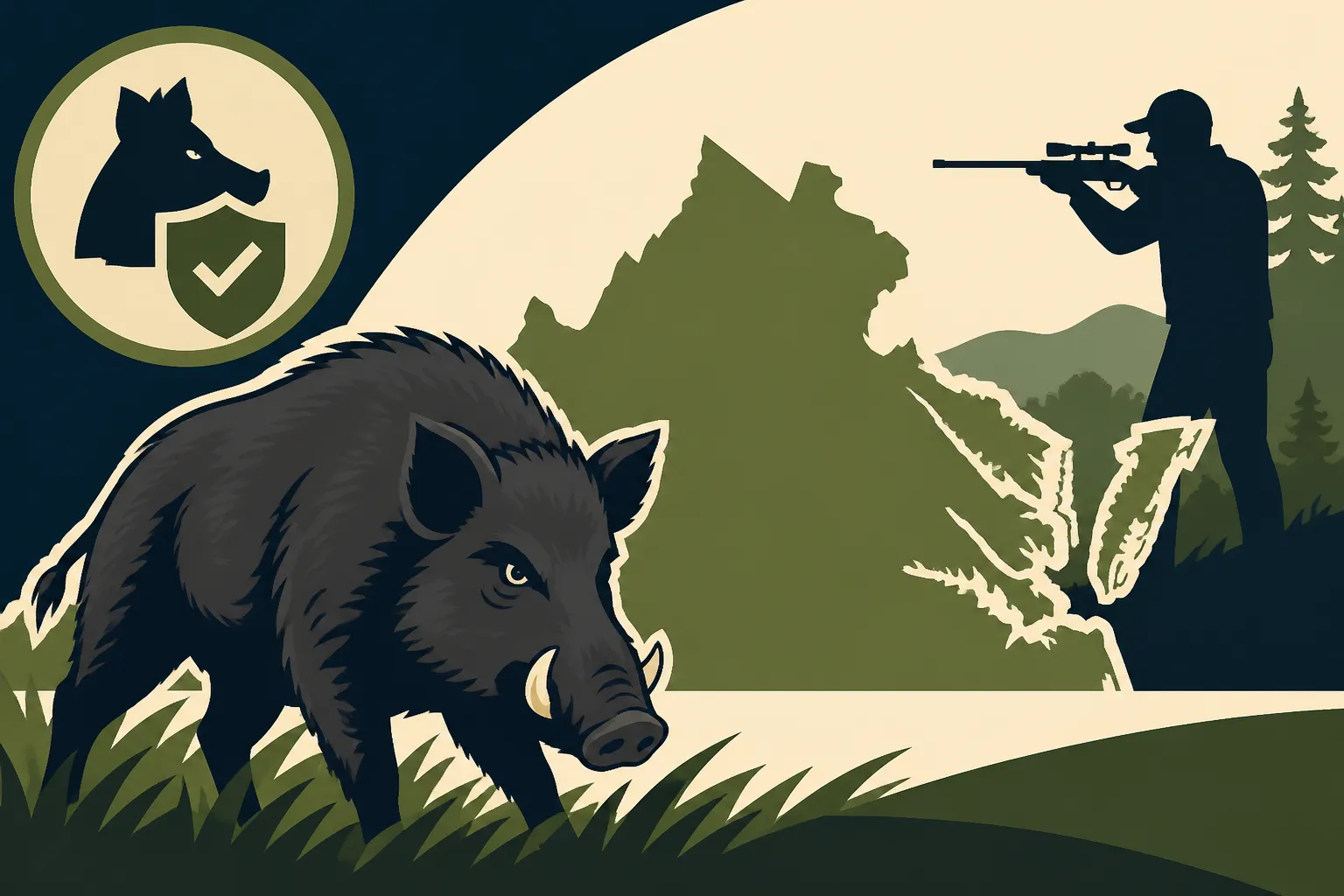
Navigating the world of feral hog regulations in Virginia can feel like trying to hit a moving target – these aren't your typical game animals, and the rules reflect that. Many hunters and landowners are understandably confused about what’s allowed when it comes to controlling these destructive invasives. This comprehensive guide is designed to cut through that confusion, giving you a clear, realistic understanding of Virginia's feral hog regulations so you can effectively and legally participate in their management.
Understanding the Feral Hog Problem in Virginia
Before we dive into the nitty-gritty of regulations, it’s crucial to understand why Virginia has such a unique approach to feral hogs. These aren't native wildlife, and their presence causes significant problems across the Commonwealth. They are an ecological menace and a costly agricultural pest, making their management a top priority for wildlife agencies and landowners alike.
The Growing Threat to Virginia's Ecosystems
Feral hogs, often referred to as wild pigs or wild hogs, are one of the most destructive invasive species in North America, and Virginia is certainly not immune to their impact. Their insatiable appetites and relentless rooting behavior turn healthy landscapes into lunar-like craters in a matter of days. Imagine a pristine forest floor, rich with native plants and the delicate root systems of young trees; a sounder of hogs can come through and completely decimate it, ripping up everything in their path in search of acorns, roots, and grubs. This isn't just an eyesore; it destroys critical habitat for native ground-nesting birds like wild turkeys and quail, and even impacts the food sources for deer and bears. They compete directly with native wildlife for vital resources, putting added pressure on species that are already facing challenges from habitat loss and fragmentation.
Beyond the immediate physical damage, these animals are also vectors for a host of diseases, posing a risk not only to Virginia’s wildlife but also to domestic livestock and even humans. Diseases like pseudorabies, brucellosis, leptospirosis, and trichinosis can be carried by feral hogs and spread to cattle, horses, and pets, leading to devastating economic losses for farmers. For instance, a local cattle farmer might unknowingly have his herd exposed to brucellosis from a feral hog, leading to reproductive issues and expensive testing or even culling of his livestock. This silent threat is often overlooked but represents a significant concern for agricultural communities and public health officials across the state. The sheer speed at which they can spread these pathogens through their travels and habits is truly alarming, making their presence a constant concern for everyone connected to the land.
Why Feral Hogs are Different from Wild Boar
It's common to hear the terms "feral hog" and "wild boar" used interchangeably, but in Virginia's context, and often scientifically, there are important distinctions. Virginia's feral hogs are primarily descendants of domestic pigs that either escaped or were released into the wild. Over generations, these animals have reverted to a wild state, developing thick coats, elongated snouts, and tusks that allow them to survive and thrive outside of human care. They retain much of the genetic makeup of Sus scrofa domesticus but have adapted remarkably well to the harsh realities of the wild.
True wild boars, on the other hand, are the ancestral European Sus scrofa species. While some areas of the United States have populations of "Euro-Russian" wild boar, often due to intentional introductions for hunting purposes in the past, the vast majority of Virginia's free-ranging swine population falls under the "feral hog" category. You might encounter hogs with characteristics of both, as interbreeding is common where European strains were introduced. The key takeaway for hunters and managers in Virginia is that whether they have more "wild boar" features or resemble domestic pigs, they are all treated as destructive feral swine under the law. Their rapid reproduction rates – with sows capable of having two litters of 6-12 piglets per year, starting as young as six months old – mean that even a small population can explode quickly, making their control an urgent and ongoing battle for the Virginia Department of Wildlife Resources (DWR).
The Legal Status of Feral Hogs in Virginia
Understanding the legal classification of feral hogs is perhaps the most critical piece of information for anyone looking to hunt them in Virginia. They are not treated like deer, turkeys, or bears, and this fundamental difference dictates almost every aspect of how they can be pursued. This status is what makes them such a unique challenge and opportunity for hunters.
Classified as Nuisance Species, Not Game Animals
Unlike deer, bear, or turkey, feral hogs in Virginia are officially classified by the Virginia Department of Wildlife Resources (DWR) as a "nuisance species." This is a crucial distinction that underpins all the regulations, or lack thereof, surrounding their hunting. When a species is labeled a nuisance, it means they are considered detrimental to the environment, agriculture, or public safety, and their removal is encouraged rather than managed through traditional hunting seasons and bag limits. Think of them more like rats or destructive varmints than a treasured game animal. This classification means there's a different philosophy at play: the goal isn't conservation or maintaining a healthy population, but rather reduction and, ideally, eradication.
Because they are not classified as game animals, many of the restrictions you'd typically associate with hunting in Virginia simply don't apply. There are no closed seasons, no bag limits, and often more flexibility in the methods you can use. This stands in stark contrast to hunting regulated species. For instance, you wouldn't dream of hunting white-tailed deer out of season, or taking more than your prescribed limit of antlered bucks, which is strictly enforced and varies between regions, like the rules found in the guide to East Versus West of the Blue Ridge Bag Limits. But with feral hogs, the message is clear: if you see them, and you're within the legal parameters (which we'll get into), you're encouraged to remove them. This proactive approach is a direct response to the severe damage these animals inflict, and it shifts the responsibility of control to anyone who is willing and able to help.
Virginia's Year-Round Hog Rule on Private Land
One of the most significant implications of the "nuisance species" classification is the "year-round hog rule," particularly as it applies to private land. The DWR explicitly states that there is no closed season and no bag limit for feral hogs on private property. This means that if you have permission from a landowner, you can hunt feral hogs 365 days a year, 24 hours a day, using a wide array of legal methods. This freedom is practically unheard of for any other species in the Commonwealth, highlighting the urgency of the problem. Landowners are often desperate for help, as hogs can destroy crops, pastures, and timberland with alarming speed, impacting their livelihoods directly.
For a private landowner, this means they don't have to wait for a specific hunting season to address a hog problem. If a sounder is tearing up a cornfield in July or rooting through a soybean field in January, they can authorize hunters to remove those animals immediately. This flexibility is invaluable for preventing widespread damage. However, always remember the golden rule: you must have permission from the landowner. A simple verbal agreement might suffice, but it's always best practice to get written permission, especially if you plan to hunt repeatedly or if you're hunting on land you don't own. This not only protects you legally but also fosters a good relationship with the property owner. You can learn more about securing access in our guide on Getting Private Land Permission in Virginia. This freedom on private land is a cornerstone of Virginia's strategy to combat the spread and impact of feral hogs.
General Hunting Regulations for Feral Hogs
While the "nuisance species" status grants significant freedom, there are still foundational regulations that apply to all hunting activities in Virginia. Understanding these ensures that even when pursuing hogs, you're doing so safely and legally, without running afoul of general hunting laws.
No Closed Season or Bag Limits
Let's reiterate one of the most liberating aspects of feral hog hunting in Virginia: there is absolutely no closed season and no bag limit. This means you can pursue them every single day of the year, and you can take as many as you encounter. For those accustomed to the carefully structured seasons and strict limits for deer, turkey, or bear, this can feel like a game-changer. Imagine seeing a group of hogs tearing up a food plot in the middle of summer when deer season is months away; with hogs, you can act immediately, provided you have the necessary licenses and permission.
This "open season, unlimited take" policy is a direct reflection of the DWR's strategic goal: eradication or at least severe reduction of feral hog populations, not sustainable harvest. Unlike game animals where management aims to balance population health with hunter opportunity, every feral hog removed is considered a win for Virginia's native ecosystems and agricultural interests. This approach means that hunters are viewed as partners in conservation, actively contributing to pest control. It liberates hunters from the typical constraints, allowing for opportunistic hunting whenever and wherever hogs are present and legal to pursue. This freedom often allows for quick responses to new hog incursions, preventing them from establishing a foothold and reproducing rapidly, which is critical in the ongoing battle against their spread.
License Requirements for Feral Hog Hunting
Even though feral hogs are nuisance animals, if you are hunting them (as opposed to trapping, which has different considerations), you still generally need a valid Virginia hunting license. The specific license you need will depend on your residency status and the methods you employ. For most residents, a basic Virginia Hunting Licenses and What They Cost will cover you. If you plan to hunt hogs concurrently with deer or bear season, for example, you'd also need the appropriate big game license or a comprehensive hunting package that includes it. It's crucial to remember that while the hog itself doesn't require a special tag, the act of hunting typically requires a general hunting license.
For example, if you're out bowhunting for deer during the statewide archery season and a feral hog walks by, you would be covered by your general hunting license and big game license to take that hog. However, if you are specifically going out to hunt hogs in July with a rifle, you would still need your basic Virginia hunting license. The DWR's stance is that anyone engaging in hunting activities must meet the baseline licensing requirements for their own safety and for proper game management oversight, even when the target is a nuisance species. Non-residents will also need to ensure they have the correct non-resident hunting licenses. Always double-check the latest DWR regulations or use a reliable platform like GoHunt to confirm the current licensing requirements before heading afield, as these can sometimes be updated.
Sunday Hunting and Feral Hogs
Sunday hunting in Virginia has historically been a complex and often restrictive topic, but recent legislative changes have expanded opportunities. When it comes to feral hogs, the rules have always been a bit more flexible due to their nuisance status. On private lands, Sunday hunting for feral hogs is generally permissible, provided you have the landowner's permission. This is a significant advantage for those who are typically limited to weekend hunting opportunities and want to maximize their time in the field managing these destructive pests.
However, the situation on public lands can be different and requires careful attention. While the general trend has been towards expanding Sunday hunting, specific public land areas, such as certain Virginia Wildlife Management Areas, might still have restrictions on Sunday hunting for all species, including hogs. It is absolutely critical to consult the specific regulations for any public land you plan to hunt, whether it's a WMA or National Forest. Don't assume that because Sunday hunting is allowed for hogs on private land, it automatically extends to public property. Always check the DWR's public land regulations or use your GoHunt app to get specific details for the area you intend to visit. Ignorance of the law is never an excuse, and you wouldn't want a productive hog hunt to end with a citation because you failed to verify the local Sunday hunting rules.
Specific Methods and Equipment Allowed
The "nuisance species" classification also extends to the methods you can use to hunt feral hogs, offering a much broader range of tools than for traditional game animals. This flexibility is key to effective hog control, as these animals are notoriously intelligent and adaptable.
Legal Firearms, Archery, and Muzzleloader Use
When it comes to the tools of the trade for feral hog hunting in Virginia, the good news is that hunters have a wide array of options at their disposal. The DWR allows the use of any legal firearm, archery equipment, or muzzleloader for hunting feral hogs. This broad allowance means you aren't restricted to specific calibers or bow types, which is often the case when hunting deer or bear. You can use your favorite deer rifle, a shotgun loaded with slugs, or even a .223 if you prefer, as long as it's legal for general hunting purposes in Virginia. This flexibility allows hunters to utilize equipment they are already proficient with, increasing their effectiveness and safety.
For instance, if you're passionate about Bowhunting Virginia's Statewide Archery Season, your compound bow or crossbow is perfectly legal for hogs, regardless of whether it's during deer season or in the middle of summer. Similarly, if you enjoy Muzzleloader Deer Hunting in Virginia, you can take your smoke pole out for hogs without issue. This freedom to choose your weapon means you can tailor your approach to the specific hunting scenario, whether you're trying to take a hog at a distance across a field or from a treestand in dense timber. The key is to ensure your chosen equipment is used safely and responsibly, and that you're always mindful of shot placement to ensure a quick, humane harvest.
Night Hunting Hogs With Lights on Private Land
This is where feral hog regulations really diverge from conventional hunting. Virginia explicitly permits night hunting for feral hogs on private land, provided you have written permission from the landowner. Furthermore, you can use artificial lights, including spotlights and thermal or night vision devices, to aid in your hunt. This is a critical provision because feral hogs are often most active during nocturnal hours, especially in areas with significant human disturbance during the day. Their crepuscular and nocturnal habits are a major reason why traditional daytime hunting often struggles to keep their numbers in check.
Imagine a scenario where hogs are devastating a farmer's soybean crop. During the day, they might be bedded down deep in the thickest cover, almost impossible to approach. But as dusk falls, they emerge to feed. With the ability to hunt at night using a powerful spotlight or a thermal scope, hunters can significantly increase their success rates. This method requires extreme caution and careful planning, as shooting at night comes with inherent risks. Always be 100% certain of your target and what lies beyond it. This advanced capability to hunt Night Hunting Hogs With Lights on Private Land offers a powerful tool for landowners and hunters serious about making a dent in local hog populations. It’s an effective strategy, but one that demands an even higher degree of safety and responsibility than daytime hunting.
Trapping Virginia Feral Hogs
While hunting with firearms and archery equipment is popular, the DWR and wildlife experts often emphasize that trapping is the single most effective method for controlling feral hog populations. Hogs are highly intelligent and often become wary of direct hunting pressure. Trapping allows for the removal of entire sounders (groups of hogs) at once, making it a much more efficient strategy for significant population reduction. Virginia's regulations are quite permissive when it comes to Trapping Virginia Feral Hogs on private land.
Hunters and landowners can use various types of traps, most commonly large corral traps that can hold multiple hogs. Baiting with corn or other attractants is a common practice to lure hogs into the trap. There are no specific permits required for trapping hogs on private land beyond the general landowner permission. However, anyone engaged in trapping should be familiar with general trapping best practices, including checking traps regularly to ensure humane treatment of any captured animals, whether they be hogs or non-target species. This method requires dedication and patience, but it offers the best chance at removing a large number of hogs and truly impacting their local population. The DWR encourages this systematic removal approach due to its proven efficacy compared to sporadic hunting efforts.
Private Land Versus Public Land Hog Hunting
The distinction between hunting on private land and public land is paramount for any hunting activity in Virginia, but it's especially nuanced when it comes to feral hogs. The flexibility afforded on private land for nuisance species does not automatically extend to public hunting areas.
The Permissive Nature of Private Land Hunting
Hunting feral hogs on private land in Virginia offers the most flexibility and opportunity, primarily because of their nuisance species classification and the direct control landowners have over their property. As long as you have the explicit permission of the landowner, you can hunt hogs year-round, day or night (with lights, thermal, or night vision if desired), using almost any legal hunting weapon. This level of freedom is a significant advantage for those looking to effectively reduce hog numbers on specific properties. Landowners who are suffering from crop damage, pasture destruction, or habitat degradation often welcome hunters who are willing to help mitigate the problem.
This permissive environment allows for tailored strategies that might not be feasible elsewhere. For example, if a landowner has a specific area where hogs are consistently rooting, they can set up feeders or bait sites to concentrate the hogs for easier removal. They can implement ongoing trapping programs or coordinate multiple hunters for comprehensive efforts. However, with this freedom comes responsibility. It's not just about getting permission; it's about maintaining a good relationship with the landowner by being respectful of their property, following all safety protocols, and being mindful of their wishes. Always clarify the scope of your hunting activities, including where you can drive, park, and how you should dispose of carcasses. A friendly and responsible hunter is a welcome asset to any landowner dealing with the relentless challenge of feral hogs.
Restrictions and Opportunities on Virginia Public Lands
Hunting feral hogs on Virginia's public lands, such as Wildlife Management Areas (WMAs) and National Forests, operates under a different set of rules compared to private land. While hogs are still classified as a nuisance species and generally do not have closed seasons or bag limits on public land, hunters must adhere to the specific regulations governing that particular public property. These regulations are designed to manage general hunting pressure, ensure public safety, and protect other wildlife resources, and they override the more permissive private land rules for hogs.
For instance, while you can hunt hogs at night with lights on private land, this is generally not allowed on most public lands. Similarly, restrictions on baiting, the use of certain types of vehicles, or even the placement of trail cameras might apply more strictly on public areas like the George Washington National Forest Hunting or various DWR WMAs. Hunters on public lands also need to be aware of concurrent hunting seasons for other game species. If you're hog hunting on a WMA during general firearms deer season, you still must comply with all blaze orange requirements and other safety protocols that apply to deer hunters. Access to public lands often requires a Virginia WMA Access Permit, even if your hunting license is valid. Before you head out, always consult the DWR's annual regulations digest and the specific rules posted for the WMA or National Forest you plan to visit. Using the DWR's online map tools or apps like GoHunt can help you pinpoint specific regulations for various Virginia Wildlife Management Areas. While public lands offer opportunities, they demand a higher degree of diligence to ensure compliance with all applicable rules.
Feral Hog Removal as a Management Tool
The DWR's approach to feral hogs isn't just about allowing hunters to take them; it's about active management and ultimately, population control. Every hog removed is a step toward protecting Virginia's natural resources and agricultural economy.
Collaborative Efforts for Population Control
Effectively managing feral hog populations in Virginia is a monumental task that goes beyond individual hunting efforts. It requires a collaborative, multi-faceted approach involving state agencies, federal partners, landowners, and hunters. The Virginia Department of Wildlife Resources (DWR) plays a central role, often working with federal agencies like the USDA Wildlife Services, which has expertise and resources for large-scale eradication efforts. These partnerships are crucial because hogs don't respect property lines; a sounder can move across vast areas, making localized control difficult without broader cooperation.
For instance, the DWR might engage in targeted trapping operations in areas identified as hog hotspots, using specialized large-scale traps that can capture entire sounders. They also conduct surveillance and monitoring to track hog movements and distribution, which helps inform where management efforts should be focused. Hunters are vital partners in this larger strategy. By removing individual hogs or even small groups, hunters reduce local pressure and contribute valuable data when they report their harvests. This collaborative ecosystem of management acknowledges that no single entity or method can solve the problem alone; it's a constant, coordinated effort to keep these destructive animals in check.
Why Aggressive Action is Necessary
The need for aggressive action against feral hogs cannot be overstated. Their biological characteristics make them incredibly difficult to control once established. As previously mentioned, their rapid reproductive rate means that even if 70% of a population is removed in a year, the remaining 30% can quickly rebound, sometimes even exceeding their original numbers. This exponential growth makes eradication an incredibly challenging, if not impossible, goal in areas where they are firmly established. The current strategy, therefore, focuses on containment, reduction, and preventing new infestations.
The damage caused by feral hogs is not just an aesthetic issue; it has real, tangible economic and ecological consequences. Farmers face hundreds of thousands of dollars in crop losses annually, not to mention the costs associated with repairing fences, dealing with soil erosion, and managing disease risks. Ecologically, they outcompete native species for food, destroy sensitive habitats, and disrupt natural processes. Without aggressive and sustained action from all stakeholders, including hunters who are willing to participate in their year-round removal, Virginia's feral hog problem would undoubtedly spiral further out of control, leading to irreparable damage to the Commonwealth's natural heritage and agricultural backbone.
Reporting and Carcass Disposal Guidelines
Once a feral hog has been harvested, the hunter's responsibilities don't end there. Proper reporting, though often voluntary, is helpful, and responsible carcass disposal is absolutely critical for preventing disease spread and maintaining public health.
Voluntary Reporting to DWR
While not mandatory like reporting a deer or turkey harvest, the Virginia Department of Wildlife Resources highly encourages hunters and trappers to voluntarily report any feral hogs they remove. This data is incredibly valuable for the DWR's ongoing management efforts. Each reported hog provides vital information about their distribution, population trends, and the effectiveness of control measures. By simply noting the location, date, and number of hogs taken, you contribute to a larger understanding of the problem across the state.
Think of it as community science: every piece of information helps paint a clearer picture. This voluntary reporting can be done through the DWR's website or sometimes through specific survey tools they might implement. While it might seem like a small detail in the moment, your reported data helps DWR biologists identify new areas of concern, track the movement of established sounders, and allocate resources more effectively. So, after a successful hunt, take a few moments to help the DWR out; it benefits everyone in the long run.
Responsible Carcass Disposal to Prevent Disease Spread
This is perhaps one of the most critical aspects of feral hog removal. Improper carcass disposal can inadvertently contribute to the spread of diseases and even attract more hogs or other scavengers to an area. Given that feral hogs can carry a range of pathogens, from brucellosis to pseudorabies and even Chronic Wasting Disease (CWD) if they've interacted with deer in a Virginia's Four Chronic Wasting Disease Areas, responsible disposal is paramount for public health, livestock safety, and wildlife management.
The DWR recommends several methods for proper carcass disposal:
- Burying: If possible, bury the carcass deeply enough (at least 2-3 feet) to prevent scavengers from digging it up. This is usually the preferred method on private land.
- Burning: For multiple hogs or in areas where burying is impractical, burning the carcass can be an effective way to eliminate pathogens and reduce attractants. Always be mindful of local fire regulations and safety.
- Transport: If you must transport the carcass, ensure it is done in a contained manner to prevent fluids or parts from contaminating public roads or other properties. Avoid taking carcasses to landfills where they could potentially expose other animals or even spread diseases if not properly contained.
- Avoid Waterways: Never dispose of carcasses in or near streams, rivers, or other waterways. This can contaminate water sources and spread disease downstream.
By taking these precautions, hunters and landowners play a vital role in preventing secondary problems associated with feral hog removal. It's not enough to just take the hog; how you handle the aftermath is just as important for protecting Virginia's environment and health.
Staying Up-to-Date on Virginia's Feral Hog Rules
Given the dynamic nature of nuisance species management, staying informed is not a one-time task. Regulations can and do change, and what was permissible last year might have new nuances this year.
Consulting Official DWR Resources
The absolute best and most reliable source for current Virginia feral hog regulations, or any hunting regulations for that matter, is the Virginia Department of Wildlife Resources (DWR) itself. Their website is a treasure trove of information, offering the most up-to-date regulations digest, specific county rules, and news releases regarding changes to policies. While online resources and fellow hunters can offer valuable insights, always cross-reference with the official DWR site to ensure accuracy. Relying on outdated or anecdotal information can lead to unintentional violations.
The DWR's annual hunting and trapping regulations digest is published well before hunting seasons begin and is available both online and in print at license vendors. This document outlines everything from Virginia Deer Season Structure Explained to specific rules for different public lands. It's your ultimate go-to guide. Furthermore, many hunters find applications like GoHunt incredibly useful for quickly accessing digitized versions of these regulations, mapping public lands, and checking area-specific rules right from their smartphone. It serves as a convenient way to keep essential information at your fingertips, especially when you're in the field and need to confirm a specific rule or boundary. Always remember, the DWR is the definitive authority.
The Dynamic Nature of Nuisance Species Management
It's important to understand that the rules surrounding nuisance species like feral hogs are not static. They can evolve based on new scientific research, population changes, the spread of diseases, legislative actions, or even shifts in public land management strategies. For example, if a specific disease like African Swine Fever (ASF) were to become a significant threat in North America, you could anticipate swift and potentially drastic changes to how feral hogs are managed, including stricter carcass disposal rules or enhanced reporting requirements.
Local ordinances can also sometimes add another layer of complexity, particularly in urban-adjacent areas where specific firearm discharge setbacks or noise restrictions might apply. This means that staying truly informed is an ongoing process. Subscribing to DWR newsletters, regularly checking their website, and perhaps following relevant hunting forums can help you stay abreast of any changes. Organizations like GoHunt also do an excellent job of distilling and presenting these changes in an accessible format. The proactive hunter is the successful hunter, and in the case of feral hogs, staying updated is crucial not just for compliance, but for effectively contributing to their control in Virginia.
Summary of Virginia Feral Hog Regulations
To quickly recap the most important aspects of hunting feral hogs in Virginia, here's a table summarizing the key regulations:
| Regulation Aspect | Private Land (with landowner permission) | Public Land (DWR WMAs, National Forests, etc.) |
|---|---|---|
| Legal Status | Nuisance Species | Nuisance Species |
| Season | Year-round (No Closed Season) | Year-round (No Closed Season) |
| Bag Limit | Unlimited | Unlimited |
| License | General VA Hunting License required | General VA Hunting License required (+ WMA Access Permit on WMAs) |
| Methods | Any legal firearm, archery, muzzleloader | Any legal firearm, archery, muzzleloader (check specific WMA/NF rules) |
| Night Hunting | Permitted with artificial lights/thermal | Generally NOT Permitted (check specific WMA/NF rules) |
| Trapping | Permitted (no special permit) | Generally NOT Permitted (check specific WMA/NF rules, or DWR/USDA use only) |
| Sunday Hunting | Permitted | Varies by public land; check specific rules |
| Baiting | Permitted | Generally NOT Permitted (check specific WMA/NF rules) |
| Reporting | Voluntary, but encouraged | Voluntary, but encouraged |
| Carcass Disposal | Bury/Burn deeply, avoid waterways | Bury/Burn deeply (where permitted), avoid waterways |
This table provides a quick reference, but remember, the detailed explanations above and official DWR sources should always be your ultimate guide. When in doubt, always err on the side of caution and consult the DWR.
Disclaimer
Please be advised that hunting regulations can change. While every effort has been made to provide accurate and up-to-date information, it is the individual hunter's responsibility to review and comply with all current Virginia Department of Wildlife Resources (DWR) regulations before engaging in any hunting activities. This guide is for informational purposes only and does not constitute legal advice. Always consult the official DWR regulations digest and any specific public land rules for the most current and authoritative information.