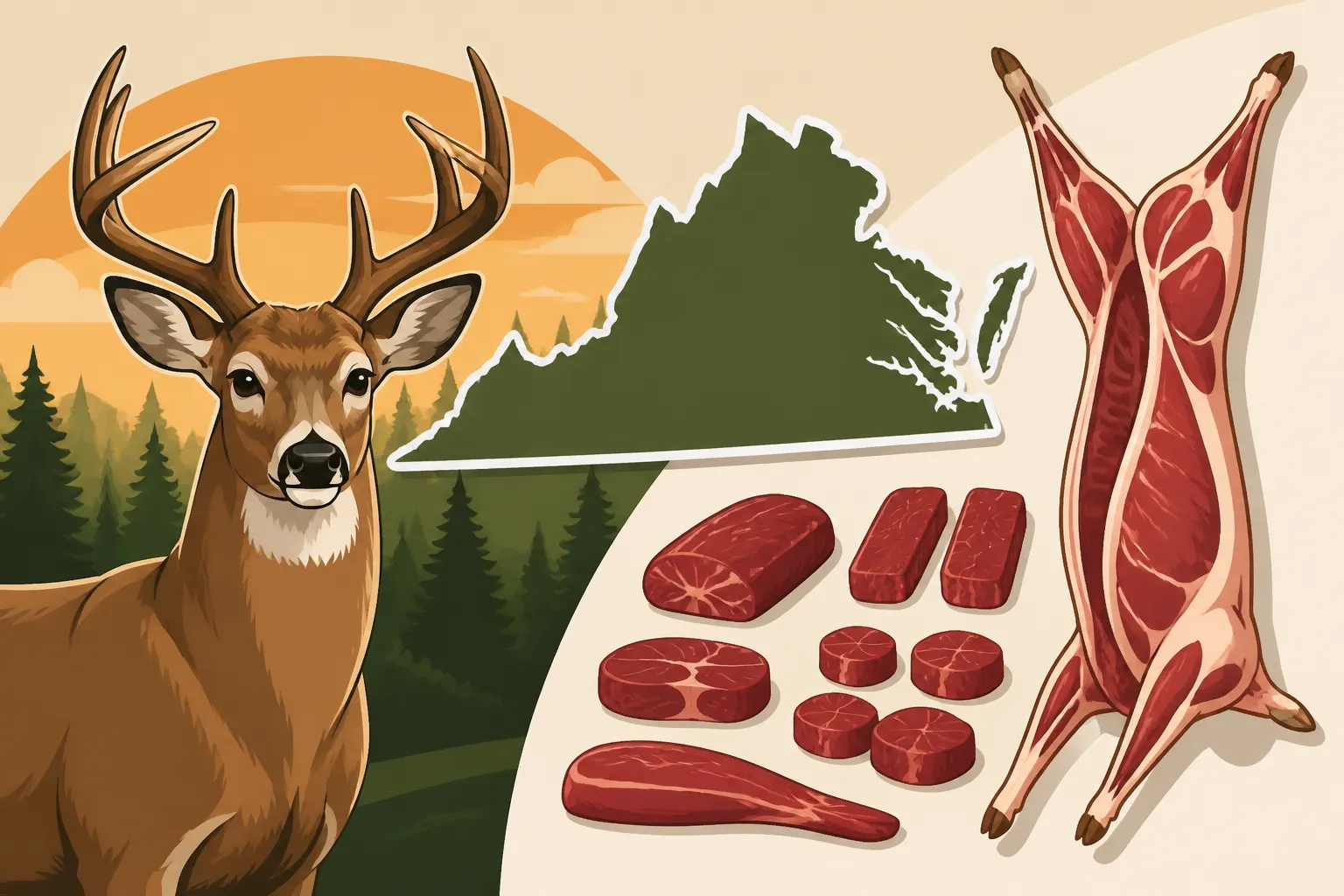
Deer Meat Yield From a Virginia Buck
One of the most common questions on a hunter's mind after a successful harvest, especially when it's a magnificent Virginia buck, isn't just about the rack, but about what truly matters for the dinner table: how much usable venison will I actually get from this animal? It's a question that can lead to a lot of speculation and sometimes disappointment if expectations aren't managed. This guide will meticulously break down the factors that influence deer meat yield, help you estimate what to expect from your Virginia buck, and provide practical strategies to maximize every valuable ounce from the field to your freezer.
Understanding the Factors Influencing Deer Meat Yield
The journey from a living, breathing Virginia buck to neatly packaged cuts of venison in your freezer involves several stages, each with its own reduction in weight. It's a common misconception that a 150-pound deer will yield 150 pounds of meat. The reality is far different, and understanding the various factors at play is crucial for managing expectations and appreciating the true bounty of your harvest.
Live Weight vs. Dressed Weight vs. Processed Yield
Let's clear up some terminology first, because these terms are often used interchangeably, leading to confusion.
- Live Weight (or On-the-Hoof Weight): This is the deer's weight as it stands, fully intact, before any processing. It includes everything: blood, guts, hide, head, legs, and bones. A healthy mature Virginia buck might weigh anywhere from 150 to over 200 pounds on the hoof, especially in the fertile Piedmont.
- Dressed Weight (or Field-Dressed Weight): This is the weight of the deer after it has been field-dressed, meaning the internal organs (viscera) have been removed. This step is usually done immediately after the kill to facilitate cooling and prevent spoilage. Generally, field dressing removes about 20-30% of the live weight. So, that 150-pound live weight buck might now weigh closer to 105-120 pounds.
- Processed Yield (or Boneless Meat Yield): This is the final weight of the actual, boneless, table-ready meat you'll take home. This is after the hide, head, lower legs, and all bones have been removed, along with any significant fat, gristle, or damaged meat. This is the number most hunters are truly interested in, and it's always significantly less than both live and dressed weight. This final yield is typically 50-70% of the dressed weight, or roughly 25-40% of the live weight.
So, if you harvest a stout 180-pound live weight buck, you might expect a dressed weight of 126-144 pounds. From that, you're realistically looking at 60-100 pounds of boneless meat, depending on numerous factors we'll explore. It's a significant reduction, but it's important to remember that every ounce is hard-earned, natural protein.
Age and Health of the Buck
The age and overall health of the buck you harvest play a massive role in the final meat yield, and not just in terms of sheer size.
- Younger Bucks: A yearling buck, say 1.5 years old, might offer very tender meat, but the overall volume will be less because their muscle development isn't fully mature. While they might be physically large for their age, they still have a higher proportion of bone and less dense muscle compared to a fully mature animal. The meat from these younger animals often has a milder flavor, which some hunters prefer.
- Mature Bucks: A 3.5-year-old or older buck, especially those thriving in food-rich areas like the Virginia Piedmont or Shenandoah Valley, will typically yield more meat. Their muscle mass is denser, their bone structure is fully developed, and they often carry more fat reserves (though deer fat isn't typically desirable for consumption). However, meat from older bucks can sometimes be tougher and have a stronger "gamey" flavor, particularly if they've been heavily involved in the rut. A buck that has been chasing does relentlessly during the peak of the rut, like those encountered when Hunting the Virginia Rut in November, might have lost a significant amount of body fat and muscle, reducing their overall yield and potentially affecting meat quality.
- Overall Health: A healthy, well-nourished deer will always yield more high-quality meat than a deer that has been struggling. Deer in areas with good food sources, such as agricultural fields or diverse hardwood forests, tend to be heavier and carry more muscle. Conversely, a deer suffering from disease, injury, or malnutrition will have less muscle mass and potentially lower quality meat. It's vital to inspect any harvested animal for signs of illness or injury, and if you have concerns, refer to resources like "Virginia's Four Chronic Wasting Disease Areas" to understand reporting requirements and handling procedures in affected regions.
Shot Placement and Meat Damage
This is perhaps one of the most critical factors within your control. A clean, ethical kill not only minimizes suffering for the animal but also preserves the most meat.
- Ideal Shot Placement: A shot through the vitals (heart and lungs) typically results in minimal meat damage. The bullet or arrow passes through the chest cavity, avoiding major muscle groups in the shoulders or hindquarters. While you might lose a small amount of rib meat or some tissue around the entry/exit wounds, the bulk of the prime cuts remain intact. For bowhunters, precise shot placement is paramount to a quick kill and minimal damage, as discussed in Bowhunting Virginia's Statewide Archery Season.
- Shoulder or Leg Shots: Shots that hit the shoulder blade or upper leg can absolutely devastate large portions of valuable meat. The bone shatters, sending fragments through the surrounding muscle, and the force of the projectile can create a large wound channel, turning what would be roasts and steaks into ground meat or even unusable scraps. Recovering a deer shot in these areas often means heavy trimming and significant loss.
- Gut Shots: While not typically leading to as much physical meat destruction from the projectile itself, a gut shot deer introduces a host of other problems. Stomach contents can contaminate the meat, leading to spoilage and a foul odor if not meticulously cleaned and trimmed immediately. This often requires much more aggressive trimming than a clean shot, reducing the overall yield of high-quality meat. Sometimes, in these unfortunate situations, even recovering the deer can be a challenge, requiring diligent tracking, perhaps even Blood Trailing After Dark in Virginia.
Strive for precision, always. A little extra time spent aiming correctly can save many pounds of venison.
Estimating Your Virginia Buck's Potential Yield
Having a realistic expectation of how much meat you'll bring home can help with meal planning and prevent disappointment. While every deer is different, some reliable methods and rules of thumb can help you estimate your take.
Field Dressing and Initial Weight Reduction
The first step in estimating your yield begins right after the shot with proper field dressing. This process immediately reduces the deer's overall weight and, more importantly, stops the degradation of the carcass by removing the warm internal organs.
- The Process: Field dressing involves carefully opening the body cavity and removing the entire viscera package. This includes the stomach, intestines, liver, heart, and lungs. While it might seem daunting at first, practicing this skill is invaluable. Remember to wear gloves and be mindful of sharp edges on your field dressing knife. For those hunting in colder conditions, learning about Field Dressing a Deer in Cold Weather is particularly helpful, as cold slows bacterial growth.
- Weight Loss: As mentioned, field dressing typically accounts for 20-30% of the live weight. For a 150-pound buck, removing the guts alone could mean a 30-45 pound reduction. This is a significant portion, but it's essential for preserving the quality of the remaining meat. The exact percentage depends on the deer's diet, hydration, and whether it was an older, heavier-boned animal or a younger, lighter one. Many hunters use their personal experience with their local herd – perhaps based on harvest reports from their region, like those compiled on platforms such as GoHunt – to fine-tune this estimate.
The "Rule of Thumb" for Virginia Whitetails
While every deer is unique, there's a widely accepted "rule of thumb" in the hunting community to roughly estimate boneless meat yield.
- Calculating from Live Weight: A good estimate for boneless meat yield is usually around 25-40% of the live weight. So, if you manage to weigh your buck whole (which isn't always practical in the field), you can take that number and multiply by 0.25 to 0.40. For example, a 160-pound live weight buck might yield between 40 and 64 pounds of boneless meat.
- Calculating from Dressed Weight: If you can get a dressed weight (which is much more feasible, often with a simple scale), multiply that number by 50-70%. So, a 120-pound dressed weight buck could give you 60-84 pounds of boneless meat. This is often the more reliable method for field estimation.
Here’s a simple table to give you a clearer picture of expected yields from bucks of varying sizes:
| Estimated Live Weight (lbs) | Estimated Dressed Weight (lbs) | Estimated Boneless Meat Yield (lbs) | Notes |
|---|---|---|---|
| 100 (Small Yearling) | 70-80 | 35-56 | Less muscle mass, but very tender. |
| 130 (Average 2.5-year-old) | 90-105 | 45-74 | Good balance of tenderness and yield. |
| 160 (Mature Piedmont Buck) | 110-130 | 55-91 | Dense muscle, often good fat reserves. |
| 190 (Large Mountain Buck) | 130-150 | 65-105 | Peak yield, potentially tougher meat if old and rut-worn. |
These are approximate figures. Actual yield can vary significantly based on factors like shot placement, processing method, and the individual deer's condition.
Bone-In vs. Boneless Processing
How you choose to process your deer will also directly impact the final weight you take home, even if it's the same amount of actual muscle.
- Boneless Processing: This is the most common method for venison, especially if you're sending it to a professional butcher. All bones are removed, leaving only the muscle and desirable cuts. This results in a lighter overall package weight but a higher concentration of pure meat. It’s ideal for long-term storage and easier cooking. Most of the yield percentages mentioned above assume boneless processing.
- Bone-In Processing: Some hunters prefer certain cuts bone-in, like backstraps with rib bones attached or certain roasts. While this technically means you're taking home more "weight," a significant portion of that weight is bone, not edible meat. It can add flavor during cooking, but it takes up more freezer space and requires different carving techniques after preparation. Be aware that specific regulations, such as those related to Virginia's Four Chronic Wasting Disease Areas, might restrict the movement of certain bone-in parts from affected zones to prevent the spread of CWD. Always check current Virginia DWR guidelines.
Ultimately, boneless processing offers the most efficient use of freezer space and provides the most convenient cuts for cooking, which is why it's the standard for calculating "meat yield."
Maximizing Your Meat Yield from the Field to the Freezer
Every hunter wants to get the most out of their harvest. Beyond a good shot, there are several steps you can take from the moment the deer hits the ground until the meat is sealed in your freezer to ensure maximum yield and quality.
Prompt Field Care and Cooling
This step is arguably the most critical for meat quality, especially in Virginia's often warm early hunting seasons. Bacteria thrive in warmth, and quick cooling is your best defense against spoilage.
- Immediate Field Dressing: As soon as you recover your buck, begin field dressing. The sooner internal organs are removed, the faster the carcass can cool. This is especially true for those hunting during Virginia's Statewide Archery Season in late September or October when temperatures can still be quite warm.
- Rapid Cooling: Once field-dressed, the goal is to cool the carcass as quickly as possible.
- Airflow: Hang the deer in a shaded, well-ventilated area, if possible. Prop open the chest cavity with a stick to allow air to circulate.
- Ice: If temperatures are above 40°F (4°C), pack the chest cavity with ice, especially if you have a long drive ahead or can't hang the deer immediately. Regularly check and replace melted ice. This is particularly crucial for hunts on the Eastern Shore, where early season temperatures can remain high.
- Skinning: While skinning immediately helps with cooling, if you're transporting the deer through public areas, you might want to wait until you get to your processing location. However, if the weather is warm and you can get it skinned quickly in a clean environment, do so.
- Cleanliness: Always strive for cleanliness during field dressing. Avoid getting dirt, leaves, or stomach contents on the meat. Carry clean towels or paper towels for wiping.
Proper and prompt field care can make the difference between prime venison and an unpleasant experience.
Skillful Butchering and Trimming
Whether you butcher your own deer or take it to a professional, the skill and attention to detail during this phase directly impact your final meat yield.
- Sharp Tools: A set of sharp butchering knives is essential. Dull knives tear meat, make cuts imprecise, and can lead to more waste. Just like a sharp broadhead makes for a clean kill, sharp knives make for clean cuts that maximize yield.
- "De-boning" Technique: Learning to skillfully remove meat from the bone without leaving excessive scraps behind is an art. Focus on separating muscle groups along natural seams. Online tutorials and workshops can teach you efficient techniques, like the "gutless method," which reduces the need for heavy dragging, as detailed in Bone Saws Versus the Gutless Method.
- Aggressive Trimming of Undesirable Parts: Deer fat, while present, often has a waxy consistency and a strong flavor that many people find unpalatable. Trim off as much fat, silver skin (a tough connective tissue), and any bloodshot or bruised meat as possible. While this reduces the total weight, it significantly increases the quality and palatability of your final product. Don't be afraid to discard what won't taste good; it's better to have less high-quality meat than more low-quality meat.
- Utilize Everything Possible: Beyond steaks and roasts, consider using trim for ground venison, sausage, or even jerky. The tenderloins, often overlooked, are a delicacy inside the body cavity along the spine. Even bones can be used for stock, and some hunters tan the hide, ensuring that as much of the animal as possible is honored and utilized.
Tools like the detailed maps and information available on GoHunt can even help you plan your extraction routes from public lands, ensuring that you can get your deer out efficiently and minimize the time it spends uncooled, which impacts processing.
Storage and Preservation
The final stage in maximizing your meat yield is proper storage, which prevents spoilage and freezer burn.
- Vacuum Sealing: This is hands-down the best method for long-term storage of venison. Vacuum sealers remove all air from the packaging, preventing freezer burn and extending the life of your meat for a year or more. This is crucial for preserving the quality and flavor of those precious cuts.
- Freezer Paper/Wrap: If a vacuum sealer isn't an option, wrap your meat tightly in plastic wrap, then an outer layer of freezer paper or heavy-duty aluminum foil. The goal is to create an airtight seal to protect against oxygen exposure and moisture loss. Double-wrapping is always a good idea.
- Temperature Control: Ensure your freezer is set to 0°F (-18°C) or colder. Fluctuations in temperature can degrade meat quality. Organize your freezer so older meat is used first, rotating your stock effectively. For early season kills, keeping the meat cool before it even hits the freezer is key, and methods for Coolers and Game Bags for Early Archery can be invaluable.
- Labeling: Always label your packages with the cut of meat and the date it was processed. This helps you keep track of your inventory and ensures you use meat within its optimal freshness window. There's nothing worse than finding a mystery package of venison that's been lost in the freezer for two years.
By diligently following these steps, you'll ensure that the hard work and effort you put into harvesting your Virginia buck translates into the maximum possible amount of delicious, high-quality venison for your family to enjoy throughout the year.
Disclaimer
This article is for general informational purposes only and does not constitute professional advice. Laws, prices and regulations vary by location and change over time. Consult a qualified professional for guidance on your specific situation.