Virginia’s Southwest Early Bear Season Closure
It’s a tough pill to swallow when a favorite hunting season changes, especially when it impacts a highly anticipated opportunity like the early bear season in Southwest Virginia. Many of us have come to rely on those specific dates, planning our hunts around them for years, only to be met with confusion and frustration when the rules shift. This guide is here to unravel the complexities behind the Virginia Department of Wildlife Resources' (DWR) decision to close the early bear season in certain southwestern counties, explain the critical factors influencing this change, and help you adapt your strategies for bear hunting in the Old Dominion.
Understanding the Southwest Early Bear Season Closure
The news hit many hunters hard: certain counties in Southwest Virginia, traditionally known for their vibrant early bear seasons, suddenly had their opportunities cut short. This wasn't a snap decision made lightly, but rather a direct response to escalating wildlife health concerns, primarily focusing on the devastating impact of sarcoptic mange on the region's black bear population. For those of us who cherish these outdoor pursuits, understanding the "why" behind such a significant regulatory shift is crucial for adapting and continuing to be responsible stewards of our wildlife.
Which Counties Are Affected and Why
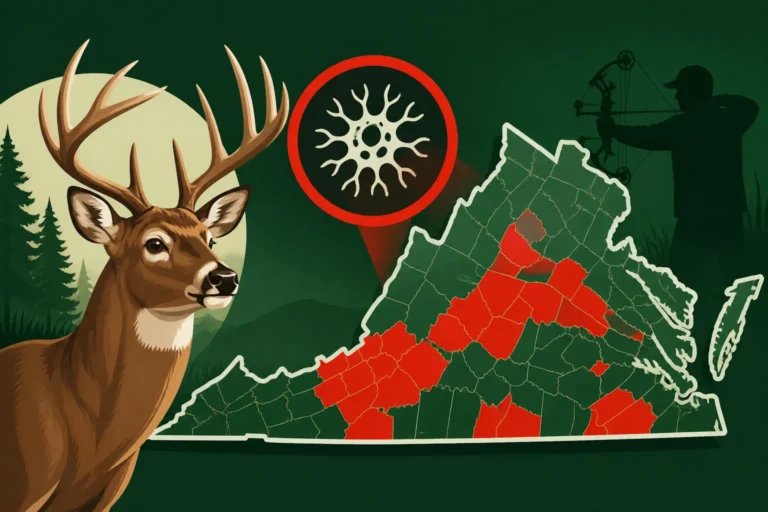
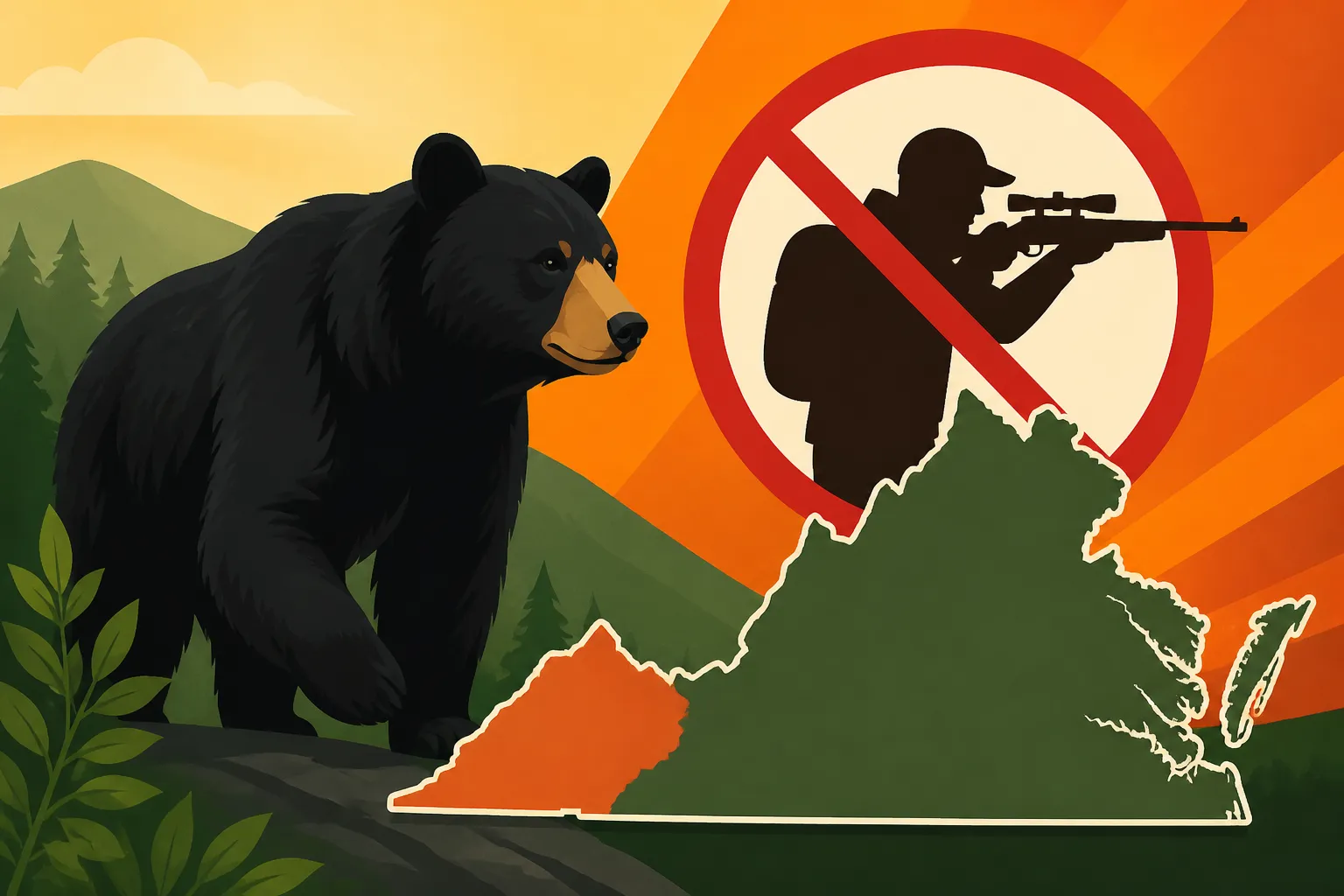
The recent closure of the early bear season specifically targets nine counties in Southwest Virginia: Buchanan, Dickenson, Lee, Russell, Scott, Smyth, Tazewell, Washington, and Wise. If you've hunted bears in these areas before, you know they offer some incredible, rugged terrain that black bears thrive in, often providing unique early-season opportunities. The DWR made this decision after careful consideration of regional bear population data, particularly focusing on disease prevalence and population trends. While Virginia's bear population as a whole has seen impressive growth over the decades, these specific southwestern counties have shown concerning declines in their bear populations, directly linked to the spread of sarcoptic mange. It's not about punishing hunters; it's about protecting a vulnerable segment of the bear population and giving them a much-needed reprieve to recover. The goal is to ensure sustainable hunting opportunities for future generations, even if it means short-term sacrifices for current hunters.
The Rationale Behind the Decision
The core reason for the early bear season closure in these nine counties is the severe impact of sarcoptic mange. The DWR monitors Virginia's Black Bear Population closely, and data collected over several years indicated that mange was causing significant mortality, especially among younger bears, and impacting reproductive rates. The early bear season, typically in October, often coincides with a period when bears are actively foraging before denning, making them more susceptible to hunter harvest. In areas already struggling with disease-induced population declines, continued early-season pressure could exacerbate the problem, pushing local populations to a critical point. By closing this specific season, the DWR hopes to reduce overall harvest pressure and allow these affected bear populations a better chance to rebound. This is a targeted conservation effort, prioritizing the health and recovery of the bear population in these specific counties over traditional hunting schedules. It reflects a difficult but necessary balance between hunting traditions and scientific wildlife management.
The Impact of Mange on Virginia's Bear Population
Sarcoptic mange is a brutal parasitic skin disease that has become a serious concern for wildlife managers across many states, and Virginia is no exception. For those of us who spend time in the woods, seeing an animal suffering from mange is heartbreaking, and its implications for a species' health can be dire. Understanding this disease is key to comprehending the DWR's decisions regarding bear season adjustments.
How Sarcoptic Mange Affects Bears
Sarcoptic mange is caused by microscopic mites that burrow into a bear's skin, leading to intense itching, hair loss, and the formation of thick, crusty lesions. Imagine a bear constantly scratching itself raw, losing its protective fur, and developing open wounds susceptible to secondary infections. It's a horrific condition. Mange-affected bears become lethargic, struggle to regulate their body temperature, especially in colder months, and often have difficulty foraging and building up necessary fat reserves for winter denning. This can lead to starvation, pneumonia, and death. For cubs, the disease can be even more devastating, significantly impacting survival rates and recruitment into the population. The severe stress and physical toll make these animals highly vulnerable, and when mange becomes widespread in a population, it can lead to noticeable declines, as we've seen in parts of Southwest Virginia. It's a serious threat to the well-being of these magnificent animals.
Historical Context of Mange in Virginia
Mange isn't a new phenomenon in Virginia, but its prevalence and impact on black bears have grown significantly in recent years. While scattered cases have likely always existed, a more widespread outbreak began to emerge in the early 2000s, particularly in the western and northern parts of the state. Over time, the disease expanded its footprint, and now Virginia's Mange-Affected Bear Counties are a real concern. Initially, the DWR focused on monitoring and research to understand the transmission dynamics and specific impacts on local bear populations. What they found was alarming: certain areas saw a dramatic increase in reported cases and a corresponding drop in observed bear numbers. This historical progression of mange, from localized incidents to a more pervasive threat, underscores the urgency of current management actions. It's a continuous battle, and the DWR is constantly evaluating its strategies based on the latest data.
DWR's Monitoring and Management Strategies
The Virginia Department of Wildlife Resources (DWR) has been at the forefront of monitoring and managing sarcoptic mange in bears. Their approach involves a multi-pronged strategy that combines scientific research, public reporting, and adaptive management. DWR biologists and technicians collect data through various means, including tracking sightings of symptomatic bears, post-mortem examinations of harvested or deceased animals, and even through trail cameras. Hunters play a crucial role here; reporting sick or diseased animals to the DWR is incredibly valuable for tracking the disease's spread and intensity. You can often find information on where and how to report such sightings on the DWR website or through their mobile app. The DWR has also worked on public education campaigns to raise awareness about mange and its effects. When it comes to management, options are limited for direct treatment of wild populations, making harvest adjustments, like the Southwest early season closure, a key tool in mitigating disease impacts and promoting population recovery. They are essentially reducing external pressures on an already stressed population, giving the bears a better chance to fight off the disease and reproduce. This is all part of their broader Virginia Wildlife Disease Monitoring efforts.
Adjusting Your Bear Hunting Strategy
With the early season closure in those southwestern counties, many dedicated bear hunters are left wondering what comes next. It's frustrating to have a planned hunt disrupted, but it's also an opportunity to explore new strategies, broaden your horizons, and adapt to the evolving landscape of bear management in Virginia. Resilience is a core trait of any good hunter, and this situation calls for just that.
Shifting Focus to Later Seasons
While the early bear season in those nine counties is off the table, Virginia still offers robust bear hunting opportunities in other regions and later in the year. The statewide firearms bear season, often coinciding with or immediately following deer season, remains a prime time for many hunters. This later season, particularly in November and December, often provides different challenges and rewards. Bears are typically in their denning phase or actively seeking final food sources before settling down, which can influence their movement patterns and preferred habitats. Focusing on food sources like mast crops (acorns, hickory nuts) or agricultural fields that haven't been harvested yet can be highly effective. This requires a different scouting approach, perhaps relying more on trail cameras and looking for signs around bedding areas rather than early-season foraging zones. Hunters might also consider venturing into other areas of the state where bear populations are healthier and less impacted by mange, such as the central Piedmont or the northern mountains. Platforms like GoHunt can be invaluable here, offering detailed maps and public land overlays to help you identify new territories and plan your shifts in strategy. Exploring Hunting Mountain Bears in November could provide valuable insights for those adjusting to later-season hunts.
Scouting and Adaptations for Remaining Opportunities
Adapting your scouting methods is paramount when faced with season changes. For those still hunting bears in other Virginia counties or planning to hunt in the later seasons, understanding bear behavior during those periods is key. Bears, like deer, are creatures of habit, but their habits shift with the seasons and available food. In the later fall, as natural food sources become scarcer, bears often concentrate around remaining mast crops or turn to secondary food sources. Scouting for rubs on trees (bears love to mark their territory), scat, and tracks around these areas becomes critical. Using tools like onX or the DWR’s Go Outdoors Virginia app to identify potential food sources, thick cover for bedding, and travel corridors between them can give you a significant advantage. Don't forget about water sources either; while less critical in colder weather, they are still necessary. If you're hunting public land, pay attention to areas that might receive less pressure. Sometimes just walking an extra half-mile from the road can put you into untouched territory. Trail cameras, strategically placed near these identified food sources or travel funnels, can provide invaluable intelligence on bear movement patterns and times. Consider how the topography, like that found in Hunting West of the Blue Ridge, influences where bears might travel and bed.
Alternative Hunting Methods and Locations
If the early bear season closure directly impacted your traditional hunting grounds, it might be time to think outside the box. For some, this could mean exploring different hunting methods. While still-hunting and stand hunting remain popular, there are other approaches. In areas where legal and permitted, bear hunting with hounds is a time-honored tradition and can be an exciting way to pursue bears, though it requires specialized gear and dogs. However, this is specific to certain areas and not permitted everywhere, so always check local regulations. For solo hunters or those without hounds, spot-and-stalk tactics can be incredibly effective, especially in more open timber or clear-cuts, allowing you to cover more ground and react to what you see. Referencing Spot-and-Stalk Tactics for Mountain Bears could offer further guidance. If your focus remains solely on bear hunting, but your preferred area is closed for the early season, consider applying for quota hunts or looking into federal lands like the George Washington National Forest or Jefferson National Forest, which offer vast tracts of public land with healthy bear populations. Remember, the DWR is continually gathering data, so staying informed about any future changes or new opportunities is always a good idea. Sometimes the best adaptation is simply exploring a new piece of woods.
Beyond the Closure: Wider Bear Management in Virginia
The early bear season closure in Southwest Virginia is a significant, but isolated, part of a much larger, ongoing effort by the Virginia Department of Wildlife Resources to manage the state's black bear population. Virginia has a thriving bear population overall, one that has expanded considerably over the past few decades, but this growth also brings its own set of challenges and responsibilities for both wildlife managers and hunters alike.
Broader Bear Season Regulations
Beyond the recent Southwest closure, Virginia's bear season structure is generally robust, offering a variety of opportunities across different regions and timeframes. There's typically a statewide archery bear season that runs concurrently with the statewide deer archery season, followed by a muzzleloader season, and then the general firearms bear season. These seasons are designed to manage the population effectively, balancing harvest opportunities with conservation goals. For example, some counties have shorter seasons, or specific rules regarding method of take, while others may have more extended periods. The total annual bear bag limit in Virginia is generally one bear per hunter per license year, with specific regulations on reporting your harvest to the DWR. Hunters are always encouraged to check the most current DWR hunting regulations for specific dates and rules in their chosen county, as these can vary and are updated annually. Understanding the overall framework, detailed in documents like Virginia Bear Season Rules, helps us appreciate the complexity involved in managing such a dynamic species.
How Hunters Can Help DWR Efforts
As hunters, we are critical partners in wildlife management. Our actions and observations on the ground provide invaluable data to the DWR. Regarding bear management and mange, one of the most important things you can do is report any sightings of sick or mange-affected bears directly to the DWR. This helps biologists track the spread and prevalence of the disease. Accurate harvest reporting is also paramount; when you tag a bear, ensure you follow all Virginia Bear Checking Requirements promptly and accurately. This data is used to estimate population health, age structures, and overall harvest trends, all of which inform future management decisions. Additionally, practicing ethical hunting, respecting bag limits, and understanding the biological factors at play contribute to a healthy bear population. Avoiding practices that habituate bears to human food sources, like improper trash storage or leaving out pet food, also helps reduce human-bear conflicts and keeps bears wild and healthy. Education and responsible behavior are our best tools.
Future Outlook for Bear Hunting in Southwest Virginia
The temporary closure of the early bear season in Southwest Virginia is not necessarily a permanent fixture. Wildlife management is an adaptive science, meaning decisions are made based on the best available data, and those decisions can change as conditions evolve. The DWR will continue to monitor the bear populations in these nine counties, assessing the prevalence of mange, cub survival rates, and overall population health. If data indicates that the bear populations are recovering and the impact of mange is diminishing, there is always the potential for the early season to be reinstated in the future. However, this will depend entirely on the bears' recovery. Hunters should stay engaged with DWR publications, attend public meetings when available, and keep an eye on annual regulation changes. The goal is long-term sustainability, and while current adjustments may be inconvenient, they are investments in the future of bear hunting in Virginia. Keep learning about How Many Black Bears Virginia Has and Virginia Bear Harvest Trends to understand the larger picture of bear management in the state.
Here’s a quick overview of the impacted counties and the previous versus current early season status:
| County Name | Previous Early Season Status (October) | Current Early Season Status (October) | Reason for Change |
|---|---|---|---|
| Buchanan | Open (Specific Dates) | Closed | Sarcoptic Mange Impact |
| Dickenson | Open (Specific Dates) | Closed | Sarcoptic Mange Impact |
| Lee | Open (Specific Dates) | Closed | Sarcoptic Mange Impact |
| Russell | Open (Specific Dates) | Closed | Sarcoptic Mange Impact |
| Scott | Open (Specific Dates) | Closed | Sarcoptic Mange Impact |
| Smyth | Open (Specific Dates) | Closed | Sarcoptic Mange Impact |
| Tazewell | Open (Specific Dates) | Closed | Sarcoptic Mange Impact |
| Washington | Open (Specific Dates) | Closed | Sarcoptic Mange Impact |
| Wise | Open (Specific Dates) | Closed | Sarcoptic Mange Impact |
Disclaimer
Hunting regulations are subject to change. Always consult the most current Virginia Department of Wildlife Resources (DWR) regulations and local ordinances before planning any hunting activity. This guide is for informational purposes only and does not supersede official DWR publications.