Hunting Virginia’s Eastern Shore
The Eastern Shore of Virginia, a sliver of land nestled between the Chesapeake Bay and the Atlantic Ocean, presents a truly unique and often challenging hunting landscape. Many hunters from the mainland eye this region with a mix of awe and trepidation, wondering how to even begin to unlock its secrets. This guide aims to demystify hunting Virginia's Eastern Shore, offering a comprehensive look at its distinctive environment, prevalent game species, access points, and the specialized strategies needed to succeed in this dynamic coastal haven.
Unique Challenges and Rewards of Eastern Shore Hunting
Hunting the Eastern Shore isn't like hunting the Piedmont or the mountains; it's a world unto itself. The very geography dictates a different approach, a different set of skills, and an appreciation for its singular beauty and inherent difficulties. Hunters often find themselves battling the elements as much as they are pursuing game, but the rewards—a brace of fat black ducks, a marsh buck, or a limit of doves—are deeply satisfying and uniquely tied to this saltwater-kissed environment.
Coastal Environment Specifics
The Eastern Shore's environment is characterized by a mosaic of habitats, each with its own quirks. You'll find expansive salt marshes stretching for miles, dense maritime forests dominated by loblolly pines and thick undergrowth, isolated pockets of hardwoods, and open agricultural fields. The constant influence of the Chesapeake Bay to the west and the Atlantic Ocean to the east means the air is thick with salt, the ground can be muddy and soft, and the weather can change on a dime. Tides are a huge factor, particularly for waterfowl and marsh deer hunting, dictating access, movement, and even game behavior. Hunters must constantly be aware of rising and falling water, not just for their own safety, but to predict where game will be.
The sandy soils, while not always obvious beneath the thick vegetation, impact everything from tracking deer to the types of food sources available. You won't find the deep, rich soil that produces massive oak crops like you might in the western part of the state, but you'll encounter persistent stands of pine and juniper that offer dense thermal cover. This unique blend creates specific challenges for scouting, where traditional methods might need adjustment. Learning to read the subtle signs of deer movement through marsh grass or how ducks navigate a tidal creek requires an entirely different understanding of the landscape.
Another aspect is the pervasive presence of water. Creeks, guts, tidal flats, and vast stretches of open water define the landscape. This means that a good portion of your hunting may involve boats, waders, or at the very least, an understanding of how to cross or navigate watery obstacles. This can be intimidating for those accustomed to dry-land hunting, but it also opens up incredible opportunities, particularly for waterfowl, that simply don't exist elsewhere in Virginia. The salty air and damp conditions also demand specific gear care, as rust and corrosion can quickly take their toll on firearms and other metal equipment.
Game Species Nuances
The game on the Eastern Shore, particularly deer and waterfowl, often exhibits behaviors and adaptations unique to this coastal environment. Deer here are often smaller in body size compared to their mountain or Piedmont cousins, but what they lack in bulk, they make up for in toughness and cunning. They thrive in the dense, often impenetrable pine and marsh thickets, using the cover to their advantage. Their diets are also influenced by the coastal habitat, sometimes including marsh grasses and other salt-tolerant vegetation, giving their meat a distinct flavor that many locals cherish. They're adept at navigating the muddy terrain and using small islands of high ground within the marsh as bedding areas or escape routes.
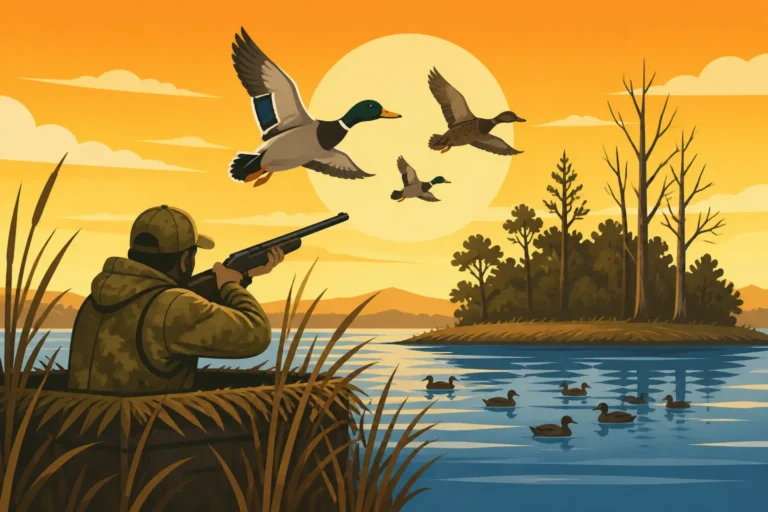
Waterfowl, of course, are the stars of the show on the Eastern Shore. This region is a critical stopover and wintering ground for a vast array of ducks and geese along the Atlantic Flyway. You'll find everything from dabblers like mallards and black ducks in the brackish marshes and impoundments, to diving ducks like buffleheads, scaup, and ruddy ducks out on the open bay, and sea ducks like scoters further offshore. Canada geese are abundant, often feeding in the agricultural fields. Understanding the specific habits of each species, their preferred foods, and how they react to tides and weather is paramount for success. For example, black ducks are notoriously wary and often prefer undisturbed marsh guts, while divers might raft up in huge numbers out in the open bay, only moving closer to shore during rough weather or strong tides.
Small game, such as rabbits and squirrels, also thrive in pockets of suitable habitat. Rabbits will be found in the briar patches and fencerows bordering fields, while squirrels favor the limited stands of mature hardwoods or pine groves where mast crops are available. The predatory species, particularly coyotes, are also well-established, impacting deer and small game populations and requiring hunters to be aware of their presence. The Eastern Shore offers a truly diverse hunting experience, but success hinges on recognizing and adapting to these local nuances.
Access Obstacles on the Eastern Shore
One of the most significant frustrations for hunters interested in the Eastern Shore is the limited public access and the challenge of securing private land permission. Unlike the vast public lands of the George Washington or Jefferson National Forests, the Eastern Shore is largely private, composed of farms, small woodlots, and sprawling private estates. This means that simply driving up and finding a place to hunt is rarely an option. Hunters often express their exasperation at seeing promising habitat from the road but having no legal way to access it.
Securing permission on private land requires diligence, respect, and often, local connections. It's not uncommon for hunters to spend years trying to gain access, building relationships with landowners. The "no trespassing" signs are ubiquitous, and landowners are understandably protective of their properties. For those without existing ties, it can feel like an impossible barrier, leading to a sense of defeat before the season even begins. However, patience and genuine effort, such as offering to help with chores or wildlife management, can sometimes open doors.
While limited, public hunting opportunities do exist, primarily through Virginia Department of Wildlife Resources (DWR) Wildlife Management Areas (WMAs) and certain National Wildlife Refuges. However, these areas often come with specific regulations, mandatory sign-in procedures, quota hunts, or require special permits, adding layers of complexity that can deter an unprepared hunter. The sheer competition on some of these publicly accessible parcels can also be a challenge, particularly during opening days or peak seasons. Understanding these access restrictions and planning far in advance is crucial to having a successful hunt on the Eastern Shore.
Waterfowl Hunting on the Eastern Shore
When most people think of hunting the Eastern Shore, waterfowl is the first thing that comes to mind, and for good reason. This narrow peninsula is a magnet for migratory birds, offering a diverse range of habitats from open bay waters to brackish marshes and flooded impoundments. The sheer volume and variety of birds that pass through or winter here make it a bucket-list destination for many a duck and goose hunter.
Bay and Ocean Ducks
The Chesapeake Bay, with its vast expanse of open water, and the Atlantic Ocean, just a short distance further east, provide prime habitat for diving ducks and sea ducks. Species like scaup, buffleheads, canvasbacks, redheads, and ruddy ducks congregate in large rafts on the Bay, particularly in the deeper, more protected coves and flats. Hunting these birds often involves layout blinds on tidal flats or specialized duck boats capable of handling the open water conditions. Strong currents and unpredictable weather can make for challenging hunting, but the rewards of a successful diver hunt are often well worth the effort. Hunting Chesapeake Bay Diving Ducks offers specific strategies for these wary birds.
Further out, along the Atlantic coast, particularly around the barrier islands and inlets, you can find sea ducks such as scoters, eiders, and oldsquaws (long-tailed ducks). This is truly big water hunting, requiring robust boats, experienced captains, and a high degree of seamanship. The hunting here is often less about concealment and more about positioning decoys in areas of high bird traffic, then enduring the cold, wind, and waves. While not for the faint of heart, a successful sea duck hunt on the open Atlantic is an unforgettable experience, a testament to both the birds' resilience and the hunter's determination.
The movement of these bay and ocean ducks is heavily influenced by weather patterns and food availability. A strong northwest wind can push birds closer to shore, making them more accessible to shoreline blinds. Similarly, severe cold snaps can freeze up shallower water, forcing birds into deeper, open areas. It's a dynamic environment, and successful hunters are those who adapt quickly to changing conditions, always keeping an eye on weather forecasts and tide charts.
Marsh and Impoundment Hunting
Beyond the open waters, the Eastern Shore is crisscrossed by extensive salt and brackish marshes. These marsh environments are prime habitat for dabbling ducks like black ducks, mallards, green-winged teal, and gadwall, as well as resident and migratory Canada geese. Hunting here often involves marsh boats, sneak boxes, or setting up in strategically placed permanent or temporary blinds. Hunting the Eastern Shore Marsh can be particularly productive for black ducks, which are notoriously wary and prefer the solitude of the marsh.
Many private landowners and some public areas also manage impoundments – diked-off sections of marsh or agricultural fields that can be flooded or drained. These impoundments are often planted with duck-attracting crops like corn, millet, or rice, creating irresistible feeding grounds. Hunting impoundments is a more controlled environment compared to the open bay, but it still requires careful scouting, strategic decoy placement, and meticulous concealment. These areas can be absolute magnets for ducks, especially during strong migratory pushes or periods of cold weather.
Canada geese are also a significant draw for Eastern Shore hunters. They primarily feed in the numerous agricultural fields – corn, soybean, and wheat stubble are all popular spots. Hunting geese typically involves large decoy spreads, often using full-body decoys, and hunting from layout blinds or pit blinds in the middle of fields. Local knowledge is invaluable for goose hunting, as birds establish feeding patterns and often stick to specific fields for days or weeks at a time. Layout Blind Hunting Eastern Shore Fields is a classic tactic here.
Gearing Up for Coastal Waterfowl
Waterfowl hunting on the Eastern Shore demands specialized gear built to withstand harsh coastal conditions. First and foremost, durable, insulated waders are non-negotiable. Whether you're setting decoys in a muddy marsh, retrieving birds from cold water, or just navigating flooded timber, good waders will keep you dry and warm. Many hunters prefer chest waders for maximum protection against deeper water and colder temperatures.
Your choice of boat is also critical. For marsh hunting, shallow-draft skiffs, mud boats, or even kayaks and canoes can be ideal for navigating narrow guts and shallow flats. For open bay hunting, a more substantial V-hull boat with a powerful motor and all necessary safety equipment is essential. Layout blinds, whether boat-mounted or field-based, are key for concealment in many scenarios. Reading a Bay Marsh for a Morning Flight will teach you how to scout.
Decoys are another major investment. You'll need a variety, from standard mallard and black duck decoys for marsh hunting, to larger diver decoys for the bay, and full-body goose decoys for field hunting. Good quality, realistic decoys can make a huge difference in attracting wary birds. Beyond that, essentials include sturdy decoy bags, a reliable shotgun (often a 12-gauge), and plenty of non-toxic shot, as lead shot is prohibited for all waterfowl hunting. Warm, waterproof clothing, including a quality outer shell, multiple layers, and waterproof gloves, is paramount to staying comfortable during long, cold sits.
Deer Hunting the Eastern Shore
While waterfowl often steal the spotlight, the Eastern Shore offers a robust deer hunting experience that's distinct from other parts of Virginia. The whitetails here have adapted to the unique coastal habitat, presenting a challenge and reward for those willing to learn their ways. Forget sprawling hardwoods; think dense pine thickets, marsh islands, and agricultural edges.
Peculiarities of Eastern Shore Whitetails
Eastern Shore whitetails are truly creatures of their environment. They tend to be slightly smaller in body size than deer found west of the Blue Ridge, likely due to nutritional differences in their sandy, pine-dominated habitat. However, they are incredibly hardy and adept at navigating the dense cover and often wet conditions of the peninsula. Their antlers, while perhaps not reaching the same overall size as some Piedmont bucks, can still be impressive, especially in areas with good nutrition from agricultural crops.
One of the most defining characteristics of Eastern Shore deer is their reliance on thick cover. They inhabit dense pine plantations, impenetrable greenbriar thickets, and even small islands of high ground within the vast salt marshes. These areas provide excellent thermal cover and security, making them incredibly difficult to push out. They are masters of using these thickets to evade hunters, often circling back or slipping through unnoticed. Their diet can also include marsh grasses and other unique coastal vegetation, supplementing the typical browse, acorns (when available from scattered hardwoods), and agricultural crops. This often leads to a rich, distinctive flavor in their venison.
Understanding their movement patterns, especially in relation to tides in marshy areas, is crucial. High tides can push deer out of marsh bedding areas onto higher ground, concentrating them in smaller pockets of cover. Conversely, low tides might allow them access to new feeding areas previously underwater. Learning to read these environmental cues, which are not a factor in most inland hunting, is a skill that takes time and observation but can significantly increase your success rate.
Hunting Strategies for Pine and Farm Country
Hunting Eastern Shore deer means embracing the thick stuff. Still-hunting through dense pine plantations and clear-cuts can be effective, but it requires extreme patience, quiet movement, and an ability to spot subtle deer movement in extremely heavy cover. You'll often be taking shots at close range, so being prepared for quick reactions is key. Hunters often focus on the edges of these thickets, where deer move between bedding and feeding areas.
For hunters who prefer to sit, treestands and ground blinds are both viable options. Placing stands overlooking agricultural fields, especially those planted with corn or soybeans, can be highly productive, particularly during the early season and late season when deer are focused on food sources. Hunting a Green Field Planted for Deer is a smart tactic. Look for pinch points or funnels where deer are forced to travel along a specific path as they move from thick cover to fields. These might be narrow strips of woods between two fields, or the edge of a pine block bordering a marsh. Ground blinds, well-brushed in, can also be incredibly effective in these thick environments, offering concealment and a good shooting rest in areas where suitable trees for treestands are scarce.
Deer drives can also be a successful tactic in the dense pine and marsh areas, especially on private land with a group of hunters. The key is to have enough drivers to cover the ground effectively and enough standers positioned at escape routes. Understanding how deer will try to circle back or slip through the smallest opening is critical to setting up an effective drive. This method is particularly useful for dislodging those bucks that simply won't move from their impenetrable sanctuaries.
Accessing Private Land Opportunities
As mentioned, securing private land access is often the golden ticket for deer hunting on the Eastern Shore. The vast majority of the land is privately owned, and many of the most productive deer areas are on farms or large timber tracts. This reality often leads to frustration for visiting hunters who don't have local connections. However, it's not impossible, though it requires effort and persistence.
The most common approach is "knocking on doors." This involves politely approaching landowners well before the season, introducing yourself, and respectfully asking for permission to hunt. It's crucial to be well-groomed, articulate, and prepared to explain your hunting ethics and how you will respect their property. Offering to help with chores, such as mending fences or clearing brush, can go a long way in building trust. Many landowners, especially farmers, appreciate assistance with deer management to mitigate crop damage, offering a good opening for discussion.
Another avenue is joining a hunting club or leasing land. Hunting leases can be costly, but they guarantee access and often come with established deer management practices. Hunting clubs pool resources to lease land, providing members with shared access. These arrangements often come with rules and responsibilities, but they can be an excellent way to gain consistent access to quality deer hunting ground. Patience, persistence, and a willingness to build genuine relationships are far more effective than simply showing up with a gun and expecting access.
Small Game and Other Opportunities
Beyond the marquee species of deer and waterfowl, the Eastern Shore offers a variety of smaller game opportunities that often go overlooked. These pursuits can provide exciting action, extend your time afield, and allow you to explore different facets of the Eastern Shore's diverse habitats.
Rabbit and Squirrel Hunting
Rabbit hunting on the Eastern Shore can be fantastic, especially in areas with suitable cover. Cottontails thrive in thick briar patches, brushy fencerows, field edges, and overgrown clear-cuts. These areas provide both food and protection from predators. A classic Eastern Shore rabbit hunt often involves walking these thickets, kicking brush piles, or, for many, running a pack of beagles. The sound of beagles baying on a hot rabbit trail through the brush is one of the most exciting and traditional small game experiences.
For squirrel hunters, the key is finding the scattered pockets of mature hardwoods, particularly oak and hickory, that still exist amidst the dominant pines and agricultural fields. While not as abundant as in the mountain regions, these isolated woodlots can hold good numbers of gray and fox squirrels. Hunters often focus on the edges of these woods, especially near agricultural fields, where squirrels might venture out to feed. Still-hunting through these areas at first light, or finding a comfortable spot to sit and watch for movement, can be productive. Keep an eye out for "cuttings" – the tell-tale signs of squirrels feeding on nuts.
These small game pursuits offer a more relaxed pace than big game or waterfowl hunting, making them great for introducing new hunters to the field or for enjoying a crisp autumn day. The equipment is minimal – a good .22 rifle or a light shotgun (like a 20-gauge or .410) is all you really need, along with appropriate clothing for walking through dense cover.
Dove Hunting and Other Upland Birds
Dove hunting is a cherished tradition across Virginia, and the Eastern Shore is no exception. With its abundance of agricultural fields, the peninsula can offer exceptional dove hunting, especially during the early season split. Fields planted with sunflower, millet, corn, or wheat are all prime attractants. Hunters often set up around these fields, focusing on power lines, isolated trees, or water holes where doves will congregate.
Opening day can be a festive affair, with groups of hunters scattered around a productive field, enjoying the camaraderie and fast-paced shooting action. Later in the season, doves might be found foraging in cut fields or roosting in dense pine stands. Like waterfowl, doves are migratory, so scouting prior to the season to locate actively used fields is crucial. A good shotgun (often a 12 or 20-gauge) with light field loads, a stool or bucket to sit on, and plenty of shells are the main requirements.
While not as prevalent as in years past, small populations of bobwhite quail can still be found in some areas of the Eastern Shore, particularly on private lands where habitat management focuses on early successional cover. Finding wild quail is a true challenge and often requires a well-trained bird dog. Ruffed grouse are essentially absent from the Eastern Shore, being a mountain species. Woodcock, however, do migrate through the peninsula and can occasionally be found in damp, brushy thickets, offering a unique opportunity for hunters with keen eyes or a close-working dog.
Feral Hog Presence and Management
Feral hogs are an unfortunate but growing presence across parts of Virginia, including the Eastern Shore. These invasive animals cause significant damage to agricultural crops and natural habitats, disrupting ecosystems and competing with native wildlife for food resources. For hunters, they present an opportunistic target. Unlike deer or turkey, feral hogs have no closed season or bag limit on private land in Virginia, making them a year-round hunting opportunity.
Hunters often encounter hogs while pursuing other game, particularly deer, in thickets bordering agricultural fields or in dense swamps. Signs of hogs include rooted-up ground, wallows, and distinctive tracks. While notoriously elusive, successful hog hunting often involves scouting for fresh sign, hunting over bait (where legal and appropriate), or thermal/night vision hunting (again, where legally permitted on private land). The meat from wild hogs can be excellent, provided they are handled and processed properly, but it's important to be aware of potential diseases like brucellosis.
The DWR actively encourages hunters to harvest feral hogs whenever possible to help control their expanding populations. For those seeking an additional challenge and an opportunity to contribute to wildlife management, pursuing feral hogs on the Eastern Shore can be a rewarding endeavor. Their cunning and resilience make them a formidable quarry.
Navigating Public Hunting Grounds
While the Eastern Shore is predominantly private land, Virginia does offer several public hunting opportunities that, with careful planning and an understanding of the rules, can be very productive. These areas require a different approach than unrestricted national forest lands, often involving specific permits, sign-in procedures, or quota hunts.
Virginia Department of Wildlife Resources (DWR) WMAs
The Virginia Department of Wildlife Resources (DWR) manages several Wildlife Management Areas (WMAs) on the Eastern Shore that offer public hunting. These areas are specifically acquired and managed for wildlife, providing crucial habitat for various game species. A prime example is the Hog Island WMA in Surry County (though technically just across the James River, it’s a key waterfowl destination often grouped with the Eastern Shore in spirit, due to its tidal nature). While not directly on the Eastern Shore peninsula, its management style and hunting opportunities for waterfowl are highly relevant to the coastal hunting experience. Another example on the actual Eastern Shore peninsula is the Ragged Island WMA in Isle of Wight County, again offering significant waterfowl and deer potential in a tidal marsh environment.
These WMAs are invaluable for providing public access, but they often come with specific regulations beyond statewide rules. Hunters typically need a valid Virginia hunting license and often a special WMA Access Permit. Many WMAs require hunters to sign in and out, either physically at a kiosk or electronically through the DWR website or mobile app. This helps the DWR track hunter pressure and harvest data. It's crucial to check the specific regulations for each WMA you plan to hunt, as rules can vary regarding allowed weapons, hunting days, and species. You can find detailed maps and regulations on the DWR website or through apps like onX Hunt, which clearly delineate WMA boundaries and regulations.
Hunting these WMAs requires patience and typically more effort due to higher hunter pressure. Scouting beforehand is paramount, looking for remote pockets or less accessible areas that other hunters might overlook. Hunters often focus on transition areas between different habitat types within the WMA, like where a pine stand meets a marsh edge, or a creek meanders through a patch of hardwoods.
National Wildlife Refuges
The Eastern Shore is also home to several National Wildlife Refuges (NWRs) managed by the U.S. Fish and Wildlife Service, some of which offer limited hunting opportunities. These refuges are primarily established for wildlife conservation, and hunting is allowed only where it's compatible with the refuge's primary mission. Two prominent examples include Chincoteague National Wildlife Refuge and Presquile National Wildlife Refuge. Eastern Shore Barrier Island Access can sometimes involve these protected areas.
Chincoteague NWR, located at the northern tip of the Eastern Shore, is famous for its wild ponies and pristine beaches. Limited deer hunting is sometimes offered here through a rigorous quota hunt system. These hunts are highly competitive, often drawing hundreds of applicants for a small number of spots. Success in the draw is often a matter of luck and persistence over many years. When hunting is permitted, the regulations are exceptionally strict, often involving specific weapon types and harvest reporting requirements, designed to manage the deer population within the refuge's ecological goals.
Presquile NWR, while located on the James River rather than the peninsula, is another example of a refuge that offers quota-based deer hunts. Similar to Chincoteague, these hunts are tightly controlled and require advance application. Even the Great Dismal Swamp National Wildlife Refuge, while not strictly Eastern Shore, shares similar coastal plain characteristics and offers controlled hunts for bear and deer. Each refuge will have its own unique set of rules, application windows, and permit fees, so diligent research on the specific refuge website is essential well in advance of the hunting season.
Understanding Quota Hunts and Draw Systems
Many of the most desirable public hunting opportunities on the Eastern Shore, particularly for deer on National Wildlife Refuges or some WMAs, operate on a quota hunt or draw system. This means that access is limited to a pre-determined number of hunters, and participants are selected through a lottery-style drawing. This system helps manage hunter pressure, ensures a quality hunting experience, and prevents overharvesting of wildlife populations in sensitive areas.
The application windows for these quota hunts are often very specific, usually months in advance of the season, and missing the deadline means missing the opportunity for that year. Hunters typically apply online through the DWR's Go Outdoors Virginia platform or the specific refuge's website. There might be an application fee, and sometimes a preference point system is in place, where unsuccessful applicants gain a better chance in future years. It's important to understand the odds; some quota hunts are extremely popular, with success rates often in the single digits.
If you are drawn for a quota hunt, you'll receive detailed instructions regarding hunt dates, allowed weapons, bag limits, check-in procedures, and any special safety requirements. These hunts are often highly structured, with designated hunt zones and specific rules to follow, so reading all provided materials carefully is paramount. While challenging to get drawn, participating in a quota hunt can offer a truly unique and high-quality hunting experience on some of the Eastern Shore's most protected and productive lands. It's a testament to the value of these special hunting grounds.
Essential Gear and Coastal Considerations
Hunting the Eastern Shore requires specific gear adaptations due to its unique coastal environment, which often involves challenging weather, water, and dense vegetation. Standard hunting gear might suffice in some situations, but preparing for the distinct demands of this region will significantly enhance comfort, safety, and success.
Weather and Terrain Appropriate Clothing
The Eastern Shore's weather is notoriously fickle. You can start a morning hunt in crisp, calm conditions and quickly find yourself battling a driving rain, strong winds, or thick fog rolling in off the Bay. Layering is absolutely critical. A base layer for moisture wicking, an insulating mid-layer (fleece or wool are excellent), and a waterproof, windproof outer shell are non-negotiable. Synthetics or wool are generally preferred over cotton, as they retain insulating properties even when wet.
Footwear is another major consideration. While a sturdy pair of hiking boots might work for drier, pine-dominated areas, rubber boots or knee-high swamp boots are often essential for navigating muddy fields, wet marshes, or shallow tidal guts. For waterfowl hunting, insulated chest wwaders are indispensable. Ensure your boots and waders are comfortable and well-broken in, as you might be doing a lot of walking or standing in damp conditions.
Consider extra items like waterproof gloves, a warm hat that covers your ears, and a neck gaiter or facemask. The combination of cold temperatures and persistent wind off the water can make things feel much colder than the thermometer indicates. Having spare dry clothes in your vehicle is also a smart move, especially after a particularly wet or muddy marsh hunt.
Optics and Electronics for Coastal Hunting
Good optics are always an asset, but on the Eastern Shore, they can be particularly useful for scouting open fields, glassing marsh edges for deer, or identifying waterfowl species at a distance. A quality pair of 8×42 or 10×42 binoculars will serve most deer and small game hunters well. For waterfowl, higher magnification can be useful for identifying birds on the distant bay. A rangefinder is also handy for confirming distances, especially when hunting across open fields or wide-open marsh.
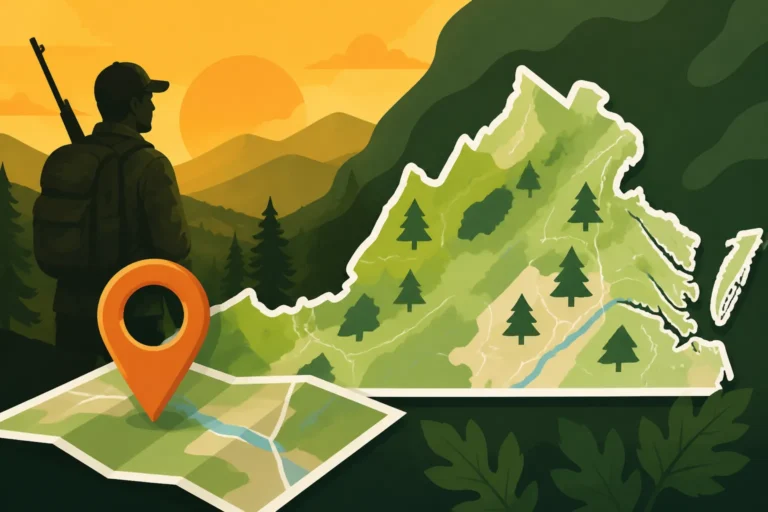
Given the complex landscape of private land boundaries, scattered public parcels, and intricate waterways, a reliable GPS unit or a mapping app on your smartphone is indispensable. Apps like onX Hunt (and GoHunt, depending on your focus) are excellent for providing detailed satellite imagery, property boundaries, public land ownership, and navigation tools. This is particularly vital for avoiding trespassing, locating specific hunting zones within WMAs or refuges, and navigating back to your starting point in unfamiliar terrain. Given the potential for spotty cell service in remote areas, downloading offline maps is crucial.
Don't forget backup power for your electronic devices, such as a portable power bank, as cold weather can quickly drain batteries. A reliable headlamp or flashlight is also essential for navigating to and from your hunting spot in the dark, especially when dealing with uneven terrain or water. Always ensure your devices are fully charged before heading out.
Boats, Blinds, and Decoy Transport
For waterfowl hunters, proper transportation and concealment are key. A sturdy boat is often necessary for accessing remote marsh blinds, crossing tidal creeks, or setting up on open bay waters. The type of boat will depend on the water you intend to hunt – from shallow-draft john boats for marshes to more robust vessels for open Bay conditions. Always prioritize marine safety, including proper registration, life vests, navigation lights, and knowing how to operate in tidal currents and fog.
Layout blinds, whether stand-alone or boat-mounted, are vital for concealment in open fields or on tidal flats where natural cover is sparse. Learning to properly brush in a blind, making it blend seamlessly with the surrounding environment, is a skill that takes practice. For decoys, sturdy bags or slotted decoy boxes are necessary for transport, protecting your investment and making deployment and retrieval more efficient. Large numbers of decoys may require specialized carts or sleds for moving them across muddy fields or through shallow water.
Even deer hunters on the Eastern Shore might find a cart or sled useful for hauling stands, gear, or harvested deer through muddy fields or dense undergrowth. The terrain here isn't always conducive to dragging, and these tools can save a lot of effort. Waders for Bay Marsh Hunting is a crucial part of your gear list, along with Decoy Spreads for Chesapeake Bay Divers and Marsh Boats and Push Poles.
Regulations and Safety on the Eastern Shore
Hunting on the Eastern Shore, like anywhere else in Virginia, is governed by a strict set of regulations designed to ensure safety, promote ethical hunting, and conserve wildlife populations. However, the coastal environment and the mix of state and federal lands add specific nuances that hunters must be aware of.
Specific Seasonal Dates and Bag Limits
Virginia has distinct hunting seasons and bag limits for various game species, and these can sometimes have specific allowances or restrictions on the Eastern Shore. For waterfowl, the Eastern Shore falls within specific waterfowl zones, each with its own season dates and bag limits for ducks and geese. These zones are established to account for different migration patterns and bird concentrations, and hunters must know which zone they are in. Virginia Waterfowl Zones and Seasons and Virginia Duck and Goose Bag Limits are critical resources.
Deer season on the Eastern Shore generally follows the statewide framework, but urban archery zones in some towns may offer extended opportunities. It's crucial to consult the current DWR Hunting & Trapping Regulations booklet for the precise dates, legal weapons, and bag limits for deer in the counties you intend to hunt. Remember that antlerless deer opportunities can vary by county and are often dictated by local management objectives. Small game seasons are also set statewide, but local conditions will dictate the best times to pursue rabbits and squirrels.
Always double-check the current regulations before each hunting season, as rules can change from year to year. The DWR website and its mobile app are invaluable resources for up-to-date information. Ignorance of the law is never an excuse, and violating regulations can lead to fines, license revocation, and loss of hunting privileges.
Blaze Orange and Ethical Hunting Practices
Safety is paramount in any hunting endeavor, and wearing blaze orange or blaze pink is a legal requirement during most firearms seasons for deer on both private and public lands in Virginia. This highly visible clothing helps prevent accidents by making hunters easily identifiable to one another. The specific requirements for how much orange or pink must be worn are detailed in the DWR regulations, but generally, it involves outer garments visible from all sides. While not always required during archery-only seasons, many bowhunters choose to wear some blaze orange for increased safety, especially if hunting near areas where other seasons are open.
Ethical hunting practices are just as important as legal ones. This includes respecting landowners and their property, retrieving all harvested game, minimizing disturbance to non-target wildlife, and practicing good sportsmanship. When hunting with others, clear communication, understanding shooting lanes, and knowing where everyone is positioned are vital. Always identify your target positively before shooting and be aware of what lies beyond.
Given the prevalence of private land, obtaining explicit permission is not only a legal requirement but a fundamental ethical principle. Leaving gates as you found them, avoiding damage to crops or fences, and properly disposing of trash are small but significant ways to show respect and maintain a good relationship with landowners, which is crucial for future access.
Marine and Boating Safety
For waterfowl hunters, marine and boating safety on the Eastern Shore cannot be overstated. The Chesapeake Bay and its tidal creeks can be incredibly unforgiving, with rapidly changing weather, strong currents, and fog that can appear almost instantly. Always check marine weather forecasts and tide charts before heading out. Don't venture out in conditions beyond your boat's capabilities or your experience level.
Essential boating safety equipment includes properly sized and readily accessible life vests for everyone on board, a sound-producing device (horn or whistle), navigation lights (if operating after dark or in low light), a fire extinguisher, and a bailing device. A marine radio or fully charged cell phone (in a waterproof case) for emergencies is also highly recommended. Know your boat, know your limits, and ensure all equipment is in good working order before leaving the dock.
Understanding tidal movements is critical not just for bird movement, but for safely navigating shallow creeks and mud flats. Getting stuck on a falling tide can quickly turn a fun hunt into a dangerous situation. Filing a float plan with someone on shore, letting them know your intended route and estimated return time, is also a wise precaution, especially when hunting remote areas or in challenging conditions. The inherent dangers of coastal hunting add a layer of responsibility that all hunters must take seriously.
Disclaimer
This article is for general informational purposes only and does not constitute professional advice. Laws, prices and regulations vary by location and change over time. Consult a qualified professional for guidance on your specific situation.