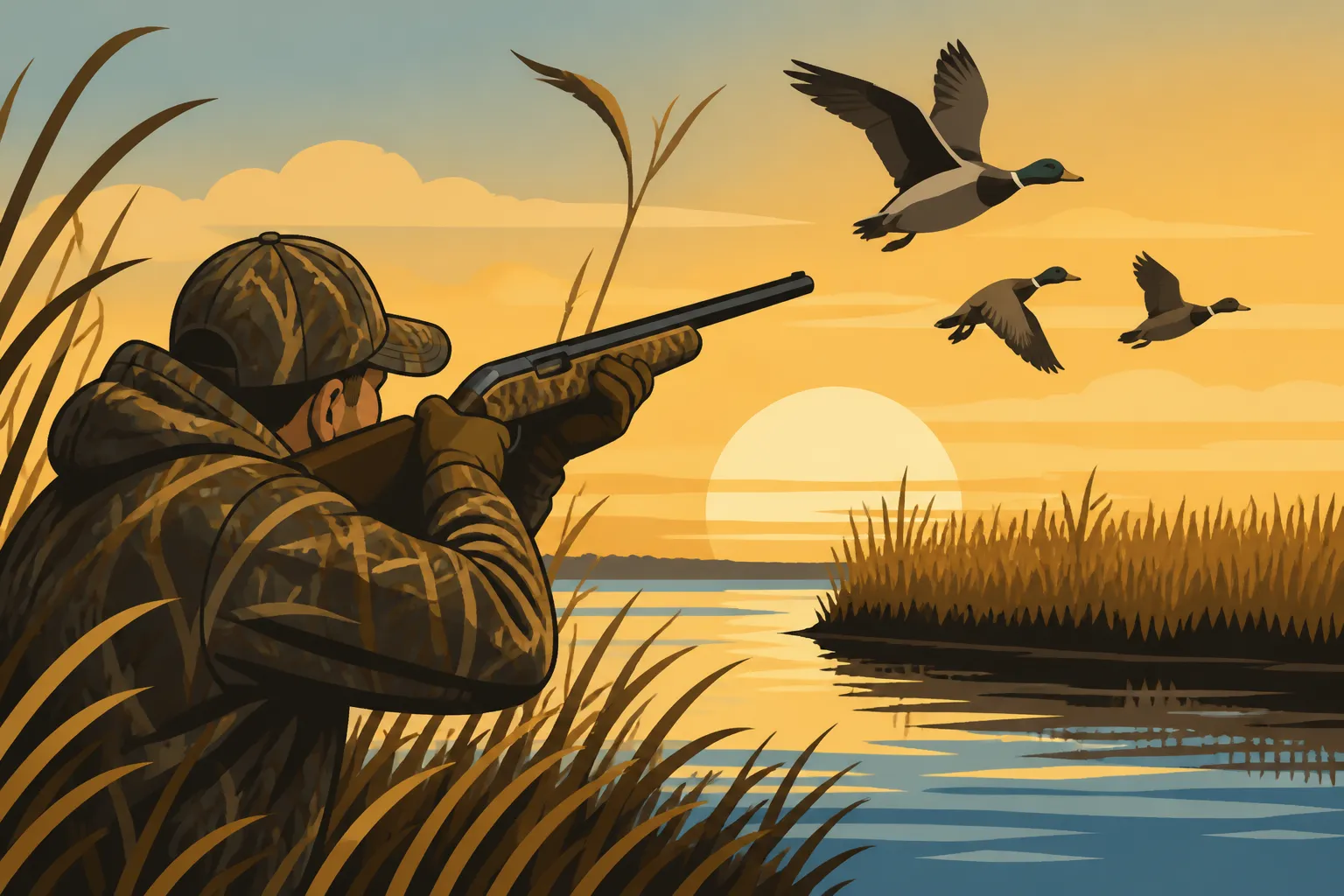
Hunting the Eastern Shore Marsh
Hunting the expansive, often unforgiving marshes of Virginia's Eastern Shore presents a truly unique challenge for waterfowl hunters. The tides dictate everything, the weather can turn on a dime, and finding birds in the vastness of the marsh can feel like searching for a needle in a haystack. This guide aims to peel back the layers of this complex environment, offering seasoned strategies and practical advice to help you navigate the intricate waterways, understand the resident and migratory birds, and ultimately, find success in this iconic Virginia landscape.
Understanding the Eastern Shore Marsh Ecosystem
The Eastern Shore of Virginia is a ribbon of land separating the Chesapeake Bay from the Atlantic Ocean, defined by its intricate network of saltmarshes, tidal creeks, and barrier islands. This dynamic ecosystem is a critical stopover and wintering ground for millions of waterfowl on the Atlantic Flyway, but its very nature makes hunting it a demanding pursuit.
Key Waterfowl Species and Their Habits
When you think of the Eastern Shore marsh, you're looking at prime habitat for a fascinating array of ducks and geese. You’ll encounter everything from agile dabbling ducks feeding in shallow water to robust diving ducks braving the open bay. Understanding who you're hunting and where they prefer to be is half the battle.
Dabblers, like the ubiquitous mallards, black ducks, and teal, favor the shallower, protected guts and ponds within the marsh, especially where there's submerged aquatic vegetation (SAV) or flooded smartweed. They'll readily feed in just a few inches of water, tipping up to reach food on the bottom. Black ducks, in particular, are marsh mainstays and incredibly wary. They often fly low, hugging the contours of the marsh, and respond well to realistic decoy spreads and subtle calling. Green-winged teal are rockets that zip through the marsh, often in small, tight flocks, providing exhilarating, albeit quick, shooting opportunities. You might also find gadwalls and wigeons working the edges, though perhaps less common than mallards or black ducks in the deepest marsh.
Diving ducks, on the other hand, such as redheads, canvasbacks, bluebills (scaup), and buffleheads, prefer the deeper, more open waters of the tidal creeks, bay edges, and impoundments. They forage by diving underwater to grab clams, mussels, and other aquatic invertebrates. Canvasbacks and redheads are particularly prized, known for their speed and tendency to fly in large, impressive formations. You'll often find them rafting up in large numbers on calm days, only to break up and feed with changes in weather or tide. Hunting Chesapeake Bay Diving Ducks requires a different approach than dabblers, often involving larger decoy spreads and deeper water access.
Then there are the geese. Canada geese are abundant, using both the marsh and adjacent agricultural fields. Snow geese, especially later in the season, can arrive in overwhelming numbers, creating spectacular, albeit challenging, hunting opportunities. They are notorious for their excellent eyesight and tendency to decoy only to massive spreads in specific field or marsh locations. Knowing your quarry's habits—what they eat, where they rest, and how they fly—is paramount.
Tidal Influences and Water Levels
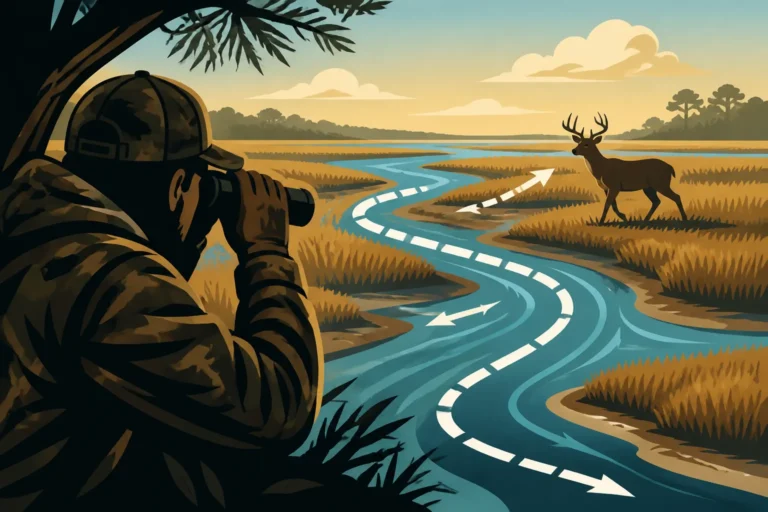
If there's one thing that defines hunting the Eastern Shore marsh, it's the tide. The ebb and flow of the Atlantic Ocean, channeled through the intricate creek systems, dictates everything from bird movement and feeding patterns to your ability to access hunting locations. Ignoring the tide isn't just a mistake; it can be a recipe for getting stranded or missing peak hunting opportunities.
Birds, especially dabblers, often feed most actively during certain tide stages. A falling tide can pull water out of shallow ponds and mudflats, concentrating invertebrates and small fish, making them easier pickings for ducks. A rising tide, conversely, can flood new areas, making fresh feeding grounds accessible. Many hunters prefer to set up on a rising or falling tide, strategically placing decoys in areas that will become prime feeding spots as the water moves. Understanding when the tide will be high or low at your specific hunting spot is crucial. This isn't just about reading a generic tide chart; local conditions, wind direction, and even moon phase can subtly alter the predicted times. A strong northwest wind, for example, can push water out of the bay and marsh, creating exceptionally low tides, while an easterly wind can stack water up, leading to higher-than-normal levels. Always check local tide charts and factor in recent weather patterns.
Beyond feeding, tides also dictate navigation. A favorite creek you confidently ran in at high tide can become a treacherous mudflat at low tide, stranding your boat miles from the launch. Conversely, some prime spots might only be accessible by boat during high tide, leaving you with a long, muddy walk if you mistime your exit. It's a humbling lesson many marsh hunters learn the hard way. Always have a plan for varying water levels, and consider exploring your chosen area during different tides before opening day.
Navigating the Unique Terrain
The Eastern Shore marsh isn't just water; it’s a mosaic of tall Spartina grass, winding creeks, soft mudflats, and hidden channels. This unique topography makes navigation a continuous challenge and demands specialized equipment and keen awareness. The sheer vastness of it, coupled with often similar-looking grass islands, can disorient even experienced hunters, especially in fog or low light.
Mapping tools are your best friend here. Services like GoHunt provide detailed satellite imagery and property boundaries that are invaluable for understanding the layout of the marsh, identifying hidden creeks, and pinpointing potential hunting spots. Always mark your route, your hunting location, and your launch point on a GPS or a mapping app on your phone, and carry a backup. It's shockingly easy to get turned around when every grass island looks the same. I've heard stories, and personally experienced, that heart-sinking moment when you realize the sun has risen, the fog has rolled in, and your "easy" return path has vanished into a maze of indistinguishable channels.
Beyond navigation, consider the ground itself. Much of the marsh bottom is incredibly soft, silty mud that can suck the boots right off your feet. You'll often be pushing through thick, chest-high grass, dragging decoys, and setting up in areas that require significant effort to access. This isn't your grandfather's dry-field hunt. It demands a different level of physical fitness and mental preparation. Scouting, even just by boat or aerial map, to identify firmer bottom or more defined channels will save you a lot of grief. Remember, while the marsh looks uniform from a distance, it's actually incredibly diverse, with subtle differences in elevation, vegetation, and bottom composition creating unique microhabitats.
Essential Gear and Preparations for Marsh Hunting
Success in the Eastern Shore marsh isn't just about knowing the birds; it's about being prepared for the environment. The marsh demands robust gear, specialized transport, and a meticulous approach to safety. Skimping on preparation here can quickly turn a hopeful morning into a miserable, or even dangerous, ordeal.
Waterfowl Rigs and Decoy Spreads
Your mode of transport and your decoy setup are paramount for marsh hunting. Given the shallow, often muddy conditions, a traditional V-hull boat can be severely limiting. Many successful marsh hunters rely on specialized shallow-draft boats like jon boats, mud motor rigs, or even kayaks and canoes for accessing the deepest, most inaccessible spots. A mud motor, specifically designed to push through thick vegetation and shallow mud, can be a game-changer for reaching untouched areas. It's an investment, but for dedicated marsh hunters, it pays dividends.
As for decoys, the marsh typically calls for larger spreads than you might use in a small pond. Visibility is key in the vast open spaces. Most hunters will deploy a mix of mallard and black duck decoys for dabblers, often with a few gadwalls or pintails mixed in to add variety. For diving ducks, big spreads of bluebills, canvasbacks, and redheads are common, often deployed on long lines (gang rigs) in open water. Motion decoys, like spinning wing teal or flapping mallards, can also be highly effective, especially on calm days to grab attention from a distance. However, be mindful of local regulations regarding motion decoys, as rules can vary.
Consider the species you're targeting. If you're after wary black ducks, realism in your decoys and a more subtle approach to your spread, mimicking feeding birds, can be more effective than sheer numbers. For snow geese, you're looking at hundreds, sometimes thousands, of decoys to even hint at realism, often requiring specialized snow goose socks or full-bodied decoys. The specific layout, size, and species composition of your spread should be tailored to the exact location, water depth, and target birds.
Waders, Boats, and Cold-Weather Protection
The Eastern Shore marsh is rarely a dry place, and the weather is notoriously unpredictable. Therefore, appropriate clothing and waterproof gear are non-negotiable. Quality waders are your foundation. Chest waders, preferably insulated neoprene or breathable GORE-TEX with sturdy boots, are essential for navigating the shallow water, retrieving downed birds, and setting decoys. Waders for Bay Marsh Hunting need to be durable enough to withstand sharp shells and abrasive marsh grass, while also providing enough warmth for cold, exposed mornings. Layering underneath your waders is critical for temperature regulation; avoid cotton, which holds moisture and robs you of warmth.
Beyond waders, a reliable boat is your lifeline. A sturdy jon boat with a shallow-running outboard or a mud motor is standard. Always carry all required safety gear: life vests for everyone on board, a whistle, navigation lights (if hunting pre-dawn or post-dusk), a fully charged battery, and a paddle or push pole for emergencies. A strong anchor and plenty of rope are also essential, as the tides and winds can quickly move an unanchored boat.
Cold-weather protection means more than just a warm jacket. It's about a complete system of layering. Start with a moisture-wicking base layer, add insulating mid-layers like fleece or wool, and top it off with a waterproof and windproof outer shell in a suitable camouflage pattern. Don't forget insulated gloves or mittens, a warm hat that covers your ears, and even hand warmers for those truly biting days. The combination of cold water, wind, and minimal natural cover means hypothermia is a real risk if you're not properly dressed. I’ve had many hunts where a sunny, calm morning quickly turned into a bone-chilling, windy afternoon, leaving unprepared hunters shivering back at the launch.
Navigational Tools and Safety Gear
As mentioned, getting lost in the marsh is a genuine concern, particularly in fog or darkness. A reliable GPS unit or a smartphone with a robust mapping app (like GoHunt) is absolutely indispensable. Download offline maps of the area before you go, as cell service can be spotty or nonexistent in remote marshland. Mark your launch point, your chosen hunting spot, and any tricky channels or obstacles you encounter. A compass and paper map are excellent backups, and knowing how to use them is a valuable skill.
Safety extends beyond navigation. Always let someone know where you're going and when you expect to return. This "float plan" is crucial in case of an emergency. Carry a waterproof dry bag with essentials: a first-aid kit, extra clothes, fire-starting materials, a multi-tool, and a fully charged power bank for your phone. A powerful headlamp or spotlight is also vital for navigating in low light. When you're dealing with the vastness of the marsh, particularly in the pre-dawn darkness or post-sunset gloom, the ability to see and be seen can save lives.
Lastly, be mindful of your firearms and ammunition. Where Nontoxic Shot Is Required in Virginia is a critical piece of information for any waterfowl hunter, and marsh hunting falls squarely under these regulations. Steel shot, bismuth, or tungsten-iron alloys are mandatory for all waterfowl. Make sure you're using the correct shot size and choke for your chosen firearm and the birds you're targeting. Pattern your shotgun before the season to ensure it's performing optimally with your chosen loads.
Proven Tactics for Success in the Marsh
Hunting the Eastern Shore marsh isn't just about showing up with gear; it's an art that combines an understanding of waterfowl behavior, camouflage, and the relentless influence of the tides and weather. Developing a nuanced approach is key to consistently filling your strap.
Setting Up for Diver and Dabbler Ducks
The distinction between setting up for divers and dabblers is fundamental in the marsh. They use different parts of the habitat and respond to different decoy strategies.
For dabbling ducks, focus on the shallower, protected areas of the marsh: the small ponds, flooded cuts, and the edges of tidal creeks where feed is abundant. These spots are often characterized by Spartina grass and a muddier bottom. Set your decoys in a natural feeding pattern, leaving a landing zone for incoming birds directly in front of your blind or concealment. A "J" or "U" shaped spread is common, with the opening facing downwind to allow birds to land into the wind. Include a few black ducks, as they are a staple here and notoriously wary; realistic black duck decoys can often pull in mallards and other dabblers too. Subtle calling, mostly quacks and soft greetings, works best for dabblers, mimicking contented birds on the water. Early season, when teal are abundant, you might even consider specific teal decoys and higher-pitched whistles to draw them in.
Diving ducks, in contrast, prefer open water. Look for deeper tidal creeks, the mouths of rivers emptying into the bay, or even open bay waters near the marsh edges. Decoy Spreads for Chesapeake Bay Divers often involve larger numbers of decoys, frequently deployed on long lines (gang rigs) that mimic a raft of birds. These lines can be hundreds of feet long, anchored at both ends, and spread out in front of your layout blind or boat blind. Divers tend to fly faster and lower over open water. They might circle once or twice but are less likely to commit to multiple passes like dabblers. Setting up far from shore, perhaps 50-100 yards out, can put you directly in their flight path. Calling for divers is typically limited to loud, sharp hails or "chatter" to grab their attention from a distance, but not as continuous or varied as dabbler calling.
Concealment and Blind Strategies
Concealment in the marsh is paramount, but it's also incredibly challenging. The flat, open landscape provides little natural cover, and waterfowl flying high over the marsh have an unobstructed view. Your blind needs to blend seamlessly into the environment.
Many marsh hunters use boat blinds, camouflaged with marsh grass or specialized netting that matches the local vegetation. These blinds are often custom-built to fit their specific boat and deploy quickly. For ultimate concealment, a layout blind, set directly on a mudflat or hidden within a clump of thicker grass, offers a low profile that can be incredibly effective, especially for wary divers. Layout Blind Hunting Eastern Shore Fields tactics can be adapted for marsh edges where there's slightly firmer ground. The key is to break up your silhouette completely. Birds have exceptional eyesight, and anything that looks out of place—a glint of a face, an unnatural straight line—will flare them.
Natural vegetation can be your best friend. Look for dense clumps of Spartina or Phragmites that you can tuck into or build around. Portable marsh blinds, constructed from lightweight materials and covered with natural grass or camouflage netting, are also popular. The goal is to become invisible. Think about your approach to the blind; don't stomp through the very area you intend to hunt, leaving a human scent trail or disturbing the bottom. Consider the sun's position and wind direction when choosing your setup, as both can reveal your position or hinder your ability to shoot effectively. Always put in the extra effort to brush in thoroughly; it’s never wasted time.
Reading the Wind and Tides
These two forces are the marsh hunter's constant companions, dictating nearly every aspect of a successful hunt. Learning to "read" them is an acquired skill that comes with experience.
The wind plays a crucial role in waterfowl behavior. Ducks almost always land and take off into the wind, as it provides lift. This means you want your decoy spread set up so that incoming birds will naturally funnel into your shooting lane, landing directly in front of your blind. A strong wind can also push birds to seek more sheltered areas within the marsh, or conversely, cause them to raft up in open water for safety. It can also create choppy conditions, making decoy spreading and boat handling more difficult. Always position your blind or boat with the wind at your back or quartering, so birds are flying towards you as they commit to the decoys.
As discussed, tides control access and feeding. Reading a Tidal Creek for Deer Movement can provide insights into how water flow affects all wildlife, including ducks. Ducks often move between resting areas and feeding grounds with the changing water levels. During low tide, shallow areas may be exposed, concentrating food sources. During high tide, previously inaccessible areas might open up. You need to know the tide schedule for your specific location and plan your hunt around it. Many hunters prefer a tide that is either coming in or going out, rather than a slack tide, as moving water tends to encourage birds to be more active. A simple tide chart, combined with local knowledge, will become one of your most valuable tools. Remember that wind can significantly influence tide levels; a strong nor'easter will bring higher tides, while a sustained westerly wind can push water out, creating extreme lows.
Accessing and Respecting the Eastern Shore Marsh
The vastness and unique character of the Eastern Shore marsh mean that access can be complicated. It's a mix of private land, state-managed public areas, and federal wildlife refuges, each with its own set of rules and challenges. Understanding these distinctions and upholding ethical hunting practices are fundamental to ensuring continued access and a healthy ecosystem.
Public vs. Private Access Points
Finding a place to hunt on the Eastern Shore requires homework. Much of the marshland adjacent to private property is, predictably, private. Gaining access here means securing permission from landowners, which often comes through established hunting leases or personal connections. For those without private access, Virginia offers several excellent public hunting opportunities.
The Virginia Department of Wildlife Resources (DWR) manages several Wildlife Management Areas (WMAs) on the Eastern Shore that offer waterfowl hunting. These areas often have specific regulations, including quota hunts, blind draw systems, or designated hunting days. It's crucial to check the DWR regulations annually for specific WMA rules, as they can change. Federal lands, such as portions of the Eastern Shore of Virginia National Wildlife Refuge, also offer hunting, but these typically involve a permit application process and often have very limited access through a draw system. For example, Eastern Shore Barrier Island Access might refer to specific federal programs or unique regulations for those fragile ecosystems. The key is to research your desired hunting area well in advance, understand the application processes and deadlines, and follow all rules to the letter. Don't assume that if it looks wild and remote, it's public and open to all; that's a quick way to find yourself in trouble.
Beyond designated hunting areas, understanding property lines is critical. Tools like GoHunt or OnX Hunt are invaluable for overlaying property boundaries on satellite imagery, helping you discern what's public and what's private. Always know where you are and respect posted signs. Even if you're hunting public water, inadvertently retrieving a bird from private land without permission can lead to legal issues.
Ethical Hunting and Conservation
Hunting the Eastern Shore marsh isn't just a recreational pursuit; it's a privilege that comes with significant responsibility. Ethical hunting practices are not only about obeying the law but also about upholding the integrity of the sport and contributing to conservation efforts.
Respect for the resource means taking only what you need and adhering strictly to bag limits and season dates. Virginia Duck and Goose Bag Limits are set to ensure sustainable populations, and exceeding them undermines these efforts. It also means making every effort to retrieve downed birds. The marsh can be incredibly challenging for retrieves, but leaving a bird to waste is an unacceptable practice. A well-trained retriever dog is an invaluable asset in this environment, not just for efficiency but for ethical hunting.
Beyond individual conduct, every waterfowl hunter contributes to conservation through the purchase of licenses, stamps, and equipment. The Federal Duck Stamp, a mandatory purchase for all waterfowl hunters 16 and older, directly funds the acquisition and preservation of wetlands habitat across the country, including in Virginia. Virginia Federal Duck Stamp Requirement is more than just a fee; it's an investment in the future of waterfowl. Similarly, state hunting licenses and Virginia HIP Certification for Bird Hunters contribute to local conservation programs. Being an ethical hunter also means understanding the nuances of the habitat and contributing to its long-term health, perhaps through volunteering for marsh cleanup efforts or supporting conservation organizations like Ducks Unlimited. The Eastern Shore marsh is a truly special place, and its future depends on hunters being responsible stewards of this incredible natural resource.
| Species Group | Preferred Habitat | Typical Decoy Spread Size | Common Decoy Species | Notes for Eastern Shore Marsh |
|---|---|---|---|---|
| Dabblers | Shallow, protected guts, tidal ponds, marsh edges with vegetation | 1-3 dozen | Mallard, Black Duck, Teal, Gadwall | Realistic setups, often in "J" or "U" pattern. Black ducks are wary. |
| Divers | Deeper tidal creeks, open bay edges, impoundments | 3-6 dozen (or more for canvasbacks) | Bluebill, Canvasback, Redhead, Bufflehead | Often on long lines (gang rigs). Visibility and numbers are key. |
| Canada Geese | Marsh edges near agricultural fields, larger open marsh pockets | 1-4 dozen (full body or shell) | Canada Goose | Mix with duck decoys for variety, or hunt fields separately. |
| Snow Geese | Large open mudflats, agricultural fields, bay shores | Hundreds to thousands (socks, shells, full body) | Snow Goose | Requires massive numbers for consistent decoying. |
Disclaimer
Hunting is an inherently dangerous activity. The information provided in this guide is for informational purposes only and should not be considered a substitute for personal research, professional instruction, or adherence to all applicable laws and regulations. Always prioritize safety, wear appropriate personal protective equipment, and be aware of your surroundings. Regulations regarding hunting seasons, bag limits, and methods can change; always consult the most current Virginia Department of Wildlife Resources (DWR) regulations before heading afield.