James River Wildlife Management Area
Hunting public land can often feel like trying to solve a puzzle with half the pieces missing, especially when you're eyeing a place as rich and diverse as the James River Wildlife Management Area. It's easy to get overwhelmed by the sheer size, the changing landscape, and the specific regulations that apply to these cherished hunting grounds. This comprehensive guide is designed to cut through that confusion, giving you a detailed look at what makes James River WMA unique, how to navigate its challenges, and how to maximize your hunting success in this beautiful part of Central Virginia.
Welcome to James River WMA: Your Central Virginia Hunting Hub
The James River Wildlife Management Area, often just called "James River WMA" by folks who hunt it regularly, is a real gem nestled right in the heart of Virginia. When you think of public land hunting, sometimes images of sprawling, remote national forests come to mind. But James River WMA offers a different, equally compelling experience. It's a place where the majestic James River itself plays a starring role, shaping the land and influencing every aspect of the wildlife habitat. If you've ever felt like public hunting can be a faceless experience, James River WMA quickly makes you feel like you're getting to know a specific, dynamic piece of wild Virginia.
Location and Landscape Overview
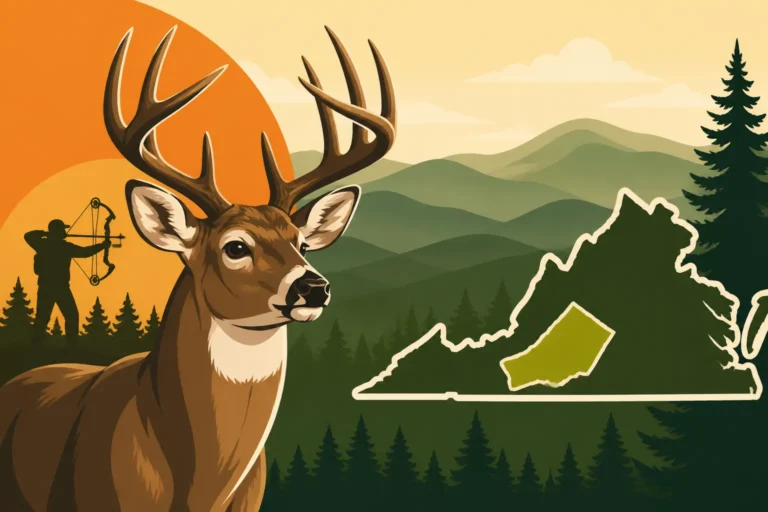
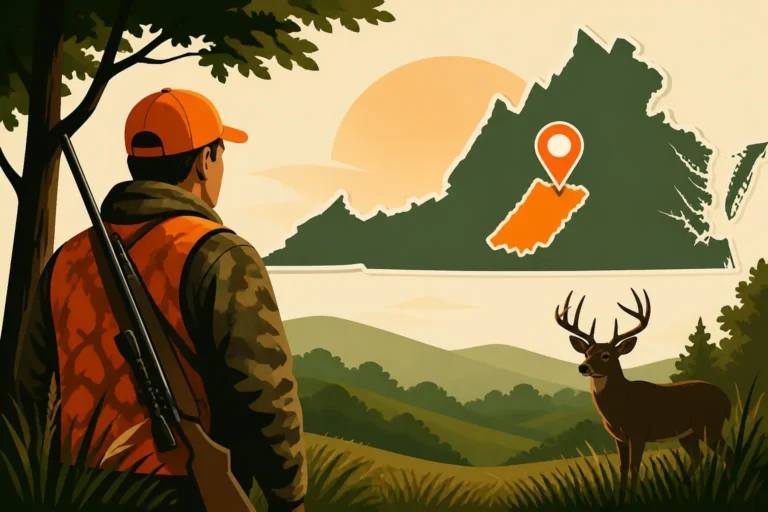
This WMA is situated in north-central Virginia, primarily within northern Cumberland County. It's not far from communities like Farmville and Scottsville, making it relatively accessible for many hunters across the state. The landscape here is a beautiful mix, characterized by its immediate proximity to the James River. You'll find expansive bottomland hardwoods, old agricultural fields now managed for wildlife, and rolling uplands with various timber types, from mature pines to mixed oak forests. This varied topography creates a mosaic of habitats that supports a wide array of game species, often in surprising density given its public status. You might start your day slipping through a foggy river bottom and end it glassing an upland field edge, experiencing completely different hunting scenarios within a few hundred yards.
Why James River WMA Stands Out
What truly sets James River WMA apart is its incredible diversity and its active management for hunting. Unlike some public lands that are primarily timber production or general recreation areas, WMAs like James River are specifically acquired and managed by the Virginia Department of Wildlife Resources (DWR) with wildlife and public hunting in mind. This means active habitat work is often underway, from prescribed burns to managed food plots, all designed to enhance conditions for game. For hunters, this translates into better opportunities and a more targeted approach to habitat improvement than you might find elsewhere. Plus, the sheer size of it allows for plenty of room to roam, offering a sense of wildness even though you're not deep in the remote mountains. It’s also one of those places that gets plenty of attention for deer, but offers incredible opportunities for other species too. Virginia Wildlife Management Areas are truly special for this reason.
A Note on River-Influenced Hunting
The James River itself is not just a boundary; it's an integral part of the WMA's ecosystem and your hunting experience. The river dictates the lay of the land, creating rich alluvial soils in the bottomlands that produce abundant mast crops. It also provides vital water sources and travel corridors for wildlife. During high water events, parts of the WMA can flood, which, while sometimes inconvenient, creates new opportunities by pushing deer and other animals to higher ground or opening up access via boat to otherwise difficult-to-reach areas. Understanding the river's ebb and flow, both literally and figuratively, is key to success here. You'll quickly learn that a fresh rain can turn a dry creek bed into a noisy crossing, or a slight rise in the water level can mean the difference between an easy walk and a slog through mud.
Unpacking the Terrain: What to Expect on Your Hunt
Alright, let's talk about the ground you'll actually be walking on. Hunting at James River WMA isn't like hunting a uniform pine plantation or an endless mountain ridge. It's a dynamic landscape, and understanding its nuances is crucial for developing effective hunting strategies. Many hunters get frustrated because they treat all public land the same, but the truth is, each WMA has its own distinct personality shaped by its topography and the environment around it.
Bottomlands, Bluffs, and Timber Types
The terrain at James River WMA can be broadly categorized into the flat, fertile river bottomlands and the rolling, sometimes steep, uplands. The bottomlands, as you'd expect, are adjacent to the James River and its various tributaries and sloughs. Here, you'll find mature hardwoods – think towering oaks and poplars – that provide excellent mast crops for deer and turkeys. This can be incredibly thick country, with dense undergrowth in places, making for challenging but rewarding still-hunting or stand setups. As you move away from the river, the land begins to rise into bluffs and then into more gently rolling upland terrain. These uplands feature a mix of timber, including pine plantations in various stages of growth, mixed hardwood forests, and often old fields that have been allowed to revert to brush or are actively maintained as early successional habitat. Each of these timber types and topographical features offers different benefits and challenges for both the hunter and the game. For deer, understanding where they travel between these diverse areas is key.
The Influence of the James River
We've touched on it, but it's worth reiterating: the James River isn't just a pretty backdrop; it's a major player in the WMA's habitat. Beyond the occasional flooding, the river creates natural funnels and travel corridors that deer, turkeys, and other wildlife use consistently. Deer will often follow the river's edge, using the dense cover it provides as a natural highway. The numerous sloughs, oxbows, and small creeks that snake through the bottomlands also provide essential water sources and can act as barriers or crossing points, depending on water levels. For waterfowl hunters, these backwaters and sloughs are invaluable. Observing the river's behavior – where it creates cover, where it carves out travel routes, and where it provides food – is like having a cheat sheet for wildlife movement.
Seasonal Changes and Their Impact
Hunting the James River WMA means adapting to significant seasonal changes. In the early archery season, the bottomlands can be a sweltering, buggy jungle, but also a hotspot for early mast crops like soft mast. Come late fall, with the leaves off the trees, visibility opens up dramatically, and the river bottom can become a superhighway for rutting bucks. In winter, when temperatures drop and natural food sources diminish, deer might concentrate more heavily on browse in upland areas or specific managed food plots. Water levels in the river and its associated sloughs also fluctuate. A dry fall might mean easy access to areas that are normally boggy, while a wet spell can make certain sections impassable without waders or a boat. Paying attention to these seasonal shifts in vegetation, water, and food availability will inform your scouting and stand placement profoundly.
Hunting Opportunities: What Game You Can Pursue
One of the most appealing aspects of James River WMA is the variety of game available, allowing hunters to chase different species throughout the year. While deer certainly draw the most attention, overlooking the other opportunities would be a mistake.
Deer Hunting: Challenges and Rewards
Deer hunting is undeniably the main attraction at James River WMA. The WMA holds a healthy population of white-tailed deer, with a good mix of age classes, particularly in areas with dense cover that allows bucks to mature. The challenges, however, are real. This is public land, so you'll contend with hunting pressure, especially on opening days of firearms season. Finding success often means venturing deeper, working harder, and employing tactics that allow you to capitalize on the deer's natural tendencies to avoid pressure. This might involve setting up treestands in overlooked pockets, still-hunting Jefferson Forest ridges (though here it's more about James River bluffs!) or executing small, quiet deer drives with a few buddies to move deer out of thick cover.
Rewards can be substantial, from harvesting antlerless deer for the freezer to tagging a mature buck that has navigated the challenges of public land. The diverse habitat, from thick river bottoms to managed fields, offers a variety of setups depending on the time of year and deer movement patterns. Don't be surprised to find deer using the dense cover right along the river as a sanctuary, only to emerge into nearby fields at dawn or dusk. Remember to always be aware of Virginia Deer Season Structure Explained and specific WMA rules.
Turkey and Small Game Prospects
Beyond deer, James River WMA offers excellent opportunities for wild turkeys, especially during the spring season. The extensive hardwood forests in the bottomlands and uplands provide ideal roosting sites and abundant food sources like acorns. Turkeys can be found throughout the WMA, and with good scouting, you can often locate active birds. Virginia Spring Turkey Season Rules are essential reading before heading out. The key, as with deer, is often getting away from the most obvious access points and finding quieter pockets where turkeys feel more secure. Run-and-gun tactics, covering ground and listening for gobblers, can be very effective here.
Small game hunting is also a vibrant part of the WMA's offerings. Squirrels are plentiful in the mature hardwoods, offering a fun and accessible hunting experience. Rabbit populations can be strong in areas with thick brush, old fields, and fencerows. These pursuits are fantastic ways to introduce new hunters to the outdoors or to simply enjoy a more relaxed day afield after deer season closes.
Waterfowl and Furbearer Potential
While not exclusively a waterfowl destination like some coastal WMAs, James River WMA does offer limited but often rewarding waterfowl hunting. The James River itself, along with its numerous sloughs, ponds, and beaver swamps within the WMA, can attract various duck species, particularly wood ducks and mallards. Hunters willing to put in the effort to scout these smaller water bodies and possibly utilize a kayak or canoe for access can find some excellent shooting.
Additionally, the WMA's rich habitat supports a healthy population of furbearers. Coyotes are prevalent, offering year-round hunting opportunities and playing a vital role in predator management. Raccoons, opossums, and beavers also call the WMA home, providing trapping opportunities for those with the appropriate licenses and skills. These species help maintain the ecological balance and can offer a different kind of challenge for the dedicated hunter or trapper.
Navigating the WMA: Access, Rules, and Essential Tools
Public land hunting always comes with a certain level of administrative hurdles and navigational challenges. James River WMA is no exception. Understanding how to legally access the land, adhere to regulations, and use modern tools will significantly reduce frustration and improve your overall experience. Don't let paperwork or mapping headaches cut into your hunting time!
Entry Points and Parking Considerations
James River WMA has designated parking areas and access points, which are typically well-marked by the DWR. It's crucial to consult a detailed map (physical or digital) before you go to identify these points. Some areas might have multiple entry options, while others are more restricted. Pay close attention to signage at parking lots, as some might have specific hours or rules. During peak hunting seasons, especially opening weekends for deer, these parking areas can fill up quickly. Arriving early is often a good strategy to secure a spot and get a head start on walking into your chosen hunting area. Remember, some of the best hunting spots require a longer walk, so don't be afraid to put in the miles away from the crowds.
Understanding WMA Regulations and Permits
Hunting on any Virginia WMA requires not only a valid Virginia hunting license but also a specific WMA access permit, unless you fall under certain exemptions (such as being a landowner hunting on your own land that is part of the WMA, which is rare, or being under 17). This permit is typically an annual purchase and helps fund the management of these invaluable public resources.
The regulations specific to James River WMA are paramount. These can include restrictions on certain weapons, special season dates that differ from statewide regulations, requirements for blaze orange requirements, rules regarding treestand placement, and prohibitions on baiting or permanent blinds. You must check the Virginia DWR regulations summary for the current year, specifically for James River WMA, before every hunt. Ignorance of the rules is never an excuse, and violations can lead to hefty fines or loss of hunting privileges. Make it a habit to review the DWR website or app regularly. Familiarize yourself with Virginia WMA Access Permit Sign-In Process for a smooth entry.
Leveraging Mapping Apps for Success
In today's hunting world, digital mapping applications are practically essential, especially on diverse public lands like James River WMA. Tools like onX Hunt and GoHunt offer incredible advantages. These apps provide detailed satellite imagery, topographical maps, property boundaries (distinguishing public from private land, which is critical near WMA borders), and the ability to mark waypoints for stands, game sign, or access routes.
Imagine scouting an area from home, marking potential stand locations or natural funnels, and then navigating directly to them in the field with GPS accuracy. These apps can even work offline, which is a lifesaver when you're deep in the WMA with no cell service. They allow you to accurately judge distances, understand the lay of the land, and ensure you're always on legal hunting ground. You can also use them to record blood trails or the location of a downed animal, making recovery efforts much more efficient. Using the Go Outdoors Virginia Map Tool from the DWR is another excellent resource that often integrates WMA boundaries and regulations directly.
Preparing for Your Trip: Gear, Safety, and Scouting Tips
A successful and safe hunt at James River WMA starts long before you ever step foot in the woods. Being prepared for the specific conditions of this area, understanding the safety protocols, and putting in the pre-season work will significantly boost your chances of a rewarding experience.
Recommended Gear for River Bottom Hunting
Given the mixed terrain and potential for wet conditions, your gear choices can make a big difference. For footwear, durable, waterproof boots are non-negotiable. Whether you prefer rubber boots for the inevitable mud and potential shallow water crossings or a sturdy pair of leather hikers treated for water resistance, keeping your feet dry will make your hunt much more enjoyable. Layers of clothing are always wise in Virginia, as weather can change rapidly. Early season might call for lightweight, breathable camouflage, while late season demands insulated, waterproof outerwear.
A reliable backpack is essential for carrying your essentials: water, snacks, first-aid kit, game processing tools, and any calls or scents you might use. Given the density of some areas, a good set of pruning shears or a folding saw can be handy for clearing shooting lanes or paths to your stand. And, of course, your weapon of choice, whether it's a rifle, shotgun, muzzleloader, or bow, should be thoroughly patterned and sighted in for the ranges you expect to encounter. Don't forget a headlamp for those early morning walks in or late evening walks out. If you're using a treestand, make sure it's in good working order and always use a safety harness. Check out Boots for Virginia Swamps and Ridges for more insights on footwear.
Safety First: Water, Terrain, and Other Hunters
Safety is paramount, especially on public land. The James River, while beautiful, can be dangerous, particularly after heavy rains or during high water. Be aware of swift currents if you're near the river or its larger tributaries. Always know your physical limits, especially when traversing uneven, muddy, or steep terrain.
Hunting pressure means you need to be acutely aware of other hunters. Always wear the required blaze orange during firearms seasons, even if you are archery hunting at the same time and are not otherwise required to. Practice safe firearm handling, always identify your target and what's beyond it, and never assume you're the only one in an area. Communication with hunting partners is vital, whether through two-way radios or pre-planned meeting points. Carrying a fully charged cell phone (and a portable charger) is always a good idea, even if signal is spotty, for emergency situations. Consider a small first-aid kit with essentials for cuts, scrapes, and insect bites.
Pre-Season Scouting for an Edge
You've heard it a million times, but it bears repeating: scouting is the single biggest factor in consistent hunting success, especially on public land. James River WMA is vast, and a little pre-season legwork can save you countless hours of wandering aimlessly during the season. Start with those mapping apps like onX Hunt and GoHunt to identify potential pinch points, funnels, bedding areas, and food sources. Look for areas away from easy access points, as these often hold less pressured game.
Then, hit the ground. Walk the trails, explore creek bottoms, and climb the bluffs. Look for fresh sign: rubs, scrapes, tracks, and droppings. Identify mast trees (oaks, persimmons) and observe food plot conditions. Note natural barriers and travel corridors. Even in the dead of summer, you can learn invaluable information about deer and turkey patterns. Scouting Virginia Public Land Before Season is not just a suggestion, it's a strategic necessity. Understanding pressure points, finding hidden trails, and discovering secluded pockets of cover can be the difference between seeing a lot of taillights and seeing antlers.
| Habitat Feature | Typical Game Species | Hunting Considerations |
|---|---|---|
| River Bottom Hardwoods | Deer, Turkey, Squirrels, Furbearers | Excellent mast crops, can be very thick, prone to seasonal flooding, good travel corridors |
| Upland Mixed Forests | Deer, Turkey, Squirrels, Predators | Varied mast, bedding areas, can offer better visibility than bottomlands, thermal cover |
| Pine Plantations (young) | Deer, Rabbit, Predators | Dense bedding and thermal cover, difficult to navigate quietly, good for small game drives |
| Open Fields / Edges | Deer, Turkey, Doves, Rabbit | Good for glassing at dawn/dusk, popular for food sources, can attract multiple species |
| Sloughs / Creeks | Waterfowl, Deer, Furbearers | Water sources, travel routes, requires appropriate footwear/waders, ambush points |
Disclaimer
This article is for general informational purposes only and does not constitute professional advice. Laws, prices and regulations vary by location and change over time. Consult a qualified professional for guidance on your specific situation.