Hunting Ramsey’s Draft Wilderness Edges
Stepping into the vast, wild embrace of places like Ramsey's Draft Wilderness can feel like an entirely different world compared to hunting a familiar woodlot or farm edge. The sheer scale, the lack of infrastructure, and the specific rules can be intimidating, leaving many hunters wondering how to even begin. But don't let that overwhelm you; this guide is all about equipping you with the practical knowledge to confidently approach and successfully hunt the edges of Ramsey's Draft Wilderness, understanding its unique challenges and opportunities.
Understanding Ramsey's Draft Wilderness and Its Edges
Ramsey's Draft Wilderness, nestled within the larger George Washington National Forest, is a gem for those seeking a truly primitive hunting experience. It's a place where the mountains still feel wild, the sounds of modern life fade, and the challenge of the hunt feels deeply elemental. But this wilderness designation comes with specific rules and unique considerations that shape how you can hunt it, especially along its boundaries.
What Makes a Wilderness Area Different for Hunters?
When an area is designated as "wilderness," it means the land is managed to retain its primeval character and influence, without permanent improvements or human habitation, and is protected and managed so as to preserve its natural conditions. For hunters, this translates into some fundamental differences you absolutely need to be aware of. The biggest is the "no mechanized travel" rule. This isn't just about ATVs; it means no mountain bikes, no chainsaws, and often, even power tools are out. If you're going in, it's on foot or horseback. This also means any game you take has to be packed out by hand. There are no forest service roads to drive down for a quick retrieve here.
This lack of mechanization shapes the entire experience. It means deeper, quieter penetration for those willing to put in the work. It also means you need to be entirely self-sufficient, as there are no facilities or easy bail-out points once you commit. This primitive experience is exactly what draws many hunters, but it demands a higher level of preparation and a deep respect for the land. Camping Rules on Virginia National Forest Land can often apply to wilderness, but always double-check specific wilderness regulations.
Identifying the "Edges" and Why They Matter
So, what exactly do we mean by the "edges" of Ramsey's Draft Wilderness? These are the transition zones where the designated wilderness boundary meets more accessible national forest land, forest service roads, or even private property. Think of them as the fringes, the seams where the wild truly begins but still interacts with areas that see more human activity or different management.
These edges are often golden opportunities for hunters. Why? Because animals, particularly deer and bear, frequently use the deep wilderness as a sanctuary, a safe haven from pressure. However, they need to venture out to feed, especially when natural mast crops within the wilderness are scarce, or during certain times of the year like the rut. These "edge" areas often contain different habitat types, younger timber cuts (just outside the wilderness boundary), or field edges on adjacent private land that offer attractive food sources. Animals will move from the security of the wilderness into these edges for sustenance, creating predictable travel corridors. Understanding these transition points is key to intercepting game that might otherwise be hidden deep within the nearly impenetrable interior. It's about knowing where the deer are coming from and where they're going, utilizing the wilderness itself as a natural funnel.
Scouting and Planning Your Hunt Around Wilderness Boundaries
You wouldn't just walk into a wilderness area hoping for the best, would you? The sheer scale and ruggedness of places like Ramsey's Draft demand diligent planning and thorough scouting. This isn't just about finding game; it's about safely and effectively navigating an environment that can quickly humble the unprepared.
Topographical Maps and Digital Tools are Your Best Friends
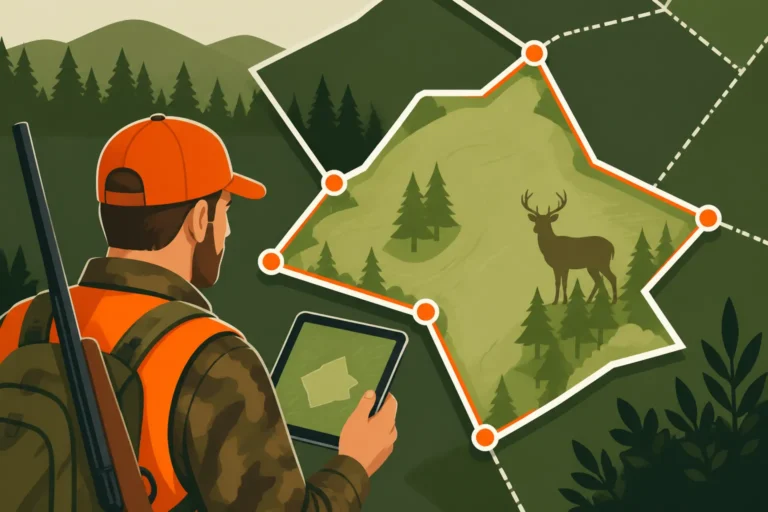
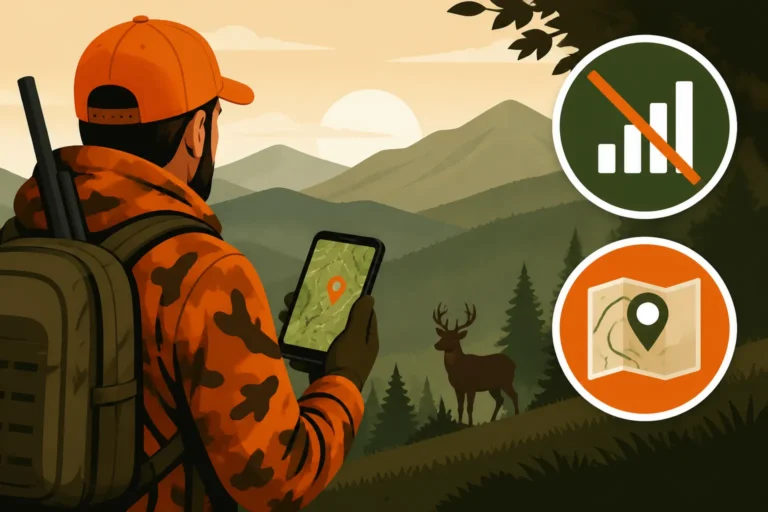
Before you ever set foot on the ground, your most powerful allies are detailed topographical maps and modern digital hunting apps. These tools allow you to visualize the terrain, identify potential hotspots, and plan your approach with precision. Look for contour lines that indicate benches, saddles, and drainages. These are natural travel corridors for deer and bear, especially on steep mountain slopes. A bench can be a critical bedding area or a staging point, a saddle a low point in a ridge that animals cross, and drainages offer concealed movement through thick cover.
This is where tools like onX Hunt really shine. You can layer satellite imagery with topo maps, identify property boundaries (crucial for wilderness edges where private land might abut), and mark potential access routes and stand locations. You can see forest service roads, trails, and identify areas of thicker or thinner timber. Another platform, GoHunt, offers similar mapping capabilities and can provide broader intel on game movement and habitat types within the region, helping you understand the overall landscape dynamics influencing the animals. Using these apps, you can drop pins on potential bedding areas, feeding zones, and those critical funnels along the wilderness boundary without even leaving your couch. It's about gaining a strong mental picture of the landscape before you ever strap on your pack. Reading Aerial Photos for Piedmont Deer can be adapted to mountain terrain by looking for similar features like changes in cover or elevation.
Physical Scouting: Boots on the Ground
While digital tools are invaluable for initial planning, there's absolutely no substitute for physical scouting. You need to put boots on the ground, especially in the off-season. This is when you can leisurely walk potential routes, identify fresh rub lines and scrapes from the previous season, find tracks along creek bottoms, and pinpoint actual bedding areas. Look for natural springs or seeps that could be consistent water sources, even in dry spells.
Pay particular attention to the actual wilderness boundary itself. Are there old logging roads that dead-end at the boundary? Are there dense thickets just inside the wilderness that offer impenetrable cover, forcing deer to use specific trails when they emerge? Mark these observations on your digital map. Your goal is to confirm what your maps suggested and uncover the subtle details that only a direct visit can reveal. Think about access points – where can you park without impeding others, and how far is that walk into your chosen area? Scout your entry and exit routes, noting obstacles or features that could make a quiet approach or a dark-of-night exit challenging. For example, Scouting Virginia Public Land Before Season is even more critical when dealing with wilderness boundaries, where detail matters.
Hunting Strategies for the Wilderness Edge
Once you've done your homework and understand the lay of the land, it's time to think about how you'll actually hunt these unique wilderness edges. The vastness and the lack of traditional access mean your tactics need to be a bit different from hunting smaller, more managed parcels.
Still-Hunting and Stand Placement
In the expansive terrain of Ramsey's Draft, still-hunting can be incredibly effective. This isn't about sitting in one spot all day; it's about slow, deliberate movement, taking a few steps, then stopping to observe and listen. You become part of the woods, blending in, and moving with the wind in your face or crosswind. Focus on terrain features like subtle benches, ridge lines, or the edges of dense laurel thickets. These are places where deer naturally move or seek cover. The quiet nature of wilderness areas also means your ability to hear and observe is enhanced.
For those who prefer a stand, consider portable treestands or saddle hunting setups on trees just outside the wilderness boundary, or within the national forest land adjacent, where regulations typically allow them. Treestand Setups in George Washington National Forest would apply here. Focus on placing stands along known travel corridors, especially those leading from deep wilderness cover to feeding areas on the edges. Quiet entry and exit are paramount. You want to slip in before first light and leave after dark without alerting any game. Pay close attention to wind and thermals, which are constantly shifting in mountain terrain. Wind and Thermals on a Blue Ridge Slope are a hunter's constant companion and can make or break a hunt in these areas.
Understanding Deer and Bear Movement Patterns
Deer in wilderness areas often behave differently than their counterparts in heavily hunted areas. They use the deep woods as an ultimate refuge. During daylight hours, they might be virtually unapproachable deep inside the wilderness. Your best bet is to intercept them as they transition. This means focusing your efforts during the low-light hours of dawn and dusk, when they're most likely to move between bedding areas inside the wilderness and feeding areas on the periphery. Look for subtle trails that funnel down from high ridges or out of thick cover towards softer edges, perhaps where a creek bottom offers easier travel, or where a clear-cut from years ago has grown into prime browse just outside the wilderness line.
Bear also use these areas extensively, especially during mast years. In fall, when acorns and other hard mast are abundant, bears will move through the wilderness, often following drainages and ridge lines, seeking out these food sources. The edges might provide different mast crops or easier access to water. Knowing Virginia's Black Bear Population and their habits is crucial. You'll want to look for scat, overturned rocks, and claw marks on trees, all signs that bears are active in the area.
Dealing with Hunting Pressure (or Lack Thereof)
One of the big draws of wilderness hunting is the promise of less human pressure. While the interior of Ramsey's Draft might truly offer that solitude, the edges, due to easier access, can sometimes see more hunters. However, even on the edges, you can find unpressured pockets if you're willing to walk a little further or climb a little higher than most.
Think about how other hunters typically access the area. Are there popular trailheads? Is there a particular forest road that gets a lot of traffic? If so, consider moving a quarter-mile or more away from those obvious points. Often, a steep ridge or a dense laurel thicket acts as a natural barrier, deterring casual hunters. This is where your physical scouting and detailed maps come in, helping you identify areas that look less appealing on the surface but might hold undisturbed game. Even if you encounter other hunters, remember that How Far to Walk From a Forest Road can often mean the difference between seeing pressured deer and those that are more relaxed. A mile off the road in these mountains feels like three anywhere else, and that's often all it takes.
Essential Gear and Wilderness Ethics
Hunting the edges of Ramsey's Draft Wilderness isn't just about strategy; it's also about being properly equipped and upholding a strong ethical standard. The wild nature of the area demands self-sufficiency and respect.
Gear Considerations for Extended Stays and Self-Sufficiency
Because you'll be packing everything in and out, lightweight and durable gear is paramount. Your pack needs to be capable of carrying not just your hunting essentials but also emergency supplies and, hopefully, game meat.
| Category | Essential Items | Why It's Crucial for Wilderness Edges |
|---|---|---|
| Navigation | GPS unit (plus phone app like onX Hunt), compass, paper map (topo) | Cell service is unreliable; redundant navigation is a must for safety. |
| Water | Water filter/purifier, collapsible bottles, hydration bladder | Carrying all water is heavy; filter allows access to natural sources. |
| Safety/Survival | First-aid kit, fire starter, headlamp (extra batteries), whistle, emergency shelter | Accidents happen; self-rescue might be your only option. |
| Game Care | Field dressing knife, game bags, cordage, rubber gloves | Prepare for processing game in the field; packing out quarters is often necessary. |
| Clothing | Layered system (base, mid, outer), rain gear, warm hat, gloves, wool socks | Mountain weather changes rapidly; staying dry and warm is critical. |
| Weapon | Rifle, bow, or muzzleloader (and ammo), properly sighted | Reliable, accurate tool for ethical harvest. |
Beyond these, consider a reliable pair of boots with good ankle support for the rugged terrain. Packs for a Jefferson Forest Day Hunt often applies to Ramsey's Draft as well, focusing on comfort and capacity. If you're hunting with a rifle, remember Virginia's Legal Firearms for Deer Hunting. For archers, know your Crossbow Rules During Virginia Archery Season. And for safety, always adhere to Virginia Blaze Orange Requirements.
Practicing Leave No Trace Principles
Hunting in a wilderness area carries a profound responsibility. The core principle is "Leave No Trace." This means that everything you pack in, you pack out. Absolutely no trash, no spent casings, no orange peel fragments. The goal is for no one to know you were ever there. This extends to your campsite if you're staying overnight – minimize your impact, use existing sites where possible, and disperse your activities to avoid creating new trails or compacted areas.
Ethical hunting is also paramount. This includes confident, ethical shot placement to ensure a quick, clean kill. In rugged terrain, a wounded animal can be incredibly difficult to recover, making a thorough Blood Trailing After Dark in Virginia even more challenging. Being prepared to track extensively and, if necessary, spend the night to recover game is part of the wilderness hunter's code. Respect for wildlife, the land, and other users (hikers, backpackers) ensures these wild places remain wild for generations to come.
Disclaimer
This article is for general informational purposes only and does not constitute professional advice. Laws, prices and regulations vary by location and change over time. Consult a qualified professional for guidance on your specific situation.