Which Virginia State Parks Allow Hunting
It’s a common frustration for Virginia hunters: you look at a map, see a sprawling state park, and think, "Surely there's some prime hunting ground in there!" But then you find out it's not quite that simple. Virginia's State Parks are beautiful, wild places, but they’re also managed for a variety of public uses, and hunting access is often limited and highly controlled. This guide will walk you through which Virginia State Parks do offer hunting opportunities, how to navigate their unique systems, and what you need to know to pursue game responsibly within their boundaries.
Navigating the Nuances of State Park Hunting in Virginia
When you picture hunting public land in Virginia, your mind probably jumps to the vast expanses of the George Washington and Jefferson National Forests or one of the many Wildlife Management Areas (WMAs) managed by the Department of Wildlife Resources (DWR). State parks, however, operate under a different philosophy, often prioritizing diverse recreational activities and preservation, which can make hunting access a bit more complex.
Why State Parks Aren't a Free-for-All
Unlike WMAs, which are explicitly managed for wildlife and public hunting, Virginia State Parks are overseen by the Department of Conservation and Recreation (DCR). Their primary mission revolves around conservation, recreation, and education for a broad public audience – think hiking, camping, fishing, and boating. This means that while wildlife abounds in many state parks, unchecked hunting access would conflict with their core mission and the safety of other park visitors enjoying those same natural resources.
It’s easy to get frustrated when you see healthy deer populations inside park boundaries but can’t just walk in with your bow. This limitation is actually a carefully planned management strategy. Wildlife populations, especially deer, within state parks can sometimes grow beyond what the habitat can sustainably support, leading to overbrowsing and ecological damage. This is where limited hunting, specifically through controlled quota hunts, becomes a vital tool. It helps maintain healthy ecosystems and balanced wildlife numbers while still allowing for the primary recreational uses of the park. It’s a delicate balance, and it’s why hunting isn’t a blanket allowance across all parks.
Understanding Virginia DWR's Role in State Parks
While the DCR manages the state parks, the DWR is the agency with the expertise and authority over hunting regulations and wildlife management in Virginia. So, when hunting opportunities do arise in state parks, it’s almost always a collaborative effort between the DCR and DWR. The DWR helps design and implement specific hunt programs, ensuring they adhere to statewide regulations, promote hunter safety, and effectively meet management objectives.
This partnership is crucial. The DWR brings its deep knowledge of wildlife populations, seasons, and effective hunting strategies, while the DCR ensures these activities are integrated seamlessly with park operations and public safety. This means that any hunting program you find in a Virginia State Park will be carefully vetted and structured, often looking quite different from hunting on a typical WMA. Hunters should always consult both DWR regulations and the specific park’s guidelines for any hunt.
Identifying Virginia State Parks with Hunting Opportunities
If you’re keen on hunting in a state park, you’re not entirely out of luck! While it’s not widespread, several Virginia State Parks do offer controlled hunting opportunities, primarily through special quota hunts. These are your best bet for accessing these unique hunting grounds.
The Quota Hunt System: Your Primary Pathway
The vast majority of hunting in Virginia State Parks occurs through a quota hunt system. This isn't like simply buying a Virginia Hunting Licenses and What They Cost and heading out. Instead, quota hunts are designed to limit the number of hunters, control the harvest, and ensure safety within sensitive park environments. Here’s how it generally works:
- Application Period: There's usually a specific window each year when hunters can apply for a chance to participate in these hunts. You'll submit your application through the DWR’s Go Outdoors Virginia system.
- The Draw: Because spots are limited, a random drawing (or "draw") is held to select successful applicants. This means you might not get drawn every year, and it certainly adds an element of anticipation! You can often apply for multiple different quota hunts, increasing your odds, but you need to pay attention to the Virginia Quota Hunt Application Window.
- Limited Numbers: The core idea is to reduce pressure. Instead of hundreds of hunters showing up, a quota hunt might allow only a handful of individuals or small groups to hunt a specific area on designated days. This creates a more focused hunting experience and reduces conflicts with other park users.
- Specific Dates and Areas: Hunts are typically confined to certain dates, often outside peak park usage, and to specific zones within the park that are deemed suitable for hunting.
This system is crucial for managing wildlife, particularly deer, in areas where overpopulation could lead to habitat degradation or increased deer-vehicle collisions on nearby roads. It’s also about providing a high-quality, safe hunting experience in a unique setting.
Specific Parks Known for Hunting Programs
While the exact parks offering hunts and the species available can change year to year based on wildlife populations and management needs, some Virginia State Parks have a history of hosting these special events. It’s always critical to check the most current DWR regulations and the DCR’s park-specific announcements.
Here’s a general overview of parks that have offered hunting in the past, and what you might expect. Remember, this information is for context, and you must verify current offerings before making plans:
| State Park Name | Typical Hunt Type | Primary Species Targeted | Common Season | Notes |
|---|---|---|---|---|
| Pocahontas State Park | Archery/Muzzleloader Quota | Deer | Fall/Winter | Often focused on antlerless deer to manage population numbers. |
| Sky Meadows State Park | Archery/Muzzleloader Quota | Deer | Fall/Winter | Known for its scenic beauty, hunts are carefully planned. |
| Smith Mountain Lake State Park | Archery/Shotgun Quota | Deer | Fall/Winter | Specific zones may be open for these controlled hunts. |
| Occoneechee State Park | Archery/Shotgun Quota | Deer | Fall/Winter | Focus on population management. |
| Chippokes State Park | Archery/Muzzleloader Quota | Deer | Fall/Winter | Offers a unique experience on historic plantation grounds. |
| Caledon State Park | Archery/Muzzleloader Quota | Deer | Fall/Winter | Known for bald eagle habitat, hunting is strictly controlled. |
| Belle Isle State Park | Archery Quota | Deer | Fall/Winter | Located on the Rappahannock River, good for focused deer management. |
Disclaimer: This table reflects typical offerings and is not a guarantee of current or future hunting opportunities. Always check the DWR and DCR websites for the most up-to-date information, application periods, and specific hunt details.
Most of these hunts target deer, often with a strong emphasis on antlerless harvest to control herd sizes, which aligns with Virginia Deer Season Structure Explained principles. Occasionally, some parks might also include turkey or other small game opportunities if management dictates. The focus is rarely on trophy hunting but rather on ecological balance.
Preparing for a State Park Hunt: Beyond the Basics
Getting drawn for a state park hunt is exciting, but it also means you’ve got some specific preparation to do. These aren't your typical public land hunts, and overlooking details can quickly turn a dream hunt into a frustrating experience.
Application Process and Deadlines
The application process for state park quota hunts is handled through the Virginia DWR's Go Outdoors Virginia system. This is the same portal where you manage your licenses, report harvests, and find information on Virginia Quota Hunt Application Window. Here’s a quick run-down of key considerations:
- Create an Account: If you don't have one already, you'll need to create an account on Go Outdoors Virginia. This is your central hub for all DWR-related activities.
- Monitor Announcements: Keep an eye on DWR and DCR websites and social media channels for announcements about upcoming quota hunts. The application period is usually well-publicized but can be easy to miss if you're not actively looking.
- Read the Regulations Carefully: Each hunt will have its own specific rules, dates, and boundaries. Do not assume anything. The DWR compiles an annual digest, but state park hunts often have supplementary details you'll need to read on the DCR's individual park pages.
- Apply Strategically: You can often apply for multiple hunts, but be mindful of overlapping dates or requirements. Some hunts might require a non-refundable application fee.
- Check Your Results: After the application period closes, results are usually posted online. If you're drawn, congratulations! You'll then typically need to confirm your participation and pay any additional hunt fees.
Missing a deadline or misunderstanding the rules can cost you a valuable hunting opportunity. Treat the application process with the same diligence you'd put into scouting your hunting spot.
Unique Regulations and Considerations
State park hunts often come with a distinct set of rules that go beyond the standard Virginia Deer Season Structure Explained. This is due to the multi-use nature of the parks and the need for heightened safety and control.
- Mandatory Check-in/Check-out: Many state park hunts require you to check in with park staff before your hunt and check out afterward, even if you don't harvest anything. This is a critical safety measure, ensuring all hunters are accounted for.
- Specific Hunt Zones: Hunting might only be allowed in designated areas, often clearly marked. Straying outside these zones can result in severe penalties. Pay close attention to maps provided by the park.
- Equipment Restrictions: Some hunts might be archery-only, or prohibit certain types of firearms. For example, a hunt near a residential area might be shotgun/muzzleloader only, even if rifles are generally legal for deer in Virginia. Always confirm Crossbow Rules During Virginia Archery Season or specific firearm types allowed.
- Blaze Orange Requirements: Even during archery-only hunts, state parks might have stricter blaze orange requirements than general statewide rules, especially if other non-hunting park users are present. Always confirm Blaze Orange Requirements.
- Vehicle Access: Roads within state parks are often restricted. You might have to park in designated areas and walk considerable distances, so be prepared for a hike.
These rules aren't designed to make things difficult; they're there to protect everyone and maintain the integrity of the park's resources. Respecting them is paramount.
Scouting and Familiarization
Even with limited pre-hunt access, scouting for a state park hunt is invaluable. While you might not be able to set foot in the specific hunting zone until opening day, you can still do a lot of homework.
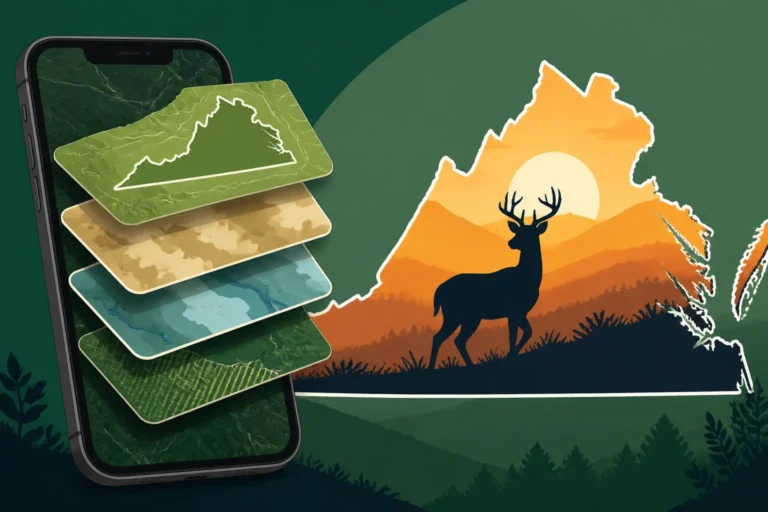
- Aerial Maps and Topography: Use mapping tools like onX Hunt to study the terrain. Look for natural funnels, pinch points, bedding areas, and potential food sources. onX Layers for Virginia Land Status can help identify park boundaries and general habitat types. Pay attention to water features, elevation changes, and timber transitions.
- Roads and Trails: Note all public roads and trails within and bordering the park. This helps you understand potential access points and areas where non-hunters might be present. Even if you're Using Go Outdoors Virginia Without Cell Service to download maps, a solid understanding of the park's layout is crucial.
- Satellite Imagery Over Time: Look at historical satellite images if available. This can show changes in forest cover, clear cuts, or agricultural fields that might influence deer movement.
- Google Street View: Sometimes you can "virtually" drive roads bordering the park to get a feel for the surrounding landscape and potential entry points (if allowed).
- Talk to Park Staff (if permitted): If the park allows, a polite phone call to park staff (not during peak visitor hours) might provide insights into general deer activity or areas where they've observed sign. Don't expect them to give you secret spots, but they can often confirm general conditions.
Even if pre-season physical scouting is restricted, understanding the lay of the land from afar will give you a significant advantage when you finally step into the hunting zone. Knowing where deer should be, based on topography and cover, is half the battle.
General State Park Rules and Hunter Etiquette
Hunting in a state park isn't just about following hunting regulations; it's also about being an exemplary visitor and citizen. You're representing the hunting community, and your actions reflect on all of us.
Coexisting with Other Park Users
This is perhaps the most critical aspect of state park hunting. Unlike a remote section of the Jefferson National Forest Hunting, state parks are bustling with hikers, birdwatchers, photographers, and families.
- Visibility is Key: Wear your Blaze Orange Requirements religiously, even if it's not strictly required by law for certain seasons or weapon types in a specific park. The more visible you are, the safer everyone feels.
- Respect Quiet Hours: While you might be up before dawn, be mindful of noise, especially around campgrounds or cabins.
- Path of Least Resistance: When traveling to your stand or hunting spot, use official trails where appropriate and avoid disturbing areas clearly used by non-hunters.
- Clear Communication: If you encounter other park users, offer a friendly greeting. Make eye contact. This simple act can diffuse any apprehension they might have about seeing a hunter. Educate respectfully if asked questions, without lecturing.
- Be Mindful of Backgrounds: Always be aware of your surroundings, especially when taking a shot. State parks can have buildings, roads, or trails surprisingly close to hunting zones. Your shot must always have a safe backdrop.
Remember, your positive interactions can help build bridges between hunters and non-hunters, fostering a better understanding of conservation and responsible outdoor recreation. A single negative encounter, unfortunately, can set back years of outreach efforts.
Post-Harvest Procedures and Reporting
Once you've successfully harvested an animal, the work isn't over. State parks often have specific requirements for what to do next.
- Immediate Reporting: Just like any other harvest in Virginia, you'll need to report your deer or turkey according to Virginia Deer Reporting Requirements or Virginia Turkey Checking Requirements. This usually means using the DWR's mobile app or website.
- Park Check-out: In addition to DWR reporting, you'll almost certainly need to check out with park staff. They may want to inspect your animal, verify your permit, and ensure all park rules were followed.
- Carcass Disposal: This is a big one. You cannot just leave gut piles or carcasses anywhere in a state park. In some cases, the park may designate specific areas for gut piles, or you may be required to completely remove all parts of the animal from the park. Ask about this before you hunt. Knowing how to field dress efficiently and being prepared to Dragging a Deer Out of a Mountain Hollow or use a deer cart is essential, especially if you have a long walk to your vehicle.
- Hygiene: Be considerate. Clean up any blood or debris thoroughly at your vehicle or designated processing areas.
These extra steps are part of the agreement for hunting in these unique, shared spaces. Following them meticulously ensures these opportunities continue for future generations of hunters.
Disclaimer
This article is for general informational purposes only and does not constitute professional advice. Laws, prices and regulations vary by location and change over time. Consult a qualified professional for guidance on your specific situation.