Bedford County Public Land Access
Oh, Bedford County! It's such a beautiful part of Virginia, with its rolling hills, sections of mountains, and picturesque farmland. But let's be real, if you're a hunter in Bedford looking for accessible public land, you know the struggle. It's not like some of the Western Virginia counties where national forest land is sprawling and obvious. Finding good, huntable public ground in Bedford County often feels like trying to decipher a secret code. You know there are deer, turkeys, and even bears around, but where do you go without knocking on a hundred private landowners' doors? This guide is here to shed some light on navigating the public land landscape in and around Bedford, offering practical advice and showing you how to unlock those elusive spots for your next big woods adventure.
The Unique Public Land Landscape in Bedford County
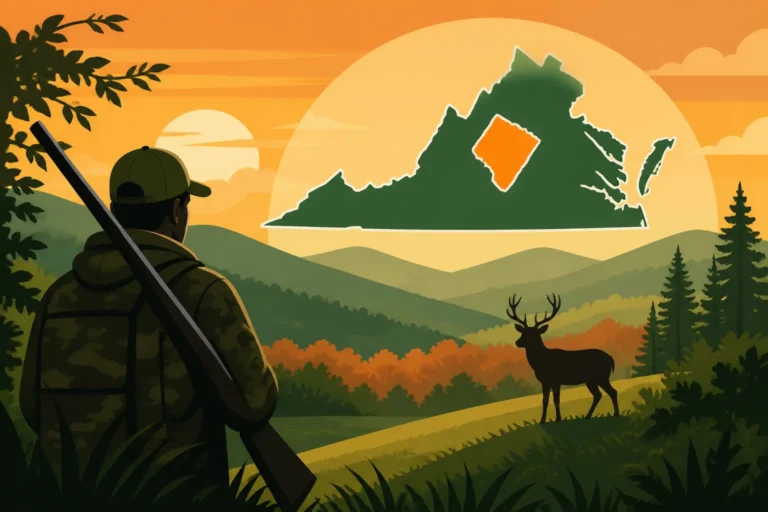
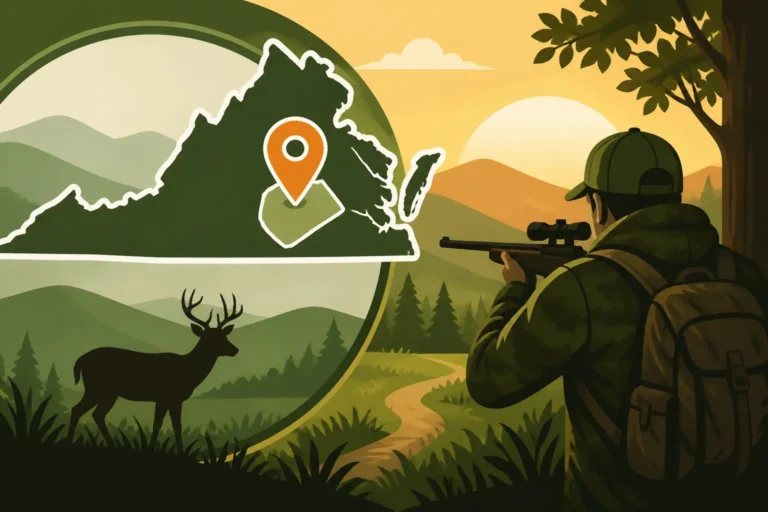
Bedford County, nestled right at the foot of the Blue Ridge Mountains in the Piedmont region of Virginia, presents a rather unique challenge for public land hunters. Unlike areas further west that are dominated by vast tracts of national forest, Bedford itself has a patchwork quilt of private ownership. This means the large, obvious blocks of public hunting ground you might be used to in other states or even other parts of Virginia are often harder to come by here. It's a county rich in agricultural fields, dense timber stands, and residential development, all mostly privately held. This doesn't mean public access is impossible, just that it requires a bit more savvy and a deeper understanding of where to look and how to prepare.
The Mix of Forest, Farmland, and Private Ownership
Imagine driving through Bedford County. You'll see beautiful farms stretching across fertile valleys, interspersed with woodlots and suburban developments. Then, you glance west, and there they are – the majestic Blue Ridge Mountains. This geographic blend is crucial to understanding public hunting opportunities. While the county itself is largely private, it does border the mighty George Washington National Forest (GWNF) to its western edge, providing a significant, albeit sometimes distant, opportunity. The trick is knowing how to identify and access these areas, often requiring a bit of a drive or a careful study of maps. The scarcity of direct, large-scale public land within the county means local hunters often look to these bordering national forests or smaller, less-advertised parcels managed by the Virginia Department of Wildlife Resources (DWR).
General Public Land Challenges in the Region
Beyond Bedford's specific layout, hunting on public land anywhere in Virginia comes with its own set of general challenges. You're often dealing with increased hunting pressure, especially on opening day or during peak rut. There's also the constant need to be absolutely certain of property lines, avoid trespassing, and respect other users of the land, whether they're hikers, mountain bikers, or other hunters. For someone new to hunting public ground in Virginia, these factors can be daunting. It requires a different mindset than hunting a private family farm. You need to be more mobile, more adaptable, and more detail-oriented in your scouting and planning. Understanding these regional challenges helps set the stage for how to best approach hunting Bedford County's limited public access points and those just beyond its borders.
Key Public Hunting Opportunities Around Bedford County
While Bedford County might not boast a massive internal public land footprint, there are certainly avenues for hunters willing to do their homework and perhaps travel a short distance. The primary opportunities will lean heavily on the George Washington National Forest and the strategic use of smaller, sometimes overlooked, state-managed parcels.
Accessing George Washington National Forest from Bedford's Edge
The western border of Bedford County brushes up against the sprawling George Washington National Forest, specifically sections within the James River Ranger District. This is your largest and most reliable bet for significant public hunting acreage. While it might require a 30-minute to an hour's drive from the heart of Bedford, it's well worth the effort for the vast, wild hunting experience it offers. These mountainous tracts are very different from the Piedmont farmlands, offering challenging terrain but also the potential for less-pressured animals if you're willing to hike deep.
When you're planning a trip to the GWNF, think about how to approach the specific areas bordering Bedford. Roads like VA-24 or VA-122 can lead you toward the national forest boundaries. Once there, you'll be dealing with steep slopes, thick timber, and often rocky terrain. Deer in these mountain habitats tend to stick to benches, saddles, and creek bottoms, and knowing how to Reading a Ridge for Blue Ridge Deer can be key. For an in-depth look at hunting this magnificent resource, check out our guide on George Washington National Forest Hunting. Remember, success here often comes down to physical conditioning and a willingness to put in the miles away from easy access points. Treestand setups in this environment are often minimalist and mobile, as you can read about in Treestand Setups in George Washington National Forest.
Locating Smaller, Overlooked DWR Parcels
Beyond the national forest, direct public hunting ground within Bedford County is scarce but not entirely non-existent. The DWR manages certain smaller parcels, often associated with waterways or utility easements, that might not be widely advertised as traditional WMAs. These aren't usually large, sprawling areas, but rather pockets of opportunity. Finding these requires meticulous map study and, often, local knowledge.
These smaller parcels might not hold the same quantity of game as larger tracts, but they can offer quality hunting if they're overlooked by others. Look for areas along rivers like the James or Staunton (Roanoke) that might have DWR access points, or examine detailed topographic maps for isolated timber stands that might be part of a public easement. These spots are fantastic for early archery season or even late-season squirrel hunting when other areas are hammered. The key is that they often blend into the landscape, surrounded by private land, making them less obvious choices for the casual public land hunter. You might not find a designated parking lot or clear signage, which can be both a challenge and an advantage, as it often translates to less competition.
Navigating Regulations and Essential Resources for Bedford Hunters
Hunting public land in Virginia means staying on top of the rules and making smart use of the available tools. This is especially true in a county like Bedford, where public access points are less common and often require careful navigation to ensure you're in the right place at the right time.
Essential Mapping Tools: onX Hunt and GoHunt
In today's hunting world, digital mapping applications are absolutely indispensable, and for public land in and around Bedford County, they are your best friends.
- onX Hunt: This app is a game-changer for identifying property boundaries. It overlays public and private land ownership directly onto satellite imagery, showing you exactly where you can legally step. For Bedford, where public land can be fragmented or abut private parcels, onX Hunt allows you to confidently walk a line, ensuring you don't trespass. You can mark waypoints for potential stand sites, track your routes, and check regulations specific to the land you're on. It's incredibly useful for confirming where National Forest boundaries begin, or if a small woodlot is indeed a public easement. When you're trying to scout a potential new area near the GWNF, or even a small, isolated DWR parcel, having that property line intel from onX Hunt at your fingertips can save you a lot of headache and keep you on the right side of the law. This tool will also show you land ownership for potential Knocking on Doors in Piedmont Farm Country if you're seeking private land access.
- GoHunt: While often more known for Western big game draws, GoHunt also offers valuable resources for understanding regulations, season dates, and general hunting information for various states, including Virginia. It can be a great complementary tool for keeping up with DWR news and broader season structures. While not a direct property line map, it can provide context and regulatory updates that are crucial for planning your hunts.
Always double-check the in-app information with the official Virginia Department of Wildlife Resources (DWR) website, as regulations can sometimes change. Scouting With the Virginia DWR App is another excellent resource for checking DWR-managed properties and more general statewide regulations.
Understanding Local and State Rules
Virginia's hunting regulations are comprehensive, and it's vital to understand them thoroughly, especially when hunting in a less-common public land area like Bedford's periphery.
Here's a breakdown of what to pay attention to:
- Licensing: You'll need the appropriate Virginia hunting license, including a big game license if you're pursuing deer or bear, and any necessary stamps for migratory birds. Costs and options are detailed in our Virginia Hunting Licenses and What They Cost guide. Don't forget to carry proof of your license.
- Season Dates and Bag Limits: Bedford County, being east of the Blue Ridge, typically falls under the Eastern Region regulations for deer. This includes specific antlered and antlerless deer limits and season dates. Always confirm the exact dates for archery, muzzleloader, and general firearms seasons, as well as any special youth weekends. Our guide Virginia Deer Season Structure Explained provides a full overview.
- Blaze Orange/Pink Requirements: During firearm seasons, Virginia has specific blaze orange or pink requirements for hunters. This is non-negotiable for safety. Ensure you and your hunting party are properly visible. Refer to Virginia Blaze Orange Requirements for detailed information.
- CWD Zones: While Bedford County is not currently in a Chronic Wasting Disease (CWD) Management Area, it's always wise to stay informed about any changes. If you hunt in an adjacent county that is a CWD zone, special rules for carcass movement and testing might apply.
- National Forest Specifics: If you're hunting in the George Washington National Forest, be aware of any specific regulations beyond DWR rules. This might include camping restrictions, vehicle access limits, or rules regarding baiting (which is generally prohibited on National Forest land). Always check the National Forest Service website for the specific district you plan to hunt.
| Public Land Type | Typical Location/Access | Characteristics | Best For | Key Considerations |
|---|---|---|---|---|
| George Washington NF | Western Bedford County border, mountainous | Vast, rugged, steep terrain, dense timber, often remote | Deer, Bear, Turkey, Small Game | Requires hiking fitness, good navigation (onX Hunt crucial), minimal amenities, can be less crowded deep in |
| Smaller DWR Parcels | Scattered throughout county, often riverine or isolated | Mixed habitat, usually smaller acreage, surrounded by private land | Deer (Archery), Turkey, Small Game | Less visible, need meticulous mapping, potential for less pressure if found; check specific DWR property rules |
| Private Land (w/ Perm.) | Predominant land type in Bedford County | Varies greatly by property, from fields to timber | All game species | Requires landowner permission (verbal or written), builds relationships, often less pressure, flexible rules (within state law) |
Gaining Private Land Access in Bedford
Given the limited public land directly within Bedford, a significant portion of successful hunting here revolves around gaining private land access. This isn't public land, but it's a critical alternative that Bedford County hunters frequently pursue. Start by connecting with local farmers, landowners, or even community groups. Many landowners are open to hunters who are respectful, responsible, and perhaps willing to help with minor tasks around the property. Being polite, making a good first impression, and offering to share game or help with nuisance animals can go a long way. Always be prepared to show proof of insurance and your hunting license. Sometimes, just striking up a conversation at a local diner or hardware store can open doors. For more strategies, look into Asking a Virginia Farmer for Permission.
Strategies for a Successful Hunt in and Around Bedford
Hunting public land, especially in areas with limited access or challenging terrain, requires a strategic approach. It's not just about showing up with a gun or a bow; it's about preparation, adaptability, and perseverance.
Scouting Smart and Thoroughly
Scouting is your most powerful tool, particularly when hunting new or pressured public land around Bedford County. Don't just show up on opening day.
- Pre-Season Recon: Hit the woods in the off-season. This gives you a clear view of the terrain without heavy foliage. Look for old logging roads, creek beds, natural funnels between ridges, and pinch points where deer are likely to travel. Finding a promising ridge for Blue Ridge deer often means locating those subtle terrain features that concentrate movement.
- Sign, Sign, Everywhere a Sign: Look for historical buck sign—old rubs and scrapes, heavy trails, and bedding areas. Even if the sign is old, it tells you where deer have been, and often, they’ll return to similar patterns year after year. Pay attention to mast crops like acorns in the GWNF; where the food is, the deer will be. Scouting Virginia Public Land Before Season is essential reading for this.
- Utilize Technology: As mentioned, onX Hunt is invaluable. Use it to study topography, mark potential stand sites, and identify water sources. You can also use the DWR's Go Outdoors Virginia platform to look for smaller tracts of public land or access points that might not be obvious on other maps.
- Boots on the Ground vs. Aerial Recon: Nothing beats putting boots on the ground, but combine it with aerial reconnaissance using your mapping apps. Identify potential access points, note areas with thick cover that might hold deer, and look for clearings or openings that could serve as food sources.
Adapting Your Tactics to Pressure and Terrain
Hunting public land means you'll almost certainly encounter other hunters, especially if you're not willing to hike far. Adapting your tactics is key to success.
- Hunt the "Un-huntable": Often, the areas that other hunters avoid—steep slopes, dense thickets, or areas far from easy access—are precisely where you'll find less pressured game. A deer isn't going to spend all day in a food plot if it feels constantly threatened. They will often bed in the thickest, nastiest cover they can find. If you're willing to put in the effort to access these spots, your chances improve dramatically. Our guide on Finding Ground Others Walk Past dives deep into this philosophy.
- Early Bird Gets the Worm: On public land, getting to your spot well before first light is critical. It allows you to move quietly, set up without disturbing animals, and be ready when legal shooting hours begin. This is particularly true during the general firearms season when crowds are heaviest.
- Mid-Day Movement: Don't limit your hunts to just dawn and dusk. On pressured public land, deer often get pushed around during the middle of the day. A well-placed stand in a travel corridor between bedding and feeding areas, or along a known escape route, can be deadly during these hours. Consider hunting bottlenecks, saddles, or areas where thick cover meets a more open ridge.
- Still-Hunting and Stalking: Especially in the vastness of the GWNF, still-hunting slowly and deliberately through the timber can be a very effective tactic. Pay attention to the wind, move quietly, and use binoculars to pick apart the cover ahead of you. This technique requires patience and a keen eye, but it allows you to cover ground while actively hunting.
The Importance of Physical Fitness and Preparation
Hunting the Blue Ridge foothills and national forest lands accessible from Bedford County can be physically demanding. Don't underestimate the mountains.
- Physical Conditioning: Steep climbs, long hikes, and dragging a deer out of a hollow are all part of the experience. The better your physical condition, the further you can go, and the safer you'll be. This is especially true if you plan to Dragging a Deer Out of a Mountain Hollow after a successful shot.
- Proper Gear: Invest in good quality boots, layered clothing for varying weather conditions, and a comfortable pack that can carry all your essentials for a day in the woods. Always carry a first-aid kit, a headlamp, and plenty of water.
- Safety First: Always tell someone where you're going and when you expect to return. Carry a fully charged phone (and a portable charger) even if you don't expect cell service. Know how to use a compass in conjunction with your GPS app, especially in dense forest. Remember that the woods can change quickly, and being prepared for unexpected situations is paramount.
Hunting in and around Bedford County, Virginia, offers a rewarding experience for those who embrace the challenge of seeking out and wisely utilizing public land. It might not always be easy, but with smart scouting, adaptable tactics, and the right tools, you can absolutely find success in this beautiful part of the Commonwealth. Whether you're chasing a wary whitetail during Hunting the Rut East of the Blue Ridge or pursuing a spring gobbler, the opportunities are there for the dedicated hunter.
Disclaimer
This article is for general informational purposes only and does not constitute professional advice. Laws, prices and regulations vary by location and change over time. Consult a qualified professional for guidance on your specific situation.