Squirrel and Small Game Hunting in Virginia
For many hunters in Virginia, the deer woods can feel like the entire universe, and sometimes that intense focus, while rewarding, overshadows other incredible opportunities. You might be feeling a bit burnt out on chasing whitetails or perhaps you're a new hunter looking for a more accessible entry point into the sport. Whatever your reason, diving into small game hunting in the Old Dominion can be an incredibly enriching experience, offering abundant action, a chance to explore diverse landscapes, and a return to some truly timeless outdoor traditions. This guide is designed to walk you through everything you need to know to get started or rekindle your passion for chasing Virginia's varied small game.
The Timeless Appeal of Small Game Hunting in Virginia
There’s a unique charm to small game hunting that often gets lost in the pursuit of larger quarry. It’s less about the trophy and more about the experience, the challenge, and the simple joy of being out in nature with a shotgun or a .22 rifle. For generations, chasing squirrels and rabbits was how many Virginians put meat on the table and learned the rhythms of the woods. That tradition is still very much alive and well, offering a refreshing change of pace from the demanding seasons for deer or bear.
Why Small Game Remains a Virginia Tradition
Think about it: before modern agriculture and widespread deer populations, small game was a consistent, reliable food source. Grandparents taught their grandkids how to spot a squirrel in a towering oak or track a rabbit through a briar patch. These aren't just quaint stories; they're foundational lessons in woodsmanship that are still incredibly relevant today. Small game hunting forces you to slow down, observe your surroundings, and truly learn the land. It teaches patience, keen observation, and the thrill of the stalk, all skills that translate directly to big game hunting or simply enjoying the outdoors. It's a connection to our hunting heritage that feels both simple and profound.
Accessible Hunting for All Skill Levels
One of the greatest beauties of small game hunting is its accessibility. You don’t need specialized, expensive gear or a massive private lease to find success. A good pair of boots, a reliable .22 rifle or shotgun, and a willingness to walk are often all it takes. For new hunters, it's an excellent way to learn firearm safety, marksmanship, and animal behavior in a lower-pressure environment. The seasons are generally long, and opportunities are widespread, making it easy to get out frequently and hone your skills. Plus, if you're introducing a youth hunter to the sport, nothing beats the excitement of a squirrel barking or a rabbit flushing. The fast-paced action and the likelihood of seeing game keep their interest piqued, building a lifelong love for hunting.
The Joy of Simplicity and Connection
In a world filled with high-tech gadgets and complex strategies, small game hunting offers a refreshing return to simplicity. It’s often just you, your firearm, and the natural world. There’s a certain freedom in not needing to worry about scent control, precise shot distances, or elaborate decoy spreads. Instead, you focus on reading the cover, listening for the subtle sounds of the woods, and appreciating the crisp air. Whether you're alone with your thoughts or sharing the experience with a friend and a good dog, small game hunting fosters a deep connection—not just to nature, but to the people you share the experience with, and to the generations of hunters who walked these same woods before you. It's truly hunting at its purest.
Essential Regulations and Licensing for Virginia Small Game
Before you head into the woods, knowing the rules is paramount. Virginia has a well-structured system for small game, but it's crucial to understand the specifics for each species, as well as general licensing requirements. The Virginia Department of Wildlife Resources (DWR) is your go-to source for the most up-to-date regulations, and their website is incredibly helpful. Always double-check current regulations before each season, as dates and rules can change.
Understanding Season Dates and Bag Limits
Virginia’s small game seasons are typically quite generous, often running from early fall into late winter, providing ample opportunity. However, specific dates and bag limits vary by species. For example, squirrel season generally kicks off in September and runs through February, offering a long window for both archery and firearm hunters. Rabbit season often starts a bit later, usually in October, and also extends into February. Mourning dove season, on the other hand, is split into multiple segments, typically starting around Labor Day.
It’s important to note daily bag limits and possession limits. For gray and fox squirrels, the daily bag limit is usually six. Rabbits also typically have a daily bag limit of six. Doves, being migratory birds, have a higher daily bag limit, often 15, but you'll need a HIP certification. Ruffed grouse and quail have stricter limits due to declining populations. Always consult the DWR's annual hunting regulations digest or their website for the most current information. Using the Virginia DWR App on your phone can be a fantastic way to quickly reference rules and even check your game if required, though for small game, physical checking isn't usually needed.
Here’s a simplified overview of common small game seasons and limits in Virginia (always verify with current DWR regulations):
| Species | Typical Season Start | Typical Season End | Daily Bag Limit | Possession Limit | Notes |
|---|---|---|---|---|---|
| Gray/Fox Squirrel | Mid-September | Late February | 6 | 18 | Often overlaps with deer seasons |
| Rabbit (Cottontail) | Late October | Late February | 6 | 18 | Good for dog hunting or jump-shooting |
| Ruffed Grouse | Late October | Late January | 1 | 3 | Restricted to west of I-95 |
| Quail (Bobwhite) | Late October | Late January | 4 | 12 | Limited opportunities, often private land |
| Mourning Dove | Early September (Split) | Mid-January (Split) | 15 | 45 | Requires HIP certification |
| Woodcock | Mid-October (Split) | Late November (Split) | 3 | 9 | Migratory, found in specific cover |
| Snipe | Mid-September | Late January | 8 | 24 | Migratory, found in wet areas |
Required Licenses and Permits
To legally hunt small game in Virginia, you'll need a basic state hunting license. For residents, the options range from a single-year license to multi-year discounts. You can explore various Virginia Resident Hunting License Options. Non-residents also have options, though costs are higher. Critically, if you plan to hunt migratory birds like doves, woodcock, or snipe, you must also obtain a Virginia Migratory Bird Hunting License (state duck stamp) and be HIP (Harvest Information Program) certified. HIP certification is free and simply involves answering a few questions about your previous year's migratory bird hunting success. This data helps wildlife agencies manage migratory bird populations effectively. Remember, carrying proof of your valid license and any required certifications is mandatory.
Public vs. Private Land Rules
Virginia offers a mix of public and private land for small game hunting. Public options include national forests like George Washington and Jefferson National Forests, as well as various state Wildlife Management Areas (WMAs). Hunting on these lands is generally permitted with your state hunting license, but some WMAs may require an additional What a Virginia WMA Access Permit Covers. Always check the specific rules for the public land you intend to hunt, as some areas may have unique restrictions, such as prohibitions on certain firearms or dog use.
Private land is where many small game hunters find success, particularly for species like rabbits and doves which thrive in agricultural settings. Hunting on private land always requires explicit permission from the landowner. While verbal permission is legally sufficient in Virginia, it's always a good practice to obtain written permission, especially if you're new to the property or if hunting seasons are sensitive. This helps prevent misunderstandings and establishes a good relationship. Remember, trespassing laws are strictly enforced, so never assume access. Using mapping apps like GoHunt can be invaluable here, helping you identify property boundaries and landowner information, making it easier to secure that crucial permission for your small game adventure.
Pursuing Virginia's Bushy-Tailed Squirrels
Squirrel hunting is often the first foray into hunting for many, and for good reason. It's accessible, the action can be steady, and squirrels offer delicious table fare. Virginia is home to healthy populations of both gray and fox squirrels, providing ample opportunity for those willing to put in the time.
Key Species and Their Preferred Habitats
In Virginia, you'll primarily encounter two species: the Eastern Gray Squirrel and the Eastern Fox Squirrel.
- Eastern Gray Squirrels are the most common and widespread. They prefer mature hardwood forests, particularly those with a good mast crop (oaks, hickories, beeches). You'll find them in dense woods across the state, from the mountains to the tidewater. These agile creatures are incredibly adept at navigating the canopy and often vocalize with barks and chirps, making them fun to locate. Their diet consists heavily of nuts, seeds, and fungi, and they are constantly foraging, especially during the fall. Look for their nests (dreys) high in trees and fresh cuttings on the forest floor, indicating recent feeding activity.
- Eastern Fox Squirrels are larger and less numerous than their gray counterparts. They tend to prefer more open woodlands, forest edges, and smaller woodlots adjacent to agricultural fields. Their color can vary widely, from a typical reddish-brown to almost black, sometimes with white patches on the nose or ears. While still found statewide, they are more concentrated in certain areas. Because they are less common and often more wary, harvesting a fox squirrel can feel like a real accomplishment for the small game hunter. They tend to spend more time on the ground than gray squirrels but will readily climb trees for safety.
To find squirrels, focus on areas with an abundance of food sources. Mature oak and hickory stands are prime spots, especially during the early season when nuts are dropping. Bottomland hardwoods, with their rich soil and diverse tree species, are also excellent choices. Understanding Squirrel Hunting Virginia Bottomland Hardwoods can give you a significant advantage, as these areas often concentrate squirrels due to abundant food and cover.
Still-Hunting and Stalking Strategies
One of the most rewarding ways to hunt squirrels is by still-hunting or stalking. This method involves moving slowly and deliberately through the woods, pausing frequently to listen and observe.
- Still-Hunting: This is a patient approach. Find a promising area with good mast production, sit down, and simply listen and watch. Squirrels are incredibly active, and often their movements or barks will give them away. Sit for 15-30 minutes, then move a short distance and repeat. Early mornings and late afternoons are generally the best times when squirrels are most actively foraging. Pay close attention to the canopy, looking for movement, flicking tails, or the tell-tale shower of nut debris falling from a tree.
- Stalking: Once you spot a squirrel, the challenge begins. If it sees you, it will often "tree" itself, pressing tightly against the opposite side of the trunk. This is where the stalk comes in. Slowly circle the tree, using other trees or brush for cover, trying to get a clear shot. If you have a partner, one person can circle while the other stays put, often causing the squirrel to move to the side of the tree where the stationary hunter has a shot. A .22 rifle with a scope is ideal for this method, allowing for precise shots to the head or vitals, minimizing meat damage. Remember, squirrels are small targets, so shot placement is key. When Virginia Squirrel Season Opening Day arrives, you’ll want to be prepared with your scouting done and your strategy dialed in.
The Excitement of Hunting with Squirrel Dogs
For a truly unique and often action-packed experience, consider hunting squirrels with a good squirrel dog. Breeds like feists, curs, and even some smaller hounds are bred for this task. The dog's job is to range ahead, locate squirrels, and "tree" them, barking persistently to alert the hunter.
This method often involves more walking and can be quite vocal, making it a social and exciting hunt. When the dog trees a squirrel, you move to the location, locate the squirrel in the tree, and make your shot. This is where a 12-gauge or 20-gauge shotgun with small shot (like #6 or #7.5) comes in handy, especially when squirrels are high in the canopy or moving quickly. Hunting with dogs allows you to cover more ground and can be particularly effective when squirrels are less active on the ground. It’s a fantastic way to enjoy the companionship of a working dog and immerse yourself in an age-old hunting tradition. Always be mindful of other hunters, especially if you're on public land, and ensure your dog is well-trained and under control.
Bouncing Bunnies: Virginia Rabbit Hunting Tactics
Rabbit hunting conjures images of crisp fall mornings, barking beagles, and the excitement of a fast-flushing cottontail. Virginia's healthy cottontail rabbit population provides excellent opportunities for hunters, especially those who enjoy active hunts and the camaraderie of hunting with dogs.
Prime Rabbit Cover and Sign
Virginia is home to the Eastern Cottontail, a prolific small game animal that thrives in disturbed habitats. You won’t find them deep in mature, open timber. Instead, look for thick, brushy cover, often found in transitional areas:
- Fencerows and Hedgerows: These linear strips of tangled vegetation provide both food and protection from predators. Rabbits will use them as travel corridors and bedding areas. Understanding how to approach Rabbit Hunting Virginia Fencerows can significantly increase your success.
- Clear-cuts and Young Plantations: Areas that have been recently logged and are regenerating with dense saplings, briars, and weeds are rabbit magnets. The thick undergrowth offers perfect refuge.
- Field Edges and Abandoned Farms: The interface between agricultural fields and overgrown areas, old homesteads, and thickets of honeysuckle or multiflora rose are prime rabbit habitat. The rabbits feed in the fields at night and retreat to the dense cover during the day.
- Swamps and Creek Bottoms: Areas with thick, brushy growth along watercourses, especially those with cane thickets or dense briars, can hold a surprising number of rabbits.
To find rabbit sign, look for droppings (small, round pellets), clipped vegetation (especially during winter when food is scarce), and tracks in snow or mud. A fresh dusting of snow can make tracking rabbits an incredibly fun and effective way to locate them.
Hunting with Beagles: A Time-Honored Tradition
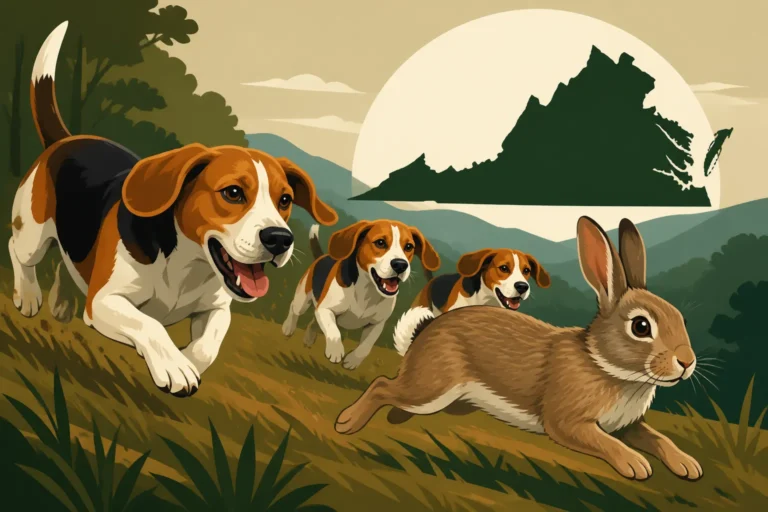
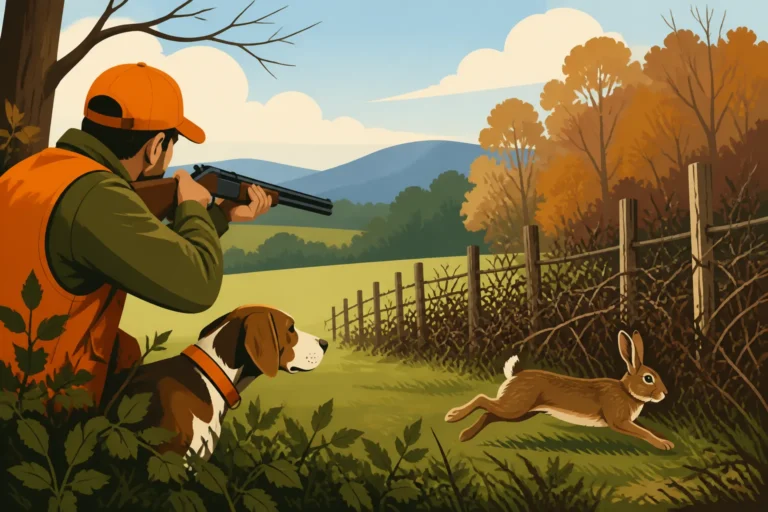
For many, rabbit hunting is hunting with beagles. These tenacious little hounds are perfectly suited for pushing rabbits out of thick cover. The sound of a beagle pack in full cry, hot on the trail of a rabbit, is one of the most exciting sounds in the hunting world.
- How it Works: Beagles are released into thick cover. Their keen noses pick up rabbit scent, and they work to flush the rabbit. Once flushed, the rabbit will often run in a large circle, eventually returning near where it started, or crossing open areas. The hunters position themselves strategically around the edges of the cover, listening to the dogs and waiting for the rabbit to emerge.
- Placement and Patience: Positioning is key. You want to be where the rabbit is likely to cross, often a shooting lane or a thinned-out section of cover. This is not a "still" hunt; you need to be ready to move quickly and take a fast-moving shot. A 12-gauge or 20-gauge shotgun with #6 or #7.5 shot is ideal for this type of fast-action shooting. The thrill comes from the chase, the anticipation, and the quick, decisive shot. When Virginia Rabbit Season Opening Day rolls around, you'll find plenty of opportunities to enjoy this classic pursuit.
Jump-Shooting and Small Drive Methods
Even if you don't have a pack of beagles, you can still have a successful rabbit hunt. These methods rely on stealth and often a bit of teamwork.
- Jump-Shooting: This involves walking slowly and deliberately through prime rabbit cover, often kicking or rustling through thick brush, trying to flush rabbits. You need to be alert and ready for a sudden flush. This method is best in dense, smaller patches of cover where rabbits are likely to hold tight. Move slowly, scan ahead, and be prepared for a rabbit to burst out from under your feet.
- Small Drives: A small group of hunters (2-4 people) can organize a mini-drive. One or two "drivers" walk through a thicket, making noise and pushing rabbits out towards "posters" positioned at the other end. This is particularly effective in linear strips of cover like fencerows or small woodlots. Communication is key to ensure safety and to cover all potential escape routes. Always establish clear shooting lanes and safety zones before initiating a drive, especially when hunting with others. Both jump-shooting and small drives are active ways to enjoy rabbit hunting and can be incredibly rewarding.
Upland Game Birds: Challenges and Rewards
Virginia offers limited but exciting opportunities for upland bird hunting. While populations of some species, like quail, have faced significant declines, others, such as ruffed grouse and doves, still provide thrilling hunts for dedicated bird hunters. Pursuing these birds often requires different tactics and a love for rugged terrain or open fields.
The Elusive Ruffed Grouse: Mountain King
Ruffed grouse hunting in Virginia is a pursuit for the determined. These birds are often called the "king of game birds" for a reason—they live in rugged, steep terrain and possess an uncanny ability to flush explosively and disappear into dense cover. In Virginia, grouse are primarily found west of I-95, in the mountainous regions of the Allegheny and Blue Ridge.
- Habitat: Grouse prefer young, regenerating hardwood forests, particularly those with a mix of mature timber, thick undergrowth, and stands of evergreens like hemlock or pine for thermal cover. Look for areas with dense mountain laurel, rhododendron thickets, and old logging cuts. They feed on buds, berries, and insects.
- Hunting Tactics: This is often a walking man's game, and a good bird dog (setter or pointer) is a huge asset. The dog works to locate and point the bird, allowing the hunter to move in for a shot. Without a dog, it becomes a "kick-and-shoot" affair, requiring you to slowly and carefully work through thick cover, hoping to flush a bird within shotgun range. The flush itself is startlingly fast and loud, demanding quick reflexes. A lightweight 20-gauge or 12-gauge shotgun with improved cylinder or modified choke and #7.5 or #6 shot is ideal. Given the challenges, finding prime habitat is key. You might check a resource like Best Virginia Counties for Grouse to narrow down your search. The population of ruffed grouse has unfortunately seen a decline across much of its range, and Virginia is no exception, so understanding the Virginia Grouse Season Status is important for realistic expectations.
Virginia Quail Hunting: Revival and Rare Opportunities
Bobwhite quail, once abundant across Virginia's agricultural landscape, have experienced a dramatic decline due to habitat loss and changes in farming practices. Finding wild coveys now is a rare and special treat, typically limited to well-managed private lands.
- Habitat: Wild quail need a mosaic of habitat: open grasslands for nesting, dense brushy cover for protection, and agricultural fields (especially those with native warm-season grasses or weedy borders) for food. They are often found in areas with early successional vegetation, controlled burns, and edge habitats.
- Hunting Tactics: Quail hunting is almost exclusively done with pointing dogs (pointers, setters, Brittany spaniels) that locate the covey and hold them until the hunter flushes the birds. The covey flush is iconic—a burst of birds exploding from cover, requiring quick, instinctive shots. After the covey scatters, the dogs work to find single birds, offering more challenging individual shots. Due to their scarcity, many hunters participate in preserve hunts for guaranteed action, but finding a wild covey in Virginia is a truly memorable experience. Learning about the Virginia Quail Season Status will provide further context on current opportunities and conservation efforts.
Fast-Paced Action: Mourning Dove Fields
Mourning doves are the most popular migratory game bird in Virginia, offering fast-paced action and a social hunting experience that kicks off the fall seasons. They are found statewide, often congregating in large numbers.
- Habitat: Doves are attracted to agricultural fields, particularly those planted with sunflowers, millet, wheat, or corn, or fields that have recently been cut. They feed on small seeds and grit. Water sources are also crucial, as doves need to drink frequently. Public dove fields, managed by the DWR, are excellent places to hunt, as are private agricultural fields with landowner permission.
- Hunting Tactics: Dove hunting is primarily a pass-shooting game. Hunters position themselves around the edges of a field, near power lines (where doves often perch), or along flight paths between feeding and roosting areas. As doves fly in to feed or leave to roost, hunters attempt to intercept them. This is an exercise in wing-shooting, demanding quick reflexes and good lead estimation. A 12-gauge or 20-gauge shotgun with an open choke (improved cylinder or modified) and #7.5 or #8 shot is standard. You’ll often go through a lot of shells due to the birds' erratic flight patterns. Setting up a comfortable stool and having plenty of shells and water are key for a successful dove hunt. Many hunters look forward to Working a Dove Field on Opening Day for its unique blend of camaraderie and challenging shooting. Don't forget your HIP certification!
Migratory Birds: Woodcock and Snipe
Beyond doves, Virginia offers opportunities for two other unique migratory game birds: woodcock and snipe. While not as widely pursued as squirrels or rabbits, they offer challenging and rewarding hunts for those willing to seek them out in their specific habitats. Both require an understanding of their migratory patterns and preferred cover.
Timberdoodles: Hunting the Woodcock Flight
The American woodcock, affectionately known as the "timberdoodle," is a peculiar and fascinating bird. They are migratory, arriving in Virginia during their fall migration (often peaking in October and November) and then again in spring as they move north for breeding. They are known for their long bills, excellent camouflage, and erratic, whistling flight when flushed.
- Habitat: Woodcock are primarily found in moist, young, regenerating woodlands with dense, brushy undergrowth and rich, loamy soil for probing with their long bills. Look for them in thick alder bottoms, young poplar stands, abandoned farm fields reverting to forest, and along the edges of swamps and wet woods. They prefer areas where they can probe for earthworms, their primary food source.
- Hunting Tactics: Like grouse and quail, woodcock hunting is often done with pointing dogs. A good dog can pinpoint a woodcock holding tight in cover, allowing the hunter to get into position for the flush. Without a dog, it involves slowly working through thickets, trying to flush birds. Their flight is often short, close, and incredibly erratic, making for challenging wing-shooting. A light, fast-swinging shotgun, such as a 20-gauge or even a 28-gauge, with open chokes (skeet or improved cylinder) and #8 or #7.5 shot, is preferred. Pay attention to cold fronts during migration, as these can push birds through Virginia. While not listed specifically for wood ducks, knowing how to approach Jump-Shooting Virginia Creeks for Wood Ducks can offer some insight into similar small-stream hunting tactics, though woodcock prefer brushy edges rather than open water.
Wily Snipe: Masters of the Wetlands
The Common Snipe, sometimes called the Wilson's Snipe, is another migratory game bird that offers a unique challenge. These small, long-billed shorebirds are incredibly wary and live in specific wetland habitats, making them tricky to locate and even trickier to shoot.
- Habitat: Snipe prefer wet, boggy areas: marshes, muddy fields, wet pastures, and the edges of shallow ponds or slow-moving streams. They often feed in areas with sparse vegetation and shallow water, probing the mud for worms and insects. They are well-camouflaged and will hold tight until you are almost on top of them before flushing with a distinctive "scaipe" call and a zig-zagging flight pattern.
- Hunting Tactics: Hunting snipe often involves walking through their preferred wet habitat, flushing birds, and trying to get a shot as they twist and turn in the air. Waterproof boots or waders are essential! Like woodcock, a light, fast-swinging shotgun with open chokes and #8 or #7.5 shot is suitable. Snipe can be found in Virginia from early fall through late winter, particularly during migration. It's a low-pressure hunt often enjoyed by those who love seeking out less-common game. Their small size and erratic flight make them a true test of wing-shooting skill.
Essential Gear and Safety for Small Game Pursuits
While small game hunting doesn’t require an arsenal of specialized equipment, having the right gear can significantly enhance your experience and, more importantly, ensure your safety. Preparing properly for a day in the field, whether chasing squirrels or flushing quail, is crucial for both enjoyment and ethical hunting.
Firearms and Ammunition Choices
Your choice of firearm for small game largely depends on the species you're pursuing and your preferred hunting style.
- Shotguns: For most upland birds (doves, grouse, quail, woodcock, snipe) and fast-flushing rabbits, a shotgun is the primary tool.
- Gauge: A 12-gauge is the most versatile, offering a wide range of ammunition choices and patterns. However, a 20-gauge is lighter, often preferred for long walks in thick cover, and more than sufficient for small game. Many youth hunters start with a 20-gauge.
- Action: Pump-action and semi-automatic shotguns are popular for their quick follow-up shots. Over/under or side-by-side double barrels are classic choices for bird hunting due to their balance and ability to quickly switch between two different chokes.
- Choke: For close-range, fast-flushing birds like quail, woodcock, and often rabbits, an improved cylinder or skeet choke provides a wider, more forgiving pattern. For doves, which are often shot at longer ranges, a modified choke is a good all-around choice.
- Ammunition: For squirrels and rabbits, #6 or #7.5 shot is common. For doves, #7.5 or #8 shot is standard. For grouse, quail, woodcock, and snipe, #7.5 or #8 shot is usually adequate. Always use lead shot unless you are hunting on a designated lead-free zone (e.g., some public lands or waterfowl areas, though for upland small game, it's less common).
- Rifles: For still-hunting or stalking squirrels, a .22 caliber rimfire rifle is the perfect choice.
- Caliber: A .22LR (long rifle) is quiet, accurate, and has very little recoil, making it ideal for headshots on squirrels to preserve meat.
- Optics: A small scope (e.g., 2-7x or 3-9x magnification) mounted on your .22 can greatly improve accuracy for those precise shots in the canopy.
- Ammunition: Standard velocity or sub-sonic .22LR rounds are often favored for their quietness.
When carrying any firearm, always adhere to Virginia’s blaze orange requirements. During firearms deer season, all hunters (even those hunting small game) must wear 500 square inches of blaze orange or pink. Even outside these times, wearing bright colors is always a smart safety precaution, especially on public lands where Hunting Pressure on Virginia Public Land can mean you're sharing the woods with others.
Clothing, Footwear, and Essential Tools
Being comfortable and prepared will make your small game hunt much more enjoyable.
- Clothing: Dress in layers to adapt to changing weather conditions. Briar-resistant pants or chaps are highly recommended, especially when busting through thick cover for rabbits or grouse. A good hunting vest with plenty of pockets for shells, game, and other essentials is invaluable. Don't forget your blaze orange!
- Footwear: Sturdy, waterproof boots are a must. You'll be walking through damp fields, muddy bottoms, and uneven terrain. Good ankle support and comfort are paramount for a full day afield. For those particularly wet areas like snipe habitat or swampy bottoms, chest waders might be necessary.
- Essential Tools:
- GPS or Mapping App: A reliable GPS unit or a smartphone app like GoHunt can help you navigate public lands, mark game locations, and ensure you stay within property boundaries, especially when Scouting Virginia Public Land Before Season.
- Knife: A sharp knife for field dressing game.
- Game Bag/Vest: To carry your harvested game comfortably and keep it clean.
- Water and Snacks: Hydration and energy are crucial for active hunts.
- First Aid Kit: Always carry a basic first aid kit for minor cuts, scrapes, or insect bites.
- Compass and Map: As a backup to electronic devices, especially in remote areas.
- Whistle: For communication, especially when hunting with dogs or other people.
Prioritizing Safety in the Field
Hunting is an incredibly safe sport, but that safety is predicated on adherence to strict rules and responsible behavior.
- Hunter Education: If you're new to hunting, Virginia's Virginia Hunter Education Requirements are mandatory. Even experienced hunters benefit from refreshing their knowledge.
- The Four Primary Rules of Firearm Safety:
- Treat every firearm as if it were loaded.
- Always point the muzzle in a safe direction.
- Be sure of your target and what is beyond it.
- Keep your finger outside the trigger guard until ready to shoot.
- Wear Blaze Orange/Pink: This cannot be stressed enough, particularly when hunting with multiple people or during overlapping deer seasons. Make yourself visible to other hunters.
- Communicate: If hunting with a group, establish clear communication methods and zones of fire to prevent accidents.
- Know Your Area: Be aware of property boundaries, roads, trails, and any non-hunting zones. GoHunt can be a great tool for this.
- Weather Awareness: Check the forecast and be prepared for sudden changes. Hypothermia or heatstroke can be real risks.
- Respect Wildlife and the Land: Practice ethical hunting, only taking clean shots at identified game, and leave no trace behind. Pack out everything you pack in.
By taking these preparations seriously, you'll not only have a more successful small game hunting season but also ensure that every outing is a safe and enjoyable one.
Disclaimer
Please remember that hunting regulations, season dates, and bag limits are subject to change. This guide is for informational purposes only and should not be considered a substitute for the official Virginia Department of Wildlife Resources (DWR) hunting regulations. Always consult the current DWR hunting digest or their official website before heading afield. It is your responsibility as a hunter to know and abide by all applicable laws and regulations.