Prescribed Burns and Virginia Hunting Closures
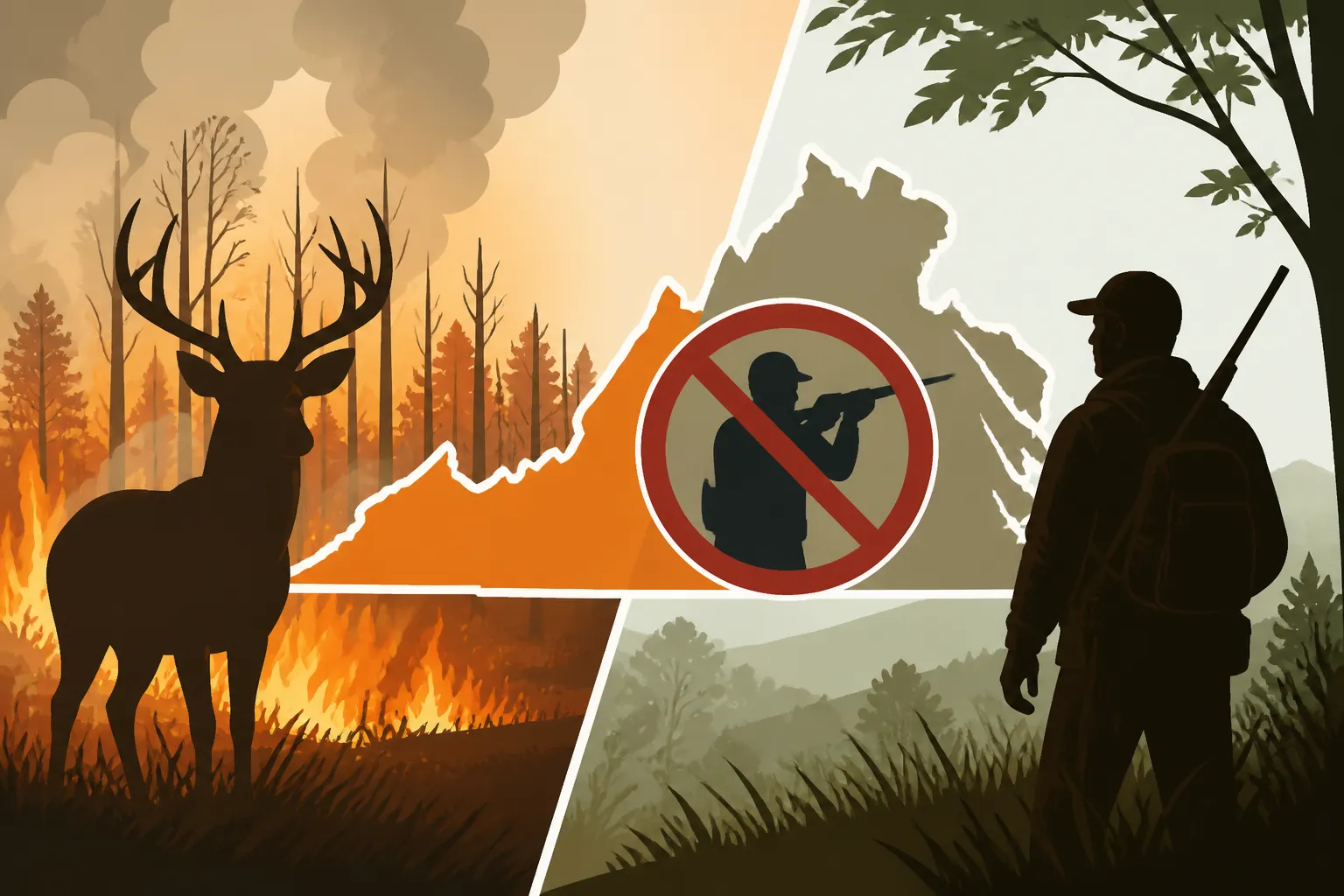
There’s nothing quite as deflating as planning a hunting trip to your favorite public land, loading up the truck, and driving for hours, only to find the gates closed or a vast section of the forest reduced to ash and blackened trees. Prescribed burns are a necessary part of managing Virginia's wild places, but they can throw a real wrench in a hunter's plans. This guide aims to demystify prescribed burns, help you understand their impact, and most importantly, equip you with the knowledge to navigate closures and even capitalize on the habitat improvements they bring for deer, turkey, and other game.
Understanding Prescribed Burns in Virginia
When you hear about a "prescribed burn" or "controlled burn," it's not some rogue wildfire. These are intentionally set fires, carefully managed by land management agencies like the Virginia Department of Wildlife Resources (DWR), the U.S. Forest Service, and sometimes even private landowners. The goal isn't destruction, but rather a strategic tool to improve forest health, reduce wildfire risk, and enhance wildlife habitat. For us hunters, understanding why these fires are set is the first step in adapting our strategies.
Why Virginia Uses Prescribed Burns
Virginia's diverse landscapes, from the longleaf pine ecosystems in the southeast to the mixed hardwoods of the mountains, have evolved with fire. Historically, natural fires, often started by lightning, played a crucial role in shaping these environments. When we suppress all fires, we disrupt this natural cycle, leading to an unnatural buildup of fuel – dead leaves, fallen branches, thick undergrowth – which, ironically, makes future wildfires far more intense and destructive.
Prescribed burns address this by reducing that fuel load, making it safer for both human communities and the forest itself. Think of it as a controlled reset button. But beyond safety, these fires are powerful tools for habitat management. Many of our most cherished game species actually thrive in post-fire environments. For instance, deer benefit immensely from the flush of new, nutritious growth that emerges after a burn. Turkeys find improved bugging areas, and small game like rabbits and quail see a resurgence in vital nesting cover and seed-producing plants. It’s a delicate balance, but the long-term benefits for game populations are undeniable.
The Science Behind Prescribed Fire
The process of setting a prescribed fire is far from haphazard. It’s a meticulous science, with burn bosses and crews carefully studying weather patterns, fuel moisture, wind direction, and topography. They look for specific "prescription windows" – that perfect combination of conditions that allows the fire to achieve its objectives without becoming uncontrollable. This might mean burning in the cooler, wetter months to reduce heavy fuels, or in the spring when herbaceous growth is just starting, to encourage new browse.
The fire itself isn't meant to incinerate everything. Instead, it moves through the understory, consuming leaf litter, small shrubs, and woody debris, while generally leaving larger, more mature trees unharmed. This process releases nutrients back into the soil, stimulates the growth of fire-adapted native plants, and creates a more open forest floor that’s easier for animals to move through and for sunlight to reach the ground. It’s a sophisticated ecological dance, designed to mimic natural processes and foster healthier, more resilient ecosystems that ultimately support more wildlife.
How Prescribed Burns Affect Hunting Opportunities
The immediate impact of a prescribed burn on your hunting plans can feel like a punch to the gut. No one wants to hear that their carefully scouted honey hole is now closed, or worse, a smoldering landscape. But it's important to differentiate between the short-term disruptions and the long-term, often positive, effects.
Short-Term Disruptions and Closures
The most obvious effect of a prescribed burn is immediate access restriction. For safety reasons, land management agencies will close off areas where burns are planned or actively taking place. This is crucial; embers can travel, smoke can obscure vision, and heavy equipment might be moving through. It’s not just about direct flames; the residual heat and smoldering logs can remain dangerous for days, or even weeks, after the main event.
These closures often extend beyond the immediate burn unit, creating safety zones around the perimeter. You might find roads blocked or trailheads closed, redirecting your plans entirely. And let's be honest, hunting in a recently burned area isn't always the most appealing. The landscape can look stark, black, and desolate, a far cry from the vibrant woods you scouted. Plus, the smell of smoke can linger, and visibility might be reduced even in adjacent areas. It's frustrating when you've invested time and effort, but respecting these closures is paramount for your safety and the safety of the burn crews. Always check official sources like the DWR website or specific WMA pages before heading out, especially during the spring and fall burn seasons.
Long-Term Habitat Benefits for Game
While the immediate aftermath might look apocalyptic, the forest begins to rebound remarkably quickly, often within weeks. The long-term benefits for Virginia's game species are truly significant, and smart hunters learn to recognize these changes as opportunities.
For white-tailed deer, the fire clears out dense underbrush, allowing sunlight to reach the forest floor. This stimulates a burst of new, highly nutritious herbaceous growth – essentially creating a natural food plot. Deer will flock to these areas to browse on the tender shoots and leaves. A burn can also improve visibility, making it easier for deer to move and for hunters to spot them. Virginia Deer Population Estimate benefit greatly from these renewed food sources.
Wild turkeys also find newly burned areas irresistible. The fire removes dense leaf litter, exposing insects, spiders, and other invertebrates that make up a significant portion of a turkey's diet. These "bugging" areas are critical, especially for poults. Furthermore, the increased visibility on the forest floor allows turkeys to more easily spot predators. Wild Turkeys in Virginia often show increased reproduction in areas managed with prescribed fire.
Small game like rabbits, quail, and even some squirrel species benefit too. The fire opens up dense thickets, promotes the growth of seed-producing plants, and creates better cover for nesting and escape. For the diligent hunter, understanding these ecological shifts means anticipating where game will move in the seasons and years following a burn. It's about playing the long game and recognizing that a temporary inconvenience can lead to sustained future success. You might even find better access for Squirrel and Small Game Hunting in Virginia in these newly opened areas.
Finding Information on Burn Schedules and Closures
One of the biggest frustrations for hunters is the lack of real-time information. You don't want to drive hours to a public hunting area only to find it closed due to a burn. Thankfully, with a little proactive effort, you can often stay ahead of the game.
DWR Resources and Mapping Tools
The Virginia Department of Wildlife Resources (DWR) is your primary and most reliable source for information on prescribed burns on state-managed lands, including Virginia Wildlife Management Areas. They understand the impact on public access and make efforts to disseminate information. Here's how you can typically find it:
- DWR Website: Regularly check the DWR website. Many WMAs have dedicated pages where they will post announcements about planned burns, closures, and reopening dates. Look for press releases or news updates.
- Email Lists and Social Media: Sign up for DWR email newsletters or follow their official social media channels. These are often the quickest ways to get alerts about burn activities in specific regions or WMAs.
- WMA Offices: If you frequently hunt a particular WMA, consider calling the local WMA office directly. The staff there often have the most up-to-date information on upcoming burn plans and any current closures.
- Go Outdoors Virginia Map Tool: The DWR's Go Outdoors Virginia platform often has mapping tools that can indicate public land boundaries and sometimes even specific closure areas. While it might not always show dynamic burn activity, it's a great starting point for understanding where public land exists and what regulations apply. Using tools like Scouting With the Virginia DWR App can help you check general regulations and boundaries on the go.
It's important to remember that burn plans are highly dependent on weather and may change on short notice. A burn planned for Tuesday might be pushed to Thursday or even canceled due to an unexpected wind shift or rain. Always double-check before you leave home.
Leveraging Technology for Real-Time Updates
Beyond official DWR channels, modern hunting apps can be incredibly useful for understanding land status, even if they don't always provide real-time burn updates. While you should always cross-reference with official DWR sources for burn closures, these tools can help you visualize the landscape and scout alternatives.
For instance, onX Hunt and GoHunt are powerful mapping applications that display land ownership, public land boundaries, and topographical features. If a section of public land is closed, these apps can help you quickly identify adjacent public parcels that might still be open, or even help you find private land with potential access if you've done your due diligence in asking permission.
Let's say you're planning to hunt a specific section of the George Washington National Forest. You check the DWR website and see a burn scheduled for that area. Using onX Hunt, you can immediately zoom out, see the surrounding National Forest land, and start scouting alternative ridge lines, hollows, or access points that are outside the burn zone. These apps allow you to drop pins, measure distances, and evaluate terrain from your couch, saving valuable time and gas. They can also help you understand access points and Virginia Public Land Hunting Hours, ensuring you're compliant even if you change your plan last minute.
While these apps don't directly track burn activity, they are invaluable for rerouting and making informed decisions when faced with a closure. They empower you to be flexible and find new opportunities, even when your original plan goes up in smoke (literally!).
Strategies for Hunting Burned Areas
A burned landscape can initially seem devoid of life, but it’s actually teeming with potential for the savvy hunter. The key is understanding how wildlife reacts to these changes, both immediately and over the long term. Don't write off a burned area; learn to read it.
Adapting Tactics in Freshly Burned Landscapes
In the immediate aftermath of a fire, the ground might still be smoldering, and the scent of smoke will be heavy in the air. Most animals will temporarily move out of the direct burn zone. However, they don't go far. They'll often shift to the nearest unburned cover, especially if it offers water or food. Focus your efforts on the edges of the burn, particularly where the scorched earth meets green timber, agricultural fields, or water sources. These edges become high-traffic funnels as animals move in and out of their temporary refuges.
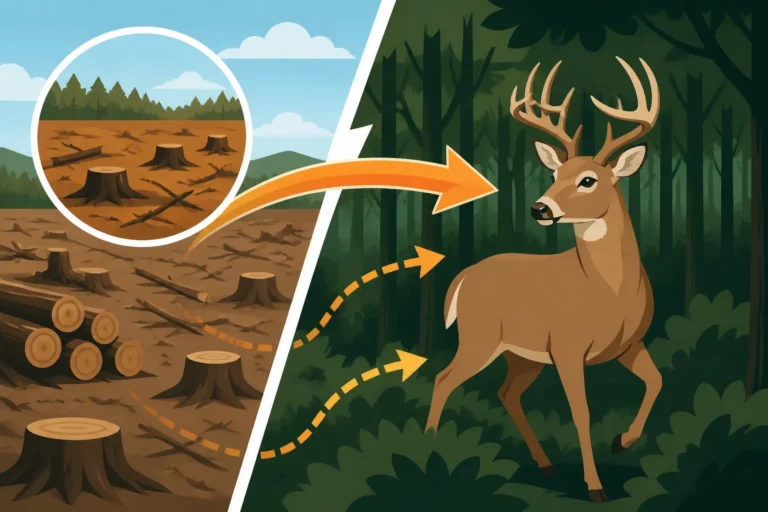
Once the fire has cooled and new growth begins to emerge (which can be surprisingly fast, often within weeks), game animals will start moving back in. The exposed soil is rich with nutrients, and the first green shoots are incredibly palatable and nutritious for deer. Turkeys will be on the hunt for insects and seeds exposed by the fire. The increased visibility can also be a double-edged sword: it’s easier for you to see, but also easier for game to spot you. Consider using ground blinds that blend into the remaining charred stumps and debris, or focus on areas where unburned pockets of cover provide concealment. In these freshly opened areas, calling can be very effective as sounds carry further. You might find success hunting spots like Hunting a Clear-Cut Regrowth Edge, as the dynamics of newly burned land can be similar to those of new timber cuts.
| Feature | Short-Term Impact (0-6 months post-burn) | Long-Term Impact (6+ months post-burn) | Hunting Strategy Implication |
|---|---|---|---|
| Visibility | Increased due to cleared understory | Maintained, but new growth can create cover | Easier to spot game, but harder to hide. Focus on concealment. |
| Food Availability | Reduced initially, then rapid new growth | Abundant browse, seeds, insects for years | Hunt edges initially; target new growth as it emerges. |
| Cover | Reduced in burn zone, concentrated in adjacent areas | New low-level cover for bedding and nesting | Hunt transition zones and unburned pockets. |
| Animal Movement | Displaced to adjacent unburned areas, then return | Consistent use of rejuvenated areas | Focus on entry/exit points to/from new food. |
| Scent/Sound | Smoke smell may linger, sounds carry further | Normalizes; sounds still carry well in open understory | Be mindful of wind, use calls effectively. |
Capitalizing on Future Habitat Improvements
The real payoff from prescribed burns often comes a year or two down the line. The initial flush of green growth evolves into more established browse, denser cover, and a healthier overall ecosystem. This is where long-term scouting and planning come into play.
After a burn, dedicate some off-season time to exploring these areas. Look for renewed bedding areas, new travel corridors, and perennial food sources that have been stimulated by the fire. Pay attention to how deer trails develop in response to the changes. You'll likely find that areas that were once choked with thick, unpalatable vegetation are now vibrant with deer-attracting plants. This can be an excellent time to Scouting Virginia Public Land Before Season to identify these new hotspots.
Consider setting up trail cameras to monitor game movement throughout the year. You'll often see an increase in deer activity and improved buck age structure in well-managed burn units. For permanent stand locations, look for strategic bottlenecks, natural funnels, or areas where newly regenerated browse is concentrated. Areas that were previously difficult to hunt due to impenetrable thickets might now offer improved access and shooting lanes. Whether you're hanging a treestand or planning a still-hunt, these areas can become incredibly productive for years to come. Thinking ahead about your Treestand Setups in George Washington National Forest or Hanging a Stand on a Jefferson Forest Ridge will serve you well in these evolving landscapes.
By understanding the full cycle of a prescribed burn – from the initial disruption to the long-term habitat enhancement – you can transform a potential setback into a strategic advantage, finding ground that perhaps Finding Ground Others Walk Past in their haste to avoid the "burned over" woods.
Disclaimer
This article is for general informational purposes only and does not constitute professional advice. Laws, prices and regulations vary by location and change over time. Consult a qualified professional for guidance on your specific situation.