Ground Blinds on Virginia Field Edges
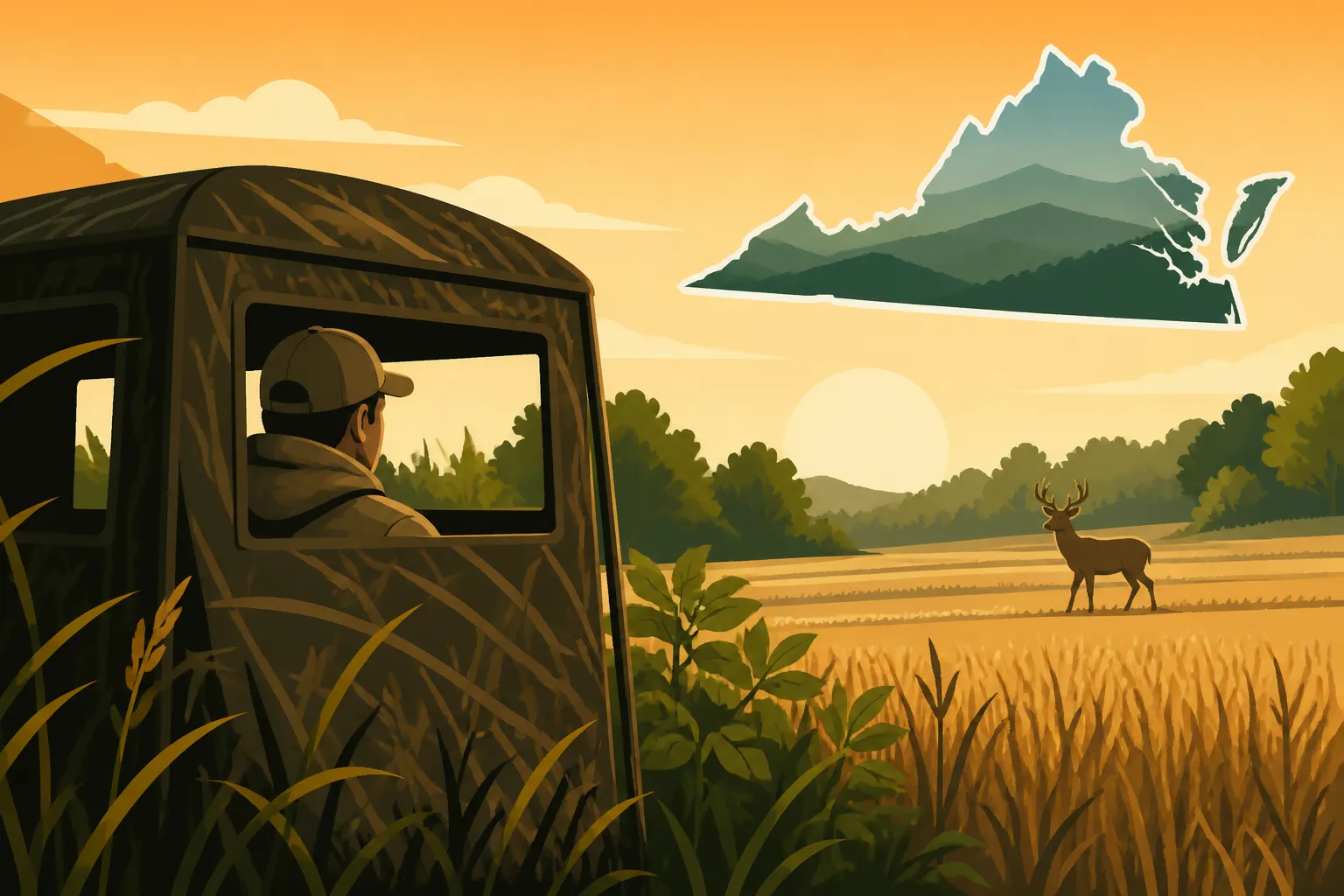
Hunting Virginia's open field edges can be incredibly rewarding, offering opportunities to spot deer moving between bedding and feeding areas. But let's be honest, finding the perfect tree for a stand isn't always possible, and sometimes you just need to stay mobile or keep a low profile. That's where ground blinds really shine, providing crucial concealment and comfort when you're targeting those wary whitetails along crop fields, pastures, or food plots. This guide will walk you through everything you need to know about effectively using ground blinds on Virginia field edges to increase your success.
Why Ground Blinds are a Game Changer on Virginia Field Edges
Hunting field edges can be a feast or famine scenario. Deer, especially mature bucks, often skirt the edges of open areas, using the cover of the woods or brush for security while still accessing tempting food sources. A ground blind, when used correctly, offers several distinct advantages over traditional treestands in these specific environments, making it a valuable tool in your Virginia hunting arsenal.
The Advantage of Mobility and Versatility
One of the biggest frustrations with treestands is their fixed nature. Once you hang it, that's generally where you're committed to hunting for a while. But deer patterns, especially around fields, can change with the wind, crop rotations, or even just the time of day. Ground blinds, particularly the pop-up variety, offer unparalleled mobility. If the deer start hitting a different section of the field or using a new entry point, you can pick up your blind and move it within minutes. This adaptability means you're not stuck watching an empty corner while the deer are feasting a hundred yards away. It’s also a fantastic option for hunters who struggle with heights or physical limitations that make climbing a challenge.
Superior Concealment and Comfort
Let's face it, sitting exposed on the ground or even in a sparsely leaved tree can be tough, especially when those keen deer eyes are constantly scanning. A well-brushed-in ground blind offers a level of concealment that's hard to beat. You're completely enclosed, allowing for subtle movements, checking your phone, or grabbing a snack without alerting nearby game. This internal freedom of movement is a huge comfort factor, particularly on those long, chilly Virginia mornings or late-season afternoons. Plus, being out of the direct wind and protected from light rain can make all the difference in your ability to stay on stand longer and remain focused. The ability to control your scent a bit more, by keeping it contained within the blind's fabric, is another benefit, especially if you're trying to hunt tight to an active deer trail. Scent Control Gear for Urban Archery Hunts becomes even more effective when paired with a quality blind.
Choosing the Right Ground Blind for Virginia Field Edges
Not all ground blinds are created equal, and what works best in a dense timber setting might not be ideal for a wide-open field edge in Virginia. Considering the specific challenges and opportunities presented by fields will help you select a blind that maximizes your chances of success.
Pop-Up vs. Permanent Blinds
For most Virginia field edge hunting, pop-up blinds are the go-to choice. They are lightweight, compact when folded, and incredibly quick to deploy. This ease of setup and takedown makes them perfect for scouting a new field or adapting to changing deer movement. You can set one up before daylight, hunt, and then take it down, leaving no trace. This is especially useful on private land where you might have limited access, or even for certain public land scenarios where regulations allow.
Permanent blinds, on the other hand, are a much bigger commitment. These are often custom-built wooden or elevated structures designed to stay in place year-round. While they offer superior comfort, weather protection, and can be camouflaged into the landscape over time, their lack of mobility makes them less versatile for adapting to changing conditions. They require significant investment in time and materials and are typically reserved for private land, like a family farm where you know exactly how the deer use a specific field year after year. For exploring new opportunities or reacting to the season's progression, the pop-up blind is king.
Camouflage Patterns and Size Considerations
When you're hunting a field edge, you're often dealing with varying backgrounds. The camouflage pattern on your blind needs to blend seamlessly. For Virginia, patterns that mimic hardwoods, brush, or even agricultural stubble can be highly effective. Look for patterns with a good mix of light and dark tones to break up the blind's outline. Some blinds even come with "brush straps" or loops, allowing you to easily add local vegetation to further break up its shape.
Size matters, too. If you're hunting solo, a smaller, more compact blind is easier to move and hide. If you plan to hunt with a youth hunter or need more space for gear, a larger hub-style blind might be necessary. Consider your typical hunting style: Do you draw a vertical bow? You'll need enough height for your arrow not to hit the roof. Are you rifle hunting? Then shooting windows and ports are critical. Always check the dimensions, especially the shooting width and height, to ensure it suits your preferred weapon and hunting style. A brand like GoHunt often features product reviews that can give you real-world insights into the practicality of different blind sizes and patterns.
Optimal Placement and Setup on Virginia Field Edges
Once you've got your blind, where do you put it? This is arguably the most critical step. Proper placement can turn a good blind into a deadly one, while a poorly placed blind can stick out like a sore thumb. Think like a deer and consider how they perceive their environment.
Utilizing Natural Cover and Background
The golden rule for ground blind placement is to break up its outline using existing natural cover. Don't just plop it in the middle of a wide-open field edge. Instead, look for a cluster of cedars, a brushy fencerow, a fallen log, or even the shadows cast by a dense tree line. The goal is for the blind to disappear into its surroundings. If you're on public land, this is especially important because you want to remain unseen by both game and other hunters.
Consider the angle of the field edge itself. Is there a dip, a slight rise, or a corner where the timber pushes out into the field? These natural features can help conceal your blind. Think about Setting Up on a Piedmont Field Edge where a small woodlot meets a soybean field. You might tuck your blind right into the transition zone, half in the woods and half out, leveraging the cover of the timber to hide the back of the blind while giving you a clear view of the field. Remember, a deer's eyes are always scanning for anything out of place.
Wind Direction, Sun Position, and Entry/Exit Routes
These three elements are paramount to successful blind placement. Always place your blind so the prevailing wind carries your scent away from where you expect deer to approach or cross. This is non-negotiable. If the wind is wrong, you're just educating deer.
The sun's position throughout the day is another factor. Avoid placing your blind where the morning or evening sun will shine directly into your shooting window, creating glare that hinders your vision and makes you more visible. Orient your blind so the sun is at your back or to the side, allowing you to see clearly without being silhouetted.
Finally, plan your entry and exit routes meticulously. Can you get to and from your blind without being seen or heard by deer? This often means using natural terrain features, deep ditches, or thick cover. If you hunt a Standing Cornfield in Farm Country, you might use the rows of corn as a travel lane to reach your blind unseen. Knowing how you'll approach and depart your blind can be just as important as where you place it. A good mapping tool, like the one offered by GoHunt, can help you identify these crucial details before you even step foot in the field, showing you terrain features, timber lines, and potential travel corridors.
Brushing In Your Blind: Making It Disappear
Once your blind is in position, the work isn't over. A new, unbrushed blind can stick out like a giant square box, even with good camouflage. The key to success is to integrate it into the natural environment. This "brushing in" process is essential for fooling wary Virginia whitetails.
Utilizing Local Vegetation
The best material for brushing in your blind is almost always what's immediately around it. Cut small branches, tall grasses, corn stalks, or leafy saplings and strategically place them around and on your blind. The goal isn't to create an impenetrable fortress, but to break up the hard lines and shape of the blind. Think about what a natural brush pile or thicket would look like in that specific spot. If you're hunting an old pasture edge, collect dried broomstraw and briars. If you're on the edge of a pine plantation, use small pine branches. The more it blends with the immediate surroundings, the less likely deer are to notice it.
When adding vegetation, pay special attention to the corners and top edges of the blind – these are often the most unnatural-looking parts. Don't overdo it, though. You still need clear shooting lanes! It's a balance between concealment and functionality. If you're leaving a blind out for an extended period, remember that fresh greenery will wilt and dry out, so you may need to refresh your natural camouflage periodically.
The "Ghost Blind" Approach and Long-Term Strategies
Some hunters advocate for what's known as the "ghost blind" approach, which involves setting your blind up a week or two before you plan to hunt. This allows local wildlife, especially deer, to get accustomed to its presence. They'll see it, become curious, and then, hopefully, habituated. When you finally climb in to hunt, it's just another part of the landscape to them. This strategy is particularly effective on heavily pressured animals, or if you're hunting an area where deer are already wary of new intrusions.
If you plan to leave your blind out for an extended period, say for the duration of Virginia Statewide Archery Season, invest in a high-quality blind made from durable materials. Consider securing it with stakes and ropes to prevent wind damage. Remember that exposing your blind to the elements continuously will shorten its lifespan. Some hunters even rotate blinds between different field edges to give specific spots a break and allow deer to get comfortable again.
Hunting from a Ground Blind: Tactics and Considerations
Now that your blind is perfectly placed and brushed in, it's time to hunt. Hunting from a ground blind requires a slightly different approach than a treestand, especially concerning shot opportunities and maintaining your stealth.
Shot Angles and Shooting Lanes
One of the biggest differences is your perspective. You're at ground level, which means deer look much larger and your shot angles are horizontal, rather than downward. This can affect broadhead trajectory or bullet impact, so practice shooting from a seated position with your chosen weapon, mimicking the angles you'll encounter in the blind. Ensure all your shooting windows are clear and offer unobstructed lanes to your anticipated target areas.
Take a few minutes once you're settled in to identify landmarks or distances to key points in the field using a rangefinder. This is crucial for making accurate shots when a deer steps out. Unlike a treestand, where you might have a wide-open 360-degree view, ground blinds often have limited windows. Understand your field of view and know where your blind might limit you. For instance, if you're bowhunting, you'll need ample space to draw your bow without hitting the blind's walls or window frames.
Patience, Scent Management, and Noise Discipline
Patience is a virtue in any form of hunting, but it's especially critical in a ground blind. You're often hunting transition areas, and deer might move slowly, pausing to browse or scan before entering the open field. Don't rush your shot. Wait for the deer to present the best possible angle, broadside or slightly quartering away.
Even though you're enclosed, scent management is still important. Your scent can still waft out of windows or vents. Be mindful of wind direction and use scent-reducing sprays or carbon clothing. Using a Ground Blind on Virginia Public Land means you'll have to be extra vigilant, as deer on public land are often more sensitive to human presence.
Finally, noise discipline is paramount. The enclosed nature of a ground blind can amplify sounds, making small movements or gear rattles seem much louder. Pad your seat, organize your gear within easy reach, and move slowly and deliberately. If you're calling deer with rattling antlers or grunt calls, remember that the sound will be slightly muffled inside the blind, so adjust your calling volume accordingly. Rattling and Grunting in Virginia can be very effective from a blind, as long as you account for the acoustic properties of the enclosure.
Ground Blind Maintenance and Off-Season Care
Just like any piece of hunting gear, your ground blind needs a little love to ensure it lasts for seasons to come. Proper care will protect your investment and keep you concealed when it matters most.
Cleaning and Drying After Each Use
It's tempting to just pack up your blind and toss it in the truck after a hunt, especially if you're tired or the weather is turning. But taking a few extra minutes for basic maintenance can significantly extend its life. If your blind gets wet, make sure to set it up at home to thoroughly dry before storing it. Mildew is the enemy of fabric blinds and can quickly ruin them, not to mention creating an unpleasant smell that deer will certainly detect. Shake out any leaves, dirt, or debris. If it's particularly muddy, a gentle wipe-down with a damp cloth can help. Avoid harsh detergents or scrubbing, as this can damage the waterproof coating or camouflage pattern.
Pay attention to zippers, which can collect dirt and get sticky. A quick brush-off can prevent issues. Inspect for any small tears or holes that might have occurred during the hunt. Small repairs are much easier than large ones, and you don't want a drafty or compromised blind on a cold November morning.
Storage and Longevity Tips
When it's time to put your blind away for the off-season, proper storage is key. Store it in a cool, dry place, away from direct sunlight, which can degrade the fabric and fade the camouflage. Keep it elevated if possible, to prevent rodents from chewing on it. Many blinds come with a carrying bag; always use it to protect the blind during transport and storage.
Consider applying a fabric protectant or water-repellent spray annually, especially if your blind sees a lot of use or is frequently exposed to the elements. Check all the poles and hubs for wear and tear, and if anything is bent or damaged, look into replacement parts. Taking these simple steps will ensure your ground blind is ready to go year after year, offering a reliable, comfortable, and concealed hunting platform for those memorable Virginia field edge encounters. Scouting Virginia Public Land Before Season is a great time to also check your stored gear and make sure it's in top shape.
Ground Blind Comparison for Virginia Field Edges
Choosing the right ground blind depends on your specific hunting style, budget, and the conditions you face. Here's a quick comparison of common types suitable for Virginia field edge hunting:
| Feature | Pop-Up Blind (Hub Style) | Chair Blind (One-Man Chair with Integrated Blind) | Permanent Box Blind (DIY or Pre-fab) |
|---|---|---|---|
| Pros | Excellent mobility, quick setup/takedown, good concealment, relatively affordable, multiple shooting windows. | Highly portable, integrated seat, very quick setup, good for minimalists. | Maximum comfort, weather protection, durable, can be elevated, great for scent containment. |
| Cons | Can be affected by high winds, less insulation, requires separate seating, can be bulky when packed. | Limited space, less versatile shooting angles, often less robust construction, minimal room for gear. | Very expensive, zero mobility, high effort to construct/place, long-term commitment. |
| Ideal Use | Adaptable hunter, changing conditions, public/private land, bow or gun. | Short hunts, scouting, highly mobile hunter, small property. | Dedicated private land, long-term stand, multiple hunters, youth/disabled hunters. |
| Concealment | Good, but benefits greatly from brushing in. | Moderate, needs some natural backdrop. | Excellent, especially when well-blended or elevated. |
| Virginia Notes | Great for Hunting the Virginia Rut in November on field edges, allows quick adjustments to deer movement. | Excellent for quick setup on a specific Setting Up on a Piedmont Field Edge where you only expect a short opportunity. | Best for managed food plots on private land, providing consistent access regardless of weather for Late-Season Food Sources for Virginia Whitetails. |
Disclaimer
This article is for general informational purposes only and does not constitute professional advice. Laws, prices and regulations vary by location and change over time. Consult a qualified professional for guidance on your specific situation.