Frame Packs for Boning Out a Deer
That moment when you've finally connected on a deer, especially deep in the backcountry of the George Washington National Forest or far from a logging road, can quickly turn from elation to dread when you consider the monumental task of getting that animal out. Dragging a whole deer for miles over rugged Virginia terrain is a recipe for exhaustion, injury, and often, compromised meat. This guide will walk you through everything you need to know about using a frame pack to bone out your deer, making those remote recoveries manageable and efficient.
The Backcountry Reality: Why Boning Out and Frame Packs Go Hand-in-Hand
Let's be honest, few things are as exhilarating as a successful hunt. You've put in the time Scouting Virginia Public Land Before Season, honed your skills, and finally, a Virginia whitetail is on the ground. But then the real work begins. If you're miles from your vehicle, perhaps in a steep hollow west of the Blue Ridge, the thought of moving that animal can quickly dampen the celebratory mood. This is where the concept of boning out your deer and carrying it out in a purpose-built frame pack becomes not just an option, but often, a necessity.
The Limitations of Traditional Deer Removal Methods
For many years, and still for those hunting closer to vehicle access, the go-to method for deer removal has been the classic drag. You field dress the animal, tie a rope around its neck, and start pulling. On flat, open ground, this can be manageable, albeit still physically demanding. But in Virginia's diverse landscape—think dense clear-cuts, rocky mountain slopes, or the thick, boggy edges of a tidewater swamp—dragging quickly becomes an exercise in futility and frustration. You're fighting every root, rock, and incline, burning precious daylight and energy. Not only is it back-breaking, but a long, slow drag can also compromise the meat quality, especially on warmer days, as the carcass slowly heats up from friction and lack of airflow. Traditional deer carts are great on established trails or old logging roads, but try pushing one through dense rhododendron thickets or over a boulder field, and you’ll quickly see their limitations.
The Freedom and Efficiency of a Boned-Out Pack
This is where the paradigm shift occurs. Instead of struggling with the entire carcass, you strategically break the animal down into its primal cuts in the field. By removing the bones, you eliminate a significant portion of the animal's weight, making the load much lighter and more manageable. The meat, now separated from the heavy bone structure and hide, can be organized into game bags and strapped to an external frame pack. This method allows you to tackle terrain that would be impossible with a whole deer. Imagine navigating a steep climb or a narrow game trail with 80-100 pounds of boned-out venison distributed comfortably on your back, rather than fighting a 150-pound dead weight dragging behind you. This approach not only saves your back and knees but also significantly speeds up the retrieval process, getting that precious meat cooled down and to the processor or freezer faster. It's a skill that fundamentally changes how you approach remote hunting, giving you the confidence to venture deeper into promising public lands without the lingering anxiety of the pack-out.
Anatomy of a Great Frame Pack for Meat Hauling
Not all backpacks are created equal when it comes to hauling heavy, awkward loads of meat. Your average daypack, while perfect for Packs for a Jefferson Forest Day Hunt, simply isn't designed to handle the weight and bulk of boned-out venison. A purpose-built external frame pack, or a hybrid internal/external frame system, is the tool for the job. These packs are engineered from the ground up to distribute massive loads efficiently and comfortably, transforming an otherwise impossible task into a strenuous but achievable one.
Understanding the External Frame Advantage
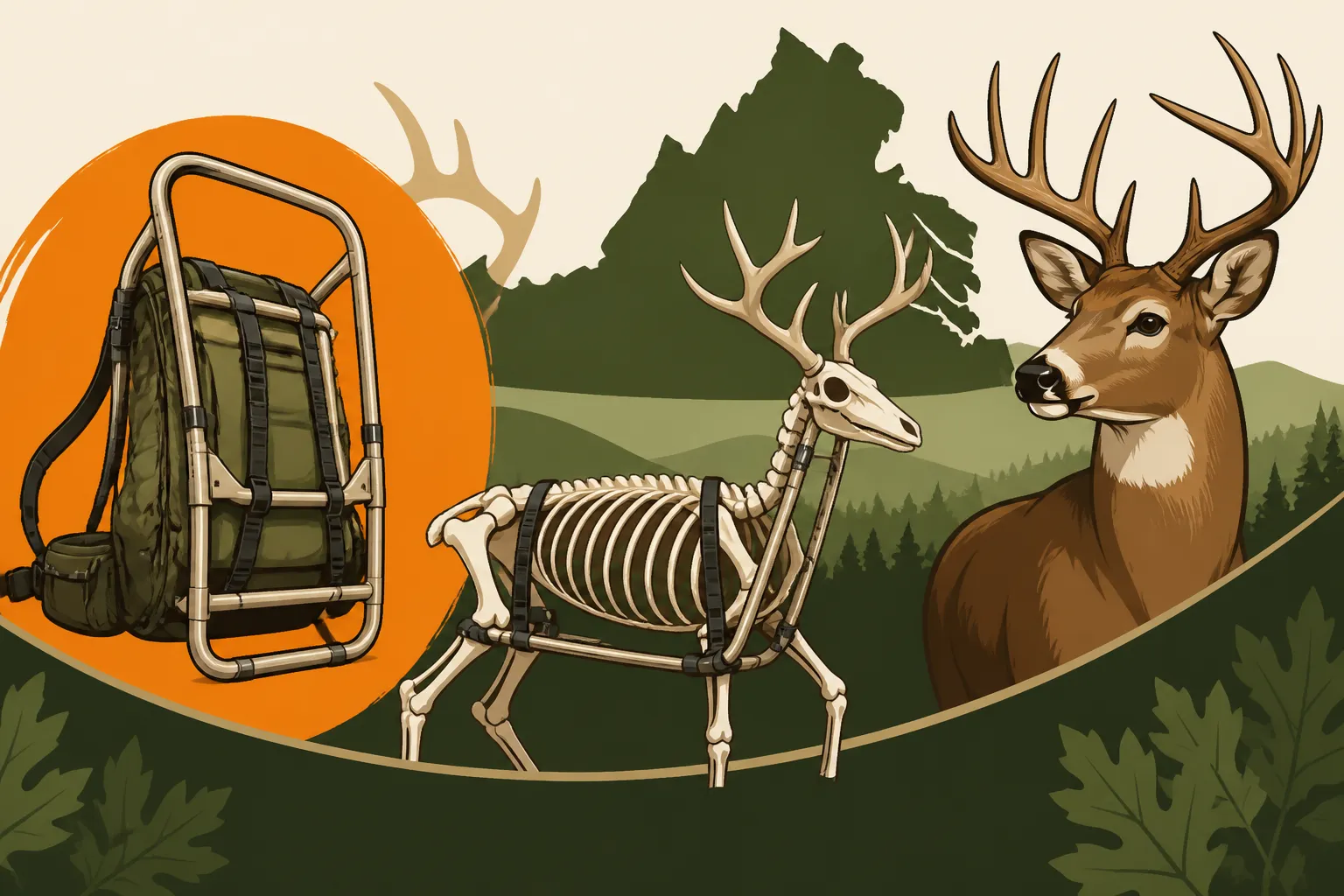
Traditional external frame packs, often characterized by their visible metal or composite frames, excel at carrying heavy and irregularly shaped loads. The frame itself acts as a rigid backbone, transferring weight directly to your hips and legs, where your body's strongest muscles can bear it. This design keeps the load slightly away from your back, promoting airflow and reducing sweat—a huge plus when you're exerting yourself in Virginia's variable weather. Many modern hunting packs have evolved, offering hybrid designs that blend the stability of an external frame with the body-hugging comfort of an internal frame, particularly when empty. Look for packs where the main bag can detach, leaving just the robust frame and a load shelf exposed. This "meat shelf" or "load sling" is crucial, allowing you to compress game bags directly against the frame, close to your center of gravity, before attaching the main pack bag over the top if you're doing a two-trip haul or need extra gear.
Key Features: Suspension, Hip Belt, and Load Shelf
When evaluating frame packs for boning out deer, several features stand out as non-negotiable for comfort and effectiveness:
- Robust Suspension System: This isn't just about padded shoulder straps. A good suspension system includes adjustable torso length, which is vital for properly fitting the pack to your body, ensuring the load sits where it should. Look for thick, comfortable padding on the shoulders and, critically, the hip belt. The adjustment points should be easy to manipulate, even with cold hands or while wearing gloves.
- Ergonomic Hip Belt: The hip belt is the unsung hero of a frame pack. It's designed to carry the majority of the weight—ideally 70-80%—transferring it to your hips and legs. A wide, stiff, and well-padded hip belt is essential to prevent hot spots and fatigue. It should cinch down securely without slipping, even when carrying 80+ pounds. Some premium brands offer interchangeable hip belt sizes to ensure a perfect custom fit.
- Integrated Load Shelf or Haul Shelf: This is arguably the most defining feature for a meat-hauling pack. A load shelf is a platform, often expandable, that sits between the frame and the main pack bag. It allows you to securely strap a boned-out deer quarters (or the entire boned-out carcass in heavy-duty game bags) directly to the frame. The main pack bag then either attaches over this load or can be used on a separate trip. This system ensures the densest, heaviest part of your load is snug against the frame and close to your back, minimizing swing and maximizing stability. Brands like GoHunt often highlight this feature in their pack reviews, noting how critical it is for efficient meat transport.
- Compression Straps Galore: Strong, numerous compression straps are vital for cinching down your load, preventing shifting and maintaining stability. These should be strategically placed around the main pack bag and especially around the load shelf area.
Materials and Durability: Built for Virginia's Backwoods
Virginia's diverse terrain—from dense hardwoods and thorny multiflora rose thickets in the Piedmont to jagged rocks and mountain laurel in the Blue Ridge—demands gear that can take a beating. Your frame pack needs to be constructed from durable, abrasion-resistant materials. Look for high-denier nylon or Cordura fabrics, often in the 500D to 1000D range, especially on high-wear areas. Reinforced stitching, heavy-duty zippers (if the pack has a main bag), and robust buckles are also critical. While you might be tempted by lighter fabrics for day-to-day use, for meat hauling, a little extra weight in the pack itself is a worthwhile trade-off for bulletproof durability. The frame material matters too; look for aircraft-grade aluminum or composite materials that offer a high strength-to-weight ratio without adding unnecessary bulk. A pack designed to withstand the rigors of hunting will serve you for many seasons, enduring countless trips through unforgiving cover.
The Boning Out Process: Getting Your Deer Ready for the Pack
The decision to bone out a deer in the field fundamentally changes your approach to the recovery. It shifts the focus from brute strength to careful, methodical processing. This isn't just about making the load lighter; it's about preserving the quality of the meat and ensuring you get every usable pound back to camp.
Essential Tools and Hygiene for Field Processing
Before you even head into the woods, make sure your field dressing kit is ready for a boning out operation. You’ll need more than just your trusty knife. Here's a quick checklist:
| Item | Description | Importance |
|---|---|---|
| Sharp Knife(s) | At least two: a sturdy fixed blade for initial cuts, a smaller, sharper one for precision. | Prevents fatigue, ensures clean cuts, essential for meat separation. |
| Folding Saw/Hatchet | For cutting pelvis/sternum or small branches if needed for hanging. | Eases access for gutting, though less critical if completely boning out. |
| Game Bags | At least 4-6 breathable, synthetic game bags (cotton holds heat). | Protects meat from dirt, insects, and allows airflow to cool. Essential for packing. |
| Rubber/Nitrile Gloves | Multiple pairs. | Crucial for hygiene, preventing contamination, and protecting your hands. |
| Paracord or Rope | For hanging the deer, tying off legs, or securing game bags. | Aids in working on the animal, keeping it off the ground. |
| Headlamp | Even for daytime hunts, essential if the process runs long. | Hands-free illumination for precision work. |
| Water/Wipes | For cleaning hands and tools. | Maintaining hygiene throughout the process. |
When you're working with meat in the field, hygiene is paramount. Always wear gloves. Keep your tools clean. Try to keep the meat as clean as possible, avoiding contact with dirt, leaves, or stomach contents. Many hunters will hang the deer from a sturdy branch to work on it, keeping the carcass off the ground, which greatly aids in cleanliness and ergonomics.
Step-by-Step Meat Removal for Efficient Packing
There are several methods for boning out a deer, but the core principle remains: remove as much usable meat as possible, separated from the bone, and place it into breathable game bags.
- Field Dress First (Optional but Recommended): While you're boning out, some hunters prefer to still field dress the animal first. This removes the entrails, cools the body cavity, and makes it easier to work around the organs without contamination. However, if you're doing the "gutless method" (which some prefer for its speed and cleanliness), you essentially skin and bone without opening the abdominal cavity.
- Skinning: Carefully skin the deer, using your knife to separate the hide from the muscle. Work cleanly and quickly. Roll the hide back to keep it out of the way.
- Quartering and Deboning:
- Hindquarters: Separate the hindquarters from the pelvis. Then, carefully remove the large muscle groups (hams, roasts) from the bone. Take your time to get all the muscle tissue, trimming away excessive fat, fascia, and any bloodshot areas. Place these boneless sections into separate game bags.
- Shoulders: Remove the shoulders. These are not attached by bone to the main skeleton, making them relatively easy to separate. Debone the shoulder meat, again trimming as needed, and bag it.
- Backstraps & Tenderloins: These are premium cuts. Carefully separate the backstraps from along the spine. If you've field dressed, reach into the body cavity and remove the tenderloins, which lie inside along the spine. Bag these separately.
- Neck Meat, Rib Meat, Trimmings: Don't forget the neck meat, which can be substantial and excellent for grinding or stew. Rib meat can be carefully cut or saved for ribs if you desire. Any other trimmings suitable for grinding (not bloodshot or contaminated) go into a separate bag.
The goal is to have clean, boneless meat in your game bags. This process typically takes anywhere from 45 minutes to 2 hours, depending on your experience and the tools you have. It's a critical skill to master for serious backcountry hunting, greatly simplifying Recovering a Deer From a Mountain Hollow.
Securing the Load: How to Pack Your Frame Pack Correctly
Once your meat is boned out and in game bags, the real advantage of the frame pack shines. This isn't like packing a sleeping bag; it requires thoughtful placement and compression.
- Utilize the Load Shelf: Most modern frame packs designed for meat will have an external load shelf or compression system. Place the heaviest, densest meat (often the boneless hindquarters) directly onto this shelf, as close to your back as possible.
- Strategic Weight Distribution: Balance the weight from left to right. Avoid having all the heavy meat on one side of the pack. Place denser items low and close to your back. If you have other gear, you might put lighter, bulkier items (like a sleeping bag or extra clothing) at the bottom of the main pack bag, with the meat secured above it, but still tight to the frame. For a pure meat haul, it's just meat.
- Compress, Compress, Compress: Use all available compression straps to cinch down the game bags tightly against the frame. Eliminate any slack or movement. A shifting load will quickly throw you off balance and fatigue you. The goal is for the meat to feel like an extension of the pack, not a separate, jostling entity.
- Cover and Protect: If your pack has a removable main bag, secure it over the game bags. This protects the meat from external elements, keeps it contained, and helps with overall pack integrity. If you don't have a main bag attached, make sure the game bags themselves are robust and secured.
This meticulous packing ensures that when you stand up, the weight is distributed optimally, allowing you to walk out efficiently, even when facing uneven terrain. It’s a stark contrast to Dragging a Deer Out of a Mountain Hollow where the animal often snags on obstacles.
Choosing and Optimizing Your Frame Pack for Virginia Conditions
Selecting the right frame pack is an investment, and like any good piece of hunting gear, it should be chosen with your specific needs and the local conditions in mind. Virginia presents its own unique challenges, from steep mountain grades to humid, warmer early seasons.
Matching Pack Size to Your Hunting Style and Expected Haul
Frame packs come in a variety of sizes, generally measured in cubic inches or liters. Your choice should reflect your typical hunting trips:
- Day Hunts/Closer to Vehicle: If you primarily hunt areas where you might only need to go a mile or two from the truck, a smaller frame pack (3000-4500 cubic inches) with a strong load shelf might suffice. This allows for a comfortable day carry and then a solid meat-hauling capability when needed. It’s a good compromise for someone who needs a Packs for a Jefferson Forest Day Hunt but wants the ability to bone out a deer.
- Overnight/Multi-Day Backcountry Hunts: For deeper excursions into national forests or extended trips, a larger pack (5000-8000+ cubic inches) is essential. These packs can carry your overnight gear, food, water, and then compress down or expand to handle a boned-out deer on the way out. Many of these larger packs have modular designs, allowing you to remove the main bag and use only the frame and load shelf for a dedicated meat haul, or carry the meat externally while your gear remains in the main bag. GoHunt often reviews packs in this size range, emphasizing their versatility for both gear and game.
- Anticipated Deer Size: Consider the average size of deer in your hunting area. Virginia deer can range significantly in size. A mature buck from the mountains will yield more meat than a yearling doe from the Piedmont. Ensure your pack’s load shelf and frame can comfortably handle the weight and volume you anticipate. Remember, you're looking at around 60-100 pounds of boneless meat from an average adult whitetail.
Adjusting Your Pack for Comfort and Stability on Uneven Ground
A great frame pack is only as good as its fit. Before you ever hit the field, spend time adjusting your empty pack to your body. Watch videos, read the manual, and even have a friend help. The key elements to adjust are:
- Torso Length: This is the most crucial adjustment. The hip belt should sit squarely on your iliac crest (the top of your hip bones). The shoulder straps should start comfortably over your shoulders without pulling up or creating gaps at the top of your back.
- Hip Belt: Cinch the hip belt snug around your hips, not your waist. This is where the majority of the weight will ride.
- Shoulder Straps: These should pull the pack gently against your back but not carry the primary weight. They help stabilize the load.
- Load Lifter Straps: These straps, typically found on top of the shoulder straps and connecting to the top of the pack frame, pull the top of the pack closer to your body, preventing it from leaning back. Adjust them to about a 45-degree angle.
- Sternum Strap: Connects the shoulder straps across your chest, preventing them from spreading too wide and helping distribute a small amount of weight.
Once you’ve loaded your boned-out deer, re-adjust everything. The heavier load will change how the pack feels. Walk around, find your balance, and make micro-adjustments until the weight feels centered and stable. Practice walking up and down hills, even over uneven ground. You'll thank yourself when you're Hunting West of the Blue Ridge and packing out a heavy load.
Maintaining Your Pack for Years of Rugged Use
Your frame pack is a workhorse, and like any hard-working tool, it needs proper care to last. After a successful meat haul:
- Clean Immediately: Don't let blood or meat residue sit on the pack. Remove game bags, brush off any loose dirt or debris. Use a mild soap (like dish soap) and water to gently scrub any blood or grime from the pack fabric and frame. Rinse thoroughly.
- Air Dry: Hang the pack in a well-ventilated area, out of direct sunlight, to completely air dry. Ensure all padding, straps, and internal areas are dry to prevent mildew.
- Inspect for Damage: While cleaning, check for any tears, fraying straps, or broken buckles. Address minor issues promptly to prevent them from becoming major problems in the field.
- Storage: Store your pack in a cool, dry place, away from rodents or strong chemicals.
A well-maintained frame pack, perhaps outfitted with Coolers and Game Bags for Early Archery on those warmer days, will be a reliable partner for many seasons, enabling you to harvest and retrieve game from Virginia’s most challenging and remote hunting grounds.
Disclaimer
This article is for general informational purposes only and does not constitute professional advice. Laws, prices and regulations vary by location and change over time. Consult a qualified professional for guidance on your specific situation.