Dragging a Deer Out of a Mountain Hollow
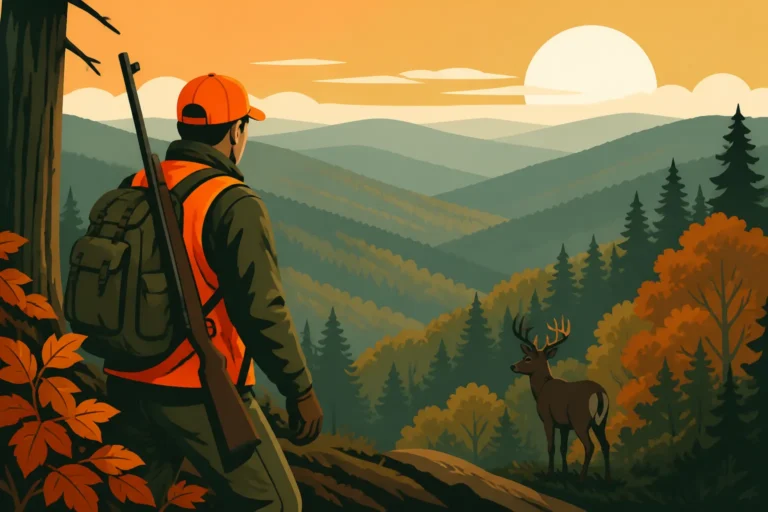
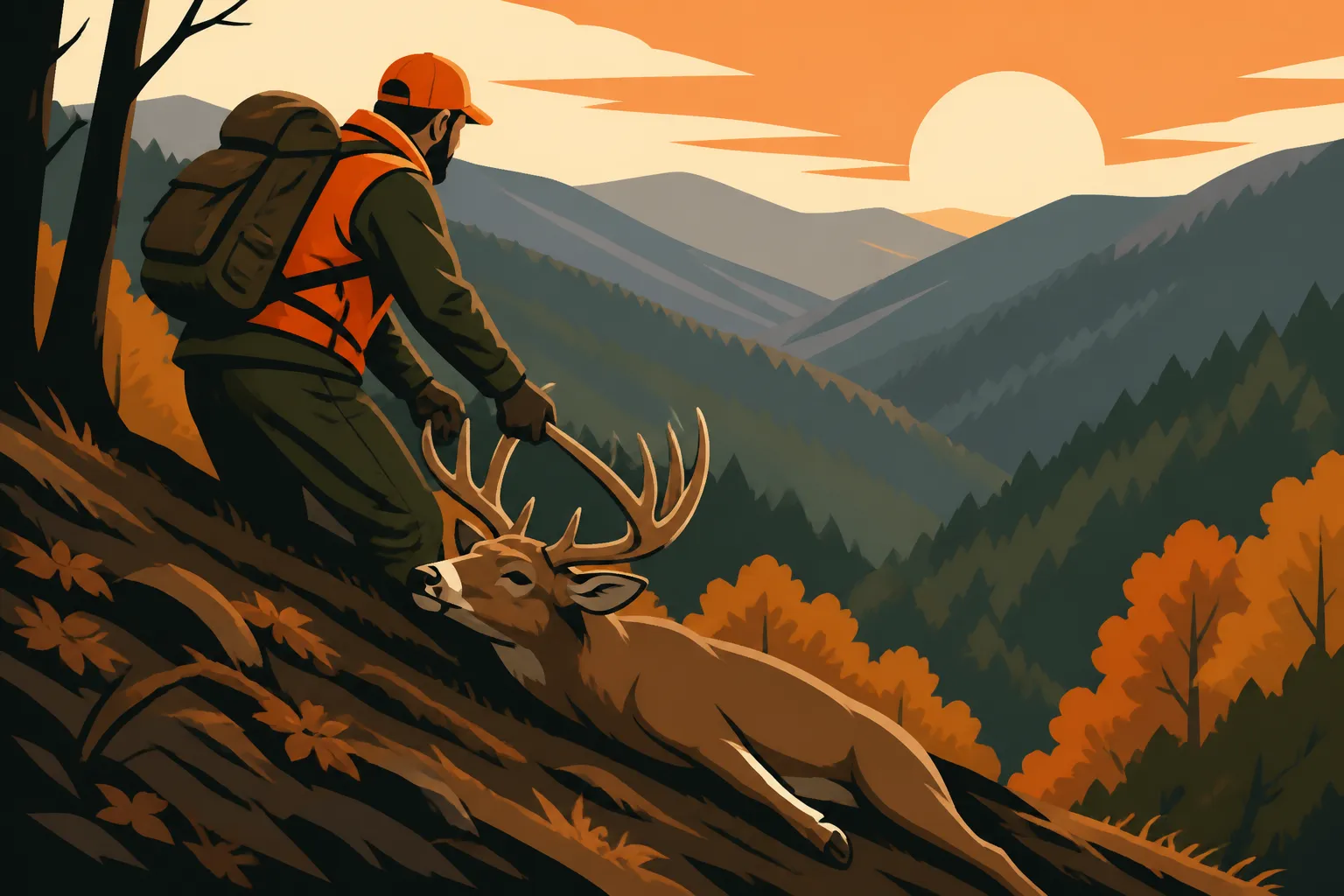
Harvesting a deer is one of the most rewarding experiences in Virginia’s wild places, but the immediate aftermath can quickly turn into a grueling test of endurance, especially when your buck or doe drops deep within a mountain hollow. The sheer physical challenge of dragging a heavy animal up steep, brush-choked slopes can turn triumph into utter exhaustion. This guide is here to walk you through the realities, gear, and strategies to make that arduous trek out of the mountains just a little bit easier and safer.
The Harsh Reality of Mountain Deer Recovery
Let's be honest, finding your deer is only half the battle when you're hunting the rugged terrain of the Blue Ridge or Appalachians. The real work, the kind that makes your muscles scream and your lungs burn, often begins after the shot. There's a reason seasoned mountain hunters often talk more about the drag than the hunt itself – it's that memorable (and painful!).
Why Mountain Hollows Are Such a Challenge
Mountain hollows, for all their beauty and deer-holding capacity, are an absolute nightmare for game recovery. You might have found a fantastic buck bedded down deep in a secluded ravine, or caught a doe slipping through a draw that nobody else touches, but getting that animal out is a whole different ballgame. The inclines and declines are often brutal, far steeper than they appear on a topo map. You’re not just walking; you’re climbing, slipping, and battling gravity with every single step.
Beyond the sheer grade, the vegetation is often incredibly dense. Think about those thickets of mountain laurel, rhododendron, greenbrier, and the inevitable maze of downed timber from past storms or logging operations. These aren't just obstacles; they're active impediments, snagging on antlers, tearing at your clothing, and forcing you to lift and maneuver a dead weight over, under, or around every few feet. And let's not forget the distance. Deer often seek refuge far from roads and trails, meaning your recovery journey starts miles from your vehicle, often through some of the most unforgiving landscape Virginia has to offer. It's not just you struggling out there; these conditions are genuinely designed to test your mettle.
Pre-Hunt Planning to Mitigate Pain
The best defense against a brutal drag is a good offense in your planning. You can significantly ease the pain of extraction by putting in some groundwork before you even step foot in the woods. This starts with meticulous scouting. Utilize mapping tools, like the ones offered by GoHunt, to identify not just where deer might be, but more importantly, how you'd get one out. Look for old logging roads, powerline cuts, or even subtle ridge lines that might offer a more gradual slope or clearer path back to your vehicle. Often, choosing a slightly longer route along a ridge can be far less taxing than a direct line straight up a creek bottom. Understanding the terrain and visualizing your escape route is paramount.
Another critical piece of planning is your parking strategy. Think about where you leave your vehicle. If you're hunting a long ridge, consider parking at one end and having a second vehicle or a pick-up point at the other, or at least positioning your primary vehicle on the side of the mountain that offers the least elevation change from your hunting area. Even a minor advantage in elevation or distance can translate into hours less struggle. Finally, while it's tempting to bring every piece of gear you own, consider hunting lighter, especially when you plan to go deep into remote areas of the Jefferson National Forest or George Washington National Forest. Every pound you carry in is a pound you'll have to carry out, plus the deer. A lighter pack means more energy for the inevitable drag. Taking the time to properly scout and plan your entry and exit points can save you an immense amount of heartache and back pain, helping you to truly appreciate your harvest rather than dreading the recovery.
Essential Gear for an Easier Drag
Let's be realistic: a mountain drag is never "easy." But with the right gear, you can transform it from an agonizing ordeal into a manageable, albeit still strenuous, task. Having the proper tools isn't about being lazy; it's about being smart and efficient, especially when dealing with the physical demands of Virginia's steep terrain.
Dragging Aids and How They Work
When you're facing a quarter-mile drag straight up a mountain, relying on just a rope around the deer's neck is a recipe for disaster. That’s where specialized dragging aids come into play. Deer sleds are perhaps the most common and effective tool for rough terrain. A rigid sled, like those made by Shappell or Jet Sled, protects the hide and meat from abrasion and allows the deer to glide over brush and rocks that would otherwise snag it repeatedly. Flexible sleds, often made of heavy-duty tarp material, are lighter and pack smaller, making them easier to carry in. They might not offer the same protection or glide as a rigid sled, but they're still a vast improvement over a bare drag. They're especially useful when you anticipate having to lift the deer over numerous downed trees or navigate incredibly tight spots.
For those moments when a sled is impractical due to extreme steepness or the need to carry the deer in pieces, harnesses and ropes become your best friends. A good shoulder harness distributes the pulling weight across your shoulders and back, rather than concentrating it solely on your arms, which will tire out quickly. Combining this with sturdy ropes allows for multiple people to pull simultaneously, or for a single person to gain mechanical advantage by wrapping a rope around a tree for leverage on steep uphill sections. Speaking of multiple people, a well-coordinated effort can make all the difference, as discussed in Deer Drives With Three or Four Hunters. When the terrain is just too impossible for dragging, or if you've harvested a large animal far from any trail and the weather is warm, breaking down the animal becomes necessary. In these cases, having game bags and proper quartering tools, like a good set of knives, ensures your meat stays clean and cool. Don't underestimate the usefulness of a specialized boning knife as part of your kit.
Personal Gear That Makes a Difference
Beyond the big dragging tools, a few smaller, often overlooked items in your pack can significantly impact your comfort and safety during recovery. First and foremost: heavy-duty gloves. The rough texture of ropes, the bark of trees, and the general grime of the forest floor will quickly shred bare hands. Look for gloves with good grip and durable material. Next, hydration and nutrition are absolutely critical. Dragging a deer, especially uphill, burns an incredible amount of calories and electrolytes. Always pack extra water and calorie-dense snacks, like energy bars or trail mix. You'll be surprised how quickly your energy reserves deplete when you're physically exerting yourself for an hour or more.
A reliable headlamp is non-negotiable, even if you shoot your deer mid-day. Field dressing and dragging always take longer than you anticipate, and daylight fades fast in a deep hollow. A powerful headlamp allows you to work safely and efficiently after dark. If you find yourself blood trailing after sundown, a bright light is indispensable for Blood Trailing After Dark in Virginia. Finally, and perhaps most importantly, carry a well-stocked first-aid kit. Scrapes, cuts, blisters, and twisted ankles are common occurrences during strenuous recovery efforts in unforgiving terrain. Having antiseptic wipes, bandages, pain relievers, and moleskin can prevent a minor mishap from turning into a major problem. You should always be prepared for the unexpected when afield, and a First Aid Kits for Remote Mountain Ground is a smart addition to your pack.
Strategies for a Successful Mountain Extraction
Okay, you've got your gear, you've planned your route (as best you could), and now you're standing over your hard-earned deer in the bottom of a steep hollow. It's time to put those strategies into action. This is where experience, patience, and sometimes a little creative thinking truly pay off.
Solo vs. Team Efforts
The thought of dragging a deer out of a mountain hollow by yourself can be incredibly daunting, and for good reason—it’s a monumental task. If you're hunting solo, you’ll quickly learn the value of gravity and leverage. The "tree drag" method involves securing a rope to the deer, then passing it around a sturdy tree uphill from the deer, and pulling the rope while bracing yourself against the tree. This multiplies your pulling power. Small, incremental pulls are the key. Don't try to move the deer twenty feet at once; aim for a foot or two, rest, and repeat. Frequent, short breaks are not a sign of weakness; they're smart energy management. Use whatever natural inclines you can to your advantage, even if it means taking a slightly roundabout path.
However, if you have the luxury of hunting with friends or can call for backup, a team effort is a game-changer. The difference between dragging a deer with one person versus two or three is exponential. With multiple people, you can assign roles: one person pulling from the front, another pushing from behind, and a third clearing brush or guiding. Synchronized pulling, where everyone pulls on a count, maximizes effort and prevents jerking. Communication is absolutely vital here to prevent injuries and maintain momentum. Having a buddy with you not only lightens the physical load but also boosts morale when the going gets tough. Sometimes, a well-placed hunting camp allows for quicker retrieval with more hands, so considering Virginia Deer Camp Traditions can be beneficial.
Navigating Different Terrain
Each type of terrain within a mountain hollow presents its own unique challenges. Uphill sections are undeniably the most brutal. This is where you grit your teeth and rely on those short, controlled pulls. If using a sled, one person can pull from the front while another pushes or lifts from the rear, especially over logs or rocks. If you’re solo, anchor your rope to a tree, pull what you can, then move the rope to another tree further up. Think of it as a series of short winches. When you're dealing with very steep grades, often the best approach is to find a path that, while longer, has a more gradual ascent. This is where your prior scouting using a mapping tool like GoHunt's topo feature to identify Hunting a Funnel Between Two Hollows can really pay off.
Downhill sections might seem like a relief, but they demand a different kind of control. You don't want the deer to run away from you, potentially getting tangled, damaging the meat, or causing you to lose your footing. Use trees as natural brakes, wrapping the rope around them to create friction and control the descent. Keep the deer's head uphill if possible to prevent dirt from getting into the cavity. For thick brush and obstacles, sometimes it's easier to clear a path with a hatchet or even just your boots than to try and drag the deer over every single snag. Other times, a short lift-and-carry over a large log is more efficient than dragging it around. Pay attention to natural features like old logging roads, game trails, or even dry streambeds, as these can provide a clearer, more stable path than bushwhacking through dense undergrowth. Knowing Where George Washington Forest Bucks Bed often helps you anticipate the types of terrain you'll encounter during the drag.
When to Quarter and Pack Out
There comes a point, usually after hours of struggling with a full deer, when you have to ask yourself: "Is this still feasible, or is it time to break down the animal?" This decision is influenced by distance, terrain, temperature, and your physical condition. If you’re more than a mile or two from your vehicle, facing extremely steep and rocky ground, or if the temperature is rising quickly (especially during Virginia's early archery season), quartering out is often the smarter and more ethical choice to preserve the meat.
Making this decision usually means you need to be prepared with the right tools. A good, sharp hunting knife is essential, and a dedicated field dressing knife is invaluable for efficient work. For a clean breakdown, many hunters opt for a bone saw or learn the "gutless method," which allows you to remove all the prime meat without having to eviscerate the animal on the spot. This significantly reduces weight and mess. Remember, if you're going to pack out, you’ll need a sturdy frame pack capable of distributing heavy, uneven loads comfortably. Game bags are crucial for keeping the meat clean and allowing it to cool. Don't forget that Packs for a Jefferson Forest Day Hunt should be chosen with such eventualities in mind. For more detailed information on field dressing and processing, resources like Field Dressing Knives Worth Carrying and Bone Saws Versus the Gutless Method can offer invaluable insights. Once the meat is off the bone, it's significantly lighter and easier to transport, often making a long trek out much more palatable. Always have a plan for how you'll handle Coolers and Game Bags for Early Archery to ensure your meat stays fresh.
| Dragging Method/Gear | Best Use Case | Pros | Cons |
|---|---|---|---|
| Bare Drag (Rope) | Short distances, relatively flat/open ground | Minimal gear required | Very difficult on rough/steep terrain, meat/hide damage, high physical toll |
| Deer Sled (Rigid) | Rocky/brushy terrain, snow, moderate slopes, team | Protects meat, glides over obstacles, distributes weight | Bulky to carry in, can be hard to maneuver in tight spots, still heavy uphill |
| Deer Sled (Flexible) | Rough terrain, moderate slopes, solo/team | Lighter/more packable than rigid sled, protects meat, good over brush | Less glide than rigid sled, can snag on sharp rocks, doesn't protect well against punctures |
| Shoulder Harness | Any drag, especially with a sled or second person | Distributes weight, reduces arm fatigue | Requires a separate harness, still needs a rope attached to deer |
| Quartering & Pack | Long distances, extreme terrain, warm weather | Lightest transport method, preserves meat quality | Requires processing deer in the field, specific tools, more time |
Disclaimer
The information provided in this guide is for general informational purposes only and is not a substitute for professional instruction, local regulations, or personal safety judgment. Hunting involves inherent risks, and it is the responsibility of each individual to understand and comply with all applicable laws, regulations, and safety practices. Always prioritize safety, respect wildlife, and obtain proper licenses and permits before hunting in Virginia or anywhere else.