Freezing and Shipping Game Meat
Successfully harvesting game is an incredible feeling, but the work isn't over when the animal hits the ground. One of the biggest challenges hunters face, especially in Virginia's diverse climates and across its varied terrain, is ensuring that hard-earned meat makes it from the field to the freezer, and potentially across distances, without spoiling or losing its quality. This guide will walk you through the essential steps for freezing game meat effectively and the considerations for shipping it, so your harvest can provide delicious meals for months to come, no matter where you need it to go.
Proper Field Care and Initial Processing for Freezing
The quality of your frozen game meat begins the moment you recover the animal. Skimping on field care can lead to ruined meat, no matter how well you package it later. Virginia's weather can be notoriously unpredictable, from warm early archery days to frigid late-season rifle hunts, making swift action paramount.
Rapid Cooling and Cleaning
Immediately after the harvest, the absolute priority is to cool the carcass as quickly as possible. This is especially true during Virginia's warmer early season hunts or if you're out during an unseasonably warm spell in October or November. Heat is the enemy of fresh meat, promoting bacterial growth that can quickly spoil your prize. Start by gutting the animal as soon as it's safe and practical. This removes internal organs that retain significant body heat. If you're on public land deep in the Jefferson National Forest Hunting or George Washington National Forest Hunting, you might need to perform a complete field dressing to lighten the load for the pack out.
Once gutted, consider ways to further cool the carcass. Propping the body cavity open with sticks can help air circulate. If you're near snow or very cold water (and legal to do so), placing bags of ice inside the cavity can be a game-changer. For larger game like deer or bear, quartering the animal in the field can expose more surface area to the air, accelerating the cooling process, particularly if you have a long drag or carry ahead of you. Game bags, such as those discussed in Game Bags for Warm September Days, are invaluable here, protecting the meat from dirt and insects while still allowing it to breathe. The goal is to get that core temperature down quickly to inhibit bacterial growth.
Cleanliness is King for Quality Meat
Beyond cooling, maintaining impeccable cleanliness throughout the initial processing stages is non-negotiable. Dirt, hair, and stomach contents introduced to the meat can ruin its flavor and accelerate spoilage, making it unsuitable for long-term freezing. Always carry a clean knife, a small sharpening stone, and some clean cloths or paper towels in your pack. After gutting, wipe down any blood or debris from the meat surfaces inside the cavity.
When it comes time to skin the animal, which often happens back at camp or a processing station, work in a clean area. Lay out a tarp or use clean surfaces. Try to avoid letting hair touch the exposed meat, as it can be incredibly difficult to remove later. If you're Butchering a Deer at Camp, having a designated clean area with good lighting and access to water for rinsing hands and tools is ideal. This meticulous attention to hygiene minimizes bacterial contamination, which directly translates to better tasting meat that lasts longer in the freezer without developing off-flavors.
Preparing Game Meat for Long-Term Freezing
Once your game is cooled and cleaned, the next critical phase is preparing it for the freezer. This involves trimming, portioning, and selecting the right packaging method to prevent freezer burn and preserve freshness.
Trimming and Portioning for the Freezer
Before any meat goes into packaging, take the time to trim it properly. This is where you remove anything that won't taste good or will degrade faster in the freezer. Focus on silver skin, gristle, and any fat. Game fat, unlike domestic animal fat, tends to go rancid quickly in the freezer, imparting an unpleasant "gamey" flavor to your meat. Trim as much of it off as possible. This might feel wasteful at the moment, but it's essential for quality.
Next, portion your meat into sizes that make sense for your household's meals. Think about how you typically cook. Do you often make stir-fries that need small cubes? Or roasts that require larger sections? Package ground meat, stew meat, steaks, and roasts separately. This not only makes meal planning easier but also helps with thawing efficiency later on. For instance, a two-person household might package steaks in packs of two, while a larger family might do four or six. This thoughtful approach ensures you're only thawing what you need, minimizing waste.
Vacuum Sealing vs. Freezer Paper: Choosing Your Method
The choice of packaging material is crucial for preventing freezer burn, which occurs when air comes into contact with the meat, dehydrating it and altering its texture and flavor.
Vacuum Sealing: The Gold Standard
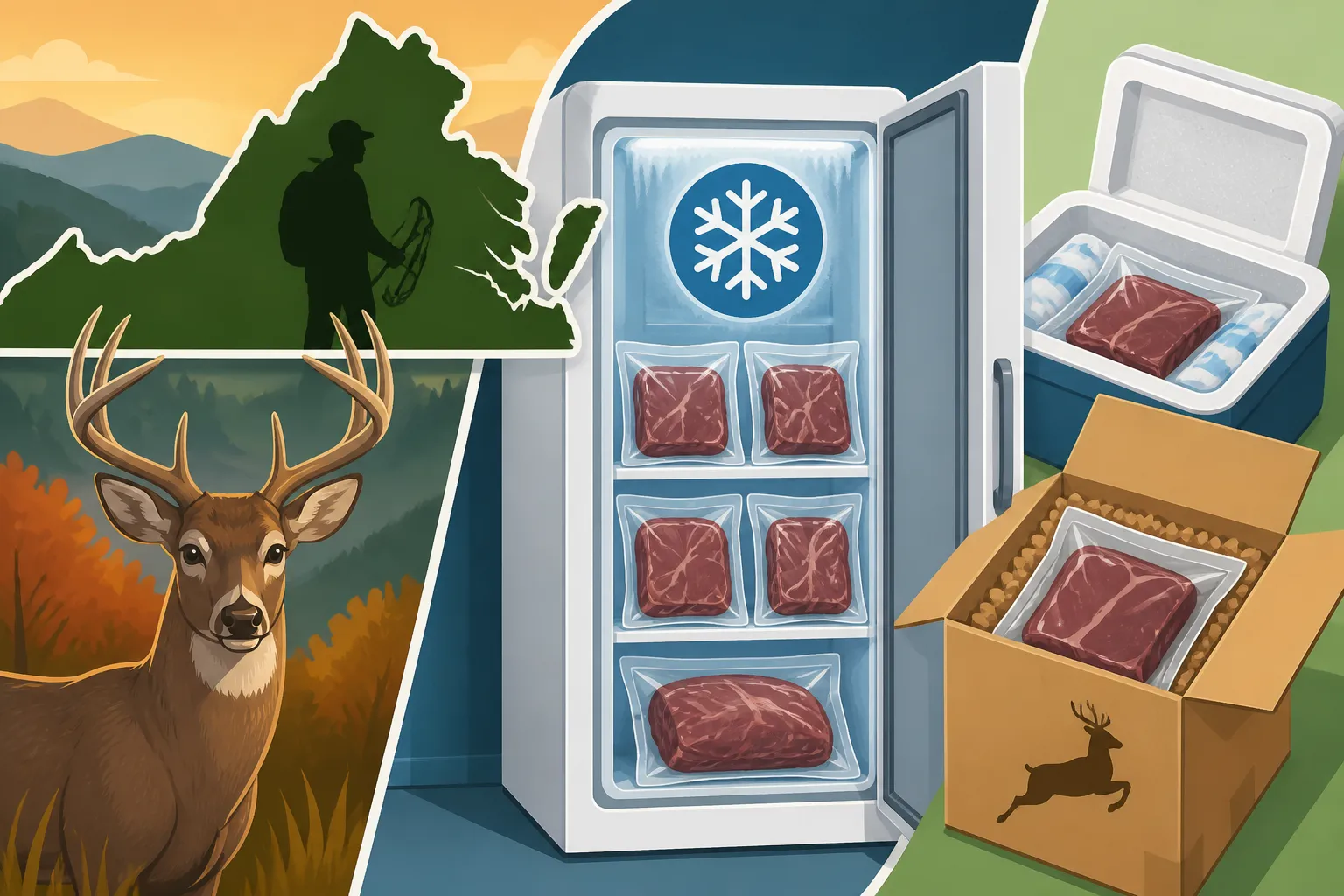
For long-term storage and superior protection, vacuum sealing is generally considered the best method. A good vacuum sealer removes all air from the bag before sealing it, creating an airtight environment. This completely eliminates the risk of freezer burn and significantly extends the shelf life of your meat, often for a year or even longer. Meat Care Gear for Virginia Hunters often includes a good vacuum sealer for this reason. The upfront cost of a vacuum sealer and bags can be higher, but many hunters find it a worthwhile investment for preserving their harvest. It's particularly effective for steaks, roasts, and even ground meat, as it keeps moisture locked in.
Freezer Paper and Plastic Wrap: Traditional Methods
If a vacuum sealer isn't in your budget or you're processing a large amount of meat quickly, a combination of heavy-duty freezer paper and plastic wrap is a reliable alternative. The key here is to create an airtight seal without specialized equipment. Start by tightly wrapping individual portions in plastic wrap, ensuring no air pockets remain. Then, wrap those plastic-wrapped portions in heavy-duty freezer paper. The waxy side of the freezer paper should be against the plastic wrap. The thick paper provides an additional layer of protection against punctures and light, while the tight plastic wrap minimizes air exposure. This method, when done correctly, can protect meat for several months.
Here’s a quick comparison of the two main methods:
| Feature | Vacuum Sealing | Freezer Paper & Plastic Wrap |
|---|---|---|
| Air Removal | Excellent (removes almost all air) | Good (manual wrapping) |
| Freezer Burn | Minimal risk | Moderate risk if not wrapped meticulously |
| Storage Time | 12 months+ (often much longer) | 6-9 months (can be longer with expert wrapping) |
| Cost | Higher initial investment for machine and bags | Lower initial cost for paper/wrap |
| Ease of Use | Quick and efficient once set up | More labor-intensive for effective sealing |
| Visibility | Clear bags allow inspection (some bags are opaque) | Opaque paper hides contents, requires good labeling |
| Best For | All cuts, especially steaks, roasts, ground meat | Large batches, ground meat, cuts for shorter storage times |
Labeling and Organization in Your Freezer
Regardless of the packaging method, proper labeling is essential. Trust me, after a few months, you'll forget if that mystery package is venison stew meat, bear roasts, or turkey breast. Use a permanent marker to clearly write:
- Type of game: (e.g., Deer, Bear, Turkey)
- Cut of meat: (e.g., Backstrap, Ground, Roast, Stew)
- Date packaged: (Month/Year is usually sufficient)
This simple step saves a lot of head-scratching and ensures you're rotating your stock, using older meat first. Organize your freezer by game type and cut if possible. Use bins or shelves to keep similar items together. This makes finding what you need a breeze and prevents good meat from getting lost in the frosty depths of your freezer, only to be discovered years later, hopelessly freezer-burned. Knowing what you have and when you packaged it helps with meal planning and ensures you make the most of your harvest, whether it's White-Tailed Deer Across Virginia or a Wild Turkeys in Virginia.
Shipping Game Meat Across State Lines or Long Distances
Sometimes, you want to share your harvest with family out of state, or perhaps you hunted far from home and need to get your meat back. Shipping game meat can be complex due to varying regulations and the need for careful handling.
Understanding Regulations: Virginia and Beyond
This is perhaps the most crucial step when considering shipping game meat: do your homework on regulations. You must comply with both Virginia's rules for exporting game and the destination state's rules for importing it. Virginia, for instance, has specific Virginia Carcass Movement Restrictions related to Chronic Wasting Disease (CWD) management areas. If your deer was harvested in one of Virginia's CWD management areas (DMAs), like those discussed in Virginia's Four Chronic Wasting Disease Areas, there are strict rules about which parts of the animal can be moved out of the DMA, let alone out of state. Generally, deboned meat, clean skull plates, and capes without brain or spinal tissue are permissible, but always check the most current Virginia DWR guidelines.
Then, you need to contact the wildlife agency in the destination state. Some states have outright bans on importing certain game parts or require specific permits or testing. For example, some states have very strict CWD regulations and may not allow any deer or elk parts from CWD-positive states. A good starting point for research might be the DWR website, but also consider using tools like GoHunt's state-by-state guides or forums to gather insights from other hunters who've navigated these waters. Don't assume. A quick call to both state agencies can save you a lot of headache and potential legal trouble, which can lead to Virginia Wildlife Violation Penalties.
Choosing the Right Carrier and Packaging for the Journey
Once you've cleared the regulatory hurdles, the next challenge is logistics. Shipping perishable goods requires speed and proper insulation.
Insulated Coolers and Dry Ice
A heavy-duty, insulated cooler is your best friend for shipping game meat. Think about the quality you'd use for a multi-day camping trip. For most long-distance shipments, dry ice is the preferred cooling agent because it's much colder than regular ice and sublimates (turns directly into gas) without leaving water.
- Packaging meat: Ensure all meat is vacuum-sealed and labeled as described above. This protects it from freezer burn and prevents any potential leakage.
- Layering: Place a layer of crumpled newspaper or cardboard at the bottom of the cooler. Then, place your dry ice, handling it with gloves (it's extremely cold!). Place another layer of newspaper or cardboard over the dry ice.
- Meat placement: Pack your vacuum-sealed meat tightly on top of the dry ice. The less empty space, the better the insulation.
- Topping off: Fill any remaining gaps with more newspaper, foam peanuts, or even bubble wrap to minimize air movement.
- Sealing: Secure the cooler lid tightly, but allow for some ventilation if using a large amount of dry ice, as it releases CO2 gas. Many coolers have a small drain plug that can be left slightly open for this purpose.
Selecting a Shipping Carrier
Most major carriers like FedEx or UPS offer services for shipping perishables, but they have strict guidelines. You'll need to use their approved packaging, which often means an insulated foam container inside a sturdy cardboard box. Shipping overnight or second-day air is usually required for game meat to ensure it arrives frozen. Standard ground shipping is rarely an option due to transit times. Always confirm with the specific carrier about their policies on dry ice, perishable goods, and any required labeling for biological material. Some may have limits on the amount of dry ice, for example. When planning your hunt, consider the proximity of shipping hubs if you intend to send meat home, especially if you're hunting in remote areas like the Hunting the Southwest Coalfields.
Documentation and Logistics for Smooth Transit
Even after checking regulations and choosing a carrier, there are a few more steps to ensure your shipment goes smoothly.
Required Documentation
You'll need a copy of your hunting license and tags (or the appropriate harvest report confirmations) that correspond to the meat being shipped. The Virginia Department of Wildlife Resources (DWR) requires you to Check a Virginia Deer Harvest Online, and having that confirmation number or printout is always a good idea. Some states might require a copy of your harvest tag or a specific permit number to be included with the shipment. It’s also wise to include your contact information and the recipient's contact information clearly inside and outside the package. If there's any doubt about CWD, having proof of where the animal was harvested, such as county details, is critical, especially when Handling Venison From a Disease Management Area.
Tracking and Communication
Once your package is on its way, make sure you have a tracking number and share it with the recipient. Delays can happen, and tracking allows both parties to monitor the shipment's progress. Be proactive in communicating with the recipient about when to expect delivery and what to do immediately upon arrival (e.g., get it into a freezer). A successful shipment isn't just about sending it; it's about ensuring it arrives and is handled correctly on the other end to maintain its quality. Planning ahead with tools like GoHunt can help you plot out logistics, from hunting locations to the nearest shipping depots or even understanding the DWR app for real-time information.
Avoiding Common Mistakes and Ensuring Quality
Even with the best intentions, mistakes can happen. Being aware of common pitfalls can help ensure your game meat remains top-notch.
Preventing Freezer Burn and Maintaining Peak Flavor
Freezer burn is the nemesis of frozen game meat. It's not dangerous, but it dehydrates the meat, leaving it tough, discolored, and flavorless.
- Air, air, everywhere: The primary cause is air exposure. This is why vacuum sealing is so effective. If using freezer paper, strive for zero air pockets. Double-wrapping in plastic wrap then freezer paper is a good tactic.
- Temperature fluctuations: Avoid opening your freezer frequently or letting it sit partially open. Consistent cold temperatures are vital. A freezer that's too full can sometimes struggle to maintain a consistent temperature, but one that's too empty might also fluctuate more. Filling empty space with jugs of water can help maintain thermal mass.
- Old meat: While proper packaging significantly extends shelf life, meat won't last forever. Even vacuum-sealed meat has a practical limit, often a year for best quality. This is why clear labeling with dates is crucial. Use your older game meat first. If you're a prolific hunter, like someone Filling a Six-Deer Eastern Limit or a Filling a Five-Deer Western Limit annually, careful rotation is key.
Safe Thawing and Enjoying Your Harvest
Just as important as freezing is the thawing process. Improper thawing can lead to bacterial growth or degrade the meat's texture.
- Refrigerator thawing: This is the safest and best method. Place the frozen meat in a container or on a plate to catch any drips, and let it thaw slowly in the refrigerator. This can take 24-48 hours for larger cuts.
- Cold water thawing: For quicker thawing, place the vacuum-sealed package in a leak-proof bag (if not already sealed) and submerge it in cold water. Change the water every 30 minutes to keep it cold. Cook immediately after thawing this way.
- Microwave thawing: This is generally not recommended for quality game meat, as it can partially cook the edges and leave the center frozen. Only use if you plan to cook the meat immediately and are less concerned about optimal texture.
By paying attention to these details, from the field to the freezer, you ensure that every pound of meat you harvest provides delicious, high-quality meals, honoring the animal and your efforts.
Disclaimer
This article is for general informational purposes only and does not constitute professional advice. Laws, prices and regulations vary by location and change over time. Consult a qualified professional for guidance on your specific situation.