First Aid Kits for Remote Mountain Ground
There's nothing quite like the solitude and challenge of hunting Virginia's remote mountain ground, whether you're chasing deer in the Jefferson National Forest Hunting or tracking bear deep in the Blue Ridge. But that wild beauty comes with a serious trade-off: help is often hours, not minutes, away. When you're miles from the nearest road, a simple twisted ankle or a deep cut can quickly turn into a life-threatening emergency. This guide isn't just about throwing some band-aids into a pouch; it’s about meticulously building a first aid kit designed for the unique demands and potential hazards of Virginia's backcountry, ensuring you have the tools to manage an incident until professional help can arrive.
Why a Specialized Kit is Absolutely Crucial for Mountain Hunting
Think about it: you're out there, maybe Hunting West of the Blue Ridge, picking your way through thick laurel or navigating a rocky drainage. The terrain is unforgiving, the weather can change in a heartbeat, and cell service is often a distant dream. This isn't your suburban park stroll. The types of injuries you might encounter, and the severity of them, demand a much more robust approach to first aid than what you'd typically carry for a day hike.
The Unique Risks of Virginia's Mountain Terrain
When you're hunting in the steep, rocky slopes of the Appalachian Mountains, every step carries risk. Falls are common, leading to sprains, fractures, or head injuries. A slip on wet leaves can send you tumbling down a ravine. Imagine the struggle of Dragging a Deer Out of a Mountain Hollow and suddenly feeling a sharp pop in your knee or an uncontrolled slide down a wet incline. These aren't minor scrapes; they are situations that can immobilize you far from any trail.
Beyond falls, the environment itself poses threats. Unexpected storms can bring hypothermia, even outside of deep winter. Encounters with venomous snakes, though rare, are a possibility, particularly in warmer months. Even cutting firewood or field dressing an animal carries the risk of a deep laceration. The physical exertion, combined with carrying heavy gear and potentially a harvested animal, pushes your body to its limits, increasing the chances of injury.
Delayed Response Times and Self-Sufficiency
In many parts of Virginia's National Forests, like sections of the George Washington National Forest, you could be hours from the nearest paved road, let alone a medical facility. When you're deep in a hollow or high on a ridge, a broken bone or severe bleeding requires immediate, effective intervention that you and your hunting partners must provide yourselves. You can't just call 911 and expect an ambulance to pull right up. Even if you manage to get a signal, coordinating a rescue in such remote, rugged areas takes significant time and resources.
This reality makes self-sufficiency paramount. Your first aid kit isn't just for patching up; it's for stabilizing, mitigating, and potentially buying crucial time. It means having supplies that can handle a severe trauma, not just minor cuts. It means being prepared to care for yourself or a partner for an extended period, perhaps overnight, until professional help can reach you.
Common Hunting-Related Injuries in the Backcountry
While the dramatic injuries are what often come to mind, many backcountry incidents are less severe but still debilitating. A bad blister can render an otherwise able hunter miserable and immobile. An allergic reaction to a bee sting or a plant can escalate quickly. Dehydration or heat exhaustion, especially during early season hunts, can lead to disorientation and further accidents.
Think about the repetitive strain of climbing hills all day or the precise movements of field dressing a game animal. A sprained ankle, a deep puncture wound from a broadhead while fumbling in a pack, or even severe muscle cramps can effectively end a hunt and create a precarious situation. Having the right tools to address these "smaller" but still significant issues can prevent them from snowballing into something far worse when you're far from any kind of immediate assistance.
Building the Foundation: Core Components of a Mountain First Aid Kit
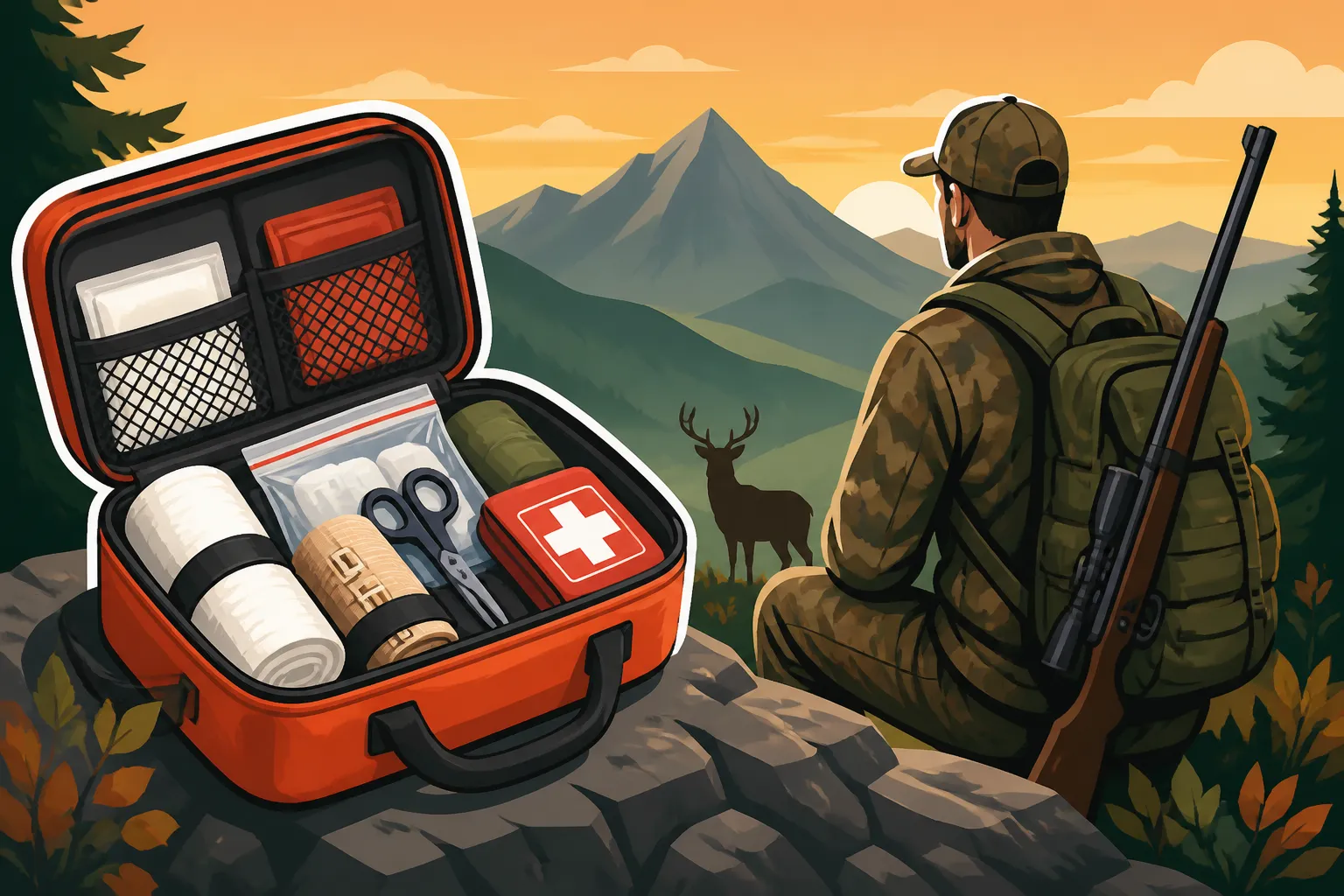
When assembling a kit for remote mountain hunting, you're not just thinking about basic boo-boos. You're preparing for scenarios where you might be the only lifeline. Every item should earn its place, carefully chosen for its utility and ability to address specific, high-stakes situations. This isn't just a collection of supplies; it's a carefully curated selection of life-saving tools.
Comprehensive Wound Care
Cuts, scrapes, and punctures are almost inevitable in the field. But in the backcountry, even a small wound can become a big problem if it gets infected or bleeds excessively. Your kit needs a range of sterile dressings, from small adhesive bandages for minor nicks to large trauma pads for significant bleeding. Having a variety of sizes and shapes ensures you're ready for anything.
Antiseptic wipes or a small bottle of iodine are critical for cleaning wounds to prevent infection, especially when you can't access clean water immediately. Medical-grade gloves are a must, not just for hygiene but also for protecting yourself from bloodborne pathogens when treating someone else. Don't forget wound closure strips or butterfly bandages for deeper cuts that might benefit from being held together, and a roll of medical tape or self-adhering bandage for securing dressings. Consider a small bottle of super glue (cyanocrylates) for quick, temporary closure of minor, clean cuts – it's not ideal for deep wounds, but can stop a persistent bleed on a small cut in a pinch.
Pain Relief and Allergy Management
Hunting often means pushing through discomfort, but sometimes pain can be incapacitating or indicate a more serious underlying issue. Over-the-counter pain relievers like ibuprofen or acetaminophen are vital for managing headaches, muscle aches, or the dull throb of a sprain. They can help you stay functional or at least get some rest if you're stuck waiting for rescue.
Allergies can be more serious. If you or a hunting partner has known allergies, especially to insect stings or certain foods, an EpiPen should be a non-negotiable item. Even without known allergies, a powerful antihistamine like diphenhydramine can mitigate reactions to stings, poison ivy, or other environmental irritants. These small additions can literally be the difference between a bad day and a life-threatening anaphylactic shock in the middle of nowhere.
Trauma Essentials: Tourniquets and Pressure Dressings
This is where a backcountry kit truly diverges from a standard home kit. A severe arterial bleed from a deep cut or a broadhead accident can lead to death in minutes. A purpose-built tourniquet (like a CAT or SOF-T Wide) is an absolute must-have. It's not a "maybe I'll need it" item; it's a "when seconds count" item. Just as important is knowing how to apply it correctly, which emphasizes the need for training we'll discuss later.
Beyond tourniquets, hemostatic gauze (gauze treated with agents that promote clotting) and large pressure dressings are critical. These are designed to pack severe wounds and apply direct pressure, helping to stop profuse bleeding. Chest seals for penetrating chest wounds (like from a fall onto a sharp branch) are also crucial, preventing a collapsed lung and maintaining airway function. These are specialized items, but their importance in a remote trauma situation cannot be overstated.
Personal Medications and Specialized Items
Everyone's needs are different. If you or your hunting partners take prescription medications, those absolutely must be included in your kit, with extra doses in case of delays. Think beyond daily meds – do you carry an inhaler for asthma, or nitroglycerin for a heart condition? Ensure these are present and easily accessible.
Beyond prescriptions, consider other specialized items:
- Blister treatment: Moleskin, hydrocolloid patches, or medical tape. A bad blister can truly ruin a hunt and make walking out excruciating.
- Burn gel: For campfire accidents or stove mishaps.
- Eye wash/saline solution: To flush out debris or chemicals.
- Small mirror: For self-assessment of injuries or signaling.
- Shears/scissors: Medical shears can cut through clothing quickly and safely to access wounds.
- Tweezers: For splinters or tick removal.
- Small flashlight or headlamp: For examining injuries in low light, crucial when Walking Out After Dark.
Packing Smart: Weight, Accessibility, and Organization
It’s one thing to gather all these critical supplies; it’s another to pack them effectively for a demanding hunt. Every ounce counts when you're humping gear up steep ridges, so balancing comprehensive coverage with manageable weight is key. Plus, if an emergency strikes, you don't want to be fumbling around in a disorganized mess, wasting precious time.
Weighing Needs Versus Weight in Your Pack
This is the eternal struggle for any backcountry hunter. You need to be prepared, but you also don't want to carry an entire hospital on your back. The trick is to be intentional with every item. For example, instead of a full bottle of antiseptic, a few individually wrapped antiseptic wipes might suffice for a day or two hunt. Do you need a bulky roll of medical tape, or will a smaller, more compact version do the trick?
Prioritize multi-use items where possible. A robust medical tape can secure a bandage, but it can also be used for emergency gear repair. A strong bandanna can serve as a sling, a compression bandage, or a sweat rag. Tools like the GoHunt app on your phone can help you scout terrain and understand distances, giving you a better sense of how truly remote your hunting location might be, and thus how self-reliant you need to be. The farther out you go, the less you can compromise on critical items.
Organization and Accessibility are Paramount
Imagine this scenario: your hunting buddy takes a nasty tumble, and you need to act fast. You dig into your pack, frantically searching for the trauma pads, only to find them buried under your lunch and extra socks. This is a recipe for disaster. Your first aid kit needs to be organized logically and be immediately accessible.
Many hunters use small, brightly colored dry bags or dedicated first aid pouches that are distinct from other gear. Within that bag, further organize by category: all wound care together, all medications together, all trauma gear together. Clear, labeled pouches are excellent. Consider placing the most critical, immediate-need items (like a tourniquet and trauma shears) in an easily accessible external pocket or even strapped to the outside of your pack, ready for instant deployment. When you're cold, wet, or stressed, fine motor skills diminish, so simplicity and logical layout are your best friends.
Waterproof Protection for All Conditions
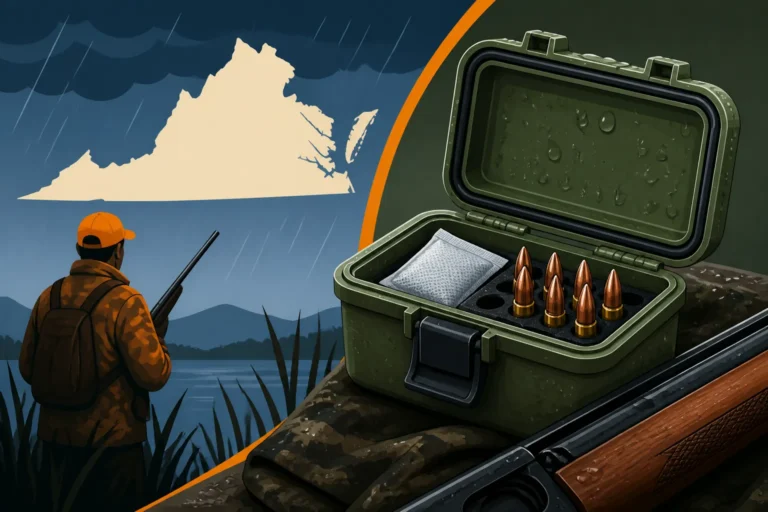
Virginia's weather can be notoriously fickle. A beautiful crisp morning can turn into a torrential downpour by afternoon, especially in the mountains where Wind and Thermals on a Blue Ridge Slope can influence localized conditions. Wet supplies are useless supplies. Bandages that won't stick, medications that are ruined, or a soggy map in your kit could have dire consequences.
Ensure your entire first aid kit is housed in a waterproof container or a dry bag. For individual components, especially medications, consider further waterproofing them in small Ziploc bags or even vacuum-sealed pouches. This not only protects against rain, but also against accidental submersion if you cross a stream or fall into a wet spot. Your preparedness means little if your critical tools are compromised by the elements.
Beyond the Kit: Training, Communication, and Situational Awareness
A perfectly stocked first aid kit is only as good as the person using it. Without the knowledge and the presence of mind to apply those tools effectively, it's just a bag of random medical supplies. True preparedness extends far beyond gear; it encompasses training, communication strategies, and an acute awareness of your surroundings.
Wilderness First Aid Training is a Game Changer
While basic first aid is a start, a wilderness first aid (WFA) course or even a wilderness first responder (WFR) course is invaluable for backcountry hunters. These courses teach you how to improvise with limited resources, manage injuries for extended periods, and make critical decisions when medical help is not readily available. You'll learn patient assessment, wound packing, splinting techniques, and how to manage environmental emergencies like hypothermia or heatstroke – all crucial skills when you're miles from the trailhead.
It's not just about knowing what to do, but how to do it under pressure. Practicing applying a tourniquet or splinting a limb on a buddy builds muscle memory and confidence. There are many organizations that offer these courses across Virginia, and the investment in time and money is minimal compared to the potential consequences of not knowing how to react in a serious emergency. This training will make every item in your first aid kit infinitely more effective.
Communication Plans and Emergency Contact Strategies
Even with a top-notch kit, you need a way to call for help if things go truly sideways. Cell service is unreliable in much of Virginia's backcountry, so relying solely on your phone is a gamble. Consider carrying a satellite communication device like an inReach or a SPOT device. These allow you to send SOS messages, check in with loved ones, and even send custom text messages when you're off-grid. Many units, especially modern ones, allow you to use an app like GoHunt to mark your location and send it via satellite message, drastically improving rescue efforts.
Before you ever head out, create a detailed trip plan and share it with a trusted contact who isn't hunting with you. This plan should include your exact hunting location, expected return time, vehicle description, and a "check-in" schedule. If you don't check in, they know to initiate a call to local authorities. Additionally, discuss emergency protocols with your hunting partners before you're in an emergency situation. Who carries the communication device? Who knows how to use the first aid kit? What's the plan for separation? Having these discussions beforehand saves critical time and confusion in an actual emergency.
Situational Awareness and Prevention
The best first aid is the one you never need to use. Developing strong situational awareness is your first line of defense against injuries. This means constantly assessing your environment: watching your footing on slippery leaves or rocky ground, being mindful of your trajectory when handling sharp knives or firearms, and recognizing signs of fatigue in yourself and your partners.
Before stepping into the woods, especially when Scouting Virginia Public Land Before Season, visualize potential hazards. Are there steep drop-offs? Loose rock? Deadfall that could cause a fall? Planning your route to avoid the riskiest terrain can mitigate many potential accidents. Dressing appropriately for the weather, staying hydrated, and taking regular breaks can prevent issues like hypothermia, heatstroke, or exhaustion that could lead to poor judgment and subsequent injury. A thoughtful approach to hunting, combined with a robust first aid kit and the knowledge to use it, creates the safest backcountry experience.
Here’s a quick overview of essential items for your remote mountain hunting first aid kit:
| Category | Must-Have Items | Good-to-Have Items |
|---|---|---|
| Wound Care | Assorted Bandages (strips, knuckle, large pads) | Hemostatic Gauze |
| Sterile Gauze Pads (various sizes) | Wound Closure Strips / Butterfly Bandages | |
| Medical Tape (strong adhesive) | Small Super Glue (non-surgical grade) | |
| Antiseptic Wipes / Iodine Wipes | Irrigation Syringe | |
| Medical Gloves (nitrile, 2-3 pairs) | ||
| Trauma & Bleeding | Tourniquet (CAT or SOF-T Wide) | Chest Seals (vented) |
| Trauma Shears | Compressed Gauze / Israeli Bandage | |
| Medications | Pain Relievers (Ibuprofen, Acetaminophen) | Anti-diarrheal medication |
| Antihistamine (Diphenhydramine) | EpiPen (if prescribed) | |
| Personal Prescriptions (extra doses) | Anti-inflammatory Cream | |
| Tools & Misc. | Small Flashlight / Headlamp (with extra batteries) | Tweezers / Tick Removal Tool |
| Emergency Whistle | Fire Starter (matches/lighter in waterproof case) | |
| Small Mirror (for signaling/self-assessment) | Space Blanket / Emergency Bivvy | |
| Duct Tape (small roll, for gear repair/improv) | Moleskin / Blister Treatment | |
| Waterproof Bag / Dry Bag (for kit housing) | Sunscreen / Lip Balm |
Remember, every hunt is different, and your kit should reflect the specifics of your trip. The more remote and challenging the terrain, the more comprehensive and robust your kit needs to be. Stay safe out there, and happy hunting!
Disclaimer
This article is for general informational purposes only and does not constitute professional advice. Laws, prices and regulations vary by location and change over time. Consult a qualified professional for guidance on your specific situation.