Slings for a Long Jefferson Forest Walk
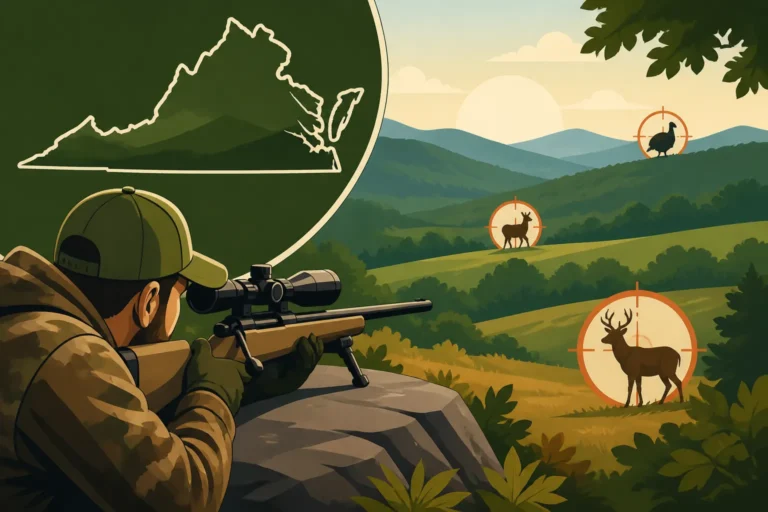
There's nothing quite like the immense beauty and challenge of hunting in Virginia's Jefferson National Forest. Those sprawling tracts of public land offer incredible opportunities, but anyone who's spent a day navigating its steep ridges and dense hollows knows one thing for sure: long walks are part of the deal. If you've ever felt the burning ache in your arms and shoulders after carrying your rifle for miles, wishing you had an extra hand or a better way to distribute that weight, this guide is for you. We're going to dive deep into why a quality rifle sling isn't just a convenience, but an absolute necessity for hunting the Jefferson National Forest, and how to choose and use one effectively.
Why a Quality Sling is Non-Negotiable for Jefferson Forest Hunts
Hunting the Jefferson National Forest means committing to serious miles on foot, often over uneven and demanding terrain. You’re not just strolling through a manicured field; you're climbing mountains, traversing creek beds, and pushing through thick brush. Your rifle, which might feel light enough for a quick trip to the range, becomes a lead weight after an hour or two of hard hiking. This is where a proper sling moves from a nice-to-have accessory to an essential piece of gear that can genuinely impact your comfort, endurance, and ultimately, your success.
The Rugged Terrain of the Jefferson
The Jefferson National Forest is synonymous with rugged, unforgiving terrain. We're talking about steep ascents that test your lungs and legs, followed by equally challenging descents where footing can be tricky due to loose rocks or leaf litter. You’ll navigate areas dense with mountain laurel, rhododendron thickets, and downed timber. Carrying a rifle in your hands through all of this not only tires you out quickly, but it also creates a significant safety hazard. Imagine scrambling up a steep incline, needing both hands to steady yourself or grab a tree, only to realize you’re awkwardly juggling a firearm. A sling allows you to secure your rifle across your body, freeing up your hands for balance, climbing, or even carrying other essential gear like water or a GPS unit. It distributes the weight more evenly, making those grueling climbs far more manageable.
The Physical Toll of Carrying a Rifle
Let's be honest, hunting is physically demanding. And when you add the weight of a rifle to hours of walking and climbing, fatigue sets in fast. Hand-carrying your rifle concentrates all that weight on your arms, shoulders, and back in an unbalanced way. This can lead to muscle strain, discomfort, and even pain that detracts from your focus and enjoyment of the hunt. Imagine being three miles deep on a public land tract, finally spotting that ideal Hunting a Ridge-Top Saddle for Rutting Bucks, and your arms are shaking so bad from carrying your rifle that you can barely hold a steady aim. That's a scenario no hunter wants. A well-designed sling disperses the rifle’s weight more broadly across your torso, shoulders, and even back, reducing localized fatigue. It conserves your energy, allowing you to cover more ground, stay out longer, and remain more alert and ready for that critical moment when a shot opportunity arises. It also keeps your hands free to glass with your Binocular Power for Mountain Hunting or quickly reference a mapping app like GoHunt to confirm your location on a ridge.
Key Features to Look For in a Hunting Sling
Not all slings are created equal, especially when you consider the specific demands of hunting the Jefferson National Forest. You're not looking for a minimalist sling designed for competition shooting or casual range trips. You need something built for endurance, comfort, and the ability to withstand the harsh elements of Virginia's mountains.
Material Matters: Durability and Comfort
When choosing a sling for the rugged environment of the Jefferson, the material is paramount. You need something that can stand up to abrasion from tree bark, thorns, and rocks, as well as resist moisture from rain or sweat. Nylon and neoprene are two of the most popular choices, each with their own benefits.
- Nylon slings are incredibly durable and often more rigid, which can be beneficial for stability. They're typically resistant to tearing and fraying, making them a long-lasting option. Some hunters prefer nylon for its lack of stretch, ensuring the rifle stays exactly where you put it.
- Neoprene slings offer excellent shock absorption and a good amount of stretch. This can make them incredibly comfortable, especially when carrying a heavier rifle, as the slight give helps absorb the rifle's movement against your body. However, some find the stretch a bit too much for very heavy firearms or when needing absolute rigidity for precision carrying.
- Leather slings are classic and durable, often breaking in beautifully over time. They can be a bit heavier and may require more maintenance than synthetic options, but many hunters appreciate their traditional feel and quietness in the woods. They are less common for long, strenuous mountain hikes due to weight and potential for water retention compared to synthetics.
Beyond the main material, pay attention to the hardware. Metal swivels and buckles are generally more robust and reliable than plastic ones, which can become brittle in cold weather or snap under stress. Look for quality stitching and reinforced attachment points, as these are common failure points on cheaper slings.
Adjustability and Quick-Detach Features
The ability to quickly adjust your sling's length is crucial in varying terrain or when transitioning from hiking to shooting. You'll want to be able to cinch it up tight against your body for scrambling up a Wind and Thermals on a Blue Ridge Slope, and then lengthen it quickly for an off-hand shot if a deer steps out unexpectedly. Look for slings with easy-to-use buckles or sliders that allow for one-handed adjustment. Some high-quality slings feature quick-adjust mechanisms that let you go from a tight carry to a shooting-ready position in seconds.
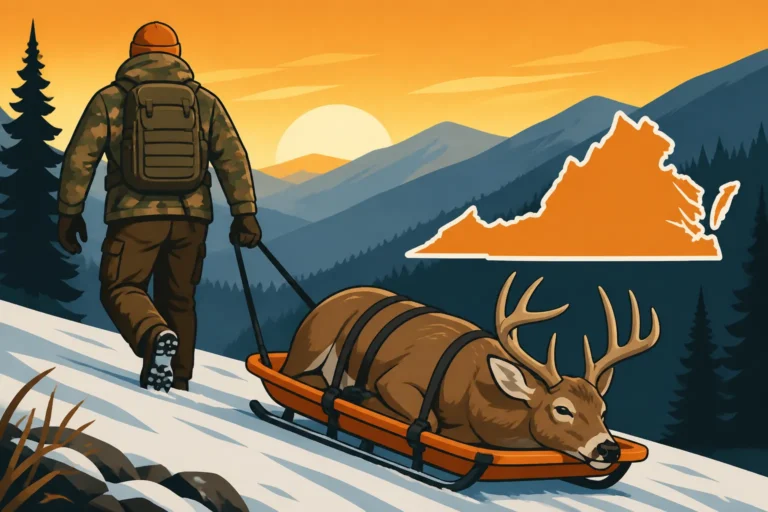
Quick-detach (QD) swivels are another feature worth considering. These allow you to rapidly remove your rifle from the sling if you need to, or to switch the sling between different firearms. While not strictly necessary for every hunt, they offer versatility and can be very useful if you hunt with multiple rifles or if you need to quickly reconfigure your gear. Imagine having to Drag a Deer Out of a Mountain Hollow; being able to quickly detach your rifle and secure it or hand it off can be a big help.
Padding for Those Long Hauls
This is arguably the most important comfort feature for Jefferson Forest hunting. A thin, unpadded strap will dig into your shoulder after even a short walk, making those multi-mile treks unbearable. Look for a sling with generous padding, ideally at least an inch thick and wide enough to distribute weight over a larger area of your shoulder.
- Closed-cell foam is often used for padding, as it's lightweight and doesn't absorb water, which is a huge plus if you get caught in a sudden Virginia rain shower.
- Memory foam or gel inserts can offer even greater comfort by conforming to your shoulder shape, but they might add a little more weight.
The shape of the padding matters too. Some slings have ergonomic curves designed to fit the natural contours of your shoulder and neck, preventing chafing and maximizing comfort. A non-slip backing on the padded section is also beneficial, as it helps keep the sling from sliding off your shoulder when you're moving vigorously or navigating steep terrain. Brands like GoHunt often highlight these ergonomic considerations in their accessory lines, understanding the importance of comfort for all-day field performance.
Types of Slings and Their Best Use Cases in Virginia
The world of rifle slings might seem simple, but there are distinct types designed for different purposes. For the demanding conditions of Virginia's National Forests, some types are clearly superior to others.
Two-Point Slings: The Tried and True
The two-point sling is the most common and generally the most versatile option for hunting. It attaches to your rifle at two points: usually near the buttstock and near the barrel or forearm. This design allows for various carry methods: over one shoulder, across your back, or across your chest.
- Pros for Jefferson Forest: Excellent weight distribution, stable carry for long hikes, and relatively quick to bring the rifle to a shooting position from a carry position. You can use it to stabilize your shot by creating tension with your arm. When you're Still-Hunting Jefferson Forest Ridges, the ability to quietly transition from carry to aiming is paramount.
- Carry Methods:
- Strong-side shoulder carry: Good for quick access, but can sometimes slip off if not properly adjusted or if you're navigating rough terrain.
- Weak-side shoulder carry: Similar to strong-side but allows for easier spotting with your dominant eye while keeping the rifle out of the way.
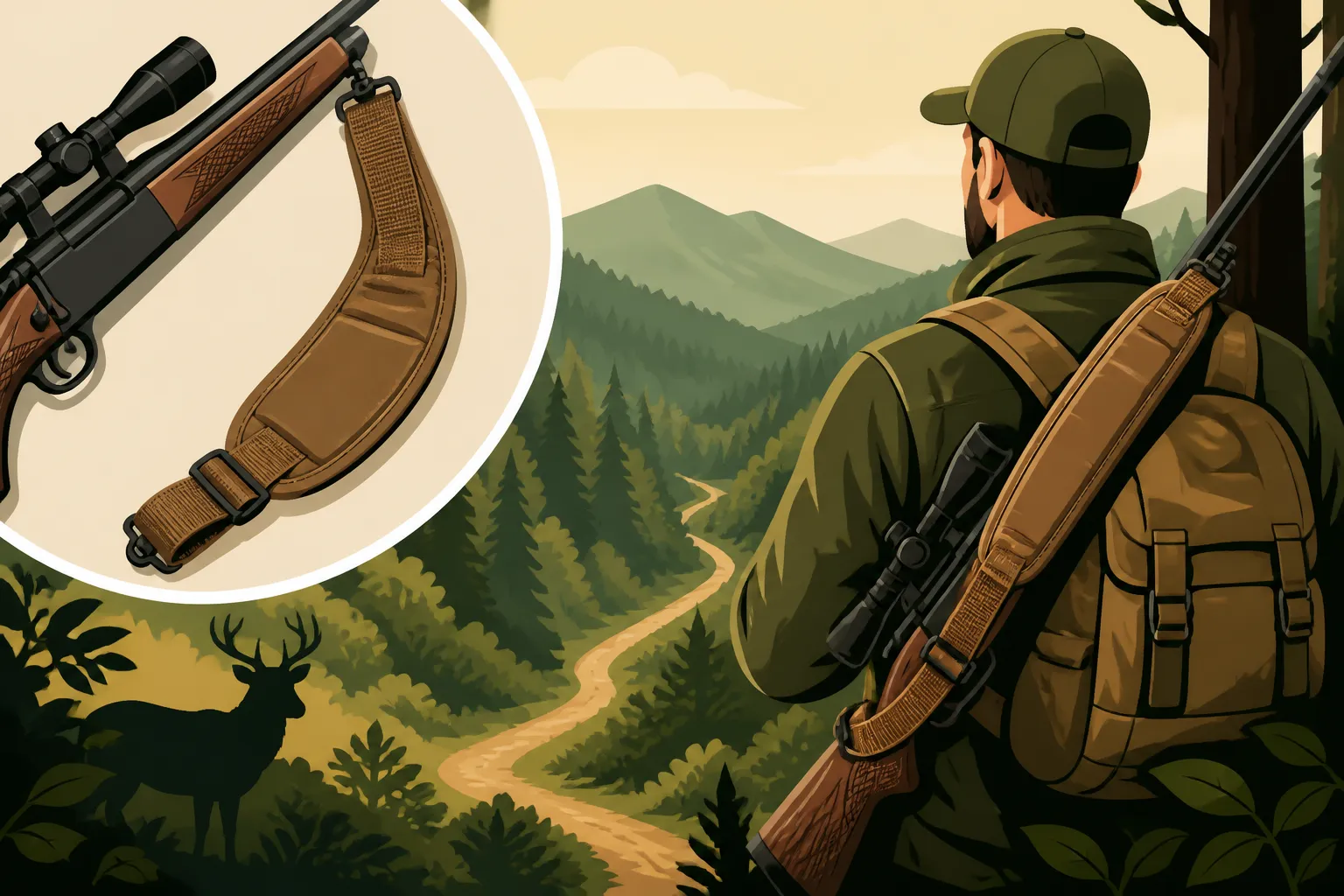
- Across the back (backpack style): This is often the best for long, grueling hikes through thick cover. It frees both hands, distributes weight very evenly, and keeps the rifle secure. However, it's the slowest to deploy for a shot.
- Across the chest (African carry/muzzle down): This offers quick access and keeps the rifle in front of you, protected from brush. It's often favored when anticipating a shot but still needing hands free.
For the Jefferson, a two-point sling with good padding and robust adjustability is going to be your workhorse. It offers the best balance of comfort, security, and accessibility for the varied challenges you’ll face.
Single-Point Slings: Not Ideal for This Terrain
A single-point sling attaches to the rifle at one central point, usually near the receiver or pistol grip. These slings are popular in tactical applications where extremely fast weapon manipulation is crucial, often in close quarters.
- Cons for Jefferson Forest: While they offer lightning-fast deployment, they allow the rifle to swing freely. This means a heavy rifle will bounce and move against your leg as you walk, becoming very uncomfortable over long distances. It's also much harder to secure the rifle when climbing or pushing through dense brush, increasing the risk of banging your rifle against rocks or trees. For hunting scenarios where stealth and long walks are primary, the benefits simply don't outweigh the significant drawbacks in comfort and control. You definitely don't want your rifle swinging wildly when you're trying to stay quiet and avoid spooking game, especially when Hunting the Rut West of the Blue Ridge.
Specialized Slings for Heavy Rifles
If you're toting a particularly heavy magnum rifle, perhaps for Bear Hunting Virginia's Mountains and Piedmont, you might want to look at specialized slings. These often feature extra-wide padding, more robust materials, and advanced weight distribution designs. Some might even incorporate chest straps or waist belts, similar to a backpack, to transfer more of the rifle’s weight to your hips and legs, rather than solely on your shoulders. While these can be bulkier, the added comfort for very heavy setups can be a game-changer on extended backcountry hunts. Some serious backcountry hunters might even integrate their rifle carry system with their primary backpack, creating a seamless and balanced load.
Proper Sling Use and Carry Techniques for Mountainous Terrain
Having a great sling is one thing; knowing how to use it effectively is another. Proper technique can make all the difference in your comfort, safety, and readiness in the field.
Adjusting for Comfort and Security
The most common mistake hunters make is not properly adjusting their sling. It's not a one-size-fits-all setting. You'll want to adjust the length based on your body size, the clothing layers you're wearing, and the specific terrain you're traversing.
- For long hikes: Cinch the sling up so the rifle rides high and tight against your back or chest. This prevents excessive swinging and makes it easier to navigate obstacles. You want it secure enough that it doesn't bounce, but not so tight that it restricts your movement or breathing.
- For quick shots: You might need to loosen the sling slightly to allow for quicker shoulder mounting and better mobility for an off-hand shot. Practice this adjustment repeatedly until it becomes second nature.
- Layering considerations: Remember that your heavy winter coat versus a light early season shirt will change how the sling fits. Always adjust your sling while wearing the gear you intend to hunt in. You can also use a quick-adjust mechanism to tighten the rifle against your body when you need to climb or traverse tricky ground, and then loosen it for a comfortable walk on flatter sections. This might be especially important when trying to stay warm and comfortable on a Cold-Weather Sitting Strategy in the Mountains.
Shoulder Carry vs. Backpack Carry
Each carry method has its place in the Jefferson National Forest:
- Single shoulder carry: This is ideal for situations where you anticipate a shot opportunity fairly soon, or when you're moving through relatively open areas. It offers quick deployment. To prevent slipping, ensure the sling has a good non-slip pad and consider carrying it with the butt of the rifle forward, muzzle pointed down and slightly behind you. This allows for a smooth sweep forward and up to your shoulder.
- Backpack carry (across the back): For long treks, especially through dense timber or up steep grades, this is often the most comfortable and safest option. It keeps the rifle out of the way, frees both hands for climbing or using trekking poles, and distributes the weight symmetrically. The downside is that it's the slowest to get into a shooting position. You'll need to remove it from your back, which can involve taking off a pack if it's secured under one of the straps, or slipping it off and rotating it. Practice this motion at home so you can do it smoothly and quietly in the field. This method is often preferred when Scouting Virginia Public Land Before Season when you're covering many miles.
- Cross-chest carry: The rifle is slung diagonally across your chest, often with the muzzle pointed down your strong side. This keeps the rifle secure but still accessible. It’s a great compromise between quick access and security, particularly when walking through moderately thick brush or on uneven ground where you want to keep your hands free for balance.
Drawing Your Rifle Quickly
No matter how you carry your rifle, practice transitioning from your carry position to a shooting position. This is critical for ethical hunting and capitalizing on fleeting opportunities.
- From shoulder carry: With the rifle slung over your strong shoulder, reach back with your strong hand, grasp the grip and fore-end, and smoothly swing the rifle forward and up to your shoulder. Your weak hand can guide the fore-end.
- From cross-chest carry: This is often the quickest. Your strong hand can grab the grip, while your weak hand supports the fore-end, and you simply bring the rifle straight up to your shoulder.
- From backpack carry: This requires more steps and practice. You'll typically reach back with your strong hand to grab the sling near the buttstock, slide the rifle over your head or off one shoulder, and bring it around to the front. The key is smooth, practiced movements. Make sure you don't snag any other gear or make excessive noise.
A good sling, especially one with quick-adjust features, will facilitate these transitions. Practice them dry at home, then practice with your hunting pack on, and finally, during scouting trips in the woods. The more fluid you are, the better your chances when that magnificent buck steps out from behind a thicket.
Caring for Your Sling and Rifle After a Jefferson Forest Adventure
Your rifle and sling endure a lot during a day in the Jefferson National Forest. Neglecting them after the hunt can lead to premature wear, reduced performance, and even rust on your firearm. A little post-hunt care goes a long way in ensuring your gear is ready for your next adventure.
Cleaning and Inspection
After a long day in the woods, especially if it was rainy or muddy, your sling will likely be dirty.
- For synthetic slings (nylon, neoprene): A simple wipe-down with a damp cloth is usually sufficient. For tougher grime, a mild soap and water solution can be used, followed by thorough rinsing. Make sure it's completely dry before storing to prevent mildew. Check for any fraying, cuts, or loose stitching, especially where the sling attaches to the swivels.
- For leather slings: Leather requires a bit more care. Wipe off any mud or dirt with a damp cloth, then allow it to air dry naturally, away from direct heat. Once dry, you might want to apply a leather conditioner to keep it supple and prevent cracking. Regularly inspect the leather for signs of wear, especially near attachment points.
While cleaning the sling, take the opportunity to give your rifle a quick inspection. Check for any scratches, dings, or mud in the action or on the optics. The sling can sometimes rub against the rifle, so ensure no excessive wear is occurring on the rifle's finish. This quick check helps you maintain both your sling and your valuable firearm. A quick glance at your GoHunt app after the hunt can also remind you of critical waypoints or interesting sign you spotted for future trips.
Storage to Prevent Damage
Proper storage is key to prolonging the life of your sling and preventing damage to your rifle.
- Avoid leaving it attached to the rifle in a gun safe if it's wet. Moisture trapped between the sling and the rifle can promote rust on the firearm's finish.
- Hang your sling or store it loosely so it's not creased or bent, especially if it has substantial padding. This helps maintain the integrity of the padding.
- Check swivels: Ensure the swivels are clean and operate smoothly. A stiff or rusty swivel can make attaching or detaching the sling difficult. You might apply a tiny drop of light oil to the pivot points if they seem stiff.
By taking these few extra steps after each hunt, you ensure that your sling remains a reliable and comfortable partner for many more seasons in the Jefferson National Forest, allowing you to focus on the hunt itself, not on aching shoulders. Whether you're tracking a deer after a successful shot or simply Scouting With the Virginia DWR App for new territory, a well-maintained sling ensures your rifle is always ready when you are.
Here's a quick comparison of common sling materials for Virginia hunting:
| Feature | Nylon Slings | Neoprene Slings | Leather Slings |
|---|---|---|---|
| Durability | Excellent, highly resistant to abrasion | Good, but can be susceptible to tearing | Excellent, very long-lasting with care |
| Comfort | Good, often with added padding | Excellent, stretchy and shock-absorbing | Good, molds to shape over time |
| Weather | Very good, resists water and dries quickly | Good, water-resistant | Fair, can absorb water, slower drying |
| Noise | Can be slightly noisy against clothing/rifle | Generally quiet due to soft material | Usually very quiet |
| Weight | Light to moderate | Moderate | Heavier |
| Maintenance | Low, wipe clean | Low, wipe clean | Moderate, requires conditioning |
| Best Use Case | All-around rugged use, good for heavy rifles | Maximum comfort, reduces felt weight | Traditional aesthetics, durable, quiet for stalks |
Disclaimer
This article is for general informational purposes only and does not constitute professional advice. Laws, prices and regulations vary by location and change over time. Consult a qualified professional for guidance on your specific situation.